REVIEW · MARGARET RIVER
Private surfing lesson – Margaret River Surfing Academy
Book on GetYourGuide →Operated by Margaret River Surfing Academy · Bookable on GetYourGuide
Surf gets easier when the plan fits you.
A private surf lesson with Margaret River Surfing Academy turns the intimidating start into a guided session in the Margaret River region. You’re not just learning; you’re learning in a small, personal way with a coach who can adjust what you work on as the water and your confidence level change.
Two things I really like about this setup are the focus on how the ocean works and the clear skill ladder. The lesson covers ocean safety and etiquette first, then moves into the basics (positioning, paddling, and catching waves) matched to your level and goals. The other big plus is that you get the core gear covered—board and wetsuit—so you can arrive ready instead of shopping for stuff.
One thing to consider: the meeting location is chosen based on conditions on the day of your lesson. That’s smart for safety and wave quality, but it does mean you won’t lock in a specific beach sight in advance.
In This Review
- Key highlights to know before you go
- Private surfing in Margaret River: what $63 buys you in real life
- Picking the right beach on the day: how the lesson starts
- The 2-hour flow: from safety talk to catching your first rides
- 1) Getting geared up and meeting your instructor
- 2) Ocean safety and surfing etiquette
- 3) Positioning: where you put your body before you paddle
- 4) Paddling drills and wave selection
- 5) Catching waves: turning practice into actual rides
- 6) Wrap-up and next steps
- Technique breakdown: paddling, positioning, and actually improving fast
- Positioning
- Paddling
- Catching waves
- Who should book this private lesson (and who should rethink it)
- Gear, comfort, and what to bring so you enjoy the whole session
- Price and value check: is $63 per person fair?
- Final verdict: should you book Margaret River Surfing Academy?
- FAQ
- How long is the private surfing lesson?
- How much does it cost?
- What’s included with the lesson?
- Where do we meet for the lesson?
- What should I bring?
- Is the instructor English-speaking?
- Is this activity suitable for everyone?
- What cancellation options are available?
Key highlights to know before you go
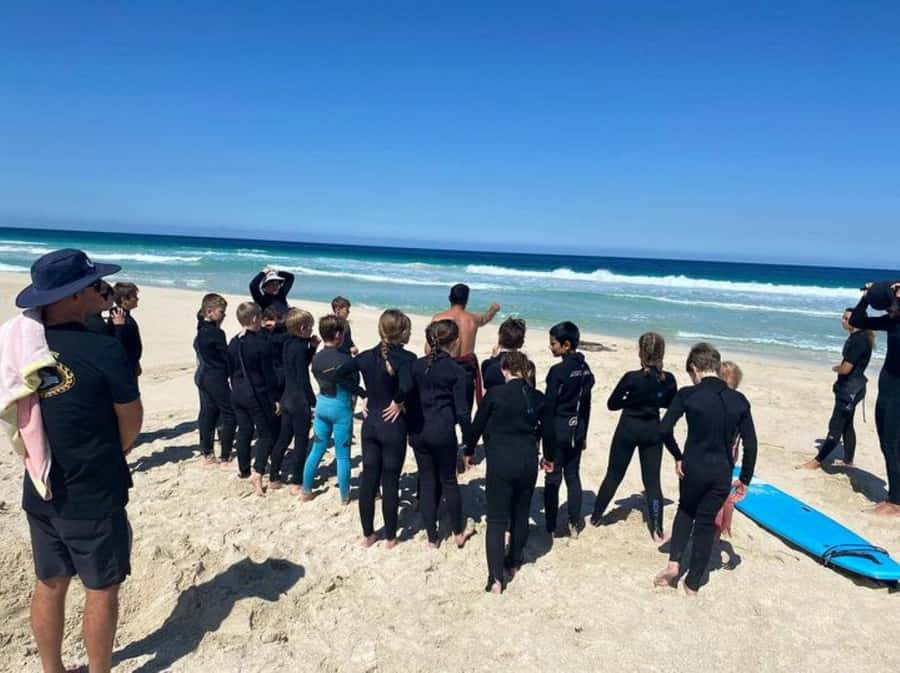
- Private group coaching: instruction geared to your skill level and goals, not a one-size class
- Ocean safety + etiquette: you’ll learn how to behave in the lineup before you chase waves
- Technique basics that matter: paddling, positioning, and wave selection
- Gear included: board and wetsuit provided, plus an instructor to guide you step by step
- Location chosen for the day’s conditions: better odds of getting the right waves for you
- 2 hours is the sweet spot: enough time to learn and try, without turning into a long slog
Private surfing in Margaret River: what $63 buys you in real life
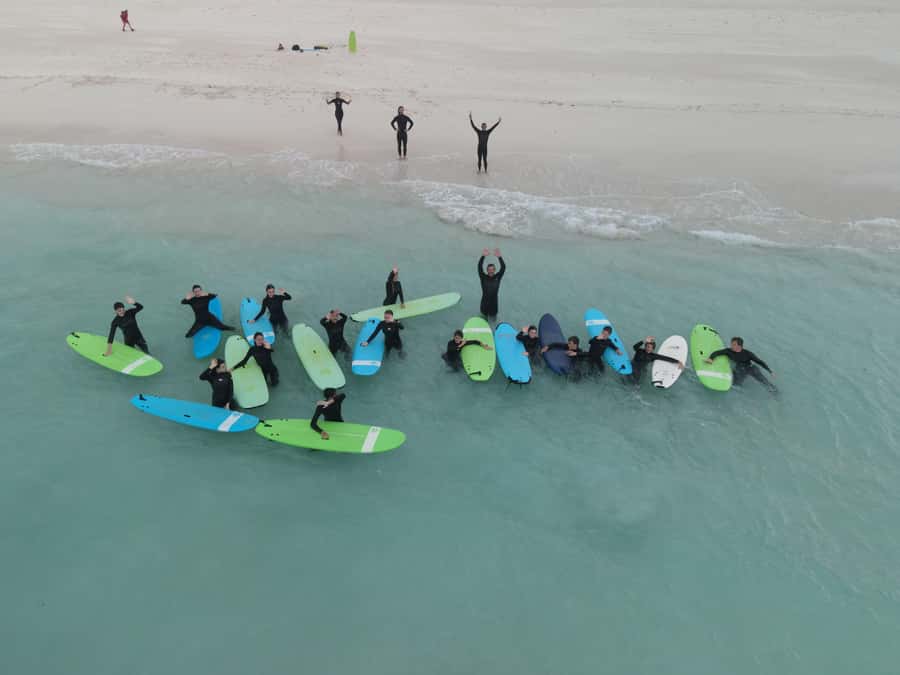
For $63 per person, the value here is all about direct coaching. Surf schools can be fun, but group lessons sometimes mean you spend more time waiting your turn than building your skill. A private setup changes the ratio. You get more feedback, more chances to practice the same idea, and more time spent working on the exact things that are holding you back.
This academy also leans into a structured coaching approach. The school is described as the only one in Western Australia combining professional surf coaching with evidence-based corporate and wellbeing programs. You don’t need to care about that branding to benefit from it. In plain terms, it suggests the coaching isn’t just random yelling and vibes. It’s organized, with focus on confidence, safety, and progress.
The main reason you should take this seriously as a beginner or improver is simple: the lesson is designed to cover both sides of surfing. You learn the physical basics—paddling, positioning, catching waves—and the rules of the ocean environment, like etiquette. That combo makes the whole experience feel less chaotic and more controllable.
If you’re coming as a couple or with your family, the private group format also means you’re not stuck sharing one coach brain with a crowd. You can talk through goals beforehand and then get tailored instruction once you’re in the water.
You can also read our reviews of more private tours in Margaret River


Picking the right beach on the day: how the lesson starts
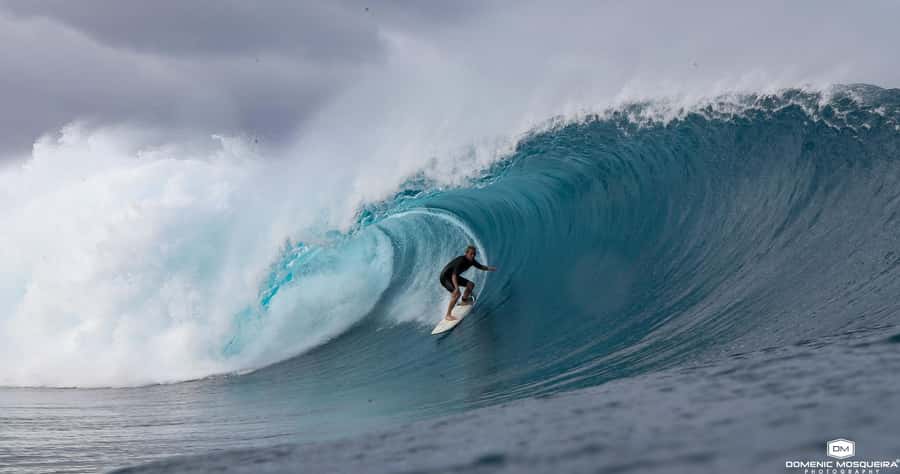
One detail that sounds small but matters a lot: the exact location is chosen based on the conditions. Before you go, the academy contacts you to pick the best spot for that day.
Why that matters:
- Surf quality changes fast. Wind and swell direction can make one beach amazing and the next one not worth the effort.
- Safety changes too. The right conditions help you focus on learning instead of struggling through waves that are too big, too messy, or too crowded.
What you should expect: you won’t show up to a mystery meeting point at random. You’ll get contact before the lesson to coordinate the best location for the day.
Practical tip: keep your schedule flexible enough to handle a location shift. If you plan tight photo stops or long drives right before the lesson, you might feel rushed. Give yourself a little buffer so you can show up calm, ready, and focused.
The 2-hour flow: from safety talk to catching your first rides
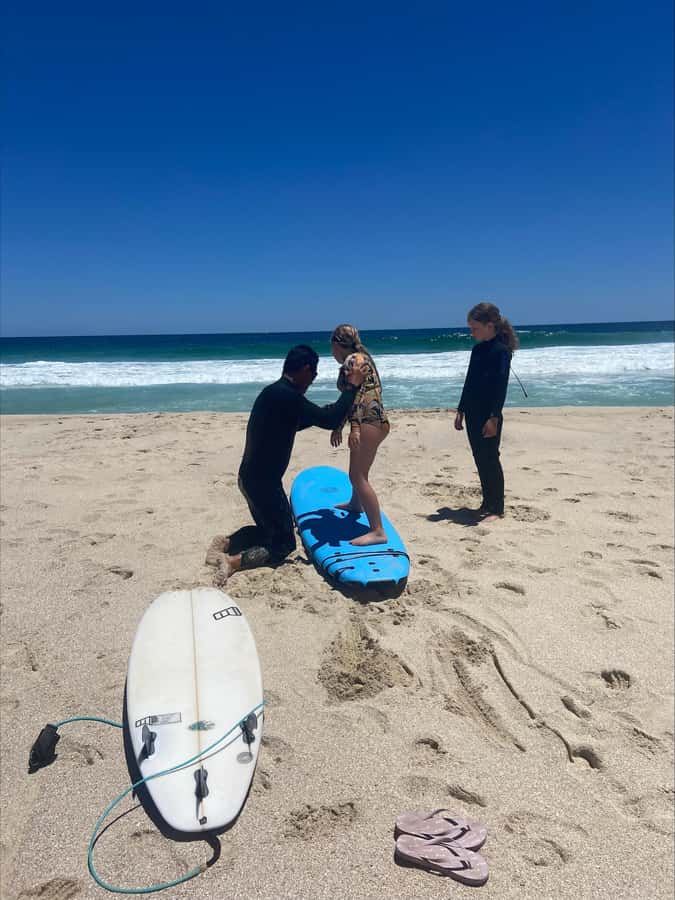
Even without a detailed stop-by-stop itinerary, you can picture the lesson as a logical arc. It’s built to move you from basics to real wave attempts within 2 hours.
Here’s how the session is set up conceptually:
1) Getting geared up and meeting your instructor
You’ll be with your private surf instructor (English-speaking). The lesson starts with getting you sorted: wetsuit and board in hand, then a quick plan for what you’ll work on today.
This early part matters because it sets expectations. If you know what to try next, you don’t burn energy guessing. You also don’t get stuck in that common beginner loop: panic in the water, then frustration when you lose the board.
2) Ocean safety and surfing etiquette
Before you chase waves, you’ll learn ocean safety and etiquette. That typically means understanding how to move through the lineup, what to watch for, and how not to create problems for others in the water.
For beginners, this stage is huge. The ocean is not a swimming pool. Learning how to share space and read basic conditions helps you feel safer, and safer usually means more chances to practice.
A helpful mindset: treat this as the rules of the road for surfing. Once you understand the rules, everything else becomes easier to learn.
A few more Margaret River tours and experiences worth a look

3) Positioning: where you put your body before you paddle
Next comes positioning. This is one of those fundamentals that separates a messy start from an efficient one. You’ll learn where you should be relative to the wave, how to set your body, and how to prepare for paddling.
If you’ve ever watched someone surf smoothly and thought, I don’t get it, it’s often positioning. The board ends up pointing the right way, and your body is in a better spot to make the next step possible.
4) Paddling drills and wave selection
You’ll also cover paddling. Expect instruction that focuses on technique and timing, not just strength. Then you’ll learn how to choose waves worth attempting for your level and goals.
This is where a private coach really helps. If you’re paddling hard but missing your takeoff window, the coach can spot it and give you a fix right away.
5) Catching waves: turning practice into actual rides
The final stretch targets catching waves. The goal is to help you successfully stand or ride depending on where you’re starting from. Since the lesson is tailored to your skill level and goals, the focus can shift:
- True beginners often start by learning how to get to the right spot and paddle effectively.
- If you’re already standing, the emphasis can shift toward cleaner positioning and better wave timing.
Even if you don’t ride every single attempt, the value is that you leave with clear progress points. You’ll know what worked, what didn’t, and what to do next time.
6) Wrap-up and next steps
A good coach ends by reinforcing the key points you need to keep. With a private lesson, the wrap-up tends to be practical: what you should practice, what to avoid, and what your realistic progress goals could be.
One more thing I like about this lesson structure: it’s not just about doing one big moment. It’s about building a small toolkit you can reuse.
Technique breakdown: paddling, positioning, and actually improving fast
You’ll likely hear three words repeated throughout the session: positioning, paddling, and catching waves. That repetition is a good sign. Surf is a chain, and if one link is weak, the whole thing gets wobbly.
Positioning
Positioning is about being in the right place at the right time. If you’re too far up or down the wave, you’ll struggle to catch it at all. If you’re too late, your timing is gone. A private coach can correct these issues quickly.
Ask yourself during the lesson: am I set up early enough? Are my body angles helping or fighting me?
Paddling
Paddling isn’t just brute effort. It’s about coordination and efficiency. You’ll work on paddling technique so your board moves in a way that sets you up for wave takeoff.
If paddling is your weak spot, you’ll feel it fast. That’s not a bad thing. The lesson is built to fix that.
Catching waves
Catching waves blends timing and confidence. The coach tailors the session to your goals, which is important because the perfect wave attempt looks different for every skill level.
A practical approach: focus on a consistent target. For example, aim to get to your takeoff point cleanly. When that improves, the ride part tends to follow.
Who should book this private lesson (and who should rethink it)
This is a great fit if you want a personal coaching experience in the Margaret River region and you prefer learning at your own pace.
It especially suits:
- Couples who want a shared challenge and a guided experience
- Families and small groups who want instruction without waiting around
- Friends who want fun plus real feedback, not just a novelty class
You should think twice if:
- You’re pregnant, as it’s listed as not suitable
- You’re over 95 years, also listed as not suitable
The good news: that’s clear up front, so you can plan honestly instead of wondering if the activity is right for you.
Also, since the instructor is English-speaking and the session is private group, it tends to work well if your group communicates clearly and wants focused instruction.
Gear, comfort, and what to bring so you enjoy the whole session
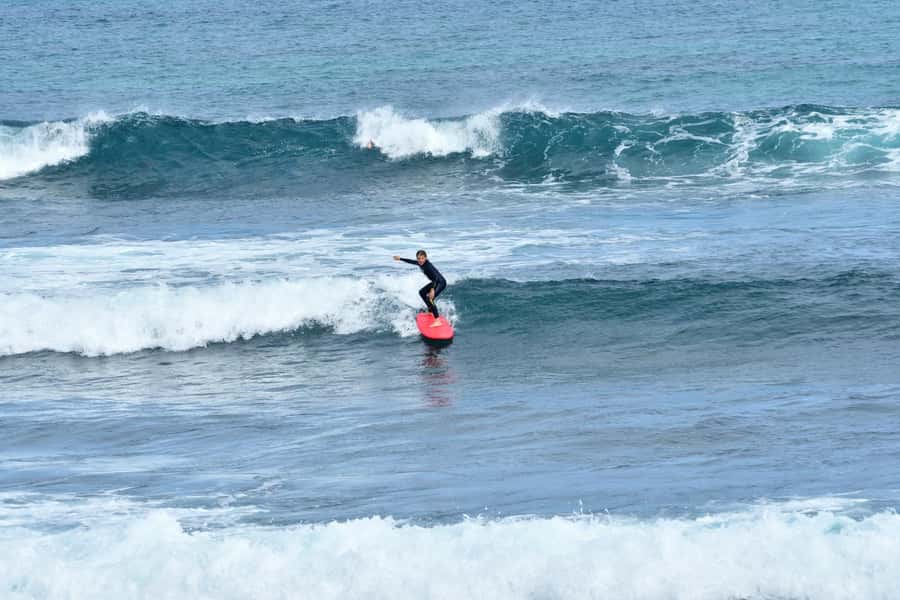
Because the board and wetsuit are included, you don’t have to worry about renting the expensive part. That’s a big value point for visitors who hate hunting down gear on arrival.
Still, bring the basics:
- Towel
- Sunscreen
- Beachwear
Practical note: sunscreen matters even when it looks cloudy. Surf sessions rack up sun exposure fast, and you’ll want to feel good after you’re done.
Also, plan to dress with the reality of wet conditions. You’ll be in the ocean, so comfort and quick changes help you avoid that post-session chill.
Price and value check: is $63 per person fair?
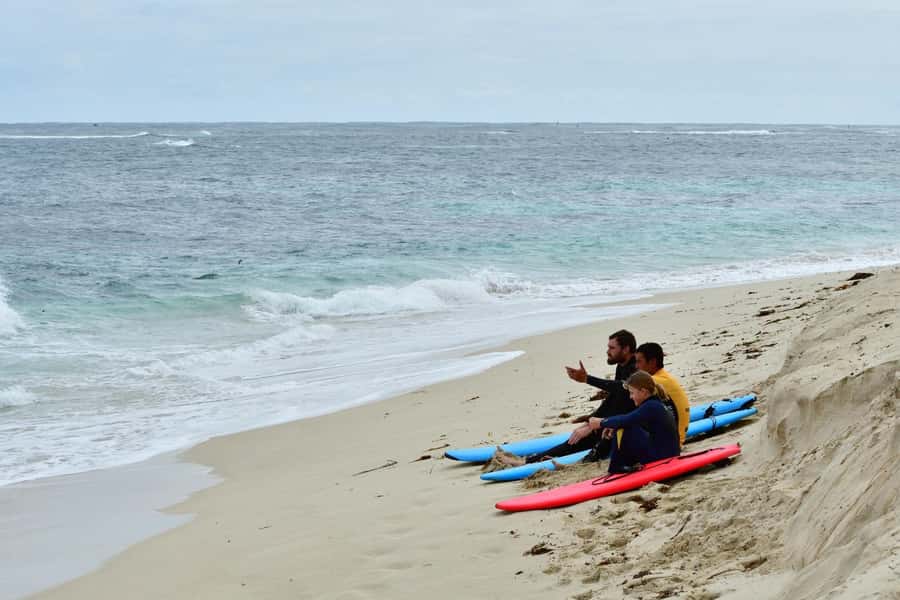
$63 per person for a 2-hour private group lesson isn’t a bargain, but it’s also not out of line when you consider what’s included: instruction from a surf instructor, a board, and a wetsuit.
Here’s the honest value math:
- If you’re a solo beginner, you’re paying for coaching time and gear. Private lessons tend to cost more than group classes because you’re buying focused attention.
- If you’re splitting cost within a small group, the per-person value improves fast because the coaching is shared.
- Most importantly, you’re buying progress. A private lesson is best when it reduces confusion and speeds up your learning curve.
If you’ve already surfed a bit and you know what you want to fix, this kind of session can be efficient. You’re not repeating what you already understand—you’re getting help where you’re stuck.
Final verdict: should you book Margaret River Surfing Academy?
If you want a private way to learn surf in Margaret River with structured coaching, safety-first instruction, and the core gear already included, I’d say it’s a strong choice.
Book it if:
- you’re a beginner who wants clear fundamentals and confidence
- you want better odds of catching waves sooner
- you prefer small-group attention over crowded lessons
- you’re traveling with family or a partner and want the session to fit your group
Skip it or choose something else if:
- you need a fixed, guaranteed beach location regardless of conditions
- you’re not comfortable with the activity being listed as not suitable for pregnant women and people over 95
- you’re hoping for a long, day-long surf adventure rather than a tight 2-hour skill session
For most people looking for a smart first step into surf—or a faster way to improve—this is the kind of lesson that makes the ocean feel less mysterious.
FAQ
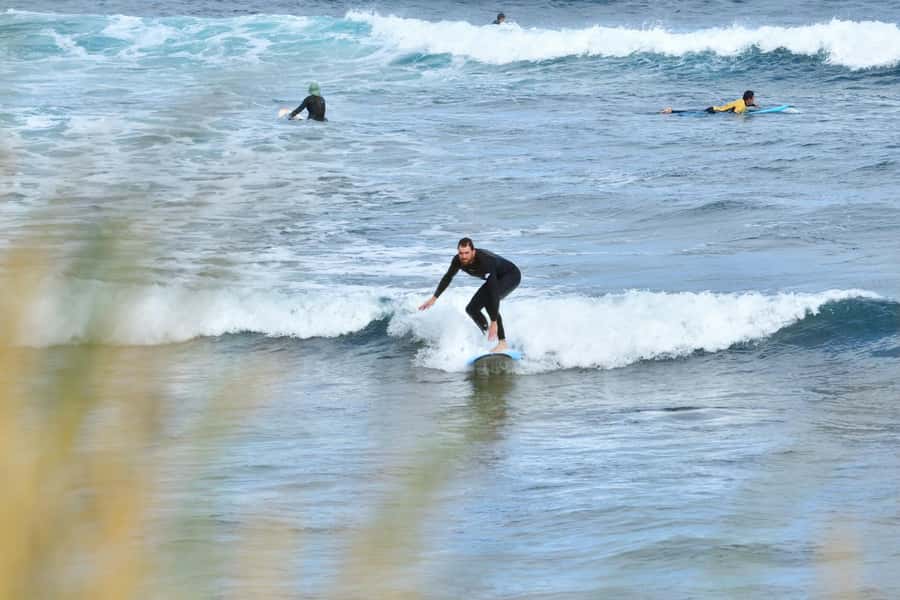
How long is the private surfing lesson?
The session runs for 2 hours.
How much does it cost?
The price is $63 per person.
What’s included with the lesson?
You get a board, wetsuit, and a private surf instructor. A location choice is also included based on conditions.
Where do we meet for the lesson?
You’ll be contacted before the lesson to choose the best location suited to the conditions on the day.
What should I bring?
Bring a towel, sunscreen, and beachwear.
Is the instructor English-speaking?
Yes, the instructor is listed as English.
Is this activity suitable for everyone?
It is not suitable for pregnant women, and it’s also not suitable for people over 95 years.
What cancellation options are available?
Free cancellation is offered up to 24 hours in advance for a full refund.