REVIEW · MARGARET RIVER
Margaret River Wines: Taste the Iconic Wines of Howard Park
Book on GetYourGuide →Operated by Howard Park Wines · Bookable on GetYourGuide
Three tastes, one hour, no rushing.
At Howard Park Cellar Door in Western Australia, this tasting is built around Icon wines from both Margaret River and Great Southern, including the Abercrombie Cabernet Sauvignon, Allingham Chardonnay, and A.S.W. Cabernet Sauvignon Shiraz. I especially like the calm, well-kept vineyard setting that makes the whole stop feel unhurried, and I also like that you get a seated, guided format with six pre-selected samples (Howard Park plus Marchand & Burch ranges) rather than a free-for-all. One drawback to consider: if you’re the type who asks lots of technical questions, you may find the Q&A level depends on the day and the staff member, so come with a few focused questions and keep expectations grounded.
If you care about small-batch wine history, this is the angle. You’ll be offered limited-release and museum cellar bottles alongside the Icon lineup, and the exact wines and vintages change regularly based on what’s available. With a 1-hour duration and a private group setup, it’s a good match if you want value without turning your day into a full wine-country marathon.
In This Review
- Key Points Before You Go
- A Seated Hour at Howard Park Cellar Door
- What Six Pre-Selected Samples Really Means for Your Wine Tastebuds
- Margaret River vs Great Southern: The Comparison You’ll Actually Notice
- The Icon Wines: Why These Three Bottles Matter
- Museum Cellar and Limited Releases: What Makes This Feel Different
- How the Guide Changes the Quality of Your Hour
- Price and Value: Is $28 for Six Pours a Fair Deal?
- Who This Tasting Fits Best (and Who Might Want Another Option)
- Should You Book This Howard Park Tasting?
- FAQ
- Where does the tasting meet?
- How long is the wine tasting?
- What’s included in the tasting?
- Do you taste Icon wines and museum or limited releases?
- Can I expect wines and vintages to stay the same?
- Is the tour private and wheelchair accessible?
- What’s the price and cancellation terms?
Key Points Before You Go
- Icon Wines included: Abercrombie Cabernet Sauvignon, Allingham Chardonnay, and A.S.W. Cabernet Sauvignon Shiraz are part of the experience.
- Two regions, one comparison: you’ll taste from both Margaret River and Great Southern varietals.
- Museum and limited releases: you may try bottles only available at Howard Park, drawn from a cellar spanning over three decades.
- Six pre-selected samples: your tasting is structured around 6 pours with explanations from the guide.
- Small quantities each vintage: Icon wines are limited, so you’re tasting something that’s not produced in huge numbers.
- English guide, private group: easier conversations and a more controlled pace than many big tours.
A Seated Hour at Howard Park Cellar Door
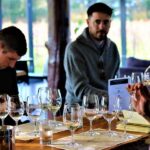
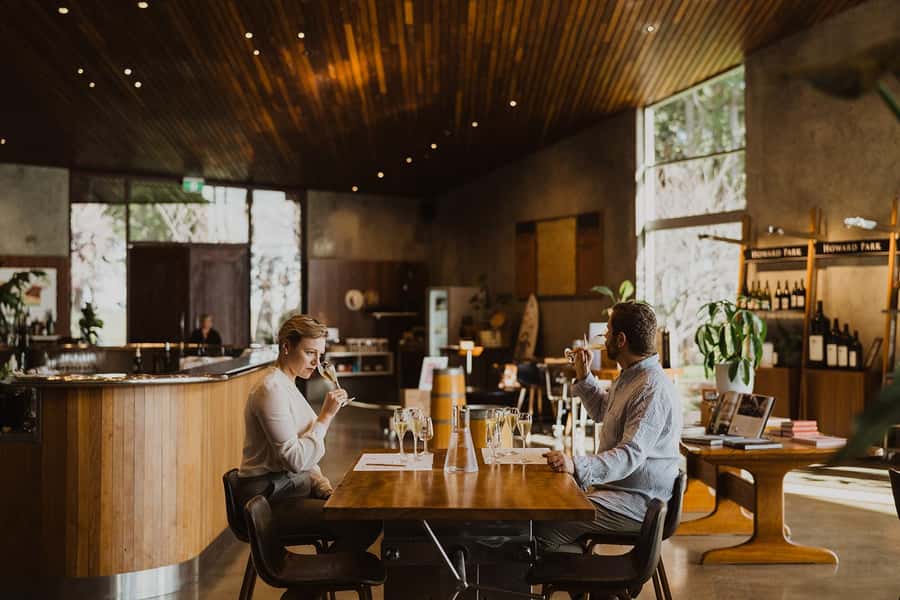
This is a straightforward, one-stop wine experience: you show up at Howard Park Cellar Door, get seated, and spend the next hour tasting and learning in a tight, guided format. That matters because a lot of wine tastings turn into standing around, trying to read labels, and hoping someone explains what you’re drinking. Here, the pacing is built for sitting, sipping, and comparing.
The private group setup also helps. Instead of being swallowed by a large group dynamic, you can usually follow the guide’s flow and ask at least a couple of questions without feeling rushed. And because it runs in English with a live tour guide, you’re not stuck piecing things together from signage.
The other practical plus: you’re not locked into a giant day plan. A 1-hour tasting is ideal if you’re spending your time doing other Margaret River activities and still want a proper winery stop with actual samples—not just a quick glass.
You can also read our reviews of more wine tours in Margaret River
What Six Pre-Selected Samples Really Means for Your Wine Tastebuds
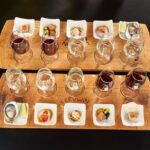
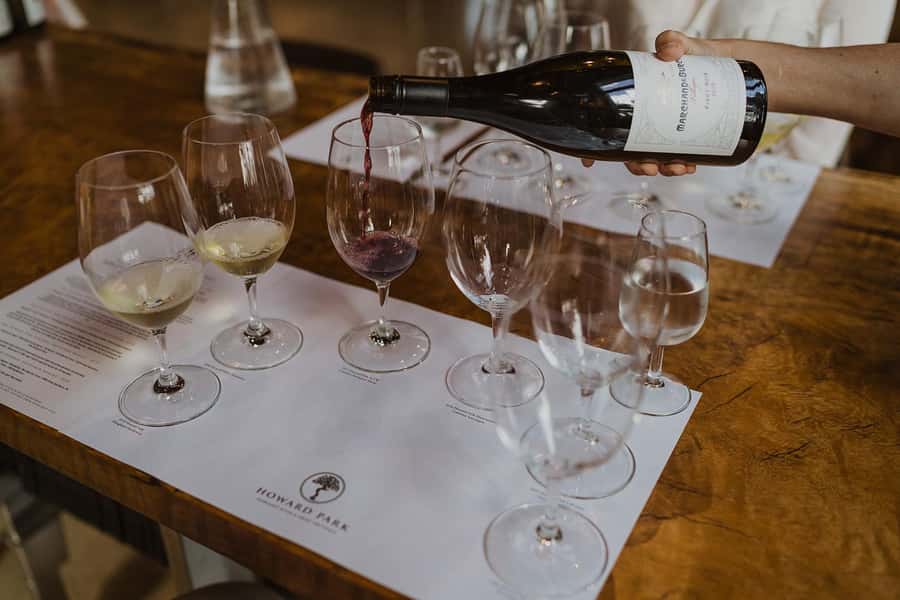
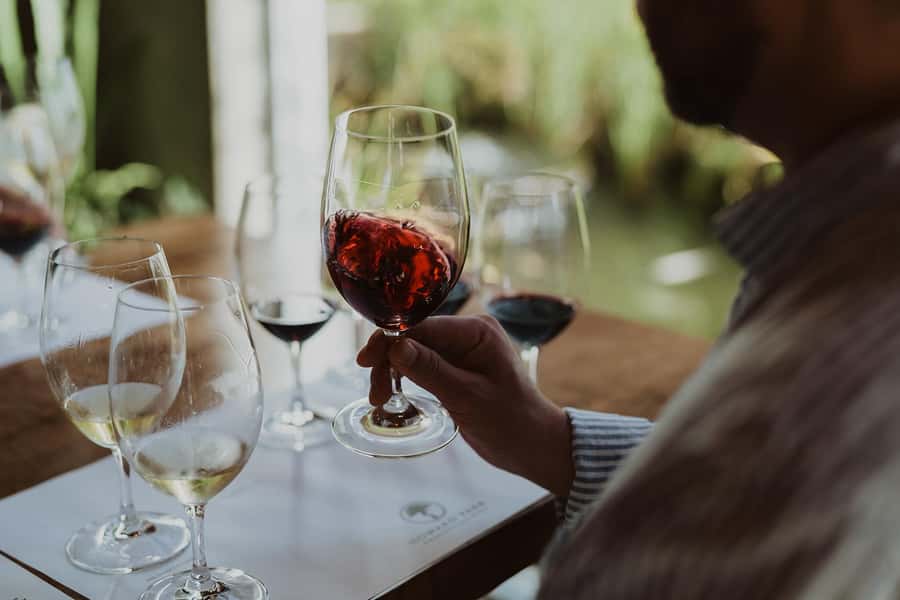
The tasting includes 6 pre-selected samples from the Howard Park and Marchand & Burch ranges, with in-depth descriptions from the staff. That detail sounds simple, but it’s a big deal for value.
When tastings are “open-ended,” you often end up choosing based on labels or price, then you miss the chance to learn how different styles relate. Here, the selections are planned. You’re guided through a lineup that’s meant to show off Howard Park’s house style and their regional range, rather than leaving you to guess what to taste next.
Also, because the wines and vintages change regularly, this isn’t a “memorize the menu” type of tour. The payoff is that each visit can feel like its own mini snapshot of what’s available from that limited lineup.
A practical tip: if you have preferences (more red vs. white, or you like Cabernet vs. Shiraz), it’s worth noting that early in the tasting so the guide can frame the comparisons in a way that matches what you care about.
Margaret River vs Great Southern: The Comparison You’ll Actually Notice
One of the strongest reasons to choose this tour is the structured comparison between Margaret River and Great Southern varietals. You’re not just tasting six wines—you’re tasting a point of view: how Howard Park approaches grapes from two key regions in Western Australia.
In practical terms, this means you get a chance to notice how the glass shifts when the wine’s origin shifts. Even if you’re not a “wine notes” person, you’ll likely spot differences in:
- fruit character (how forward it feels in the glass)
- texture (how the wine sits on your palate)
- balance (how acidity and tannin show up)
And if you’re already a bit wine-nerdy, the comparison format gives you something to latch onto quickly. You can focus on a grape style you recognize, then ask your own questions like: Does the region lean more elegant or more powerful? Does one feel better suited to food? That’s where tastings become useful, not just enjoyable.
The Icon Wines: Why These Three Bottles Matter
The headliners here are the Icon wines, and the tour is built around the idea that only a small number are made each vintage. That “limited production” detail is important because it changes how you should think about the experience.
When a winery produces a small number of bottles, the winemaking choices often get treated as signature statements, not just one more item in a lineup. Here, the Icon wines specifically named for this tasting are:
- Abercrombie Cabernet Sauvignon
- Allingham Chardonnay
- A.S.W. Cabernet Sauvignon Shiraz
Even if you don’t know those labels yet, you can use the lineup like a cheat sheet for understanding Howard Park’s range. You’re comparing:
- a Cabernet-led wine (Abercrombie)
- a Chardonnay style (Allingham)
- a Cabernet + Shiraz blend anchored in Cabernet Sauvignon character (A.S.W.)
That’s a smart set of headliners because it covers both red structure and white clarity. It also gives you a fast way to see what the winery chooses to emphasize. If you like reds with backbone, the Cabernet lineup will likely catch your attention. If you prefer whites with more depth than simple fruit-forward style, the Chardonnay sample can be a quick reality check.
One more thing to keep in mind: because vintages and specific bottles can change with availability, the “flavor memory” you build here might not be repeatable exactly. Treat it as learning the style and approach, not collecting a perfectly consistent profile.
Museum Cellar and Limited Releases: What Makes This Feel Different
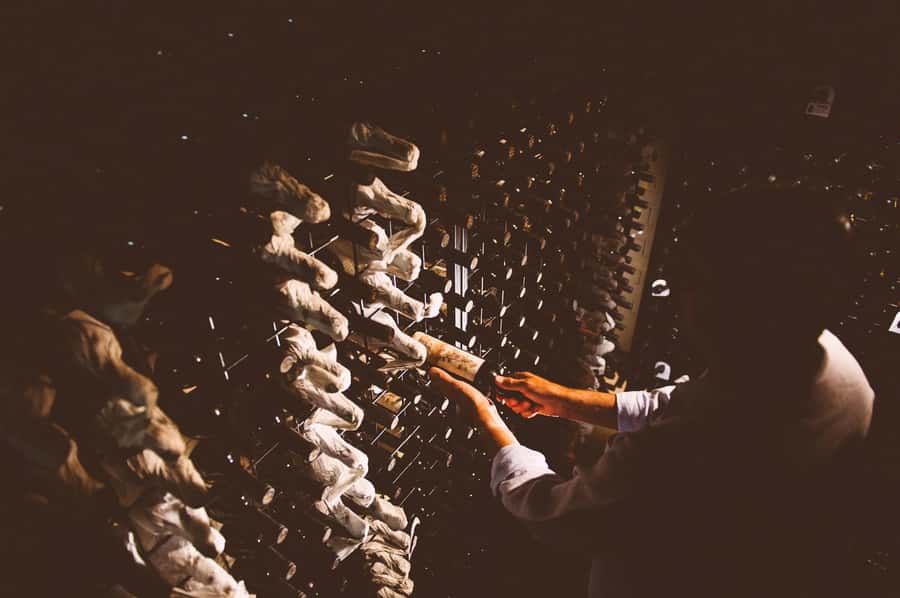
Most cellar doors will offer current releases. This one adds another layer: museum and limited release wines that are only available at Howard Park. The tasting includes examples drawn from a museum cellar holding over three decades of history.
This is where the experience can feel more meaningful than a typical tasting flight. Old-vintage wines are a different kind of classroom. You’re not only tasting fruit—you’re tasting how wine evolves with time: how aromas soften or transform, how structure changes, and how flavors shift from youthful intensity toward integrated complexity.
Now, a key reality check: the specific museum bottles are not fixed in advance, and vintages will change based on what’s available. That means you shouldn’t plan this as a “I must try bottle X” appointment. Instead, plan it as a rare chance to taste wines you likely couldn’t buy elsewhere, at least not through ordinary retail.
If you’re a collector mindset person, this is still worth it even without certainty on exact bottles. You’ll be sampling from a story the winery is protecting by keeping these releases tied to the cellar door experience.

How the Guide Changes the Quality of Your Hour
This tasting is guided, and it’s presented as friendly and staff-led, with in-depth descriptions. In a perfect world, the guide will do two things well:
1) explain what you’re tasting in plain language
2) help you connect flavors to decisions the winemaker made
Here’s the one caution I’d take seriously: one downside signal you should factor in is that the level of detail in staff explanations can vary. If you like to ask questions and push into specifics, ask early and listen for whether the answers feel grounded in real technical detail.
A practical way to get more value from the hour:
- Start with a question about the lineup you’ll taste most (Icon wines or the region comparison).
- Ask how the style tends to change across vintages, since vintages can change regularly for this tasting.
- If you’re tasting the Cabernet Sauvignon Shiraz blend, ask what winemaking choices make the blend work as a single voice rather than two separate grapes.
Even if the guidance is more casual than technical, you’ll still get a structured set of pours. But if you’re specifically chasing expert-level conversation, it’s smart to bring intent into the tasting rather than expecting it to happen automatically.
Price and Value: Is $28 for Six Pours a Fair Deal?
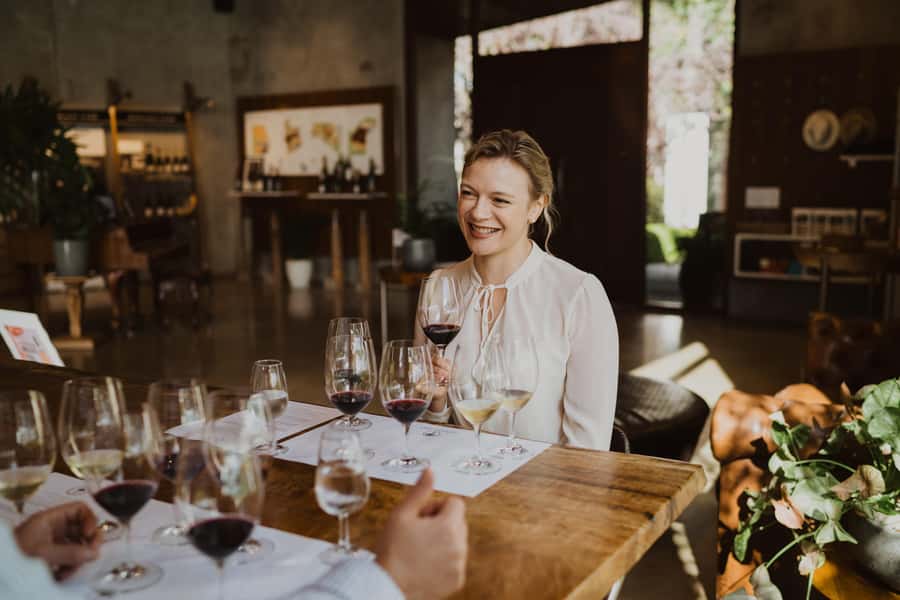
At $28 per person for a 1-hour, guided seated tasting, you’re paying for structure plus access to rarer wines. The math is pretty simple: you’re getting six samples plus the chance to taste Icon wines and museum/limited releases tied to Howard Park.
The value part isn’t only the number of glasses. It’s the access. Icon wines are made in small quantities each vintage, and the museum cellar concept implies you’re trying bottles that you wouldn’t casually stumble into on a wine shop shelf. That combination is what turns the price from “just another flight” into a more special stop.
Where the value can feel different is if your expectations are purely entertainment or purely deep technical education. If you want heavy nerd talk every step of the way, you might feel shortchanged depending on how the guide answers questions. If you’re happy to taste and learn at a comfortable pace, the price looks more reasonable quickly.
Also, with a private group format, the experience is easier to manage in your day. If you’re doing Margaret River wine country touring, saving time and keeping things organized often matters more than people think.
Who This Tasting Fits Best (and Who Might Want Another Option)
This works especially well if:
- you want a focused 1-hour winery stop without a full day commitment
- you like the idea of comparing Margaret River and Great Southern styles side by side
- you’re curious about Icon wines and want the small-vintage story that comes with them
- you enjoy the concept of museum/limited releases and tasting wine evolution over time
It might be less ideal if:
- you expect a high-pressure, ultra-technical seminar vibe
- you’re hunting a guaranteed list of exact bottles and vintages (since those change regularly with availability)
If you’re traveling as a couple, a small group, or even solo, the private setting can make this a calm, worthwhile break in your schedule.
Should You Book This Howard Park Tasting?
Book it if you want an efficient, seated way to taste Howard Park’s signature range, including Icon wines and access to museum/limited bottles at the cellar door. The region comparison adds real learning value, and the structure around six pre-selected samples keeps the hour from feeling random.
Skip it or consider another option if you need a consistently deep technical dialogue on every topic. In that case, plan to ask your key questions early and keep your expectations realistic about how detailed the explanations may get within a short time.
One more decision tool: if you’re price-sensitive, this is still likely a fair spend because you’re not just buying a tasting flight—you’re getting access to wines tied to Icon production and a cellar-history angle that many tastings don’t include.
FAQ
Where does the tasting meet?
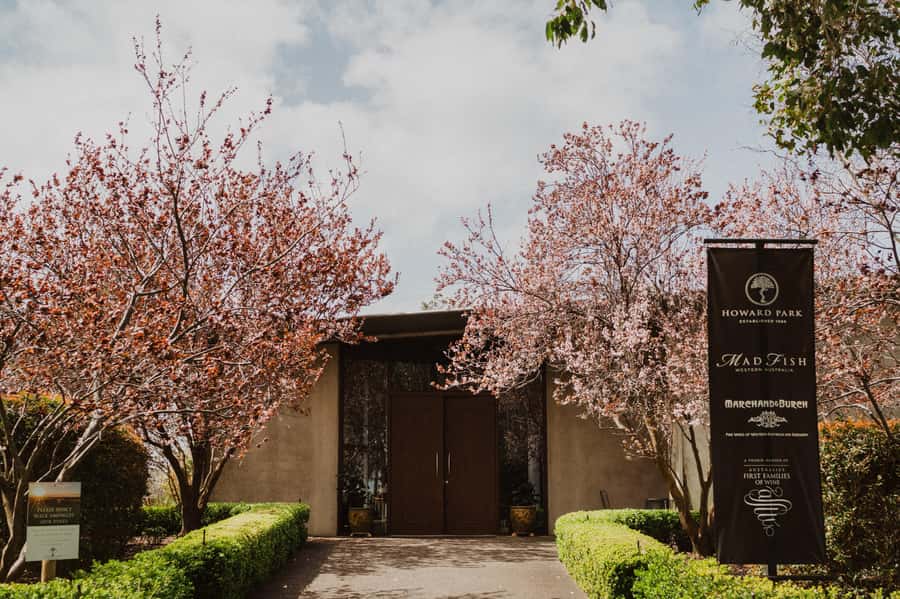
The meeting point is Howard Park Cellar Door.
How long is the wine tasting?
It lasts 1 hour.
What’s included in the tasting?
You get 6 pre-selected samples of wine from the Howard Park and Marchand & Burch ranges, with in-depth descriptions by a guide.
Do you taste Icon wines and museum or limited releases?
Yes. The tasting is designed to include Icon wines and museum and limited release wines available only at Howard Park.
Can I expect wines and vintages to stay the same?
No. Wines and vintages change regularly and are subject to availability.
Is the tour private and wheelchair accessible?
It’s a private group experience and it is wheelchair accessible.
What’s the price and cancellation terms?
The price is $28 per person, and you can cancel up to 24 hours in advance for a full refund.