REVIEW · PERTH
From Perth: Perth Wildlife Tour Under the Stars with Dinner
Book on GetYourGuide →Operated by Quokka Adventure Tours · Bookable on GetYourGuide
Native animals feel different at night.
This Perth wildlife tour takes you from the city’s edges to Dryandra Woodlands, then back into the dark for a guided Barna Mia nocturnal experience with dinner in between.
I really like the pacing here. You get daylight scanning for animals in the conservation reserve, then a proper picnic-style BBQ meal in the trees, with salads, cheese and biscuits, and hot and cold drinks. I also like the structured night focus at Barna Mia, where guides (like Skip, who’s seen plenty of the area’s mammals) set expectations before you wait and listen for activity.
One drawback to plan for: the tour price covers transport, guide, and dinner, but Barna Mia entry fees aren’t included. That’s an extra cost on top of $109, plus you’ll be walking on natural terrain at night, so bring warm clothes and comfy shoes.
In This Review
- Key things I’d put on your radar
- From Perth to the wheatbelt: why the journey matters
- Dryandra Woodlands in daylight: short walks, real conservation country
- Picnic dinner in the forest: BBQ comfort between the sightings
- The forest at dusk: kangaroos, long shadows, and photos
- Barna Mia nocturnal experience: your best shot at the endangered stuff
- Stargazing near the outback: when the sky turns into the main event
- Price and value: what you’re paying for (and what costs extra)
- What to bring (and what to skip) for a comfortable night
- Who this Perth wildlife night tour suits best
- Should you book this tour?
- FAQ
- What is the duration of the Perth Wildlife Tour Under the Stars with Dinner?
- Is dinner included in the tour price?
- Is entry to Barna Mia included in the $109 price?
- What kinds of animals does the tour focus on?
- When does the night walk happen?
- Do I need warm clothing?
- What should I bring?
- Is the tour suitable for mobility impairments?
Key things I’d put on your radar
- Dryandra Woodlands wildlife drive for sunset light and lots of chances to spot kangaroos near the trees
- Forest picnic BBQ with wine, salads, cheese and biscuits, and hot drinks
- Barna Mia nocturnal night walk focused on endangered mammals and conservation work
- Animal-focused timing that shifts from daytime viewing to night-life waiting rather than rushing
- Stargazing near the outback with a chance to see the Milky Way in season and spot satellites
From Perth to the wheatbelt: why the journey matters
This is a real day out of Perth, built around the idea that wildlife watching isn’t just about one stop. You’ll leave the city in a small group (pickup from a long list of hotels and meeting points), and the drive is part of the experience.
Right away, you’ll roll past the Swan River area for a quick scenic stretch. Then you head southeast through Western Australia’s wheatbelt region before you reach Dryandra Woodlands. As you travel, the scenery shifts from native forest edges to broad open farmland—exactly the kind of “animal landscape” that can change what you see. Emus and kangaroos are often active in open spaces, so the route is designed to put you in the right viewing zones as the day progresses.
Practical note: it’s about a 10-hour overall day, with a couple of driving segments that add up. If you hate sitting in a van, you’ll still be fine here because the guide keeps the day moving—talking animals, habitat, and what you’re likely to spot next.
A few more Perth tours and experiences worth a look

Dryandra Woodlands in daylight: short walks, real conservation country
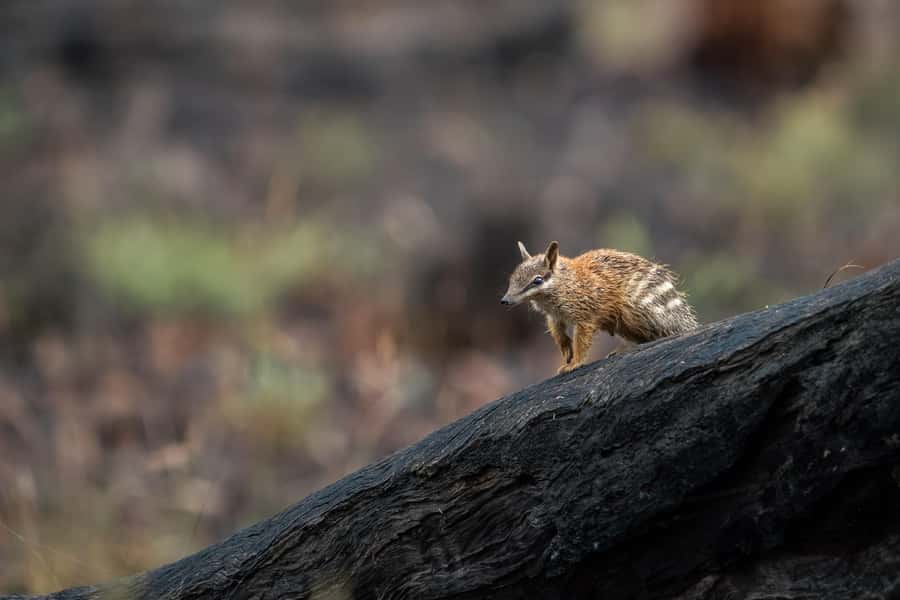
When you arrive at Dryandra Woodlands, the day turns into a wildlife-style mission. You’ll start with a short bush walk where you’re looking and listening, not sprinting. This matters because animals in conservation areas often show up as you slow down and pay attention to movement, sound, and where food and shelter are.
Dryandra is a conservation reserve tied to an international biodiversity hotspot. That’s not just a fancy label—it’s why the area is protected and managed for native mammals, including small marsupials and other night-focused species that you’d miss on your own.
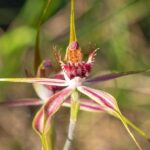
This is also where wildflowers can come into the picture when they’re in season. So even if the animal sightings are quiet at first, you’re still moving through a landscape of color and texture, and your guide can help you interpret what you’re looking at.
What I like about this part: it gives you momentum early. You’re not waiting until nighttime to start seeing wildlife potential, and you’re building awareness of the terrain before the forest turns dark.
Picnic dinner in the forest: BBQ comfort between the sightings
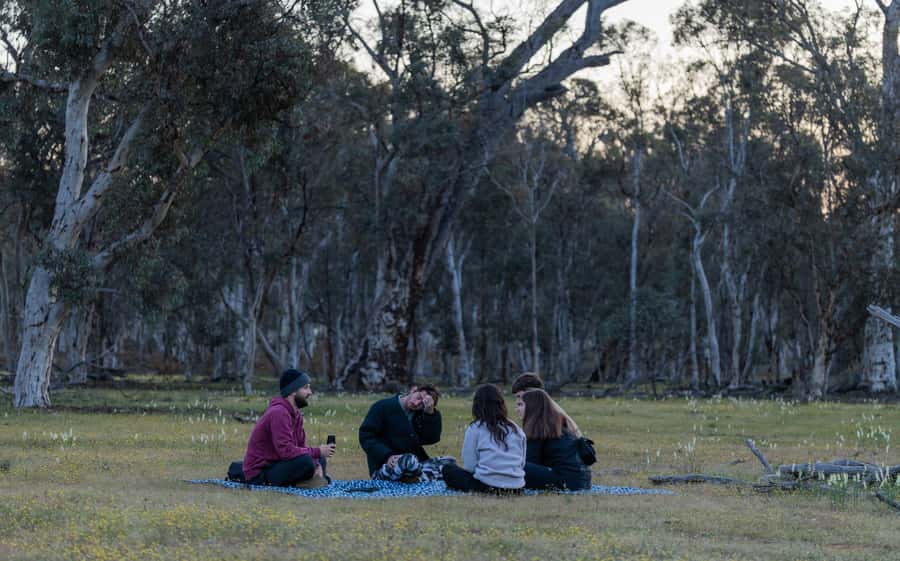
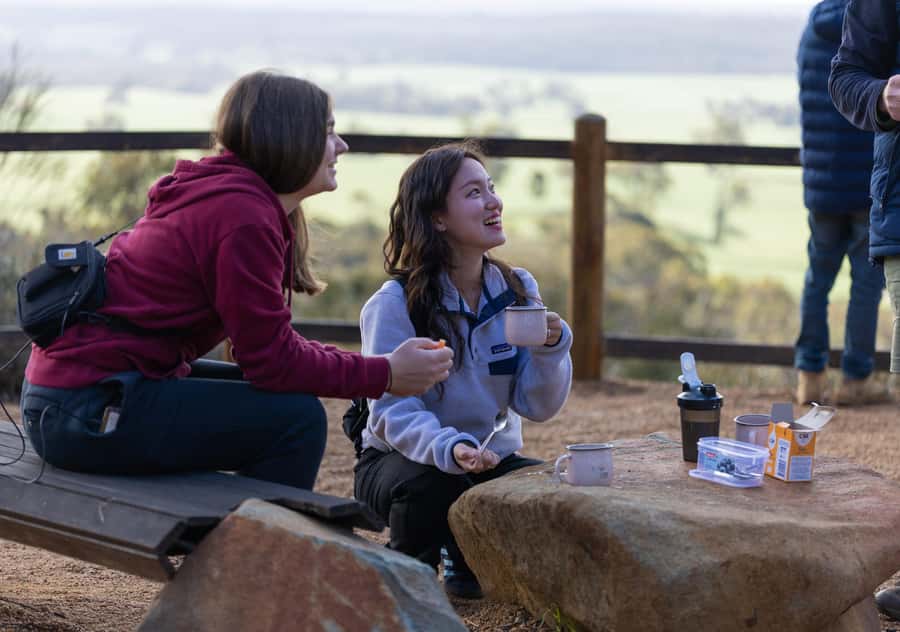
The best way to think about the meal here is simple: it’s not a rushed stop. You get picnic dinner in a secluded forest spot, with a BBQ cooked on-site plus fresh salads, cheese and biscuits, and drinks. There’s wine available, along with hot drinks, which is a big deal when evening temperatures cool down.
This meal serves two purposes. First, it keeps you comfortable for the next leg of the evening without having to track down food. Second, it’s timed so you can watch the environment without feeling like you’re stuck waiting for night.
If you’re picky about food: the tour is built around practical, shareable fare. BBQ plus salads and sides is an easy win on a long day. And because it’s eaten outside, you’re still in “watch mode” while you eat.
One small consideration: because it’s outdoors, bring a hat and water earlier in the day, and expect the air to feel different once sunset hits. Your warm layer will be your friend later.
The forest at dusk: kangaroos, long shadows, and photos
After dinner, the tour shifts to evening viewing. You’ll go for a scenic drive through the forest as sunlight filters through branches, creating long shadows and a flickering effect on the forest floor. This is the moment when kangaroos often start feeling more active near the edges of the trees.
The guide will keep you scanning as the light changes. The goal isn’t just to see kangaroos in the distance—it’s to watch their movement as they dodge and weave through the trees and undergrowth. That kind of close-by action tends to be more common around the transition into night.
Then you’ll have time for a photo stop back in the Dryandra area. Twenty minutes might sound short, but it’s usually enough for phone and camera shots if you use it smart: stand still, don’t block others, and aim for timing—darkening skies and the contrast between tree trunks and open patches.
Photo tip that actually helps: take a few test shots early, check your focus, then commit. Dusk light changes quickly, and you’ll waste time fiddling if you wait until the perfect moment.
Barna Mia nocturnal experience: your best shot at the endangered stuff
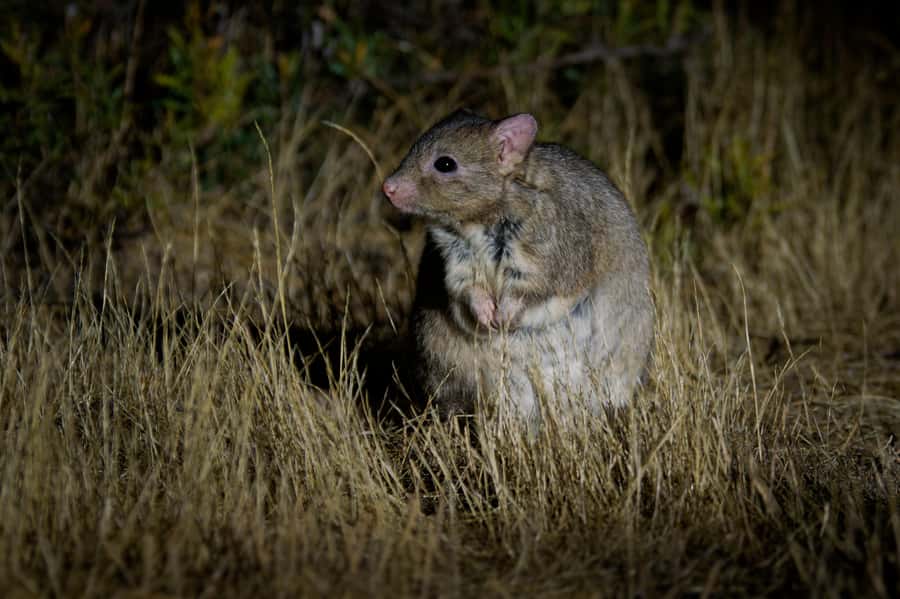
This is the heart of the tour for most people. Barna Mia is a wildlife sanctuary dedicated to endangered native mammals, and the evening here is intentionally staged.
First you’ll get a short conservation talk and a video introduction so you know what the sanctuary is doing and what animals you’re likely to encounter. Then you move into the sanctuary for a guided night walk. The key detail: you sit and wait for night creatures to appear. That waiting is not wasted time—it’s how you increase your odds of actually seeing animals that are quiet, quick, and easily spooked.
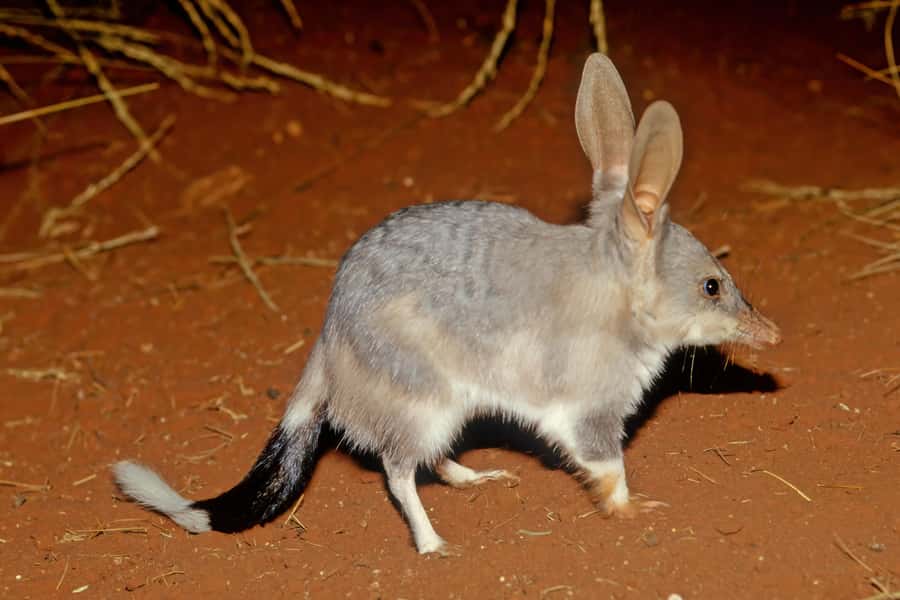
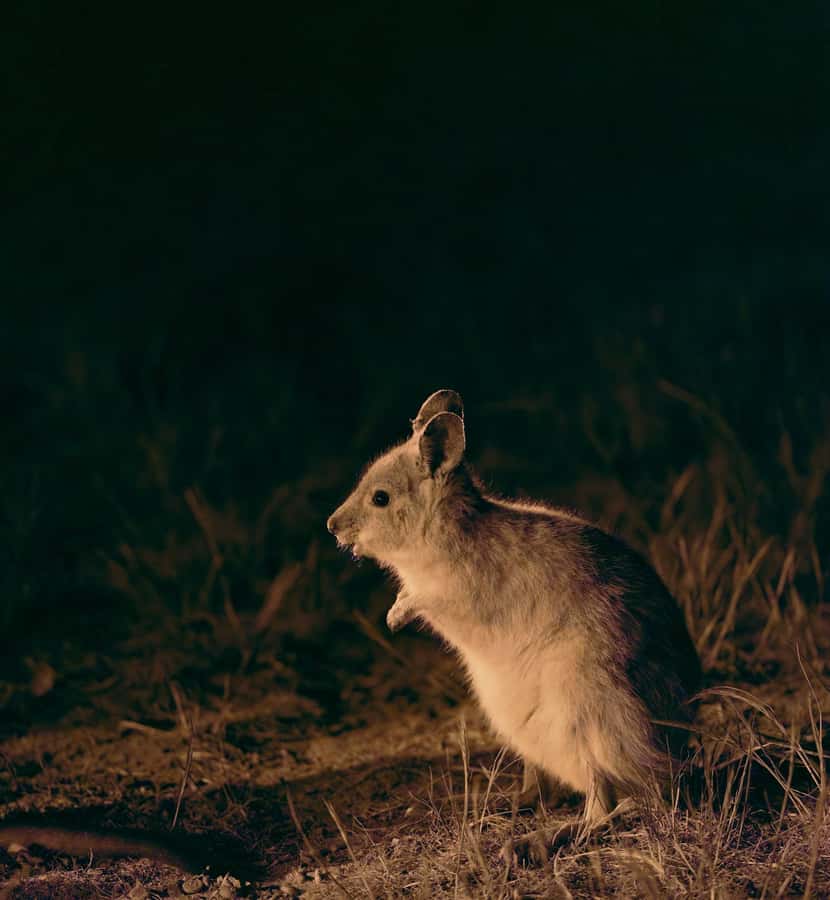
This is where names start to matter. The tour is designed around species such as the Dancing Hare (Mala), the Woylie, and the kind of small, elusive mammals that most visitors only ever see in books or online videos. You may also see animals like the Bilby and the fat-tailed Boodie depending on the night’s activity and sightings.
I like this part because it feels ethical and purposeful. It’s not a grab-bag of random stops. You’re in a conservation setting, and the guides use the night-walk format to help you see animals without turning it into chaos.
What to expect in real life: night photography can be tough. So if you’re serious about photos, be patient and ready for short bursts of action. If you’re more interested in the moment itself, it’s still great—watching small marsupials scurry about searching for food is a totally different vibe than daytime wildlife spotting.
A few more Perth tours and experiences worth a look
Stargazing near the outback: when the sky turns into the main event
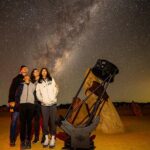
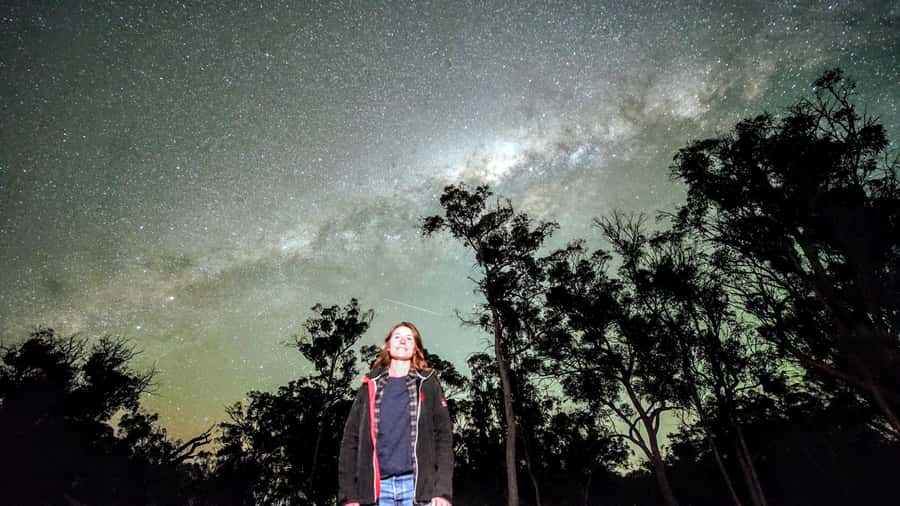
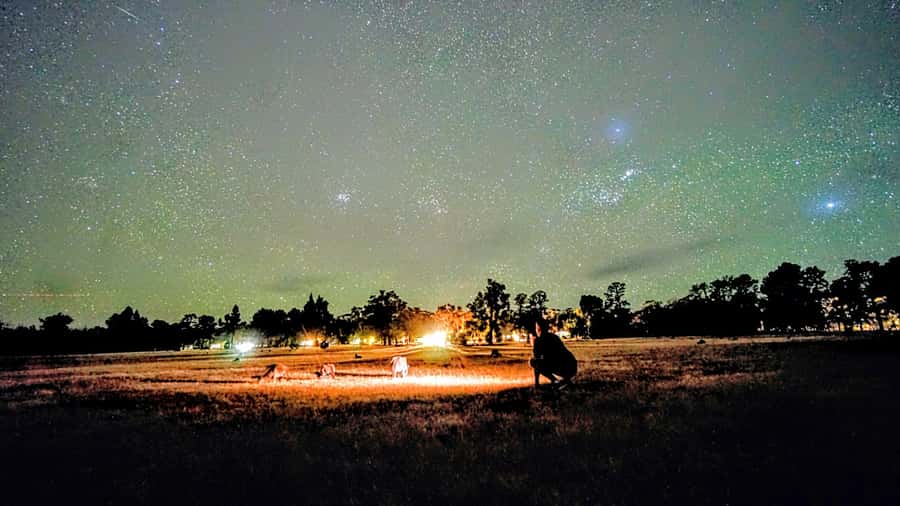
To finish, there’s a brief stop near a farmers field to look at the stars. The outback area around Dryandra has some of the darkest night skies in Australia, which is why the night-sky portion can be more than just a quick glance.
If timing matches the season, you might see the Milky Way. You’ll also have a chance to take photos or use your phone for night shots. Keep an eye out for satellites—there’s a chance you’ll spot them moving steadily compared with the fast flicker of shooting stars.
This part works best if you slow down. Don’t stay hunched over your screen. Give your eyes a minute to adjust. The sky pops more once your vision catches up.
Price and value: what you’re paying for (and what costs extra)
At $109 per person, this tour is priced around a bundle: transport from Perth, a live guide, and a full outdoor dinner setup. You’re also paying for the specialized experience at Dryandra and Barna Mia—especially the guided night walk, which is the value engine of the day.
But you do need to budget for one big extra line item: Barna Mia entry fees. Those are $25 for adults, $19 for student or pensioner concession, and $14 for children (and the family entry is listed as $60 for 2 adults and 2 children). So an adult’s all-in cost is typically $109 + $25, or $134 before any personal items.
Here’s how I’d judge the value for your money:
- If you want wildlife without doing all the driving and planning yourself, the transport + guide bundle is strong.
- If you care mainly about the night walk at Barna Mia, know that’s where the extra entry fee comes in.
- If you’re on a strict budget, the add-on might feel like a surprise—so plan for it early.
The good news: the dinner is included in the tour price, and that meal alone saves you from figuring out food in the outback.
What to bring (and what to skip) for a comfortable night
This tour asks you to be outdoors for long stretches and walk on natural terrain. So pack for comfort and temperature swings, not just “wildlife gear.”
Bring:
- Comfortable shoes (you’ll be walking through natural terrain)
- Warm clothing for the cooler night air
- A hat
- Camera or phone
- Sunscreen and water earlier in the day
- Insect repellent (advised due to the environment)
Know what’s not allowed:
- Luggage or large bags
- Feeding animals
- Non-folding strollers or wheelchairs
If you’re bringing a phone for photos, keep the battery topped up earlier. Night viewing can drain power fast, especially if you’re using the camera repeatedly.
Who this Perth wildlife night tour suits best
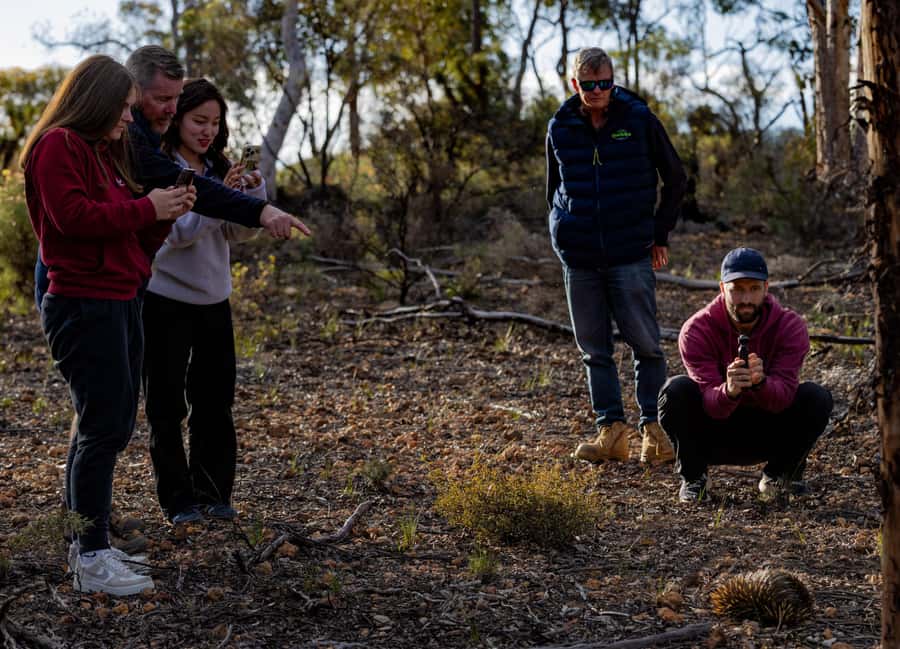
This is a great fit if you:
- Want native animals in a conservation-focused setting, including night-focused mammals
- Prefer a guided day plan instead of driving yourself through unfamiliar terrain after dark
- Enjoy outdoor meals and don’t mind being a bit cold once the night walk starts
It may not be your best match if:
- You have mobility limitations. The tour notes it isn’t suitable for people with mobility impairments due to natural terrain and walking requirements.
- You hate longer drives. The trip includes several scenic segments, so you’ll spend meaningful time in the minibus.
If you’re the type who loves small details—trackable behavior, animal movement, the shift from dusk light to full dark—this kind of pacing will feel satisfying.
Should you book this tour?
I’d book it if your ideal Perth day includes two things: a serious chance at nocturnal wildlife and a night-sky finale. The combination of Dryandra Woodlands daytime viewing, a forest BBQ dinner, and the guided Barna Mia night walk is a smart way to experience Western Australia’s native mammals without guesswork.
I’d think twice if you’re cost-sensitive and don’t want to add $25 per adult (or the relevant fee for your group) after paying $109. Also, if night walking on natural terrain is a problem for you, skip it and look for a different format.
If you want one clear takeaway: this tour is built around night life. If that’s what you came for, it delivers the right structure—and the right kind of animal watching—for a memorable evening outside Perth.
FAQ
What is the duration of the Perth Wildlife Tour Under the Stars with Dinner?
The tour runs for 10 hours.
Is dinner included in the tour price?
Yes. The tour includes a picnic dinner with BBQ and items like salads, cheese and biscuits, plus drinks (including wine) and hot drinks.
Is entry to Barna Mia included in the $109 price?
No. Barna Mia entry fees are extra: $25 for adults, $19 for student or pensioner concession, $14 for children, and $60 for a family of 2 adults and 2 children.
What kinds of animals does the tour focus on?
You’ll look for native animals such as the Dancing Hare (Mala), Woylie, Bilby, and fat-tailed Boodie, plus you may see other wildlife like kangaroos and emus along the way.
When does the night walk happen?
The guided night walk at Barna Mia happens after dinner during the evening portion of the tour.
Do I need warm clothing?
Yes. The tour includes a night walk, and cooler evening temperatures are expected.
What should I bring?
Bring comfortable shoes, warm clothing, a hat, camera, sunscreen, water, and insect repellent.
Is the tour suitable for mobility impairments?
No. It’s not suitable for people with mobility impairments due to walking through natural terrain.