REVIEW · HOBART
Hobart History, People & Places – 2 hour city walk
Book on Viator →Operated by Hobart Walking Tours · Bookable on Viator
Hobart hides stories in plain sight. This 2-hour walk ties together Hunter Street, the waterfront, and Salamanca Place so you quickly understand what makes central Hobart tick. I love how the guide points out Georgian and Victorian details you’d normally miss while just passing by.
You also get a human-sized group, so questions come easily and the stories stay clear. I especially like the way the route moves from everyday city streets to the bigger themes—colonial beginnings, and what Indigenous people experienced during British invasion.
One thing to plan for: this is still a walking tour in all weather, so pack rain protection and wear shoes you can trust on city pavements.
In This Review
- Key Things You’ll Notice on This Hobart Walk
- Starting Smart at Henry Jones Art Hotel
- Hunter Street: Where You See the Past Up Close
- Learning Hobart’s Origins: Colonial Beginnings and Indigenous Presence
- The Seat of Power Area: Church, Court, Prison in One Stroll
- City Parks and Statues: The Stories Behind the Monuments
- Another Park, a Darker Secret
- Finishing at Salamanca Place (And Planning Your Next Stop)
- Small-Group Size, Local Guide, and the Pace That Works
- What You’re Really Paying for (And Why It Feels Fair)
- Practical Tips Before You Go
- Should You Book Hobart History, People & Places?
- FAQ
- How long is the Hobart History, People & Places walking tour?
- Where does the tour start?
- Where does the tour end?
- How much does it cost?
- Is the tour wheelchair accessible?
- Is a guided tour included or do I need a guide?
- What’s not included in the tour price?
- Do I need to bring a ticket?
- How many people are in a group?
Key Things You’ll Notice on This Hobart Walk

- Meeting at Henry Jones Art Hotel: Start right in the CBD, with a simple, easy-to-find rendezvous.
- Hunter Street architecture: Look closely at the surviving Georgian and Victorian facades as you go.
- Waterfront views and colonial context: You’ll connect the harbour setting to Hobart’s early years.
- Two city parks with stories: One full of statues and one with a darker local secret.
- Salamanca Place as the payoff: Finish at the place famous for Saturday markets.
Starting Smart at Henry Jones Art Hotel
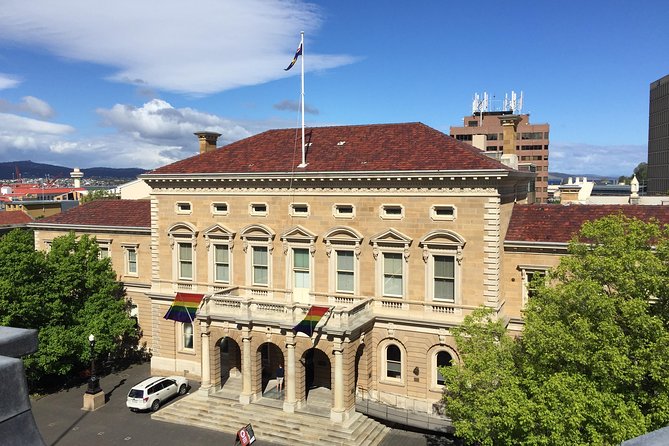
Most first-time walking tours start somewhere random. This one starts at 25 Hunter St, right by the Henry Jones Art Hotel. That’s handy because you’re already in the centre of Hobart, near cafés, trams/buses, and a bunch of things you’ll likely want to see later.
From that meeting point, you’ll head out on a steady 2-hour loop on city pavements. There’s a clear end point too: Salamanca Place. That matters because your legs and your mind both like closure. You’re not guessing where the walk will dump you; you’re finishing at a well-known landmark area you can explore on your own afterward.
Also worth noting: it’s wheelchair accessible. So the pace is meant to be workable, not a fitness test. That doesn’t remove the “you will be walking” part, but it does help set expectations for a comfortable city stroll.
You can also read our reviews of more walking tours in Hobart



Hunter Street: Where You See the Past Up Close
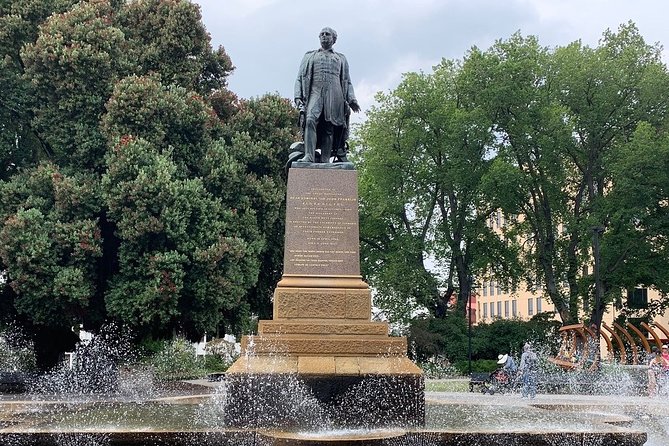
Hunter Street is the spine of the central city, and it’s also where the tour’s storytelling becomes visible. As you walk, the guide highlights heritage-listed buildings and the fine points of Georgian and Victorian architecture. That’s not just trivia talk. It helps you understand why some buildings look the way they do, and why Hobart’s early settlement left a visible footprint.
This is the kind of stop where your brain shifts from sightseeing mode to “reading the street” mode. You start noticing things like:
- the proportions and symmetry patterns common to older facades
- the way buildings relate to the street line
- the small clues that hint at different eras of development
The value here is that you come away with a framework. Later, when you see another heritage building on your own, you’ll have a better sense of what you’re looking at.
And because the group is small, you can ask questions as they pop up, instead of waiting until the end. In past departures, the walk has been led by guides such as Lisa, Deb, and Jan, and that local storytelling approach is repeatedly part of what people love. You’re not just handed a route—you’re guided through it like you’re being let in on how the city works.
Learning Hobart’s Origins: Colonial Beginnings and Indigenous Presence
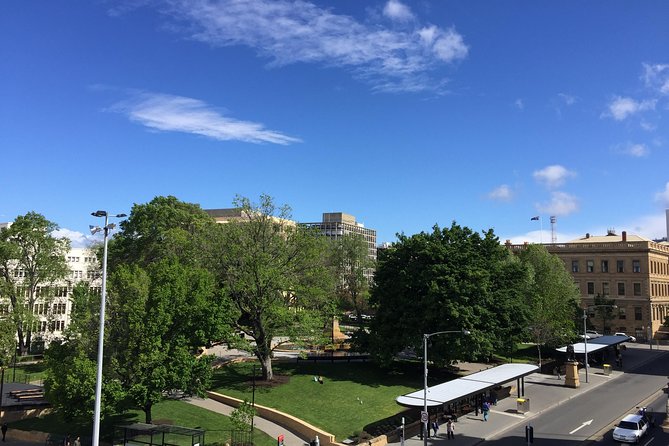
A big reason this walk works as an introduction is that it covers more than buildings. The guide talks about Hobart’s colonial beginnings: the British settlers’ troubles and successes, and the lived reality behind the founding era.
Just as important, the tour also addresses Indigenous people of the area and their responses to British invasion. That keeps the story from becoming a one-sided “old buildings only” walk. You’ll hear enough context to understand why Hobart developed the way it did—politically, socially, and geographically.
This part matters for two reasons:
- It changes how you interpret the places you see. A waterfront or courthouse isn’t just a backdrop once you connect it to power and settlement.
- It helps you avoid the common beginner mistake of treating history as something that happened in a single moment.
You’ll still enjoy the walk itself—there’s time to pause, and the pace is described as leisurely and easy. But the mental payoff is strong because you’re building a real understanding, not just collecting facts.
The Seat of Power Area: Church, Court, Prison in One Stroll
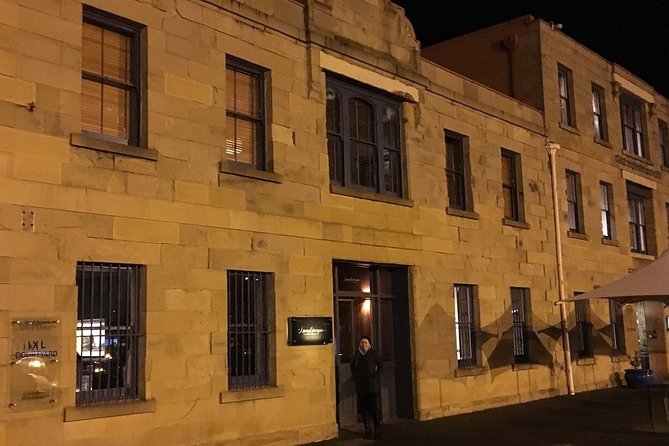
After the mid-walk city streets and architecture, the route heads upward toward the area that houses the seat of power—where you’ll see a combination of church, court, and prison. Even without naming every building, this section gives you a clear sense of how the early settlement organized authority.
It’s one thing to read that convict-era places had legal and religious influence. It’s another to walk through the geography of it. Here, your eyes start noticing:
- how institutions cluster
- how the street feel changes as you move into a more official zone
- how the built environment signals control
If you’re even mildly interested in convict history or how colonial towns ran on rule by law, this portion is the kind of walk that makes the city feel more like a living puzzle.
It’s also a good time to ask questions. With a small group, the guide can tailor explanations to what you care about—architecture, legal history, or the Indigenous story side of the equation.
City Parks and Statues: The Stories Behind the Monuments
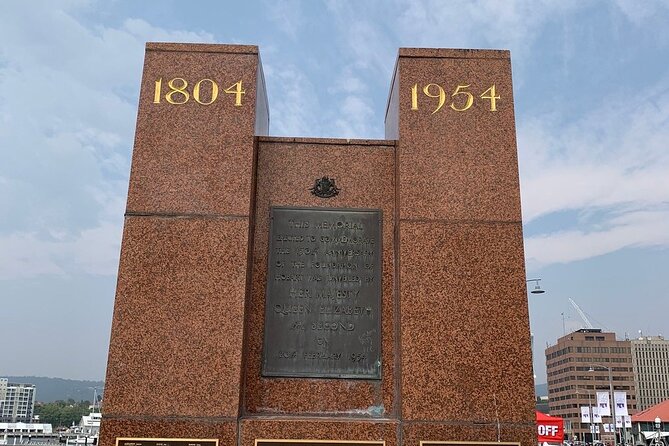
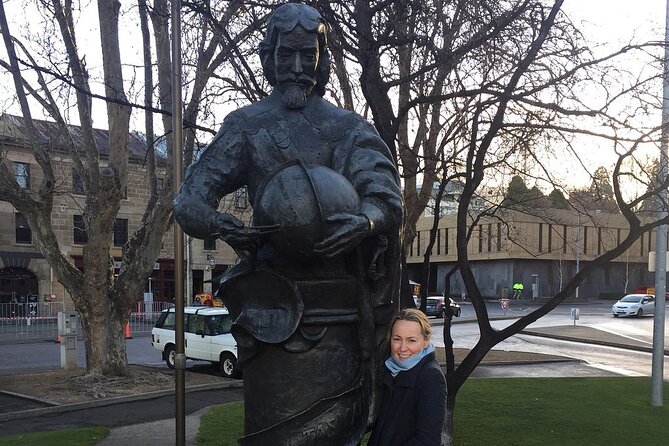
Then the tour turns into a city park moment—an escape from traffic noise, but not a break from meaning. You’ll walk through a park with statues, and the guide shares the stories behind them.
That sounds simple until you realize how often monuments go unnoticed when you’re just rushing. Here, the guide slows you down just enough to make you look. You start seeing how statues are placed, what they represent, and what that says about what a community wanted to remember.
A park stop is also a practical win on a walking tour. Your legs get a short chance to recover, and you get good chances for photos. The tour is designed so you’ll find places to sit or perch along the route.
In this section, the “quirky” part of the storytelling often comes through—tangents, little details, and historical context that make you feel like you’re hearing the city from a friend who cares.
You can also read our reviews of more city tours in Hobart






Another Park, a Darker Secret
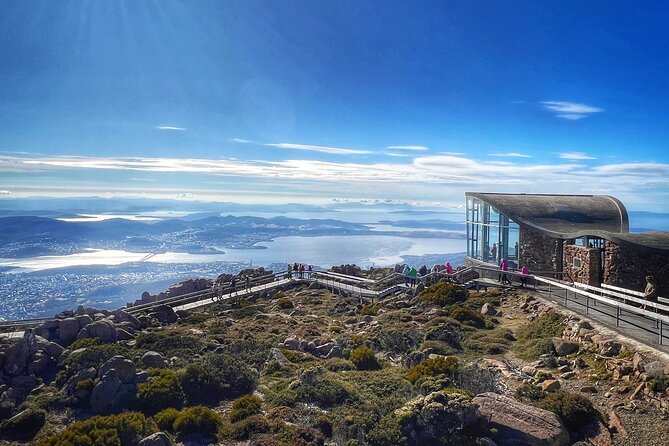
Later, you’ll head to another lovely park that includes a dark secret—something many locals don’t know about. You’ll likely feel the shift in tone when the guide brings this up, because it changes the kind of story you’re hearing: not just who built what, but what happened beneath the public face of the city.
This is a strong reminder that Hobart’s past isn’t only tidy or ceremonial. It includes the messier sides of settlement and social life.
Even if you’re not usually into darker stories, you’ll probably appreciate this part because it adds depth. By the end, the city won’t feel like a postcard. It’ll feel like a place where layers of events shaped the buildings, streets, and waterfront.
Finishing at Salamanca Place (And Planning Your Next Stop)

The walk ends at Salamanca Place on the waterfront. This is a smart finish because Salamanca Place isn’t just historic—it’s active. It’s world famous for its Saturday markets, which are often described as the oldest markets in Australia. Even if you’re not walking here on a Saturday, the location is a fun place to keep exploring after the tour.
Ending here also gives you a built-in way to transition from “guided history” to “independent time.” You can linger, get a coffee, browse, and watch the waterfront energy without needing to coordinate another booking.
The tour guide will also point you toward favorite cafés for a reviving coffee after the walk. Since food and drinks aren’t included, this tip matters. A good recommendation can save you from settling for the nearest place that’s open, and help you find something that fits the mood you want after two hours of storytelling.
Small-Group Size, Local Guide, and the Pace That Works
This tour is designed as a small-group experience. The cap is listed at up to 10 travelers, and the feel is still intimate—far from the large group “hear it from afar” style.
That group size helps in a few practical ways:
- You can ask follow-up questions without derailing the whole group.
- The guide can keep everyone together while still stopping for photos.
- The walking pace stays comfortable, not rushed.
The tour lasts about 2 hours. In that time, you’ll cover enough ground to get oriented, but not so much that you feel wiped out. People describe the pace as easy and not arduous, with time for photos of central Hobart.
You’ll also get support tools during the walk. Historical photos and maps are part of the experience, which helps you connect what you’re seeing now to how the area looked in earlier periods.
What You’re Really Paying for (And Why It Feels Fair)
At $27.26 per person for roughly 2 hours, this is one of those prices that often feels right only because you’re getting the right ingredient: a local guide who can explain both architecture and the human story behind it.
Here’s the value breakdown that makes sense for most visitors:
- You get a professional local guide included.
- You cover key central areas: Hunter Street, waterfront, parks, and Salamanca Place.
- You leave with context that makes your self-guided Hobart time better.
If your plan is to see museums and wander on your own later, this kind of “orientation with stories” tour can save you time. It can also keep you from missing meaningful details in places you walk past every day.
If you’re the type who likes to arrive with zero expectations, you can still enjoy this. The guide does the connecting work, and the pacing leaves room to take in the street-level scenes.
Practical Tips Before You Go
A few things will help you get the most out of it.
Wear shoes built for city pavements. Even on an easy walk, Hobart sidewalks and curb cuts can be uneven in places. If you’ve got knee or balance concerns, use the tour’s “places to sit or perch” moments.
Dress for weather. The tour operates in all weather conditions, and you should dress appropriately. If it’s windy or rainy, expect the walk to continue.
Bring your own water if you want it. Food and drinks aren’t included, though you’ll finish at Salamanca Place where you can easily grab something afterward.
Plan to reach the start point on your own. There’s no hotel pickup and no drop-off, so give yourself enough buffer time to get to 25 Hunter St and find the group before you set off.
Should You Book Hobart History, People & Places?
Book it if you want a high-impact introduction to central Hobart in a short time. It’s especially good for first-timers, people who like architecture plus stories, and anyone curious about Hobart’s colonial roots and how the Indigenous story fits into the larger picture.
Skip it (or at least think twice) if you’re mostly after pure scenery and don’t care about historical context. This walk is about understanding what you’re seeing, not just moving through pretty streets.
If you’re on the fence between walking tours, this one is an easy “yes” for me because it mixes practical orientation (Hunter Street to the waterfront) with narrative depth, and it ends at a place where you can naturally continue your day.
FAQ
How long is the Hobart History, People & Places walking tour?
It lasts about 2 hours.
Where does the tour start?
The tour starts at 25 Hunter St, Hobart TAS 7000, outside the Henry Jones Art Hotel.
Where does the tour end?
The tour ends at Salamanca Place, Salamanca Pl, Hobart TAS 7000.
How much does it cost?
It costs $27.26 per person.
Is the tour wheelchair accessible?
Yes, the tour is wheelchair accessible.
Is a guided tour included or do I need a guide?
A professional local guide is included.
What’s not included in the tour price?
Food and drinks are not included, and there is no hotel pickup or drop-off.
Do I need to bring a ticket?
You’ll receive a mobile ticket.
How many people are in a group?
The experience is limited to a small group, with a maximum of 10 travelers.