REVIEW · FRASER ISLAND
Hervey Bay: Best Value Half Day Whale Watching Cruise
Book on Viator →Operated by Hervey Bay Whale Watch - Quick Cat II · Bookable on Viator
Finding whales without the long day.
This half-day cruise is built for real whale-watching, with four viewing decks and time on the water looking for humpback whales as they migrate through Hervey Bay between July and October. I like that you can pick a morning or afternoon departure, and the experience is guided by a local crew who help you understand what you’re actually seeing out on the water.
The other big win is how family-friendly it feels—good for kids, and you’re also scanning for other native wildlife like dolphins, turtles, and seabirds while you cruise past Fraser Island. One thing to consider: this is a boat trip, and on a rougher day you may feel more motion than you expect.
In This Review
- Key points I’d plan around
- Why This Half-Day Whale Cruise Works So Well
- Quick Reality Check: Timing, Season, and What You’re Actually Chasing
- Price and Value: What $85.35 Buys You
- Meet Quick Cat II and the Viewing Deck Strategy
- The Route in Plain English: From K’Gari to Indian Head
- Stop 1: K’Gari (Fraser Island) — where the action starts
- Stop 2: Indian Head — a classic lookout zone
- Stop 3: Great Sandy National Park — more chances, calmer viewing
- Other Wildlife You Might See (Beyond Whales)
- The Human Part: Local Crew Energy and Onboard Guidance
- What the Tea on Deck Adds to the Experience
- Weather, Boat Motion, and How to Prepare Without Overdoing It
- How Big Is the Group, and Does It Affect Your View?
- Who This Cruise Is Best For
- Should You Book the Hervey Bay Quick Cat II Whale Watch?
- FAQ
- How long is the half-day whale watching cruise?
- Where does the tour start and end?
- Does the tour offer a morning and afternoon option?
- What whales are you looking for?
- When is the best time to see humpback whales on this route?
- Is tea included?
- What other wildlife might I see besides whales?
- How big is the group?
- What happens if weather is poor?
- Are there any age rules for kids?
- Can I cancel for a full refund?
Key points I’d plan around
- Morning or afternoon departures so you can match it to your day on K’Gari (Fraser Island) or the rest of your trip
- Four viewing decks for better whale-spotting angles, even when it gets busy
- Humpbacks in the July–October season, when the timing lines up with their migration through these waters
- Onboard tea served on deck during the return cruise
- Local guide + crew commentary, which makes whale sightings more meaningful than just seeing a spout
- Up to 85 travelers, enough people for fun energy, not so many that you lose your view
Why This Half-Day Whale Cruise Works So Well
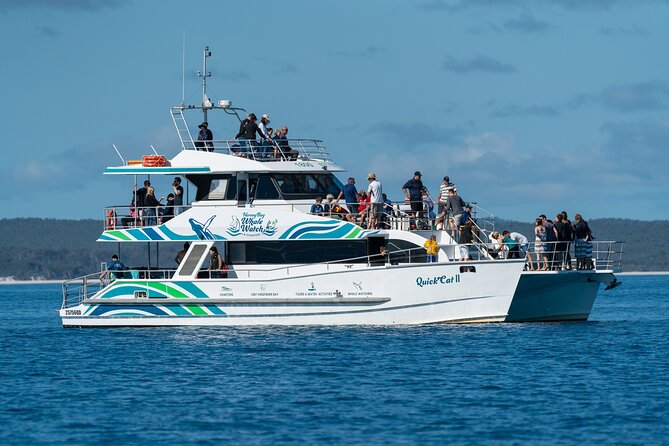
Hervey Bay is one of those places where you can focus on the main event—whales—without turning the day into a full travel marathon. The cruise runs about 4 hours, with a choice of morning or afternoon, which matters because it gives you flexibility. You can pair it with other activities on your Fraser Island/K’Gari trip, or simply do it early when your energy is highest and then enjoy the rest of the day at a slower pace.
The format also feels efficient in a good way. You’re not just aiming at a distant search area; you’re cruising through whale-friendly waters and stopping at key spots where marine life is commonly sighted. The viewing setup helps too: the boat (Quick Cat II) has four viewing decks, so you’re not stuck fighting for a single railing line of sight.
And here’s the thing I appreciate most: the experience is guided. When the crew talks through behavior and what to look for, a sighting becomes more than a quick photo moment. It also helps kids, because it’s easier to stay engaged when someone is explaining what’s going on.
You can also read our reviews of more boat tours in Fraser Island
Quick Reality Check: Timing, Season, and What You’re Actually Chasing
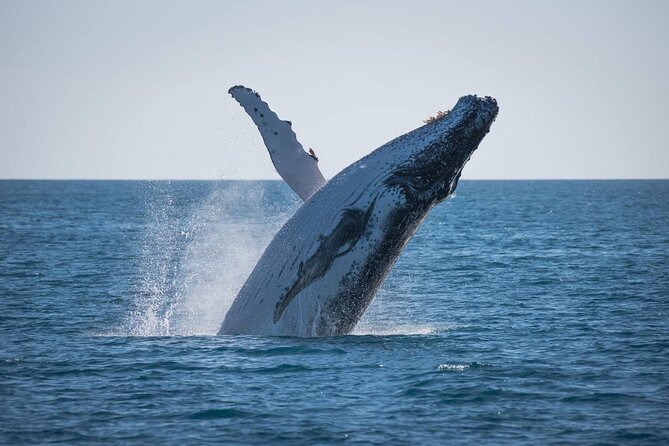
This cruise targets humpback whales during their migration through Australia’s warm waters, typically July to October. That timing isn’t just calendar trivia; it’s the difference between a trip that feels like pure luck and one that’s anchored to real patterns.
Even within the season, sightings can vary day to day. The tour is set up to keep you actively searching rather than waiting around. You’ll be out in Hervey Bay waters and across the region near K’Gari (Fraser Island), including areas tied to whale activity such as the Great Sandy Straits and Platypus Bay.
If you’re going in peak season, you’re stacking the odds in your favor. I’d also book with your preferred time slot in mind: the cruise is commonly booked around 21 days ahead on average, so waiting until the last minute can limit you to whatever departure time is left.
Price and Value: What $85.35 Buys You
At $85.35 per person for about 4 hours, this isn’t the cheapest option in the region—but it also doesn’t pretend to be. What you’re paying for is a focused half-day on a proven route, on a boat designed for viewing, with a local guide onboard and tea served on deck during the return trip.
A lot of whale watching gets pricey when you add long transport, expensive extras, or a “maybe you’ll see something” structure. Here, you get the opposite vibe: it’s built to be a real viewing experience. Four decks means you’re not paying for a ticket that only works from one spot, and the crew guidance helps you get more out of each sighting.
Group size plays into value too. With a maximum of 85 travelers, you’ll feel other people around, but you’re not dealing with the kind of crowd where you spend the cruise constantly shifting your position.
Meet Quick Cat II and the Viewing Deck Strategy
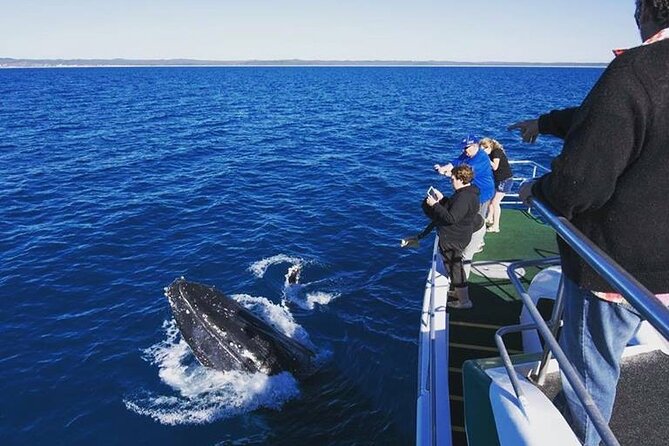
You start at Great Sandy Straits Marina, Urangan (Hervey Bay), and the cruise ends back at the same place. Since you’re on the water for only around four hours, the layout and how quickly you can get a good view matters a lot.
The key detail: Quick Cat II includes four viewing decks. That means:
- You can move during different sightings without losing the entire sightline.
- You’re less likely to be trapped at one railing for the whole cruise.
- It’s easier for kids and adults with different viewing preferences to find a workable spot.
The crew’s onboard commentary is also part of the value. When you know what you’re looking for—like when whales surface, how they move close to the waterline, and why certain areas get more attention—it makes the entire trip feel more “in control,” not just waiting.
The Route in Plain English: From K’Gari to Indian Head
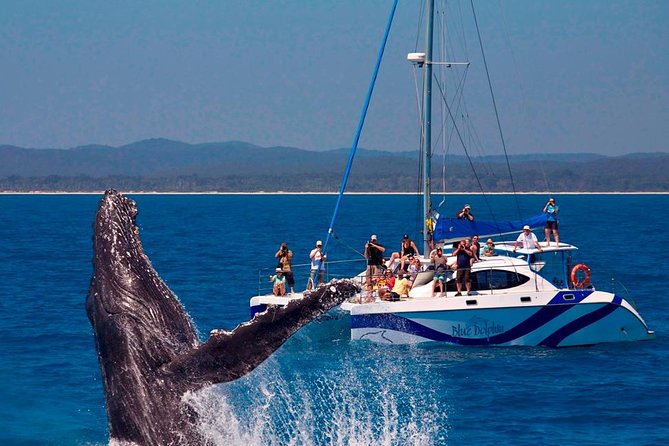
The cruise includes three named stops/areas: K’Gari (Fraser Island), Indian Head, and Great Sandy National Park. You won’t experience this like a land tour where you roam for hours; think of these as strategic viewing points and habitat-rich zones you move through while scanning the water.
You can also read our reviews of more whale watching tours in Fraser Island

Stop 1: K’Gari (Fraser Island) — where the action starts
K’Gari matters because it’s right in the story of this region’s marine life. From the boat, you’ll be taking in views as you head into whale search areas. This is a good part of the cruise for first sightings, and it sets the tone—people often settle in because the excitement tends to begin early when you’re moving through whale habitat.
A practical note for your headspace: don’t overthink it. When you first go out, your brain is still adjusting to the motion and the scale of the ocean. Early scanning is easier if you keep your expectations flexible. Sometimes it’s fast. Sometimes it takes a bit.
Stop 2: Indian Head — a classic lookout zone
Indian Head is another anchor point on this itinerary. It’s there for a reason: it helps position you in waters where marine life can show up. In these cruises, the best moments often come when you’re close enough for details—how whales move in relation to the water surface and how they travel in waves.
This is also a portion of the trip where you’ll likely keep a close eye on the wider scene. The cruise description encourages you to look out for other wildlife too, like dolphins and seabirds, and these sightings can start building your “nature checklist” even while you wait for humpbacks.
Stop 3: Great Sandy National Park — more chances, calmer viewing
Great Sandy National Park is the last of the named areas. Even if whale sightings happen in multiple bursts, this area often gives you another round of searching and watching. By the time you reach the later portion of the cruise, you’ve usually learned what the crew wants you to look for, so the scanning becomes more effective.
One thing I like about this structure is that it doesn’t feel like you’re doing a single long wait. You’re moving through multiple whale-prone zones over the course of the half day.
Other Wildlife You Might See (Beyond Whales)
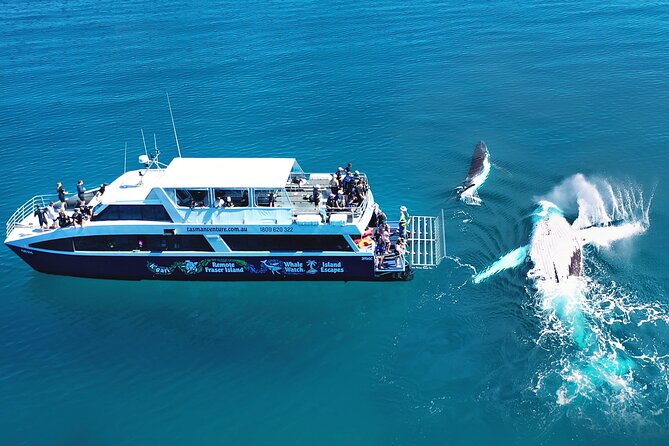
Whales are the headline, but this cruise gives you a bonus layer: you’re watching for dolphins, turtles, dingoes, and seabirds while you cruise. The big word here is might. The tour doesn’t promise every species every day, but it actively frames the journey as more than humpback spotting.
That matters if you’re traveling with kids. A child who doesn’t catch their first whale in the first chunk of time can still feel like the trip is delivering because other wildlife may show up while you search. Even seabirds can keep the excitement alive—look for activity around the boat and watch for changes on the water surface.
The mention of dingoes is interesting because it suggests the route and surroundings tie back to the unique animal life of the region. You might not see dingoes from the boat every day, but the cruise is clearly designed with the Great Sandy area’s natural character in mind, not just the open-water whales.
The Human Part: Local Crew Energy and Onboard Guidance

The crew is a major reason this cruise earns its reputation. People consistently react to the crew’s friendly, energetic style and the amount of information they share. That’s not a small detail. Whale watching is one of those activities where you can either stand there quietly hoping for the best, or you can become an active watcher.
On this trip, you’re given context for:
- why whales are in this area in season
- how to interpret behavior when you see movement near the surface
- what other wildlife sightings might mean as you move through different waters
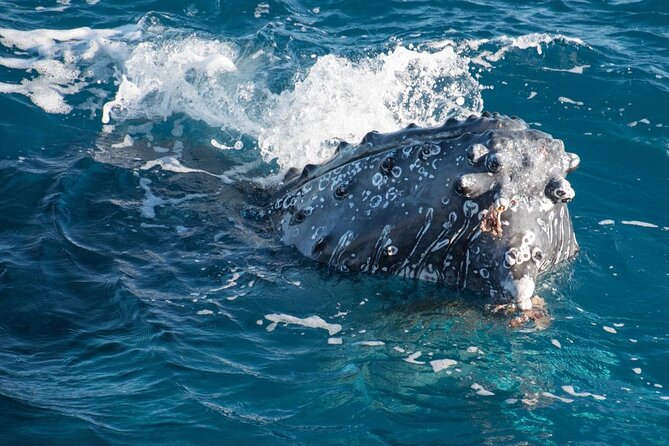
You’ll also notice a pattern in the most enthusiastic experiences: whales appear close enough to feel emotional, and the crew’s help makes it easier to recognize what you’re seeing. That’s also where the family-friendly vibe comes from—kids usually relax when someone explains what’s happening in simple, upbeat ways.
What the Tea on Deck Adds to the Experience
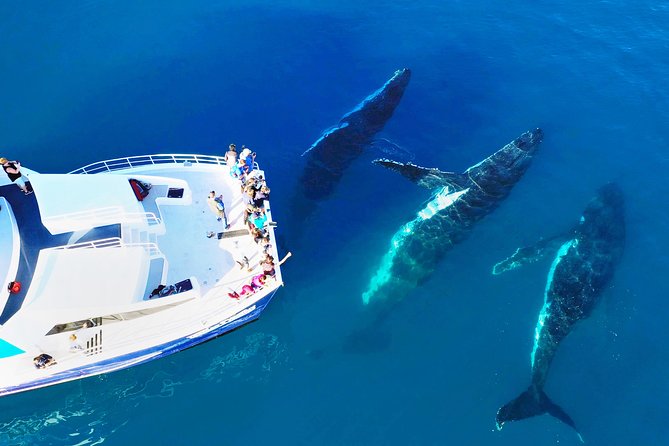
Some tours throw in food as an afterthought. Here, morning or afternoon tea is served on deck as you cruise back. That’s a smart move for two reasons.
First, it gives the trip a rhythm. The day’s energy goes from searching, to spotting, to relaxing while still staying on the water and enjoying the return views. Second, tea on deck keeps the experience social. You can warm up, you can talk about what you’ve seen, and you can keep your eyes up while you sip.
If you’re the kind of traveler who hates rigid schedules, this feels like a natural break rather than a forced stop.
Weather, Boat Motion, and How to Prepare Without Overdoing It
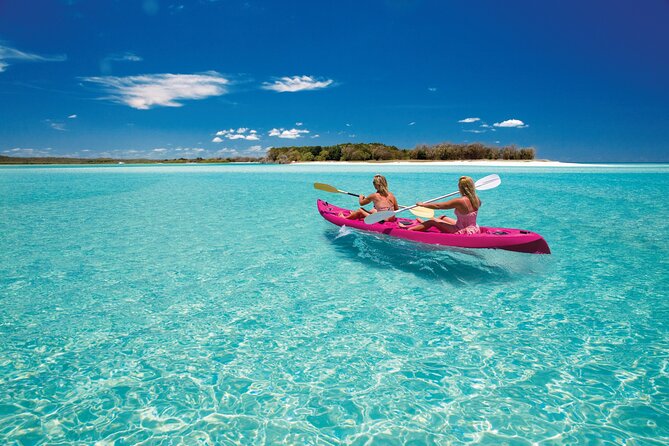
This cruise requires good weather. That’s important. On whale days, calm water helps you see whales clearly and stay comfortable. But even on the right day, the ocean can still feel alive.
One consideration to plan around: if conditions are choppy, you might feel seasick. The boat is described as usually stable, but stability isn’t the same as comfort for everyone.
My practical prep tips:
- Pack an anti-nausea option if you’re even mildly prone to motion sickness.
- Bring a light layer. Even in warmer months, sea air can cool you down quickly.
- If you can, choose the departure time that matches how you handle moving water (some people do better morning than afternoon, and vice versa).
Also, remember you’re out for about four hours. That’s short enough that a tough moment doesn’t ruin the day—just don’t assume you’ll feel perfectly still the whole time.
How Big Is the Group, and Does It Affect Your View?
With a maximum of 85 travelers, this is a moderate-size group. It’s large enough that the boat feels lively, but small enough that you’re not constantly lost in a sea of bodies.
The four viewing decks help with crowding. Even if one area gets busy when whales surface, you can move to another deck rather than giving up your view entirely.
If you’re traveling with a family, this matters. Kids can rotate between spots without turning the outing into a constant negotiation. If you’re traveling solo, it means you’re not isolated either—you’ll still get shared excitement when the crew finds something.
Who This Cruise Is Best For
This is a great fit if you want a high-likelihood, high-reward wildlife day without spending your whole schedule on logistics.
You’ll likely love it if:
- you’re traveling with kids and want family-friendly whale watching
- you want a guided experience rather than a self-drive search
- you’re visiting during July to October and want to hit the migration window
- you like getting close—viewing from multiple decks and staying on the water keeps the experience direct
It’s also a good match for couples and groups because the cruise format is easy to enjoy together: watch, listen, react, and share a meal/tea moment on deck.
If you’re extremely sensitive to motion, I’d take the weather requirement seriously and plan for comfort. The experience doesn’t last all day, but it does involve being on a moving boat.
Should You Book the Hervey Bay Quick Cat II Whale Watch?
I think this is a smart booking for most people visiting Hervey Bay in season. Why? You’re getting a compact half-day format, a boat designed for whale watching with four viewing decks, guided interpretation from the onboard crew, and tea on deck on the way back. That combination makes the trip feel like more than a ticket—it feels like a well-timed nature outing.
One final decision helper: if you care about whale sightings as the main event and you’re traveling in the July–October window, this is exactly the kind of experience that tends to deliver strong memories. The cruise is also highly rated, with around 4.9 out of 5 and 97% recommending it, which supports what the experience is trying to do.
If you’re okay planning for possible boat motion and you want a guided, family-friendly whale-watching day, book it.
FAQ
How long is the half-day whale watching cruise?
The cruise lasts about 4 hours.
Where does the tour start and end?
It starts at Great Sandy Straits Marina, Urangan, Hervey Bay and ends back at the same meeting point.
Does the tour offer a morning and afternoon option?
Yes. You can choose either a morning or afternoon departure.
What whales are you looking for?
The cruise focuses on humpback whales.
When is the best time to see humpback whales on this route?
The description notes humpback whales migrate to Australia’s warm waters between July and October.
Is tea included?
Yes. Morning or afternoon tea is served on deck during the cruise back.
What other wildlife might I see besides whales?
You can look out for dolphins, turtles, dingoes, and seabirds along the way.
How big is the group?
The tour has a maximum of 85 travelers.
What happens if weather is poor?
This experience requires good weather. If it’s canceled due to poor weather, you’ll be offered a different date or a full refund.
Are there any age rules for kids?
Yes. Children under 18 must be accompanied by an adult.
Can I cancel for a full refund?
You can cancel up to 24 hours in advance for a full refund. Cancel less than 24 hours before the start time and the amount paid isn’t refunded.