Jurlique’s biodynamic farm tour in the Adelaide Hills turns skincare talk into something you can actually see and touch. I like that you get a 90-minute guided walk on real growing beds, and I also like how the explanations connect back to how the plants end up in their products.
The one thing to keep in mind is that this is a walk-and-learn style tour. If you want a long sit-down and lots of stops for views, you might find the pace more educational than scenic.
The setting is calm, and the format is simple: you meet at the farm, follow a Jurlique Ambassador, and head back to the start at the end. With a mobile ticket and a group cap of 50, it’s easy to fit into a day in Adelaide without turning your plans into logistics stress.
In This Review
- Key highlights you’ll notice right away
- Jurlique Farm in the Adelaide Hills: what you’re touring
- The 90-minute guided walk: history, seedlings, and harvest
- The Jurlique story, then the growing begins
- Plant varieties and their uses
- Biodynamic farming principles, explained for real life
- Soil fertility and compost production
- The harvest process
- Biodynamic farming basics you can actually use
- The guide experience: clear, friendly, and human
- The garden-product connection that makes it stick
- Value for money: is $28.69 worth it?
- Practical logistics that affect your day
- Who should book this tour?
- Should you book the Jurlique Farm Tour?
Key highlights you’ll notice right away
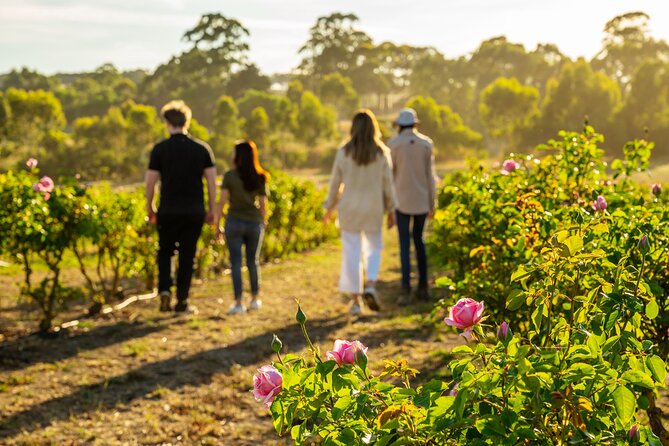
- Biodynamic farming explained on site with practical examples like soil fertility and compost production
- Plant propagation and growing steps from seedlings onward, not just the finished gardens
- Harvest process in plain language so you understand how ingredients make the journey
- Product connection in the garden through hands-on try-outs tied to botanical use
- Human pacing, not a rush with a tour flow that works even when the group feels larger than one person wants
Jurlique Farm in the Adelaide Hills: what you’re touring
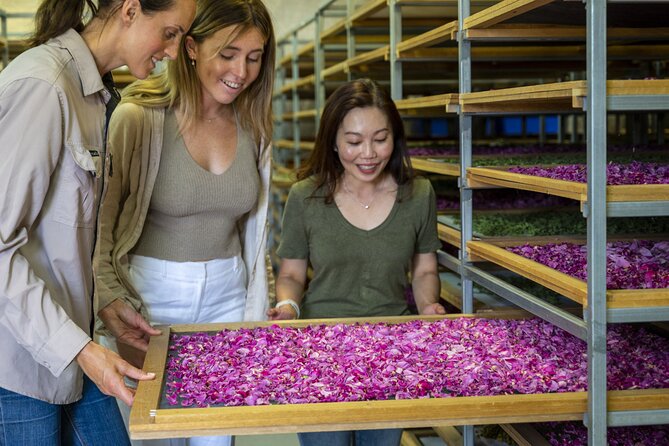
This tour is about more than pretty plantings. Jurlique has been growing ingredients for its pure and natural skincare line from its biodynamic farm in South Australia for more than 35 years, and the focus stays on how those ingredients are raised.
You’ll be on the Adelaide Hills grounds of Jurlique Farm, starting at 31 Liebelt Rd, Biggs Flat SA 5153. The tour runs about 1 hour 30 minutes, and it’s guided by a Jurlique Ambassador. The group size is capped at 50, which matters because it usually leads to a calmer experience than the big-bus tour vibe.
And yes, you’ll see display-style garden areas, but the main point is the working side of the farm: where plant life starts, how it’s supported, and how harvest fits into the overall approach.
If you enjoy nature walks, botanical details, or you’re the type who always wonders where the “ingredient” actually comes from, this tour will land well. If you just want a quick photo stop, you might feel the time is spent more on learning than wandering.
A few more Adelaide tours and experiences worth a look

The 90-minute guided walk: history, seedlings, and harvest
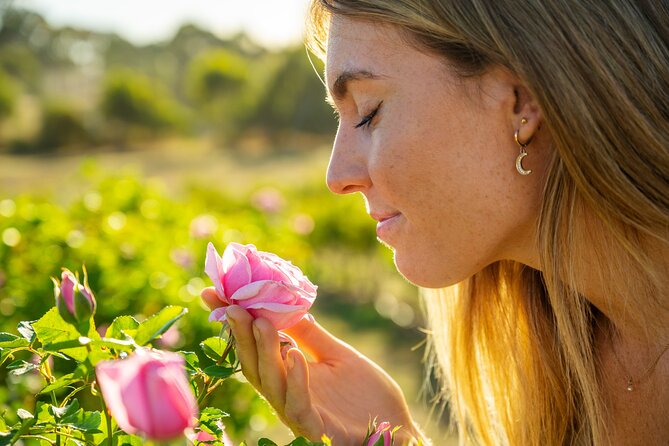
The itinerary is essentially one continuous guided route through the farm, so you’re not bouncing between distant stops. That’s a plus. You stay with your guide, keep a steady thread, and by the end the system makes more sense.
Here’s what you can expect the tour to cover:
The Jurlique story, then the growing begins
You start with history of Jurlique, which sets the stage for why the farm matters. It’s a quick framing, not a long lecture.
Then you shift into how plants get started. You’ll see how seedlings and plants are propagated, which is one of those behind-the-scenes steps most visitors never think to ask about. It changes the way you look at the gardens because you stop treating them like decoration and start treating them like a living supply chain.
Plant varieties and their uses
Next comes plant varieties and their uses. This is where the tour starts to feel less like a botanical museum and more like ingredient education. You’ll hear how different plants are associated with different functions in the skincare approach.
One of the best parts of this section is that it connects the farm to the product world. Not in a sales-y way, but in a “here’s the logic” way.
Biodynamic farming principles, explained for real life
After the plant basics, your guide moves into biodynamic farming principles. In practice, that means you’re not just told the farm is biodynamic—you’re told what that looks like day-to-day. The tour keeps returning to how choices in the field support healthier soil and stronger plants.
If you’ve heard the term biodynamic before and it still felt vague, this tour is the kind of place where it becomes less abstract.


Soil fertility and compost production
Then you’ll get into soil fertility and compost production. This part matters because healthy skincare ingredients start with healthy growing conditions. Compost isn’t just a buzzword here; it’s presented as part of the fertility system that supports the farm’s approach.
Expect to learn how soil is treated as a living foundation, not an inert surface.
The harvest process
Finally, you’ll cover the harvest process. That last step is where a farm tour often goes missing: people see plants, then leave before anyone talks about picking, timing, and why harvest matters.
Here, harvest is part of the core story. You leave with a better sense of how the farm work turns into ingredients that can be processed and used.
Biodynamic farming basics you can actually use
Biodynamic farming is one of those topics that can feel like either total mysticism or total science, depending on how it’s explained. On this tour, the focus is on the practical pieces you can picture: soil, compost, plant growth, and harvesting.
Here’s why that practical angle is a win for you:
- You get cause-and-effect. Instead of hearing facts in isolation, you see how soil fertility links to plant quality.
- You learn the “why” behind the care. When a guide talks about propagation and compost, you understand it’s not just maintenance. It’s part of a system.
- You build a vocabulary. Once you know what compost production and soil fertility mean on the farm, you’ll hear those phrases elsewhere with less confusion.
Also, the tour is paced so you’re not speed-walked from one concept to the next. From the way the tour is described, the flow is designed to keep people included, including solo visitors in a larger group. That’s important because group tours can sometimes feel awkward if you’re traveling alone and don’t want to compete with a crowd for attention.
The guide experience: clear, friendly, and human
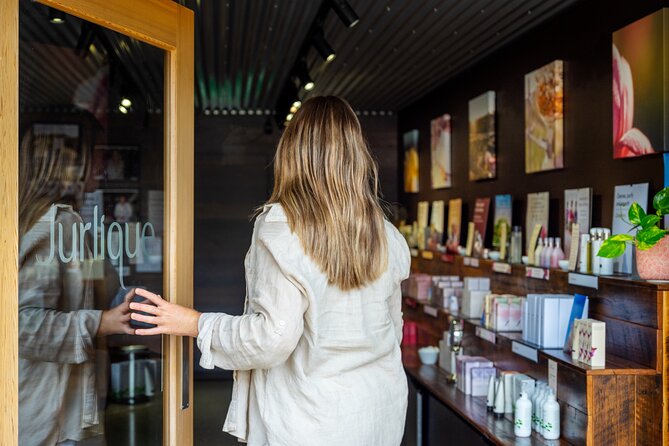
The quality of a farm tour lives or dies with the guide, and the Ambassador role makes a big difference here.
One review specifically mentioned a guide named Lexi as friendly and very knowledgeable, and that matters because it hints at how the information is delivered: not just recited, but explained with a way that makes you feel like you can ask questions.
In my view, that’s the sweet spot for a tour like this. You’re walking among living plants and working systems, so it helps to have a guide who can connect the farm details to the kind of questions you actually have, like:
- Why those plants?
- How do you keep soil healthy?
- How does the harvesting step change what happens next?
If you care about understanding the process rather than just collecting photos, this kind of guiding is exactly what you want.
The garden-product connection that makes it stick
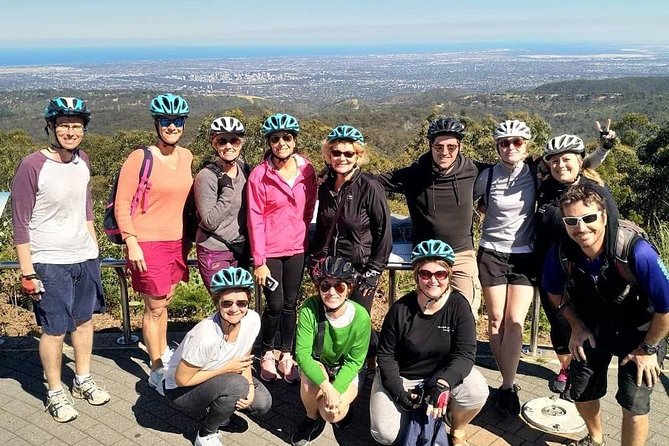
One of the most praised parts of this experience is the way it links plants to products. In the garden, you can try a few of the products, and the tour is described as interactive with botanicals and how they’re used.
That try-it moment is more than fun. It turns the tour from information-only into something your brain can attach to senses. You hear how a plant variety is used, then you get a chance to experience product results tied to that idea.
It also gives the tour a practical edge. Instead of thinking, Okay, plants exist, you start thinking, Okay, this is how the ingredient story shows up in real items you’ll recognize.
If you’re the type who reads skincare labels, you’ll likely enjoy the way the farm approach gives those ingredients context. And even if you’re not a skincare nerd, you’ll probably like the tangible, testable part of the experience.
Value for money: is $28.69 worth it?
At $28.69 per person, this tour sits in a reasonable “pay for a guided experience” range, especially because it includes the guided time. The big value isn’t just that you get a ticket. It’s that the 90-minute session is focused on how the farm operates—propagation, biodynamic principles, compost and soil fertility, and harvest.
If you’ve ever toured a garden where you mostly walk past plants while someone says generic facts, you’ll appreciate the structure here. The topics listed give you a clear learning arc from seed to harvest.
Also, the group cap at 50 suggests you won’t be fighting to hear your guide. That’s a quiet but real part of value: better listening often makes a tour feel more “worth it” even when the price is similar to other attractions.
A small planning note: the average booking window is about 28 days in advance. That doesn’t mean you must book instantly, but if your Adelaide Hills day is tight, you’ll feel better locking it in early.
Practical logistics that affect your day
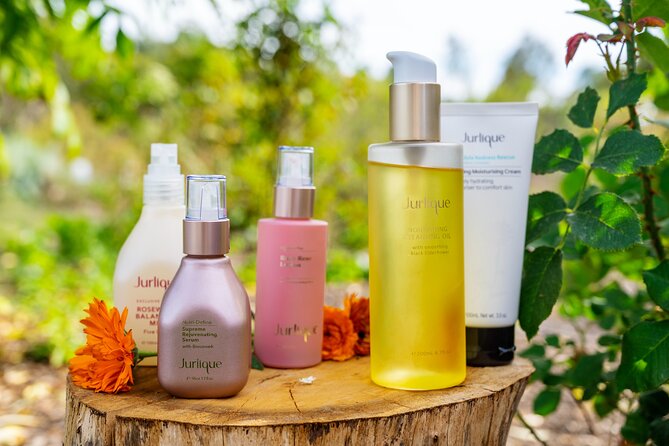
This tour is straightforward, but a few details will make it smoother.
- What’s included: the 90-minute guided farm tour with a Jurlique Ambassador.
- What’s not included: transfers to and from the meeting point. So plan your own ride, taxi, or car.
- Meeting and ending point: you start and end at Jurlique Farm (31 Liebelt Rd, Biggs Flat SA 5153).
- Ticket format: you’ll receive a mobile ticket, which is convenient and usually reduces time wasted at check-in.
- Confirmation: you’ll receive confirmation at booking time.
- Size and feel: capped at 50 travelers, with reviews noting a pace that works well for different group types, including solo visitors.
- Service animals: allowed.
One more thing: the tour is described as “most travelers can participate.” If you have mobility concerns, you may want to consider whether a farm walk is comfortable for you, since farm routes can involve uneven ground.
Who should book this tour?
This is a great fit if you:
- Like botanical learning and want it connected to real ingredients
- Enjoy farm-based travel where you can see how food or products are made
- Want a guided nature experience without needing to rent a car across multiple stops
- Are curious about biodynamic farming and want a clear on-site explanation
It’s less ideal if you want:
- A purely scenic viewpoint tour with minimal walking and maximum free time
- A short “see it and leave” stop, since the main value is in the structured learning
If you’re visiting Adelaide Hills and already planning nature time, this one adds meaning. You’ll come away understanding the farm as a system, not just a pretty place.
Should you book the Jurlique Farm Tour?
Yes—if you’re the type who enjoys learning while walking, this tour is a strong bet. The price is reasonable for a guided, structured 90-minute experience, and the focus on propagation, biodynamic principles, soil fertility, compost production, and harvest gives you real substance.
You’ll also probably feel happy about the product connection. The fact that you can try a few products in the garden helps the tour stick in your memory, because it ties the science and farming side to something tangible.
If you’re tight on time, plan an hour and a half plus a bit of travel buffer to and from 31 Liebelt Rd. And since booking is commonly done about 28 days ahead, don’t wait until the last minute if your dates are firm.
In short: this is not just a stroll through flowers. It’s a practical, guided look at how skincare ingredients are grown, explained in plain language, and tied back to what you can experience afterward.