REVIEW · ADELAIDE
Adelaide Hills: Jurlique Farm Tour
Book on GetYourGuide →Operated by Jurlique Farm Tour · Bookable on GetYourGuide
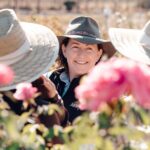
You can smell the farm before the label. This 90-minute Jurlique biodynamic farm tour in South Australia’s Adelaide Hills connects skincare ingredients to soil, plants, and harvest, not just packaging. I especially like the behind-the-scenes feel and the chance to see how plants are propagated and grown, then shop farm-only products at the end.
One heads-up: the tour runs in all weather, and you’ll be walking on uneven surfaces, so bring solid shoes and dress for the day, not the forecast.
In This Review
- Key things I’d watch for on this tour
- Jurlique Farm Tour: biodynamic skincare in the Adelaide Hills
- The 90-minute flow: history, seedlings, harvest, then the Farm Shop
- Starting with Jurlique’s history
- Seedlings and plant propagation you can actually picture
- Plant varieties and their uses
- Biodynamic principles in plain farming terms
- Soil fertility and compost production
- Harvest process: where the timing matters
- The Farm Shop: exclusive products after the walk
- The guide experience: Kelly keeps it lively and clear
- Biodynamic farming explained the way skincare shoppers actually need
- Weather, footwear, and other on-the-ground tips that matter
- Price and value: is $28 for 90 minutes a fair trade?
- Should you book the Jurlique Farm Tour?
- FAQ
- How long is the Adelaide Hills: Jurlique Farm Tour?
- How much does the Jurlique Farm Tour cost?
- What is included in the price?
- Where do I check in before the tour starts?
- Does the tour run in bad weather?
- What should I wear or bring?
- Is it possible to cancel or pay later?
Key things I’d watch for on this tour
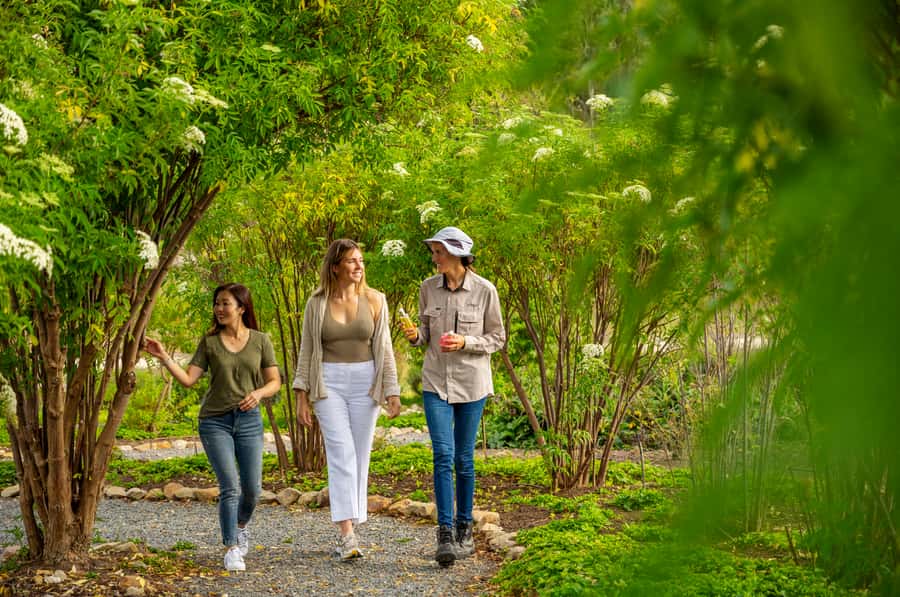
- A guided look at biodynamic farming and how those practices link to growing botanicals
- Seedling propagation and plant varieties, with practical context for how different plants are used
- Soil fertility and compost production, focused on what keeps the system working
- The harvest process, so you understand how ingredients move from field to product
- The Farm Shop stop, where farm-only exclusives make the visit feel tangible
Jurlique Farm Tour: biodynamic skincare in the Adelaide Hills
If you like the idea of skincare with a story you can actually walk through, this tour fits. Jurlique has been growing the ingredients behind its pure and natural skincare for more than 35 years, and the Adelaide Hills farm is where that story starts. Instead of learning in theory, you get a guided walk through the steps that bring plants from seedlings to harvest.
The farm’s biodynamic approach is the backbone of the experience. You’re not just looking at plants; you’re learning why the growing method matters. And at the end, you’re not forced to leave with only memories. You can pop into the Farm Shop and pick up exclusive products that are only available there.
It’s also a good “reset” outing if you’re already visiting the Adelaide Hills for fresh air and small-town calm. This is a focused, 90-minute experience that stays readable, not too technical, but still grounded in real farming work.
A few more Adelaide tours and experiences worth a look

The 90-minute flow: history, seedlings, harvest, then the Farm Shop
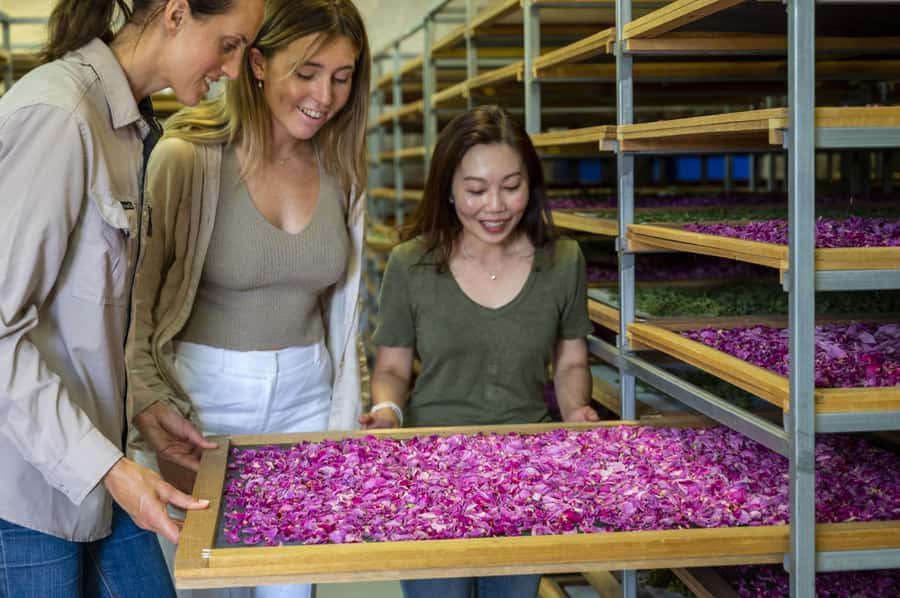
The tour moves through a set of clear stops, each one building on the last. Here’s what you can expect and why it’s worth your time.
Starting with Jurlique’s history
The session begins with the history of Jurlique, which helps you understand why the farm tour exists in the first place. You’ll get context for how long the company has been growing ingredients in the Adelaide Hills, and that timeline makes the rest of the tour feel less like a one-off demonstration and more like an ongoing practice.
This part is useful if you’re the kind of person who wonders whether a “farm story” is marketing or lived experience. The goal here is to show the long-term commitment behind the products.
Seedlings and plant propagation you can actually picture
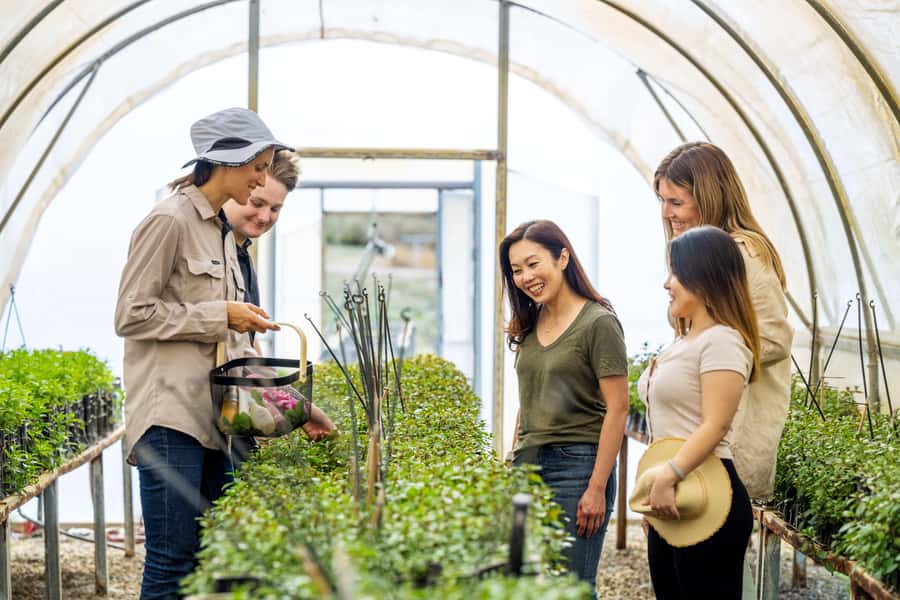
Next comes how seedlings and plants are propagated. This is where the tour shifts from general “nature connection” into practical growing steps. You’ll see how new plants get started and how those early stages affect what happens later.
Why I like this segment: it helps you connect the dots between what ends up in skincare and the unglamorous reality of farming—starting small, caring early, and only then growing toward harvest.
If you’re hoping for very specific crop names and uses, you might get some details, but the overall focus is on understanding the system rather than listing every ingredient like a textbook.
Plant varieties and their uses
After propagation, the tour looks at plant varieties and their uses. This matters because different plants aren’t “one size fits all.” How they’re grown and cared for can influence the final ingredient quality.
For skincare shoppers, this segment gives you better language for the products you already see in stores. Instead of only recognizing a fragrance or a marketing phrase, you can connect the product to the real-life plant that produced the ingredient.




Biodynamic principles in plain farming terms
Then you get biodynamic farming principles. The way this is presented is meant to be understandable during a walking tour, not a lecture you’ll forget five minutes later. You’re learning what the practices are trying to achieve and how that thinking shows up in the day-to-day work on the land.
This is valuable because biodynamics can sound like a big concept from the outside. Here, it becomes something you can relate to how soil and plants are treated over time.
Soil fertility and compost production
One of the most grounded parts of the tour is soil fertility and compost production. Soil is the quiet hero of any farm, and compost is one of the tools farmers use to keep the system healthy.
If you enjoy practical explanations, you’ll probably latch onto this part because it’s tangible. You can see the logic: healthy soil supports healthy plants, and healthy plants support the ingredients that go into skincare.
A small consideration: since compost and soil work are inherently “real-world,” the tour may be less polished than a showroom. That’s the point, but it also means you should be ready for an outdoorsy feel.
Harvest process: where the timing matters
Next is the harvest process. This portion is about the idea that timing and handling matter when ingredients move from field to production. Even if you’re not a farming expert, you’ll leave with a clearer sense that harvest isn’t casual—it’s part of a chain.
For me, this is where the tour turns into product understanding. It helps you see why the ingredient story isn’t just about where it comes from, but how it’s collected.
The Farm Shop: exclusive products after the walk
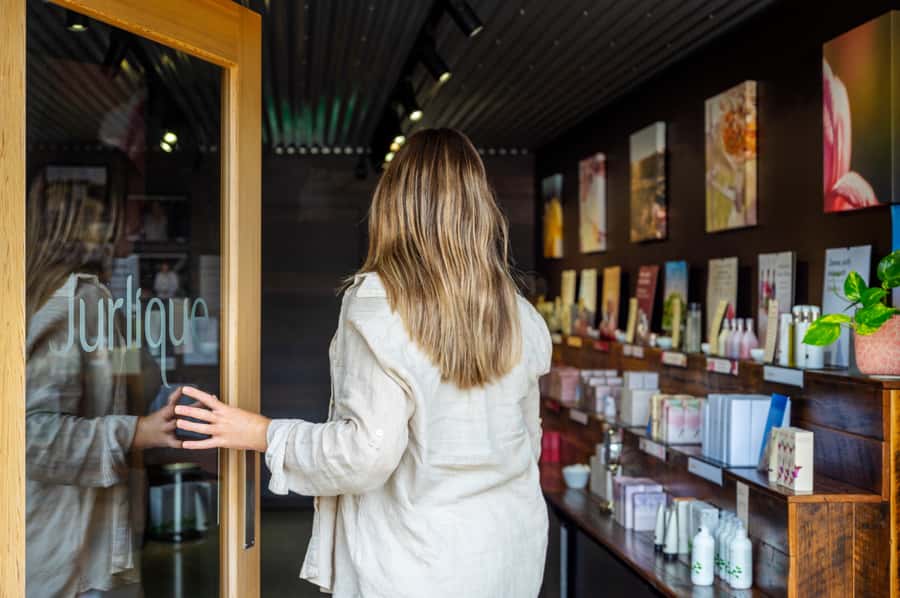
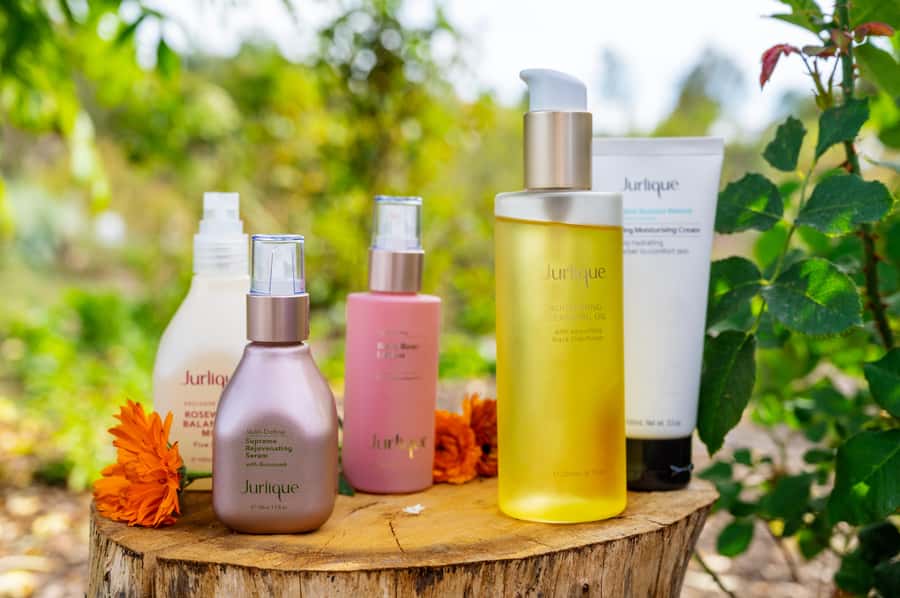
At the end of your tour, you can go into the Farm Shop. This is where the visit becomes more than education. You’ll have access to Jurlique products, including farm-only exclusives.
It’s a nice way to match what you learned with what you buy. If you’re already into skincare, this is a chance to turn the experience into something you can use right away. If you’re not sure what to purchase, the shop stop still works as a way to compare labels with the farming story you just heard.
The guide experience: Kelly keeps it lively and clear
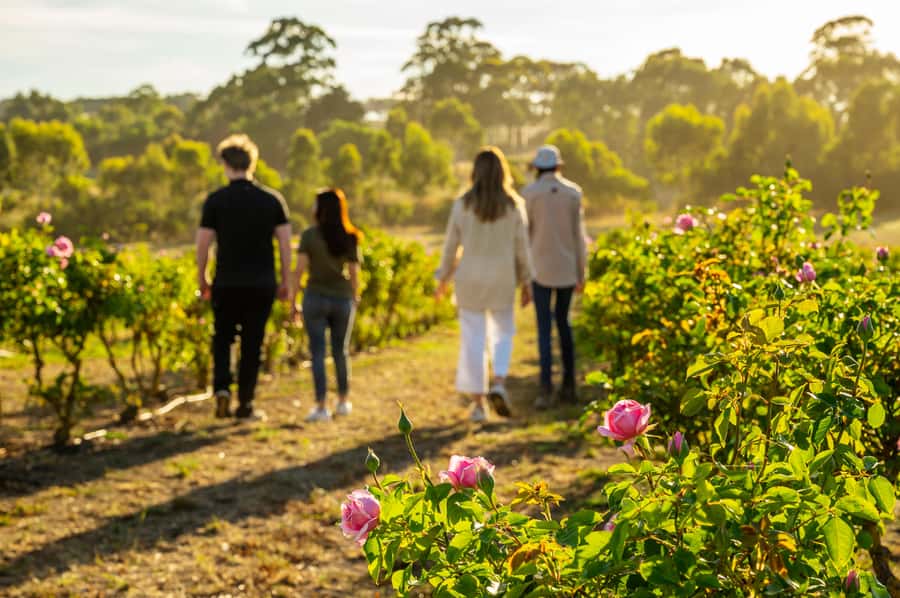
A big reason this tour earns high marks is the guide delivery. One standout name you may encounter is Kelly, a Jurlique ambassador described as enthusiastic, knowledgeable, and fun, with an interactive style that keeps the group engaged.
What that means for you in real life: you’re less likely to sit through a one-way talk and more likely to ask questions or follow along as the tour moves from seedlings to soil to harvest. Even if your interest is casual, the interactive format makes it easier to pay attention.
There’s also a helpful reminder built into the pacing: the tour focuses on the farming and biodynamic practices. That’s great if you want the origin story, but if you’re hoping for a lot of end-product science or deep ingredient lab talk, you might want to treat the shop visit as your “product knowledge” moment rather than expecting lab-style detail during the farm walk.
Biodynamic farming explained the way skincare shoppers actually need
Biodynamic farming isn’t just a marketing label here. It’s the framework connecting the farm’s daily decisions to the ingredients used in pure and natural skincare.
Here’s how to think about it as you walk:
- You’re watching for how the farm manages soil fertility and plant health over time.
- You’re learning how the farm treats growth as a system, not a shortcut.
- You’re seeing that propagation, varieties, and harvest all tie back to one goal: consistent botanical quality.
If you care about sourcing, this is the practical version of “transparency.” You don’t just get a claim—you get a guided tour of the steps behind it.
And since the tour is only 90 minutes, it’s designed to stay focused. You should come away with a clear sense of the chain from field to ingredient, even if you don’t leave with every technical detail.
Weather, footwear, and other on-the-ground tips that matter
This experience happens in all weather, so plan like you’re going to spend real time outside, not just near a garden gate. Bring comfortable footwear with grip. The tour also notes uneven surfaces, so watch your step.
Pack for the season you’re traveling in:
- hat and sunscreen
- weather-appropriate clothing
- layers, so you’re not stuck either too hot or too cold
If you have low fitness levels, this tour is stated as suitable, but uneven ground still needs respect. I’d treat it as an easy outdoor walk with a guide, not a flat, paved stroll.
Price and value: is $28 for 90 minutes a fair trade?
At $28 per person for a 90-minute guided tour, the price is easiest to judge based on what you want most: farming context or just a quick farm stop.
For me, the value comes from three things you get in one package:
- A guided walk with a Jurlique ambassador (so you’re not guessing what you’re seeing)
- A focus on the full ingredient journey, including soil, compost, and harvest
- A Farm Shop stop with exclusive products, which turns learning into something you can take home
If you’re the type who buys skincare mostly on habit, the tour might feel like “nice extra time.” But if you enjoy understanding ingredients and you like connecting brands to their real source, this is the kind of outing that makes your purchases feel more intentional.
Should you book the Jurlique Farm Tour?
Book it if you want a calm, guided look at how skincare ingredients are grown on a working biodynamic farm. It’s a good match for ingredient lovers, nature-focused travelers, and anyone spending a day (or two) in the Adelaide Hills who wants something more hands-on than a scenic viewpoint.
Skip or reconsider if you’re expecting a heavy ingredient-lab session or a tour where you’ll spend most of the time in indoor facilities. This is outdoors, it’s in all weather, and it’s built around farming steps—not product formulation chemistry.
If you’re deciding last minute, think of it like this: for $28, you’re paying for clarity. You’ll leave understanding where the botanicals come from, and you’ll have the option to buy farm-only exclusives while the story is still fresh.
FAQ
How long is the Adelaide Hills: Jurlique Farm Tour?
The tour lasts 90 minutes.
How much does the Jurlique Farm Tour cost?
It costs $28 per person.
What is included in the price?
You get a 90-minute guided farm tour with a Jurlique Ambassador.
Where do I check in before the tour starts?
Please advise the Farm Shop team of your arrival.
Does the tour run in bad weather?
Yes. The experience takes place in all weather.
What should I wear or bring?
Wear comfortable footwear and weather-appropriate clothing. The tour advises a hat and sunscreen, and you may encounter uneven surfaces.
Is it possible to cancel or pay later?
Free cancellation is available up to 24 hours in advance for a full refund. There is also a reserve now & pay later option to keep plans flexible.