REVIEW · KANGAROO ISLAND
Kangaroo Island Wool Mill Tour
Book on GetYourGuide →Operated by Kangaroo Island Wool · Bookable on GetYourGuide
Fleece becomes fashion faster than you expect. This Kangaroo Island Wool Mill Tour pairs a working mill walk with a 360° cinema show that makes the island story click. I especially like seeing the real workflow (cleaning, carding, spinning) and the fact that the process produces surprisingly little waste. The tour is also led by an English guide named Sophie, which really helps the whole thing feel personal. One possible drawback: this is mostly guided watching and learning, not a hands-on crafting session.
You’ll get a focused 75-minute visit for $21 per person, and that time is packed with storytelling plus practical production details—then you finish at the showroom if you want to take something home.
In This Review
- Kangaroo Island Wool Mill Tour: What You’re Actually Getting
- Key Highlights Worth Planning Around
- Step Into the Wool Story: Paddock to Product on Kangaroo Island
- Watching Wool Become Yarn: The 360° Show That Sets the Mood
- Inside a Working Wool Mill: Clean, Card, Spin, Repeat
- From Yarn to Garments: Craftsmanship You Can See
- The People Factor: Getting Answers From Sophie and the Team
- Showroom Time: Take Home Wool With Context
- Price and Value: Why $21 Feels Fair for 75 Minutes
- Who This Tour Suits Best on Kangaroo Island
- When to Plan It: Timing for a Smooth Day
- Should You Book the Kangaroo Island Wool Mill Tour?
- FAQ
- How long is the Kangaroo Island Wool Mill Tour?
- Where is the Kangaroo Island Wool Mill Tour located?
- How much does the Kangaroo Island Wool Mill Tour cost?
- What’s included in the Kangaroo Island Wool Mill Tour?
- Is there a live guide during the tour?
- What does the 360° Kangaroo Island Experience cover?
- Is the tour wheelchair accessible?
- Can I cancel for a full refund?
- Is there a reserve now & pay later option?
Kangaroo Island Wool Mill Tour: What You’re Actually Getting
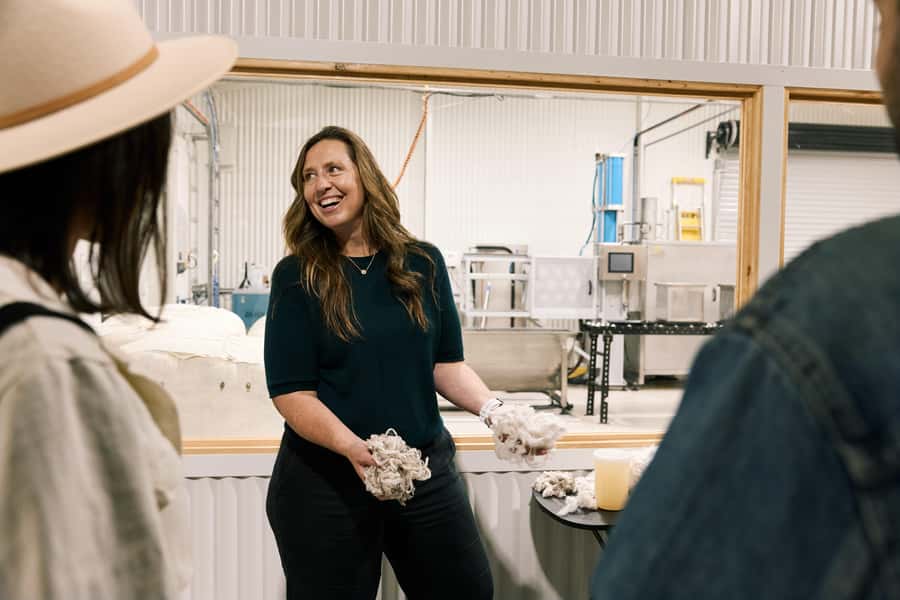
This tour is built around a simple idea: wool isn’t magic, it’s work. And on Kangaroo Island, the work starts long before any garment hits a shelf. You’re guided through the story from farming families to fibre quality, then into the working side where raw fleece turns into yarn and finished goods.
The 75 minutes matters. It’s long enough to understand the process and see machinery in action, but short enough that it fits into a day of beaches, wildlife, and coastal drives. You’re in and out without feeling like you got stuck in a long museum queue.
The “small group” format also changes the vibe. Instead of shouting over noise, your guide can slow down, answer questions, and explain what you’re looking at—especially during the mill portion, where details matter. You also get an English-speaking live guide, so you’re not stuck translating concepts like fibre quality and processing steps on your own.
And yes, it’s “tourist-friendly,” but not watered down. The value isn’t just that you’ll see wool items for sale. It’s that you’ll understand how those items are made, what goes into the softness, and why Kangaroo Island has the conditions that wool producers care about.
Key Highlights Worth Planning Around
- 360° Kangaroo Island Experience cinema to connect the island land, people, and produce before you see the mill
- Meet the maker style guiding that keeps fibre quality talk grounded and practical
- Working wool mill tour showing how fleece becomes yarn (clean, card, spin)
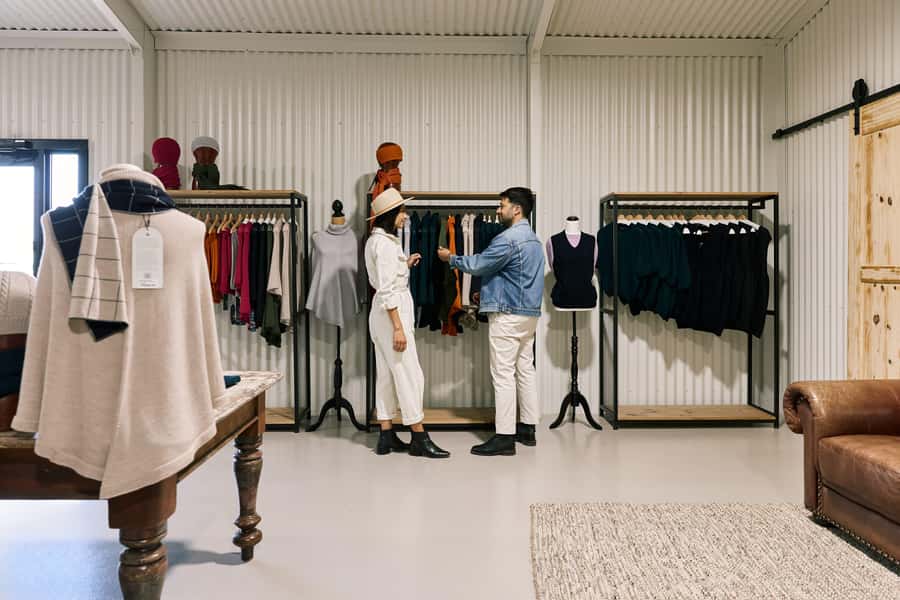
- On-site finished products like jumpers, scarves, bed linen, and woollen fedoras
- Showroom time at the end to shop with context, not guesswork
You can also read our reviews of more tours and experiences in Kangaroo Island.


Step Into the Wool Story: Paddock to Product on Kangaroo Island
The first part of the Kangaroo Island Wool Mill Tour is about framing. You start with an introduction to Kangaroo Island Wool and how local farming families come together around shared values for wool growing. The tour explains that 23 farming families are involved, with a focus on sustainable, community-focused wool production. That matters because it’s not just a sales pitch—it’s the reason the mill experience feels connected to the island rather than generic wool talk.
Then you move into the “why wool here?” angle. You’ll hear about what makes wool thrive on Kangaroo Island and how people on the ground think about fibre quality. This is the kind of explanation that’s easy to gloss over if you’re rushing. But if you pay attention, it helps you read what you’re seeing later in the mill and, ultimately, when you shop in the showroom.
I also like that this section sets you up for the machinery walk. Without context, mill equipment can look like industrial clutter. With context, you start noticing what each step is doing—why cleaning comes first, how fibres are prepared, and why consistency matters for a soft finished yarn.
Practical tip: if you’re the type who likes taking notes, bring a pen. Fibre-quality talk can get specific, and the tour moves at a smooth but steady pace.
Watching Wool Become Yarn: The 360° Show That Sets the Mood
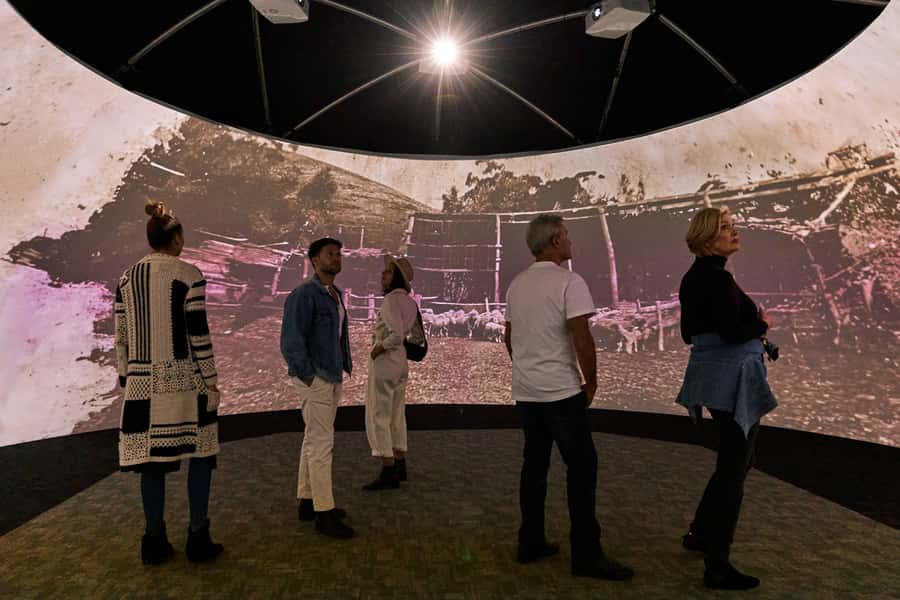
Right after the intro, you’ll take in the 360° cinematic Kangaroo Island Experience. This isn’t “big screens for the sake of it.” It’s used to set the mood and help you picture the island behind the wool—land, people, and produce—before you see the working mill.
Why it’s valuable: wool is tactile. A fleece in your hand feels simple, but turning it into yarn and then into clothing is a chain of steps. The cinema helps you switch your brain from seeing wool as an object to seeing it as a process that belongs to place and people. You’re more ready to appreciate the details when the tour turns technical.
The 360° format also works well for a mixed group. Some people love machinery. Others just want the story. The cinema segment gives everyone a common reference point, so the rest of the tour makes more sense, even if you don’t know anything about textile processing.
If you’re sensitive to motion in immersive videos, it’s worth noting this is a cinema experience rather than a rides-and-stunts attraction. Still, it’s a good idea to sit where you feel comfortable.
Inside a Working Wool Mill: Clean, Card, Spin, Repeat
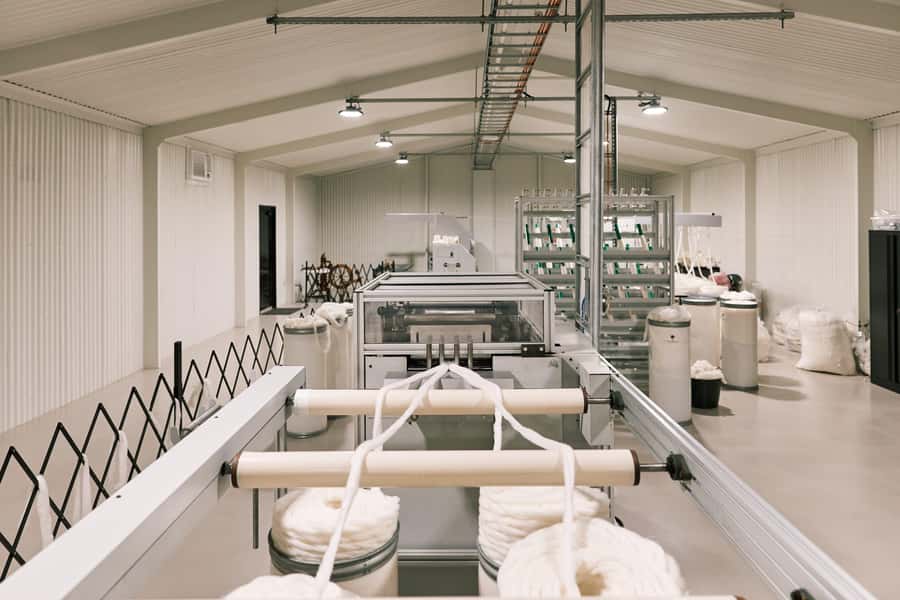
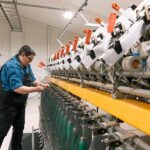
Now you get to the heart of the Kangaroo Island Wool Mill Tour: the working mill. This is where the tour earns its ticket price. You’re not just walking past displays—you’re watching the transformation from raw fleece to yarn and then seeing how that yarn becomes finished items.
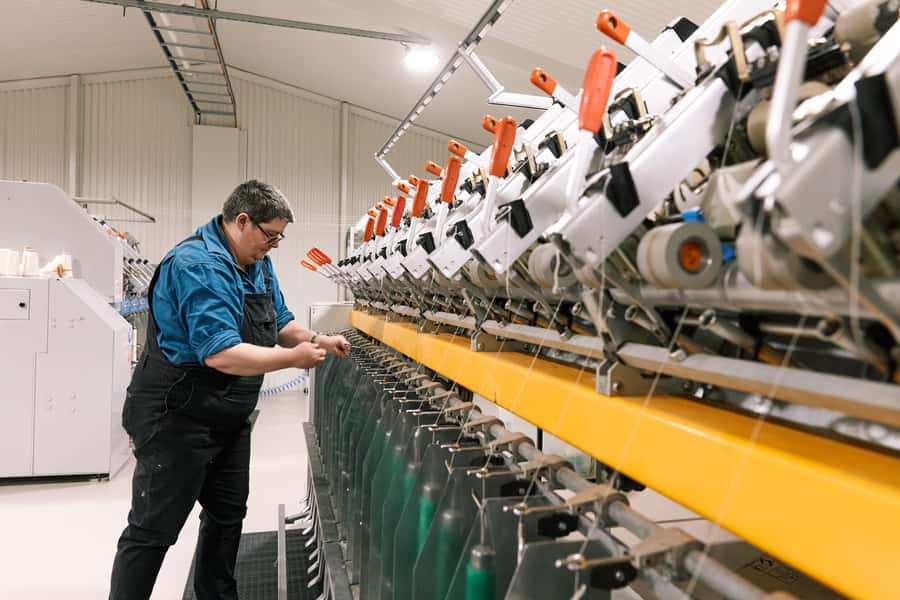
The tour highlights the key steps of wool processing. You can expect to see machines used to clean fleece, then card it, and then spin it into yarn. Those words sound like jargon until you see what they do. Cleaning is about preparing the fibre properly. Carding helps align and separate fibres so they work better together. Spinning turns prepared fibres into usable yarn.
One of the stand-out themes is waste reduction and efficiency. The tour is presented with an emphasis on producing garments and products while keeping waste low in the manufacturing process. That’s a big deal for wool, since you’re dealing with fibres that are harvested first and then refined into something consistent.
I also found it helpful that the mill portion feels guided, not chaotic. Your guide points out what you’re looking at and connects it back to fibre quality from earlier. Without that link, machinery tours can feel like a blur. With it, you start understanding what the equipment is doing and why it matters for softness and finished quality.
From Yarn to Garments: Craftsmanship You Can See
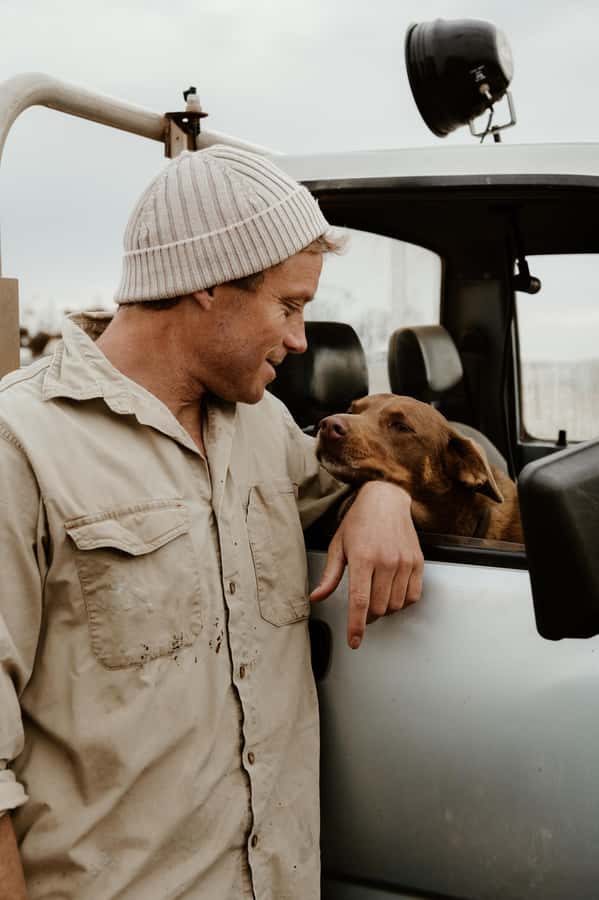
After you’ve seen the raw processing steps, the tour shifts toward the craft. This is where you understand that yarn is only half the story. Finished items are the end goal—clothing, accessories, and home textiles made from yarn produced on-site.
You’ll walk through how finished products are made available, including items like jumpers and scarves, plus bed linen. The tour experience makes the point that craftsmanship isn’t an afterthought. It’s part of the same system: fibre quality influences how yarn behaves, and yarn influences how garments feel and wear.
A standout detail from the experience is the presence of woollen fedoras—some visitors describe these as personally fitted when shopping. Even if you’re not shopping, it helps to see a “statement” product because it gives you a concrete sense of scale: wool isn’t only for basic sweaters. It can be shaped into hats and accessories too.
Practical shopping note: when you reach the garment section, don’t rush. If you want a specific item (like a hat style or a particular jumper), use the time to check texture, thickness, and finish. The tour gives you enough context to make those checks smarter than impulse buying.


The People Factor: Getting Answers From Sophie and the Team

The best mill tours are guided tours. This one clearly leans into that. An English tour guide named Sophie leads the experience and brings a lot of knowledge, with a welcoming tone that keeps people at ease.
That matters more than you might think. Processing wool has multiple steps, and if you don’t understand the “why” behind each one, you’ll just see equipment. A good guide turns the same sights into something you can actually connect to product quality.
Sophie also brings comfort in the way she explains. In a place like a working mill, you might feel like you’re in the way. A good guide helps you feel like you belong in the viewing area and understand what’s happening without worrying about disrupting anything.
You’ll also hear general info from the team and learn how the mill supports the broader story of local farming families. That people-first approach makes this tour feel more like a community visit than a factory stop.
Showroom Time: Take Home Wool With Context

At the end, you move into the showroom. This is where the story you just learned starts turning into real decisions. You’re invited to take home a piece of Kangaroo Island, and you’ll see the finished goods close up—so you’re not shopping based on a photo or a label.
What you’ll likely find includes wool garments and accessories. The tour experience highlights items such as jumpers and scarves, plus home textile options like bed linen. You may also spot woollen fedora hats, including styles that visitors describe as being fitted personally.
This is a key moment for value. If you shop first, you don’t know what you’re buying beyond size and style. If you shop after the tour, you can ask better questions: How does this yarn feel? Is this made from what you saw in the processing steps? Does the piece feel aligned with the quality talk from earlier?
Practical tip: if you plan to buy something, set a small budget before you go in. Once you see the finished products in a showroom setting, it’s easy to overspend because everything looks like it belongs in a winter wardrobe.
Price and Value: Why $21 Feels Fair for 75 Minutes
Let’s talk value straight. At $21 per person for a 75-minute tour, you’re paying for more than a walk-through. You’re getting three things bundled together:
- a live guided wool processing experience
- a 360° cinema intro that links the island story to what’s made
- a working mill visit where you can see core steps like cleaning, carding, and spinning
If you compare that to doing separate experiences—like paying for a cinema show and then separately paying for a production tour—you can see why the bundle makes sense. Even better, the tour’s focus is practical. You don’t have to be a wool expert. The guide helps you understand what matters and where the process affects the final product.
The other value angle is emotional, not just financial. When you buy a jumper or scarf after seeing the path from fleece to yarn, the purchase feels earned. You’re not just buying a souvenir. You’re buying a piece of the island’s production system.
Possible trade-off: because the tour is time-limited and guided, it won’t satisfy people who want a super long hangout in the mill shop. If you crave hours of machinery footage and deep technical discussion, you might want to pair this with extra time at the showroom or look for additional mill-related experiences.
Who This Tour Suits Best on Kangaroo Island
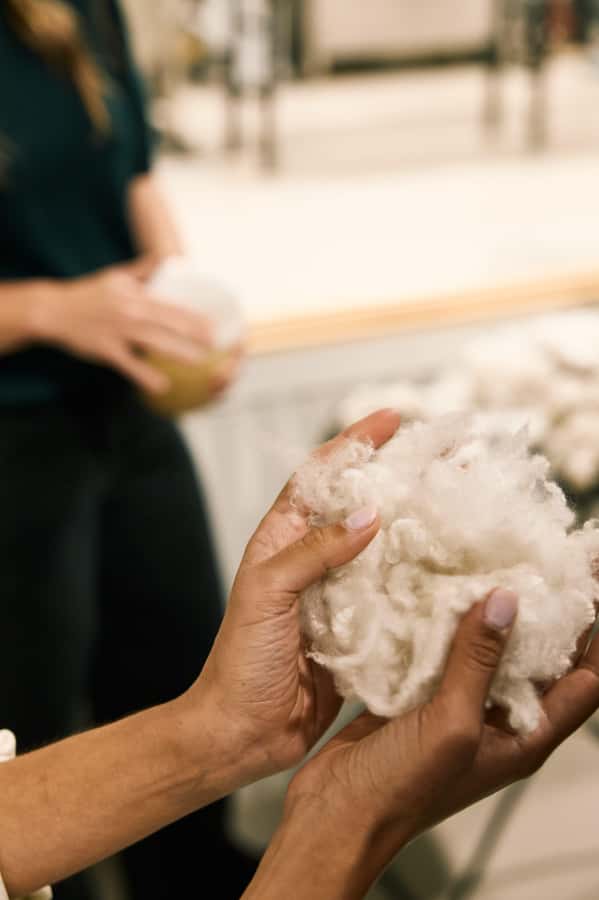
This Kangaroo Island Wool Mill Tour is a good match if you want a middle-ground experience: not too academic, not too shallow, and not so technical that you feel lost.
It’s especially good for:
- families who want a short, structured activity that explains something tangible
- couples who enjoy markets and local crafts but want a real reason behind quality
- travellers who like learning how everyday products are made, without being overwhelmed
- anyone shopping for wool items who wants to make a smarter choice
If you don’t care about wool production and you’re only looking for a quick shopping stop, this may feel like too much “process talk” for your taste. The tour is built around understanding fibre and manufacturing, so you’ll get the most if you’re curious.
When to Plan It: Timing for a Smooth Day
Because the tour is 75 minutes long, I’d schedule it for a time when you don’t want to be stuck in traffic or racing the weather. Kangaroo Island days can move fast—wildlife excursions, scenic stops, and beach time can stretch your schedule.
Aim to go when you’re ready to slow down for an indoor or semi-controlled environment. The mill and showroom pacing works well as a break between outdoor activities.
If you prefer not to shop impulsively, decide before the tour whether you’re browsing only or buying. That way the showroom feels fun, not pressure-filled.
Should You Book the Kangaroo Island Wool Mill Tour?
If you want a genuine local craft experience with real machinery, this is an easy yes. The mix of working mill viewing, a 360° Kangaroo Island cinema story, and knowledgeable guiding makes it a strong use of time. At $21 for 75 minutes, it’s also priced in a way that feels fair for what you see and learn.
I’d book it if you enjoy local products and want to understand them first. I’d also book it if you’re shopping for wool winter gear, since you’ll be better at choosing what feels right and looks good.
Skip it only if you’re not interested in how wool is processed and you mainly want entertainment without explanations. Otherwise, this tour is a practical, well-paced way to connect Kangaroo Island to something you can actually take home.
FAQ
How long is the Kangaroo Island Wool Mill Tour?
The tour lasts 75 minutes.
Where is the Kangaroo Island Wool Mill Tour located?
It’s on Kangaroo Island in South Australia, Australia.
How much does the Kangaroo Island Wool Mill Tour cost?
The price is $21 per person.
What’s included in the Kangaroo Island Wool Mill Tour?
It includes a wool mill tour, a small group tour format, and the 360° cinematic Kangaroo Island Experience.
Is there a live guide during the tour?
Yes. The tour includes a live tour guide speaking English.
What does the 360° Kangaroo Island Experience cover?
The 360° experience is described as capturing the spirit of Kangaroo Island’s land, people, and produce.
Is the tour wheelchair accessible?
Yes, it is wheelchair accessible.
Can I cancel for a full refund?
Yes. Free cancellation is available up to 24 hours in advance for a full refund.
Is there a reserve now & pay later option?
Yes. You can reserve now and pay later, with no payment required today.