REVIEW · CAIRNS
Kuranda: Australian Butterfly Sanctuary
Book on GetYourGuide →Operated by Australian Butterfly Sanctuary · Bookable on GetYourGuide
Green wings can cover you fast.
At Australian Butterfly Sanctuary in Kuranda, you’re walking into an all-weather aviary built for close butterfly encounters, with more than 1,500 tropical butterflies and the fluoro green Cairns Birdwing as the main event. The big heads-up: it can feel warm inside, so you’ll want light clothes and patience.
What I really like is the mix of free-choice exploring and real science. You can wander the aviary at your leisure, then step into the breeding laboratory where staff explain and demonstrate how butterflies go from caterpillar to chrysalis. If you’re lucky with the timing, you may also catch an upbeat live guided tour, like the one led by Nicole.
One possible drawback to keep in mind: butterfly numbers and variety can vary by day. On some visits, you might find fewer butterflies than you hoped, even though the sanctuary is designed for constant wing-fluttering action.
In This Review
- Key Things That Make This Sanctuary Worth Your Time
- Entering The Largest Butterfly Aviary In Australia (And Why It Matters)
- Your 1-Day Flow: Aviary, Museum, Lab, Gift Shop
- Start With The Aviary (Self-Guided, All-Weather)
- Add The Museum Learning Stops
- End With The Breeding Laboratory (The Real Wow Factor)
- Quick practical note
- How To Get The Best Butterfly Encounters (Bright Clothes Help)
- The Breeding Laboratory: Up to 4,000 Caterpillars, Real Stages, Real Process
- Guided Tours, Museum Stories, And Learning From The Experts
- Price And Value: Why $17 Can Feel Like A Fair Deal
- Pair It With Kuranda Village: Plan Food Before Or After
- Should You Book Australian Butterfly Sanctuary?
- FAQ
- How long is the Australian Butterfly Sanctuary experience?
- Is Australian Butterfly Sanctuary open in bad weather?
- How much does entry cost, and where is it located?
- Can I bring food or drinks into the sanctuary?
- What should I wear to increase my chances of close butterfly encounters?
- Is the visit self-guided or guided?
- What will I see in the breeding laboratory?
Key Things That Make This Sanctuary Worth Your Time
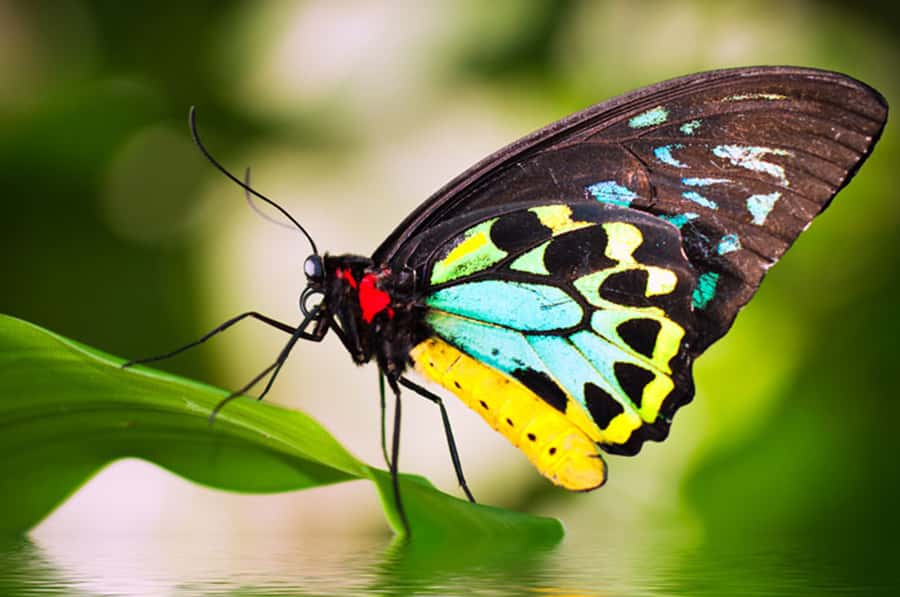
- Cairns Birdwing star power: the fluoro green look is why people keep returning
- Self-guided aviary time: you control the pace, not a scripted walk
- Breeding lab viewing windows: watch caterpillars in different stages of development
- Eggs daily, caterpillars hand-raised: see the full life-cycle process described by staff
- Local rainforest species: the butterflies aren’t random imports; they’re tied to the region
Entering The Largest Butterfly Aviary In Australia (And Why It Matters)
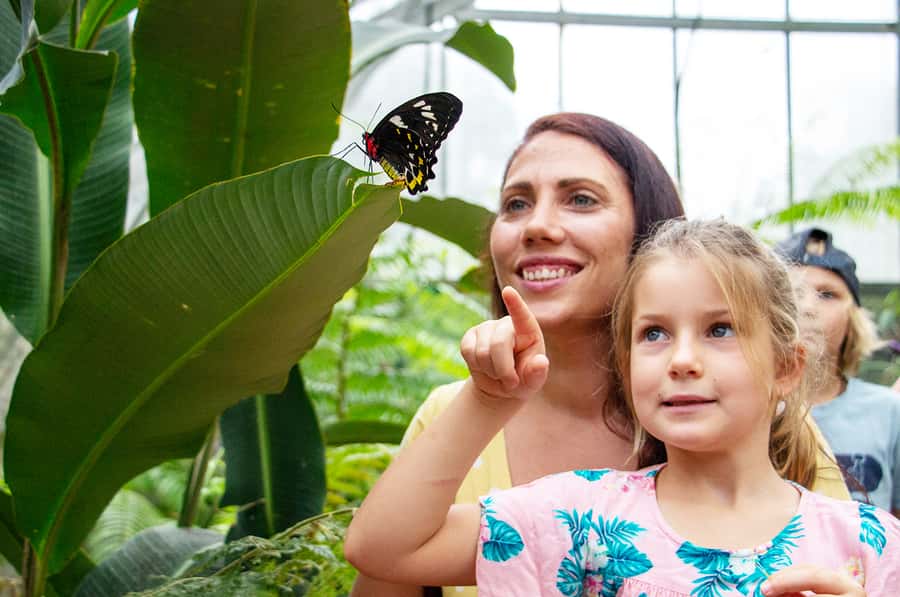
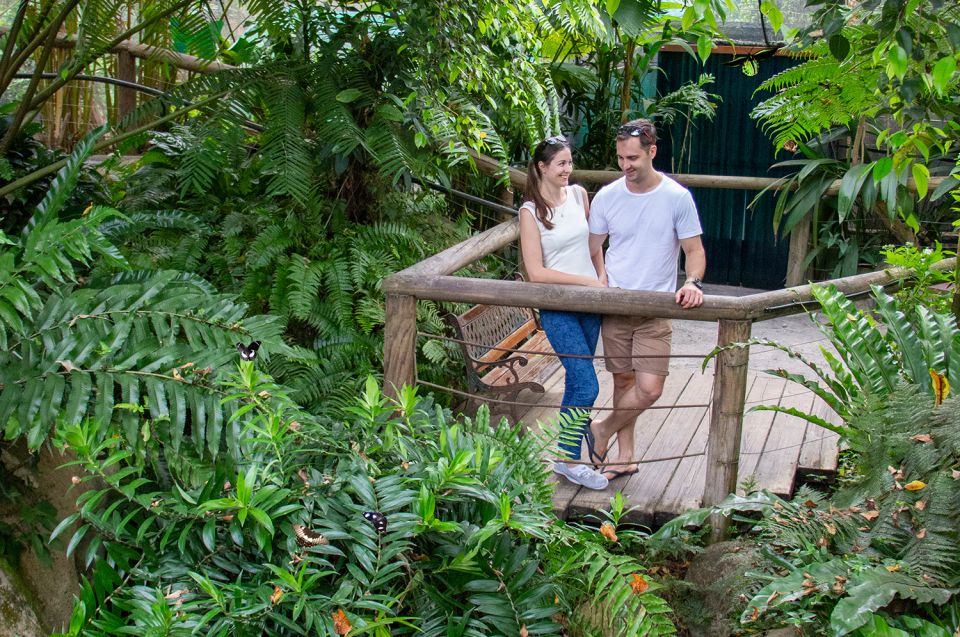
This isn’t a small room with a few butterflies. Australian Butterfly Sanctuary is the largest butterfly flight aviary and exhibit in Australia, and it’s built around one simple idea: you should be in the same airspace as the butterflies, not behind a thick viewing barrier.
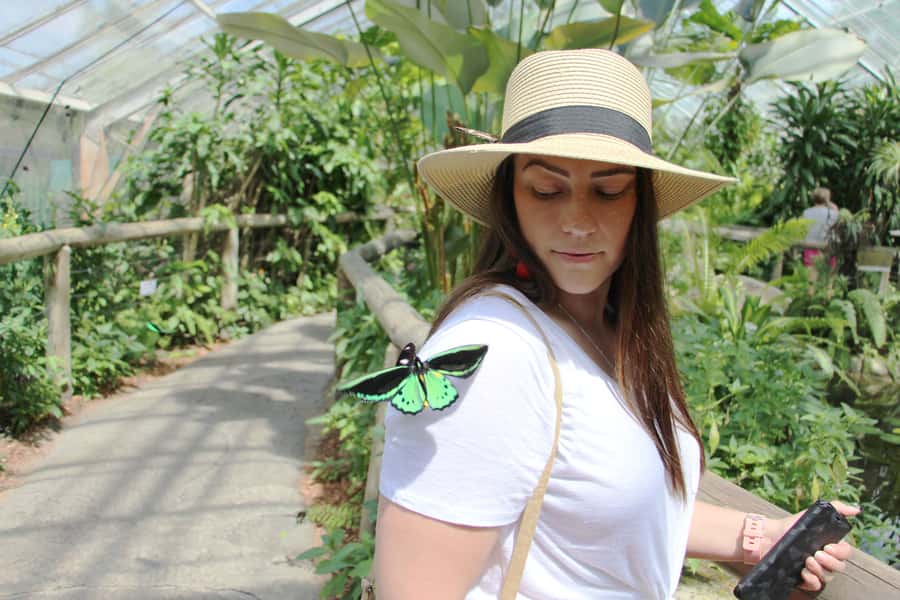
That changes the vibe. Instead of “looking at butterflies,” you’re sharing the environment they live in. You’ll notice the fluttering up close, and if one decides your shoulder or sleeve is a good place to rest, you’ll see it happen in real time. It’s surprisingly personal.
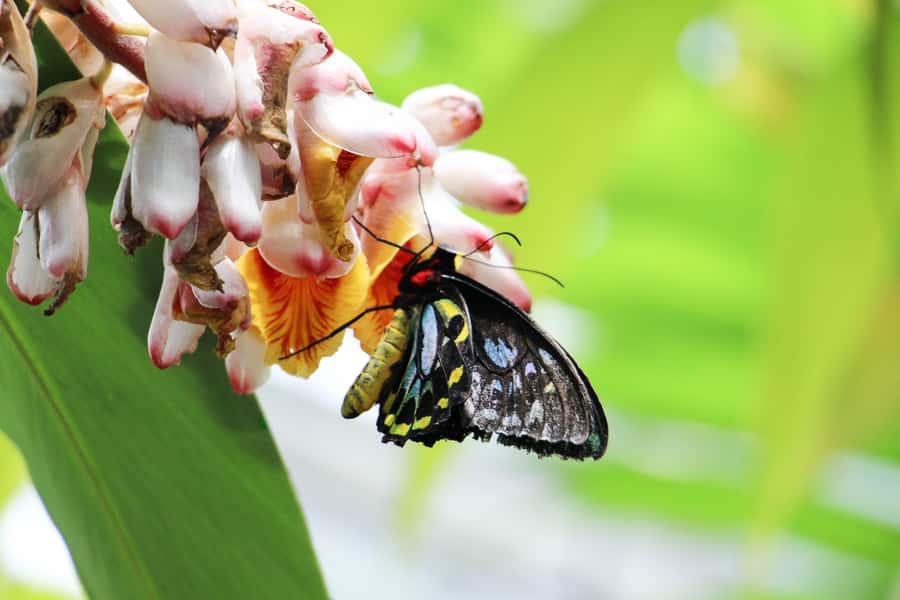
The sanctuary’s focus is also practical. The butterflies are local rainforest species, so the experience feels grounded in the ecology of Queensland rather than a generic collection. And the Cairns Birdwing is the headline you can actually see with your own eyes—fluoro green wings that look almost unreal against the tropical setting.
Just remember the room is designed for butterflies, not air-conditioned comfort. If you get heat-sensitive easily, plan to stay flexible and drink water before you enter the sanctuary area. Inside, you won’t be bringing food or drink anyway.
You can also read our reviews of more tours and experiences in Cairns.



Your 1-Day Flow: Aviary, Museum, Lab, Gift Shop
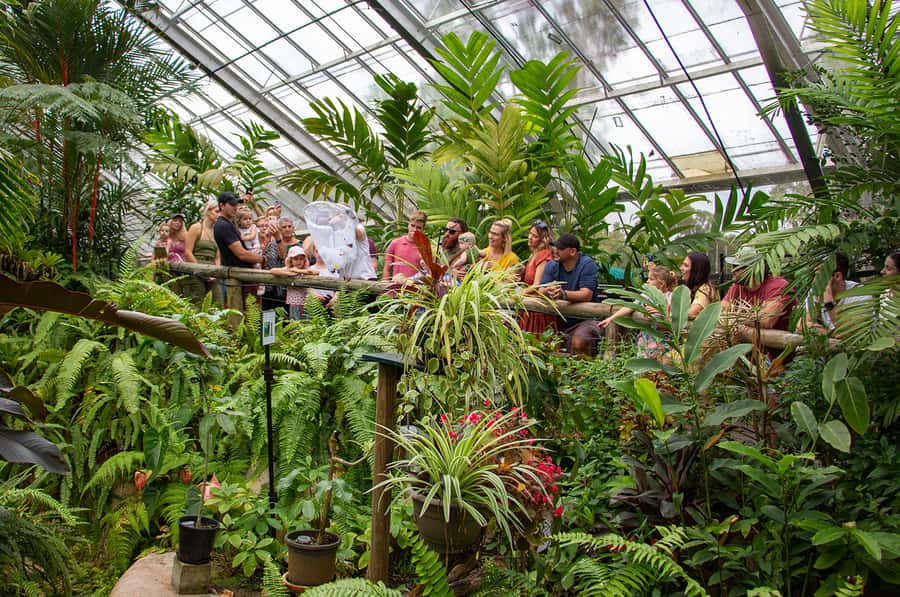
This is a simple outing that still feels like you’re doing three different things: exploring, learning, and observing the life cycle up close.
Start With The Aviary (Self-Guided, All-Weather)
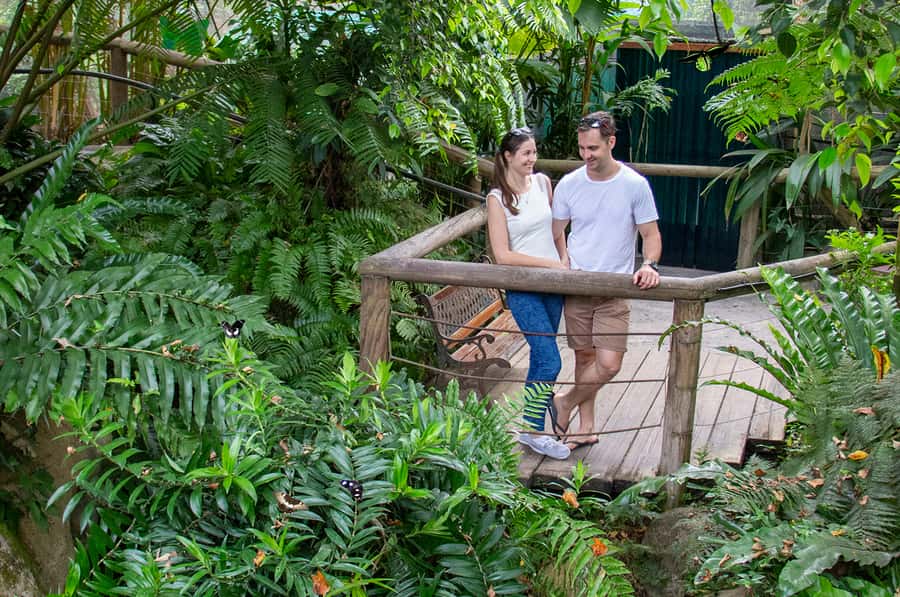
Once you’re in the sanctuary, you’ll be free to explore the biggest butterfly aviary in Australia at your leisure. The goal is to slow down and look for movement. Many of the butterflies aren’t only flying; you’ll also spot them settling and climbing around their preferred spots.
You’ll learn as you go. Guides explain butterfly behavior and life cycles, and you’ll get prompts to identify different butterfly species. Even if you don’t remember every name, you’ll start to recognize the patterns in how they move and rest.
Add The Museum Learning Stops
Next, head to the museum area included with your entry. It’s there so you’re not leaving with only visuals. You’ll learn about various species and their breeding cycles, including information that connects local rainforest butterflies to wider butterfly biology.
This part helps you make sense of what you’re seeing later in the lab. Without it, the breeding process can feel like magic. With it, it feels like nature with a learning plan.
End With The Breeding Laboratory (The Real Wow Factor)
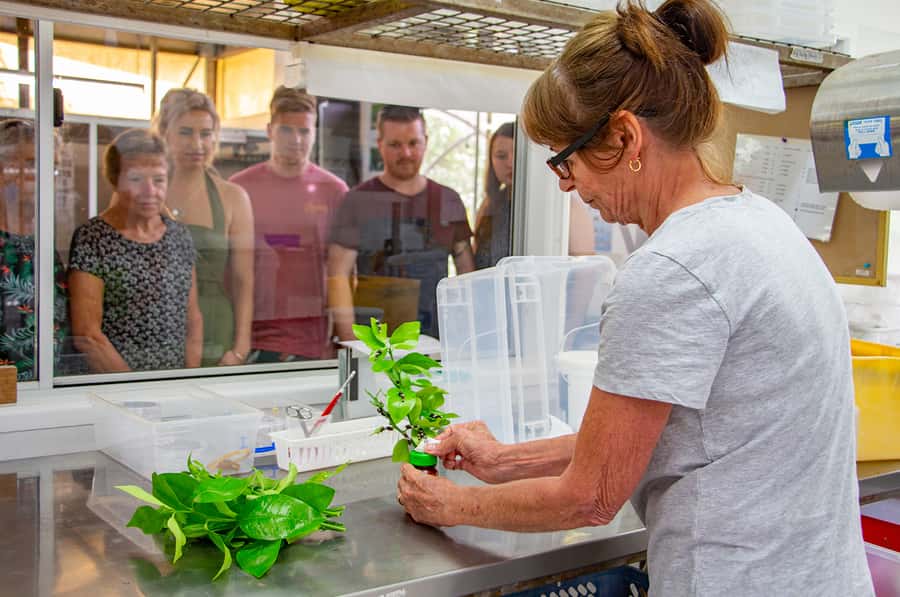
The breeding laboratory is where the experience turns from pretty to meaningful. You can view the lab through special viewing windows, and you’ll see caterpillars in different stages of development.
The sanctuary houses up to 4,000 caterpillars. That number is a reminder that this is not just a decorative exhibit—it’s an active breeding program managed by trained staff.
After that, you can browse the gift shop for a souvenir that fits what you actually learned. It’s often easier to buy something small and specific after a life-cycle experience than after a quick photo stop.



Quick practical note
No food or drink is allowed in the sanctuary area. Plan to eat in Kuranda Village before or after. This keeps the butterflies and their environment protected, and it also keeps your visit from feeling like a messy snack-and-stroll.
How To Get The Best Butterfly Encounters (Bright Clothes Help)

If you want butterflies fluttering around you, this is the part you should take seriously. The sanctuary encourages a wardrobe strategy: wear something bright—red, white, or hot pink are best.
Why this matters: butterflies fly by cues, and bright colors tend to create a stronger contrast in the environment. So while you can’t control where every butterfly goes, you can improve your chances of close contact.
Also, consider the mood you want. This is not a “stand far back and zoom in” experience. You’re meant to be near the butterflies. If you’re comfortable with insects and curious about nature, you’ll likely enjoy the interaction. If you’re easily freaked out, you might find the up-close encounters more intense than expected.
One more thing: wear clothes you don’t mind getting slightly rumpled. Butterflies love landing on surfaces, and you’ll see them touch down where they choose—sometimes on you, not just nearby plants.
And yes, it can be a little warm. That’s the tradeoff for being in a butterfly flight space all-weather designed for the animals first.
The Breeding Laboratory: Up to 4,000 Caterpillars, Real Stages, Real Process
If you remember one part of this visit, make it the breeding laboratory.
Here’s what you can expect:
- You’ll view caterpillars through special windows
- You’ll see them in varying stages of development
- The laboratory staff collects eggs daily
- Caterpillars are hand-raised through to the chrysalis stage
- Then butterflies are released into the sanctuary
That last step is important. Many exhibits show life cycles, but they don’t always explain the full “care to release” pathway. Here, you can actually watch the system in action. It’s the closest thing to a butterfly production timeline you’ll find in the middle of Kuranda.
Why it feels valuable: it turns butterflies from random decoration into living creatures with a schedule. You start to understand why butterflies behave differently at different times—why some rest more, why certain species look ready to change stages, and why staff involvement matters for breeding success.
It’s also educational without being heavy. The information is delivered by experts and connected to what you’re seeing, so you’re not stuck reading dry facts after the fact.
Guided Tours, Museum Stories, And Learning From The Experts
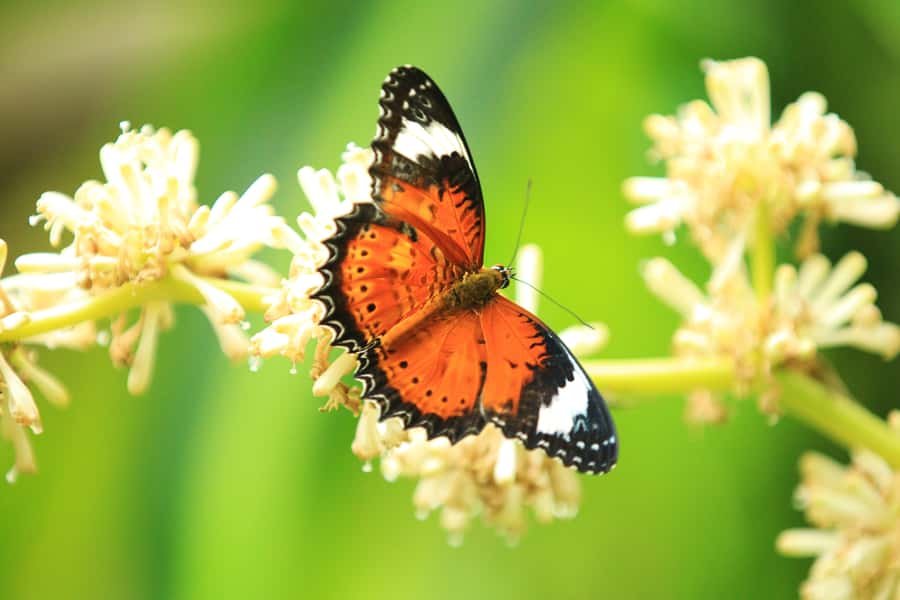
Even though the aviary is self-guided, you shouldn’t skip the free guided tour opportunity. You can join one of the free guided tours included with entry, and you’ll want to enquire about times on arrival.
These tours are where names and details click into place. You’ll hear explanations of behavior and life-cycle stages, and you’ll get help identifying species. If a butterfly looks similar to another one, a guide can point out the differences fast.
From experience with how these tours feel, I’d focus on one practical strategy: arrive with questions in mind. Ask what to look for in the Cairns Birdwing, what to expect in the breeding lab, and how species differences show up in flight or resting.
One guide name that stands out in the sanctuary’s orbit is Nicole—known for being enthusiastic, interesting, and welcoming. When a guide is like that, the whole visit becomes easier, because you’re not just wandering; you’re translating what you see.
The museum also supports this learning layer, including information about butterflies from around the world and their breeding cycles.
Price And Value: Why $17 Can Feel Like A Fair Deal
At $17 per person for a full 1-day experience, this is priced like something designed for repeat visits. That matters because butterflies don’t always behave on command.
You’re paying for:
- Entry into the largest butterfly sanctuary in the southern hemisphere
- A self-guided aviary experience
- Included guided tours
- Museum learning
- Breeding lab viewing and expert explanations
- A chance to learn about breeding caterpillars up close
That’s a lot of learning and observation for one day. The value gets even better if you’re going as a couple or with kids, because the education doesn’t require you to sit still for long. You’re moving, watching, and talking.
Now, here’s the honest balance: sometimes you might feel like there aren’t as many butterflies or as much species variety as you expected. If you’re the type who needs big numbers every minute, that day-to-day variation can be disappointing.
But if you’re flexible, enjoy nature at close range, and want a real life-cycle story, $17 can feel like a smart spend rather than a touristy impulse.
Pair It With Kuranda Village: Plan Food Before Or After
Because no food or drink is allowed in the sanctuary, your best move is to build your day around a meal in Kuranda Village.
You’ll find plenty of places to eat before or after your visit, which is helpful if:
- you’re visiting in the middle of the day and want a proper break
- you’re traveling with others who might need a calmer pace
- you want to reward the group after the wings-and-heat session
Think of it like this: butterflies are the main act, Village Kuranda is your reset button.
Should You Book Australian Butterfly Sanctuary?
Book it if you want a short, all-weather nature experience that mixes fun and education. This is especially worth it if you’re curious about butterfly life cycles, want to see the breeding laboratory process, and are excited about the Cairns Birdwing specifically.
Skip—or at least temper expectations—if you’re only satisfied when you’re guaranteed maximum butterfly density and variety every single moment. Some days may feel lighter on butterfly volume, and the sanctuary is warm enough that heat-sensitive people should plan accordingly.
If you’re okay with a little unpredictability (that’s nature’s setting), you’ll probably walk away understanding more than you expected for a $17 ticket.
FAQ
How long is the Australian Butterfly Sanctuary experience?
The experience is listed as lasting 1 day.
Is Australian Butterfly Sanctuary open in bad weather?
Yes, it’s described as an all-weather experience.
How much does entry cost, and where is it located?
Entry is $17 per person. The sanctuary is at 8 Rob Veivers Dr, Kuranda Qld 4881.
Can I bring food or drinks into the sanctuary?
No. Food or drink is not allowed in the Sanctuary. You’ll need to eat in Kuranda Village before or after.
What should I wear to increase my chances of close butterfly encounters?
The sanctuary recommends wearing something bright, with red, white, or hot pink as the best choices.
Is the visit self-guided or guided?
You can explore the aviary at your leisure as a self-guided experience. There are also free guided tours included, and you can enquire about times on arrival.
What will I see in the breeding laboratory?
You can view the breeding laboratory through special viewing windows and see caterpillars in varying stages of development. The lab can house up to 4,000 caterpillars, and staff collect eggs daily and hand-raise caterpillars through to the chrysalis stage before releasing butterflies into the sanctuary.