REVIEW · QUEENSLAND
One Hour Coral Farm Tour, Discover Australia’s Marine Life
Book on Viator →Operated by Monsoon Aquatics Coral Farm Tours · Bookable on Viator
A coral farm tour beats most reef education. In a tight 1-hour guided format, you’ll watch how coral is grown, then see 200+ species up close. I also like the added photo help, since they loan you a phone lens filter for the colors; the only real catch is that it’s a working aquaculture farm, so expect wet floors and plan for closed-in, non-slip shoes.
What makes this stop feel special is the mix of science and real-world conservation. You learn why coral matters to whole marine ecosystems, and you’ll get a hands-on look at how reef restoration work is done on land.
One more consideration: tours run in all weather, so you may be standing on decks or moving between areas—quick and easy, but not a sit-down show.
In This Review
- Key things I’d circle before you go
- Coral Farming in Bundaberg: What You’ll See in 75 Minutes
- Monsoon Aquatics Coral Farm: The Tanks, the Species, and the Science
- Your Phone Photos: The Lens Filter That Actually Helps
- Weather, Wet Floors, and Working-Farm Reality
- How the Guides Make It Click (Names You May Hear)
- Timing and What a Single Stop Tour Feels Like
- Price and Value: Is $22.95 Worth It?
- Who Should Book This Tour (and Who Might Skip)
- Should You Book the One Hour Coral Farm Tour?
- FAQ
- How long is the coral farm tour?
- Where do I meet for the tour?
- What is the tour price?
- What should I wear?
- Is the phone camera lens filter included?
- Can I get a refund if plans change?
Key things I’d circle before you go
- Australia’s biggest coral farm at Monsoon Aquatics in Bundaberg
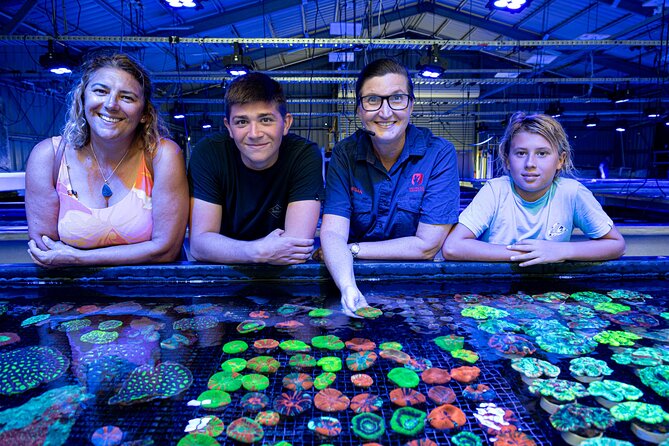
- 200+ coral species sourced from across Australia’s coast
- Live coral feeding and propagation demonstrations during the tour
- Phone lens filter loaned so your photos actually capture the colors
- Small group size (max 16) for better viewing and questions
- All-weather tours, with conditions that can mean wet surfaces
Coral Farming in Bundaberg: What You’ll See in 75 Minutes
This tour is short on purpose: about 1 hour 15 minutes, with a single, guided circuit through the coral farm. It’s designed for people who want real insight without turning the day into a long research project. You start at 145 Buss St, Burnett Heads QLD 4670, and the activity ends back there.
The big promise is seeing coral cultivation up close—while learning how coral supports the wider marine ecosystem. Even if you’ve never cared much about “science stuff,” this tour makes it visual. Coral isn’t just scenery; it’s living habitat. So when you see different species housed in tanks, it starts to make sense why farms like Monsoon Aquatics are part of larger reef restoration efforts.
If you’re traveling with kids or a mixed group, this timing is a plus. One hour is long enough to feel like you learned something, but short enough that attention usually holds.
A few more Queensland tours and experiences worth a look

Monsoon Aquatics Coral Farm: The Tanks, the Species, and the Science
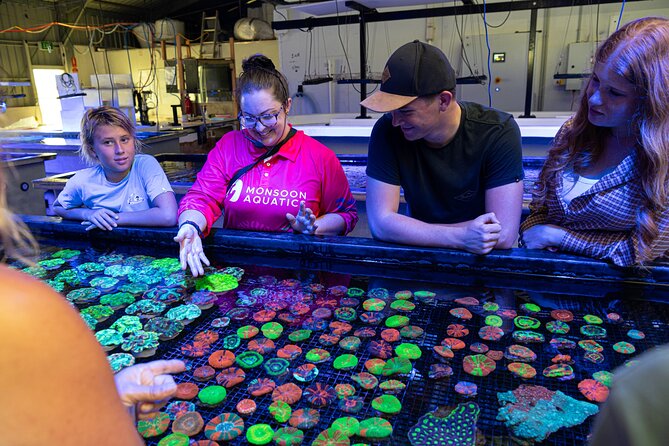
The core experience happens at Monsoon Aquatics Coral Farm Tours, where you’ll tour the working facility behind Australia’s reef support and restoration work. You’re there to witness how coral grows in controlled conditions, and why that matters for the health of reef ecosystems.
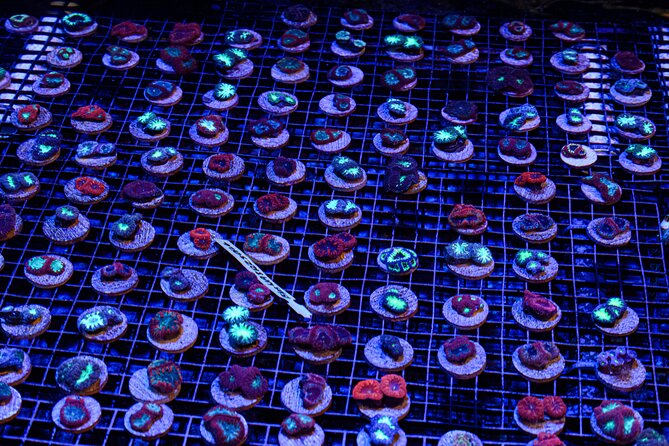
A highlight is the sheer variety: you can see over 200 coral species during the tour, sourced from all around Australia’s coast. That number matters. It’s not a small showroom of a couple of favorite corals. You get a sense of how broad coral diversity is, and how many different shapes and growth patterns you can expect.
You’ll also see elements that feel like part animal-care, part lab work. The tour includes live coral feeding and propagation demonstrations. Feeding helps you understand that coral cultivation isn’t just “let it sit and grow.” Propagation shows how growers work toward new colonies—exactly the kind of step reef restoration relies on.
The practical takeaway for you: if you ever felt confused about the difference between coral and reefs, this kind of facility visit helps clear it up fast. You’re seeing organisms and methods, not just a postcard.
Your Phone Photos: The Lens Filter That Actually Helps
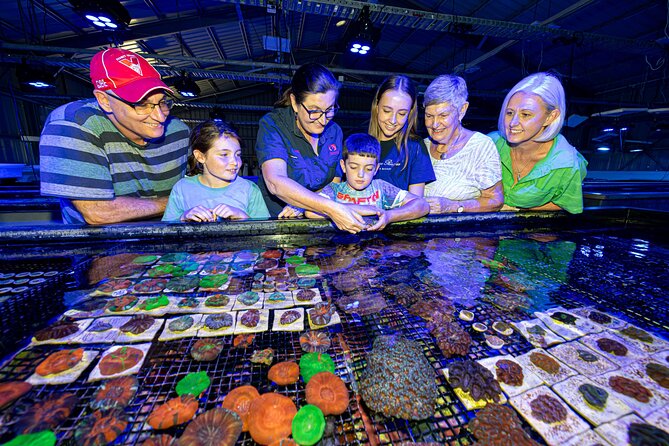
One of the smartest perks here is simple: they loan you a special lens filter that fits over your phone camera during the tour. The goal is straightforward—help you capture the coral’s color and details.
If you’ve tried photographing corals before, you know the problem. Colors can look flat, and tiny details get lost. This tour’s phone filter is meant to reduce that frustration so you’re not stuck with one drab picture after another.
Here are a few practical tips that fit the way the farm is set up:
- Keep your phone lens clean before you start.
- Don’t rush shots right when you enter an area; wait a moment so you can get the tank lighting you want.
- Ask your guide what to focus on—coral varies a lot by species, and the tour is built to show you those differences.
For anyone taking photos for memories (or for family back home), this added gear turns the visit into something you can take home, not just something you look at for an hour.
Weather, Wet Floors, and Working-Farm Reality
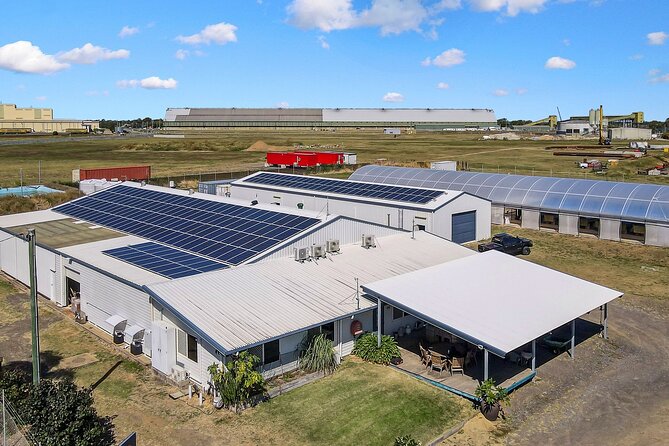
This isn’t a theme park. It’s an active aquaculture farm, which means you’ll be walking around areas that can get wet. The operator’s guidance is clear: wear non-slip shoes, because floors may be wet.
That doesn’t sound glamorous, but it’s the difference between a comfortable tour and a tense one. Closed-in, grippy footwear keeps your pace easy while you move between tanks and viewing spots.
The tour also runs in all weather. If rain shows up, you still go. That’s good news for planning—Bundaberg weather is what it is, and you won’t get stuck hoping for sunshine. Just pack like you’re touring a working facility: shoes with traction, and a light layer that won’t trap you in sweat if you warm up indoors.
Also keep in mind it’s short and mobile. Your physical needs are described as moderate fitness—nothing extreme, but expect some walking and standing while you look.
How the Guides Make It Click (Names You May Hear)
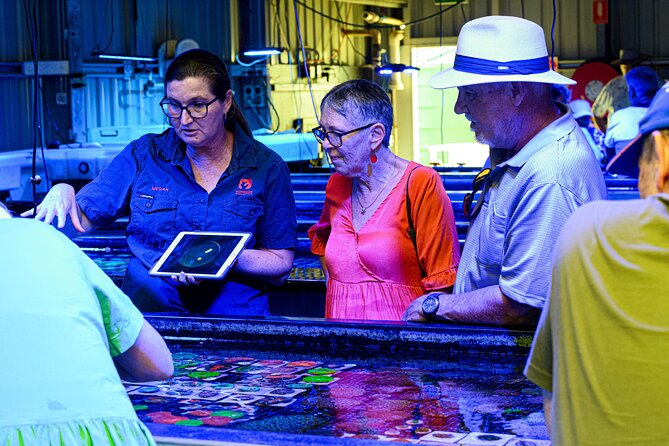
A big part of why this tour lands well is how it’s taught. People consistently mention guides who manage to be both friendly and informative, with clear explanations while the farm is busy doing farm-thing.
Some guide names that show up include Megan, Indie, and Nyki. You might not get the same person each day, but the common theme is communication that works in a real working environment—keeping the group moving while still making time to look carefully.
One small pattern you can use to set expectations: the tour may start with a strong voice to get everyone’s attention, then settles into a comfortable volume once you’re inside the tanks and focused on what matters.
If you’re traveling with kids, there’s a practical comfort detail too. While you’re waiting, there can be coloring activities on tables on the deck, which helps keep younger visitors occupied before the tour begins.
Group size is capped at 16, which helps a lot here. Smaller groups mean you can actually see what the guide is pointing out, and you’re not constantly blocked by someone standing in the wrong place.

Timing and What a Single Stop Tour Feels Like
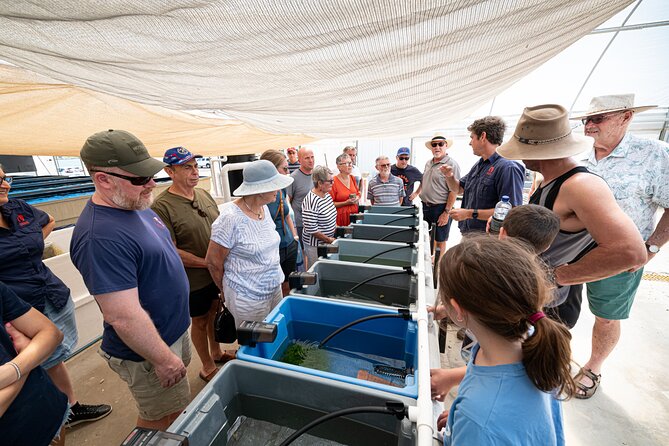
This is a one-stop experience. It runs from the meeting point at 10:00 am, and the tour includes time to see tanks and move through the farm areas with your guide. The advantage of a single, focused stop is that you don’t have to factor in multiple locations, transfers, or complicated schedules.
You’ll also want to arrive a bit early. There’s confirmation after booking, and the tour uses mobile tickets, so you can line up quickly once you arrive. Since there appears to be just one tour time per day at 10:00 am, planning matters if you’re trying to fit it between other Bundaberg activities.
For most people, the visit slots nicely into a day even if you’re not doing a big outing. It’s a focused window—short enough to keep the schedule flexible.
Price and Value: Is $22.95 Worth It?
At $22.95 per person, the price is very reasonable for a guided, hands-on learning experience with a working facility. You’re not paying just for a quick look. You’re paying for:
- a guided tour (about 1 hour 15 minutes),
- access to a facility focused on coral cultivation,
- and the included phone lens filter that helps you capture the experience.
Is it “value” in the sense of a bargain? Not always. But it’s a strong deal when you compare it to the cost of a longer day tour, or a generic wildlife experience that doesn’t come with this level of behind-the-scenes explanation.
What makes the value feel real is the conservation connection. This isn’t only about pretty corals. The farm’s focus includes reef restoration and marine ecosystem preservation. You’ll see the practical work that supports the story you might hear later about reefs farther offshore.
If coral is already your thing, the price feels like a fair trade for 75 minutes of guided learning you can’t easily replicate on your own.
Who Should Book This Tour (and Who Might Skip)
You’ll likely enjoy this if you want:
- a clear introduction to coral growth and reef restoration methods,
- close-up viewing of many coral types in one hour,
- and a family-friendly format that doesn’t drag.
It’s especially useful if you care about conservation but don’t want the time commitment of a longer day or multiple stops. For people who may not be able to handle extended outdoor activities, the short duration and controlled viewing areas can feel like a better fit.
You might consider skipping if:
- you’re expecting a quiet, sit-and-watch museum vibe, or
- you don’t want to deal with wet, working-farm surfaces (even with good shoes).
This is built for curiosity. If you like asking questions, the small group size helps you get answers.
Should You Book the One Hour Coral Farm Tour?
I’d book it if you’re in the Bundaberg area and want a reef-related experience that’s practical, educational, and easy to fit into your day. The combination of 200+ species, live demonstrations, and the phone lens filter makes it feel like more than just a walk past tanks. Plus, with a 5-star average and 100% recommendation reported for this activity, it’s hard to call it a gamble.
If you’re on the fence, here’s the deciding test: do you like learning how things work—specifically how coral is kept alive and grown for restoration? If yes, this tour is a smart use of time.
And if coral photography matters to you, the included phone filter alone is a good reason to go.
FAQ
How long is the coral farm tour?
The tour runs for about 1 hour 15 minutes.
Where do I meet for the tour?
You’ll start at 145 Buss St, Burnett Heads QLD 4670, Australia. The activity ends back at the meeting point.
What is the tour price?
The price is $22.95 per person.
What should I wear?
Wear non-slip shoes, since the floors may be wet as this is a working aquaculture farm.
Is the phone camera lens filter included?
Yes. They loan you a special phone lens filter for the duration of the tour.
Can I get a refund if plans change?
You can cancel for a full refund if you cancel at least 24 hours before the experience’s start time. If you cancel less than 24 hours before, the amount paid isn’t refunded.