REVIEW · MELBOURNE
Melbourne: Private Foodie’s Guide to Footscray Walking Tour
Book on GetYourGuide →Operated by Intrepid Urban Adventures - Australia · Bookable on GetYourGuide
Footscray tastes like the world. This private 150-minute walk layers Vietnamese banh mi and Sicilian cannoli over real local stories, from immigrant life to First Nations activism. My only caution is that it’s a walking tour with snack breaks, so you’ll want comfortable shoes and the mindset to stand and nibble while you go.
I love how the route isn’t stuck in a “see sights, take photos, move on” loop. You start at the market for the smells and chatter, then you move into street art, community spaces, and a final stop built around Ethiopian coffee and injera.
The value is strong for $134 per person: you get a local English-speaking guide, the food and coffee, and the tour is carbon-neutral with a B Corp certified operator. Plus, there’s a $1 donation per person tied to the local community organizations you visit.
In This Review
- Key things I’d watch for on this Footscray walk
- Why Footscray, not the CBD, is the food-and-stories Melbourne
- Meeting at Footscray Station and how the 150-minute rhythm works
- To’s Bakery & Café: fresh Vietnamese banh mi in the middle of it all
- T. Cavallaro & Sons: Sicilian cannoli and the sweet-history connection
- Street art, city views, and real names behind the murals
- Footscray Community Arts Centre: First Nations and multicultural art with a job to do
- The Asylum Seeker Resource Centre photo stop: Melbourne shaped by migration and support
- Ethiopian coffee and injera at a local restaurant: the final lesson in taste
- Price and value: why $134 can be a fair deal for real local access
- Who should book this Footscray foodie walk
- Should you book this Footscray Foodie’s Guide?
- FAQ
- What’s the meeting point for the Footscray walking tour?
- How long is the tour?
- What food and drinks are included?
- Is the tour carbon-neutral?
- Can the tour accommodate dietary restrictions?
- Is it wheelchair accessible?
- Can I cancel and get a full refund?
Key things I’d watch for on this Footscray walk
- Market-to-meal flow: you’ll snack at local bakeries/cafes before shifting into art and community history
- Two very different comfort foods: fresh Vietnamese banh mi and traditional Sicilian cannoli
- Ethiopian coffee + injera explanation: you’re not just ordering coffee, you’re learning what you’re drinking and eating
- Street art with context: political murals and community visuals tied to real people and events
- A guide who connects food to stories: a guide named Tristan is repeatedly praised for making the history stick without getting boring
Why Footscray, not the CBD, is the food-and-stories Melbourne
If you want Melbourne that feels lived-in, Footscray is the move. It’s a multicultural suburb where different communities share the same streets, markets, and shopfronts. That matters because it changes what you notice: you’re not just eating, you’re clocking how migration, activism, and everyday routines shape a neighborhood.
This is the kind of tour that helps you see the “why” behind the food. Bahn mi isn’t treated like a random menu item. Cannoli isn’t treated like a sugar souvenir. They’re framed as part of the communities that helped build Footscray’s identity.
You also get a side of Melbourne that’s harder to find if you only base yourself in the city center. Here, the stories are tied to specific places: markets, community art spaces, and support organizations you can actually point to.
You can also read our reviews of more walking tours in Melbourne
Meeting at Footscray Station and how the 150-minute rhythm works

You’ll meet outside Footscray Railway Station at 37 Irving Street, at the bottom of the main concourse steps. That’s convenient because you can plug it into your day without extra shuttle planning, especially if you’re already using public transport.
The total time is 150 minutes, and the tour is designed as a steady walk with short stops. The places where you eat are timed so you can taste, listen, and then move on, rather than waiting around for long stretches. Still, it’s not a sit-everywhere experience, so plan for a bit of standing and light walking between locations.
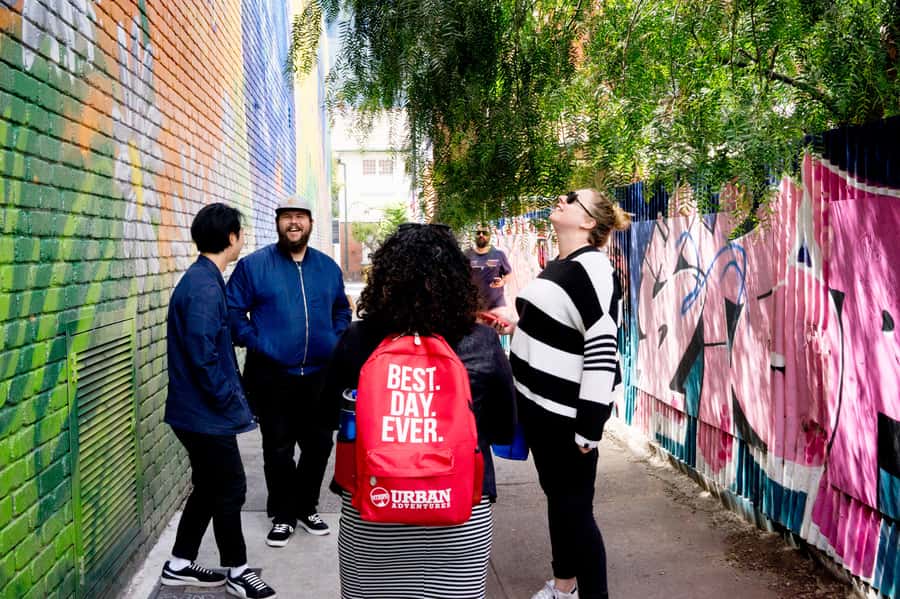
Because it’s private, you get a calmer pace than big group walks. You should still wear comfortable clothes and keep your camera handy, since street art and views show up along the way. If you’re someone who likes to linger at a mural, this format is good as long as you don’t mind sharing time with the next food stop.
To’s Bakery & Café: fresh Vietnamese banh mi in the middle of it all
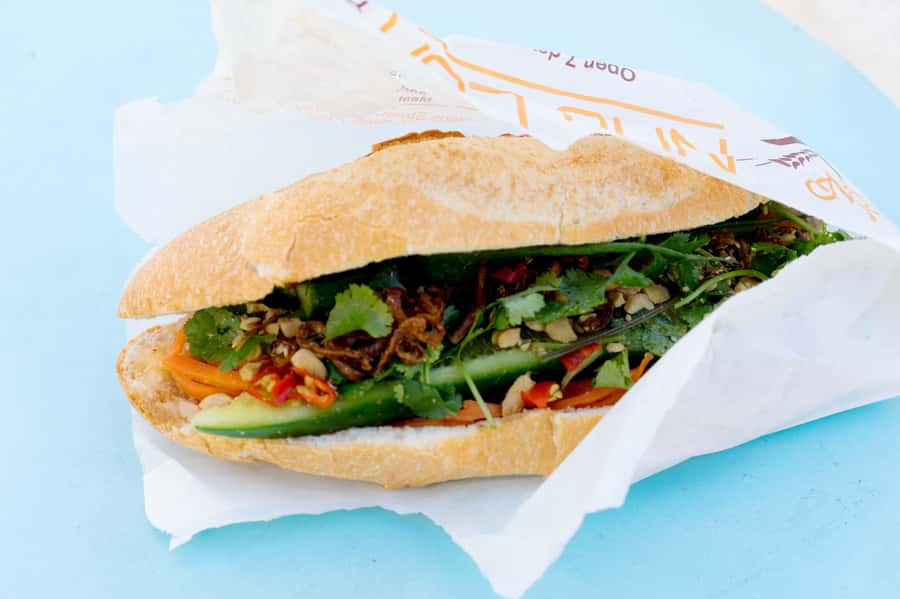
Your first food moment lands at To’s Bakery & Café. This stop is about street food energy and local market atmosphere, not just a quick bite. You’ll spend around 20 minutes here, which is enough time to taste without feeling rushed.
What I like about this kind of start is that it sets your senses on. You’re in the market zone, so the smells, the casual movement, and the neighborhood vibe are part of the “flavor.” And because you’re with a guide, you’re not guessing what you should notice. You get context while you’re eating, which makes the banh mi feel like a story you can taste.
If you’re careful about food timing, keep in mind you’ll likely want to eat the banh mi soon after it’s served so it stays at its best. Also, if you’ve got dietary needs, it’s worth making sure your guide knows in advance so the tour can accommodate you where possible.
T. Cavallaro & Sons: Sicilian cannoli and the sweet-history connection
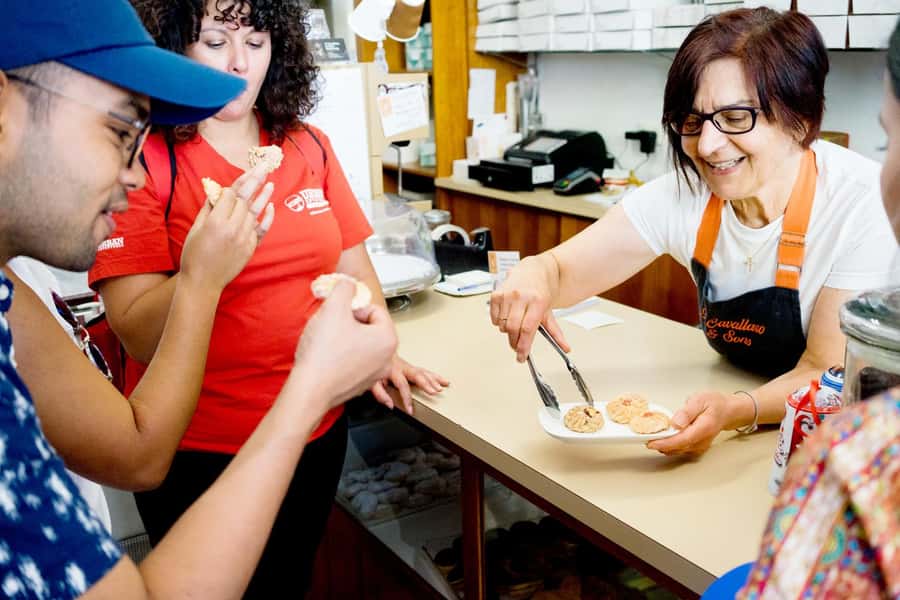
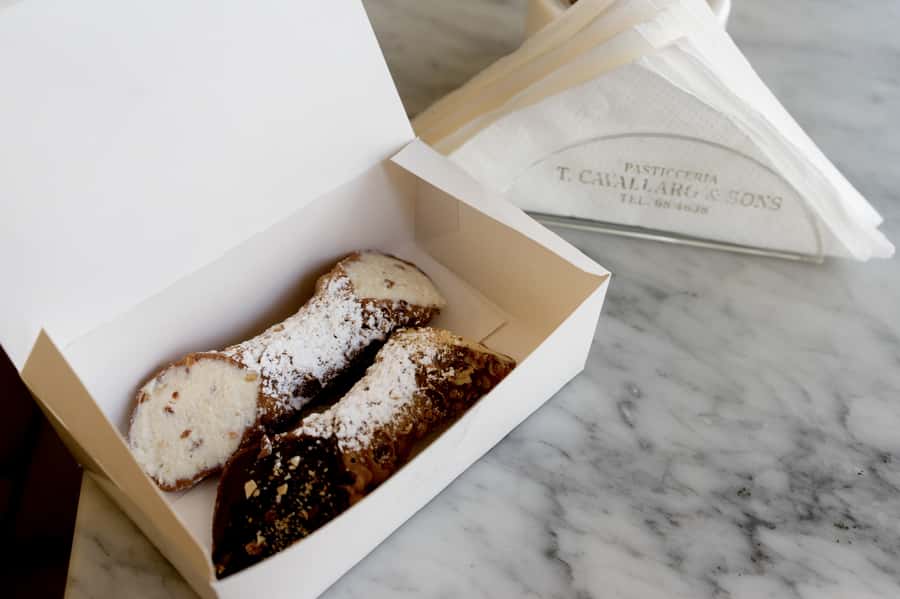
Next comes T. Cavallaro & Sons, where you’ll spend about 35 minutes. This is your switch from savory street food to the kind of sweet that makes people slow down and focus. Cannoli is the headline item, and it’s served here as something traditional, not a novelty.
I appreciate how the tour doesn’t treat this as just dessert. The guide connects it to how immigrant food cultures survive and adapt in a place like Footscray. You’re tasting a classic, but you’re also learning why the shops and recipes matter to the people who keep them going.
One practical consideration: cannoli is filling. Plan for it so you don’t go too heavy on drinks or extra snacks right before the Ethiopian coffee stop later. If you’re the type who loves sampling everything, ask the guide what pairs best with the coffee, so you don’t end up over-sweetened by the end.
Street art, city views, and real names behind the murals
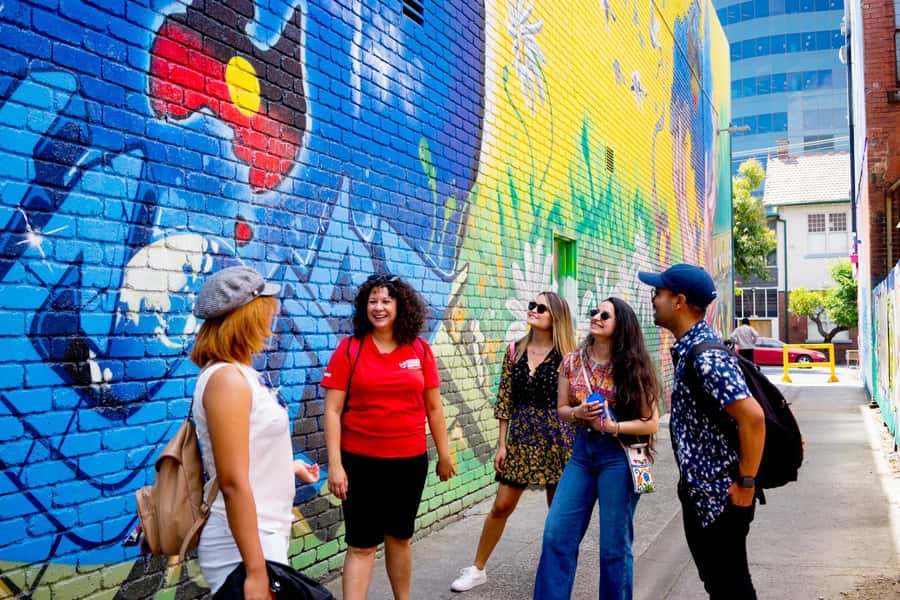
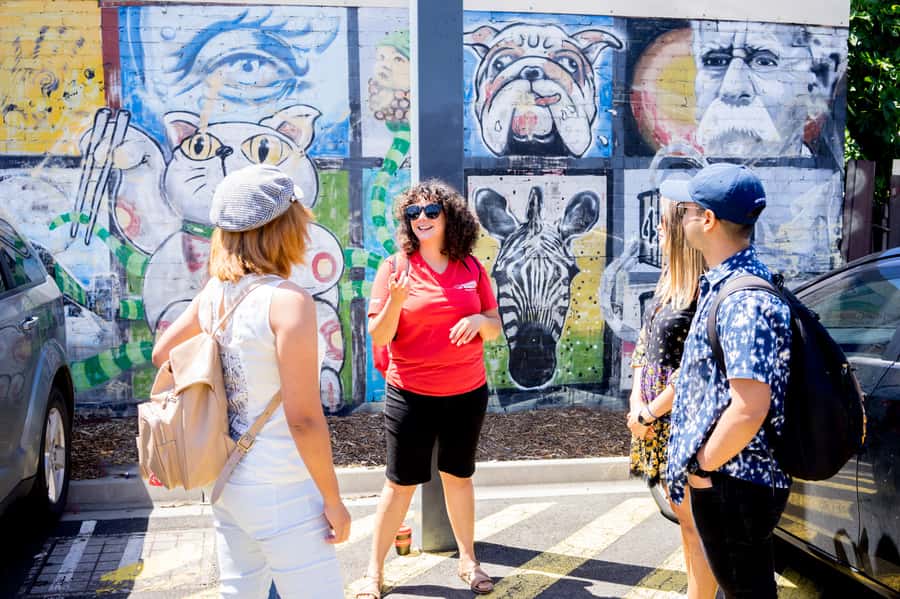
After the food, the walk turns more visual. You’ll move through streets where you can see street art and get views back toward the city. It’s the kind of route where your camera gets more use than you expect, because murals are often layered with symbolism.
This part also brings in local names that give the art meaning. You’ll hear stories connected to Franco Cozzo and William Cooper, including how William Cooper’s activism began from a tiny house in the suburb and helped change the world. Even if you know little about those figures going in, the tour structure makes it feel grounded and understandable.
The political murals matter here. This isn’t art shown off from a distance. It’s art used as messaging, memory, and community pressure. You’ll probably find yourself looking twice, because the tour gives you a lens for what you’re seeing.
A few more Melbourne tours and experiences worth a look




Footscray Community Arts Centre: First Nations and multicultural art with a job to do
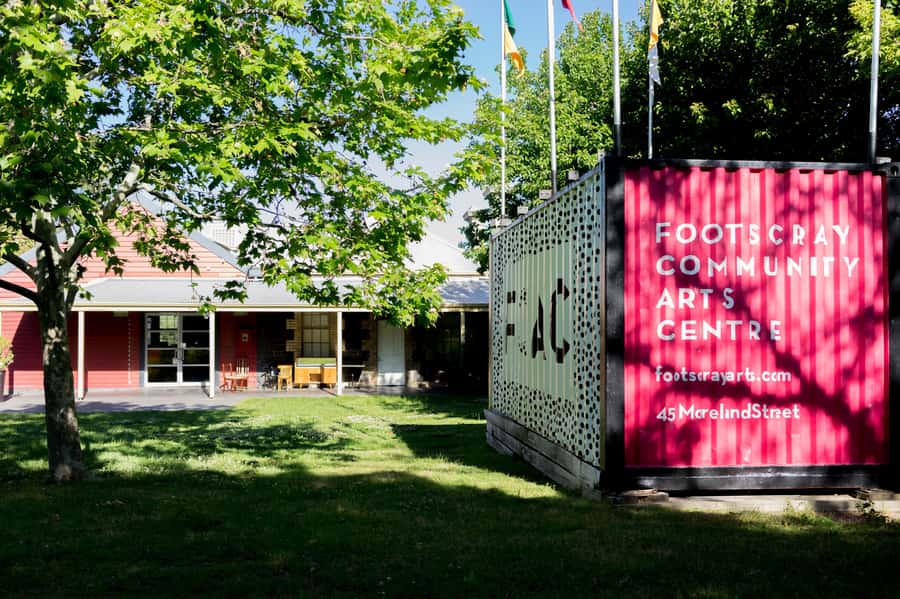
You’ll head toward the Footscray Community Arts Centre, spending about 30 minutes exploring what’s happening there. This stop is bigger than a photo break. The focus is on First Nations and multicultural artwork, plus how the centre supports the local community.
I like that the tour frames art as infrastructure. It’s not only about aesthetic. It’s about programs, community spaces, and the ongoing work that helps different groups stay connected and visible. That’s why this stop feels different from a quick street-art walk. You get a sense of how art can function as public service.
You may also see an arts-and-crafts market element as part of this visit. If you enjoy buying small, locally made items, this is the point where you might want a little extra cash and a shopping bag. And if you don’t plan to buy anything, you still get a useful snapshot of what the centre is offering right now.
The Asylum Seeker Resource Centre photo stop: Melbourne shaped by migration and support
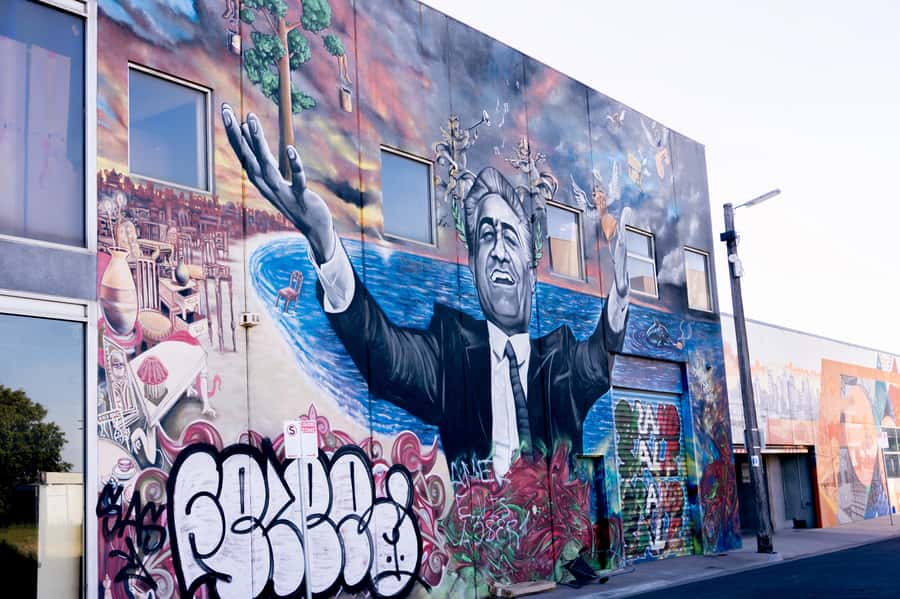
As you keep walking, you’ll pass political street art and stop near the Asylum Seeker Resource Centre. This portion is about 35 minutes, including a photo stop and time to absorb the messages in the area.
The key theme here is how migrants and refugees have helped shape Melbourne into what it is today. That’s a big claim, but on this tour it’s handled in a grounded way: you see the location, you hear the context, and the story stays tied to real community support.
If you’re the type who likes travel to feel socially aware without becoming heavy, this stop is a smart balance. It doesn’t ask you to memorize everything. It gives you a clearer sense of how the suburb holds different histories side by side, and how advocacy shows up in everyday spaces.
Ethiopian coffee and injera at a local restaurant: the final lesson in taste
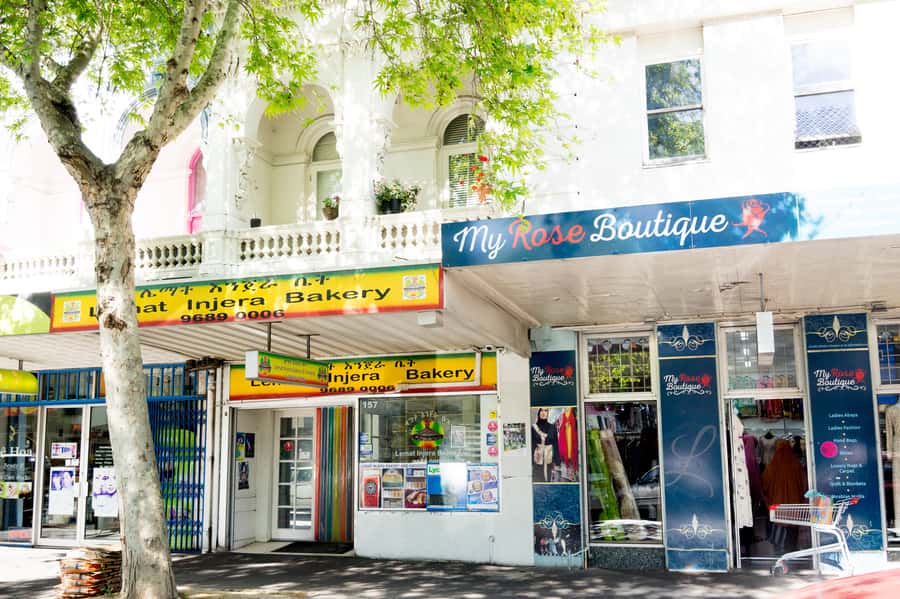
The last stop takes you to a local Ethiopian restaurant, where you’ll enjoy a traditional Ethiopian coffee experience. This is also the place where you’ll learn about injera, a flatbread, and discover how it’s made.
This part is often the one people remember, because it’s participatory in a sensory way. You’re not just drinking coffee. You’re learning how a traditional food system works, and why injera matters as more than a side. It’s part of the rhythm of Ethiopian meals, and once you understand what injera is, the whole food story makes more sense.
If you’ve got dietary restrictions, the good news is the tour can accommodate most restrictions if notified in advance. Still, Ethiopian meals can involve ingredients you might not be expecting, so communicate your needs early so the guide can plan a respectful option.
Price and value: why $134 can be a fair deal for real local access
At $134 per person for 150 minutes, this tour sits in the mid-range for private food experiences in Melbourne. The best value angle is that the price includes the core costs you’d normally pay separately: a local guide plus actual food tastings (Vietnamese banh mi, Sicilian cannoli) and Ethiopian coffee.
You’re also paying for structure. The guide isn’t just delivering snacks. They connect each bite to local demographic change, activism, and community art. That turns a simple food run into something more useful for your understanding of the area.
There’s also a sustainability and community layer. The tour is carbon-neutral and run by a B Corp certified operator committed to using travel as a force for good. And it includes a $1 donation per person toward local community organizations visited on the route.
So yes, you’re paying for convenience and access. But you’re also paying for context and for the fact that the stops are chosen around community spaces, not just food counters.
Who should book this Footscray foodie walk
This is a great fit if you want Melbourne beyond the obvious list. You’ll like it if you’re the kind of traveler who enjoys street art with meaning, food that comes with background, and community spaces that make the neighborhood feel human.
It also works well for people who want a calmer format. Private group tours tend to be less chaotic, and the pacing makes it easier to ask questions without feeling rushed.
If you’re traveling with kids, the tour is described as child-friendly, with children under 6 able to join free if you let the operator know at booking. That’s a nice detail for families who still want a focused experience, not a long, slow day.
The main “not for everyone” angle is physical comfort. It’s a walking tour, and you’ll be on your feet through multiple stops. If you prefer a mostly seated experience, you might find the pace a bit energetic.
Should you book this Footscray Foodie’s Guide?
I’d book it if you want your food travel to mean something. The combination of market tastings, two classic international sweets/savories, street art with context, and an Ethiopian coffee ending makes this more than a snack crawl.
Book it especially if you’re craving the kind of Melbourne that feels tied to real communities: the markets, the arts centre, and the support spaces that show up in the suburb’s daily life. And if you care about how travel impacts the planet, the carbon-neutral, B Corp piece plus the $1 donation per person gives you extra reassurance.
If you’re short on time, stick to the essentials, and dislike walking, then a lighter food option might suit you better. But if you’re ready for a thoughtful neighborhood walk with clear tasting rewards, this one is a strong choice.
FAQ
What’s the meeting point for the Footscray walking tour?
You’ll meet outside Footscray Railway Station at 37 Irving Street, Footscray VIC 3011, at the bottom of the main concourse steps.
How long is the tour?
The tour duration is 150 minutes.
What food and drinks are included?
The tour includes a Vietnamese banh mi, a Sicilian cannoli, and coffee at one of the best local venues. Additional food and drinks are not included.
Is the tour carbon-neutral?
Yes. The tour is described as carbon-neutral and operated by a B Corp accredited company.
Can the tour accommodate dietary restrictions?
The tour can accommodate most dietary restrictions if you notify the provider in advance.
Is it wheelchair accessible?
Yes, the tour is wheelchair accessible.
Can I cancel and get a full refund?
Yes. Free cancellation is available up to 24 hours in advance for a full refund.