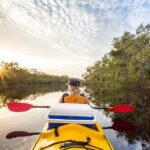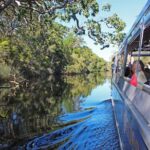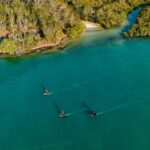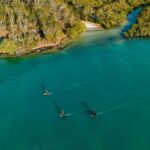
Paddle right where Noosa starts to feel secret. This Noosa Heads kayaking tour takes you into calm creek channels, through mangrove tunnels, and into the Noosa Biosphere Reserve without the fuss of a long drive. You’ll learn what to look for as you glide past mangroves, salt marsh edges, and seagrass beds that support real animal life.
I love the smooth, low-stress start—getting onto the water feels straightforward—and how quickly the outing turns into a chilled paddle. I also like the wildlife focus, especially the chance to see stingrays and a mix of birds like osprey, rainbow bee-eater, and mangrove kingfisher.
The one thing to think about is weather: this activity requires good conditions, so if it gets cancelled you’ll need to switch dates or take a refund. If you hate being told when to wait, that’s your potential snag.
In This Review
- Key things to know before you go
- Noosa Heads mangrove tunnels: calm water, real wildlife, simple fun
- What you actually paddle: mangroves, salt marsh edges, seagrass beds
- The Noosa Heads wildlife focus: stingrays, birds, and more
- Stop 1: Noosa River—where the tour settles you into the water
- Stop 2: Lake Weyba—mangrove tunnels, wildlife spotting, and a cool-off option
- Guides and gear: why small groups make a big difference
- Price and value: why about $42 feels fair for what you get
- Who should book this kayak tour (and who might skip)
- Practical tips: what to bring for a smooth 2-hour outing
- Should you book the Noosa Heads mangrove kayak tour?
- FAQ
- How long is the kayak tour?
- What’s included in the price?
- Do I need to bring my own swimwear or spare clothes?
- Is lunch included?
- Where do I meet the tour?
- What if the weather is bad or I need to cancel?
Key things to know before you go
- Mangrove tunnels right at Noosa Heads: you don’t have to “go searching” far away to get the good scenery.
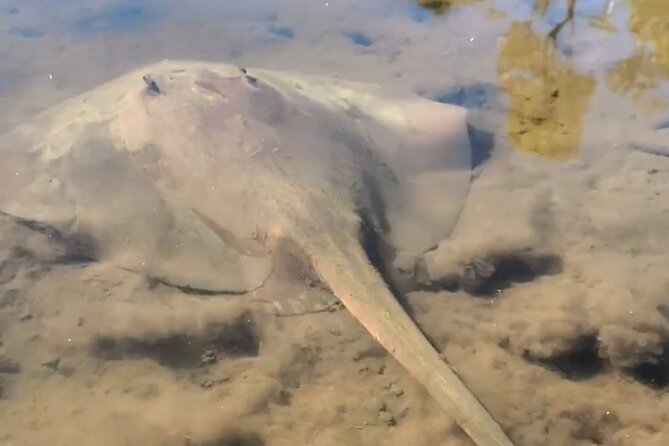
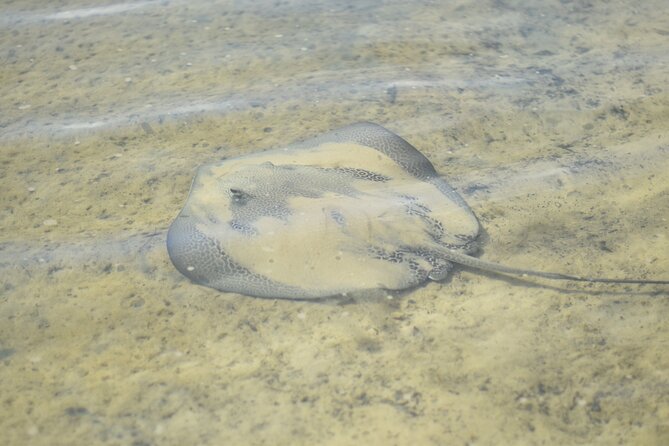
- Weyba means stingray: the name hints at what you’re likely to see in the creek.
- Small group size: a maximum of 14 travelers keeps the paddle feeling personal.
- Guided wildlife spotting: your guide helps you notice birds and marine life along the way.
- Optional swim stop: there’s a place to cool off, but you can skip it.
- All gear included: life jackets, kayaks, and paddles are provided, so you only bring yourself and sun gear.
Noosa Heads mangrove tunnels: calm water, real wildlife, simple fun
Noosa is famous, but the best part of this experience is how close it is to the action. You meet at Weyba Esplanade in Noosa Heads, then the tour carries you into shallow, calm waterways where paddling feels easy. Instead of big waves and big views (though you get plenty of that), you get quiet creeks, mangrove walls, and pockets of life that don’t show up from land.
You’re also not just touring “pretty water.” The area you paddle through is part of the Noosa Biosphere Reserve, which is recognized as a UNESCO site for conserving biodiversity and supporting sustainable development. That matters because your guide isn’t treating wildlife like decoration. You’ll get help understanding why these ecosystems matter and what to look for while you’re moving slowly through them.
And yes, the experience stays relaxed. It’s about drifting through narrow channels and tunnel-like mangrove edges, not about racing or doing technical kayaking maneuvers. For a first-time kayaker, that’s a big deal.
A few more Noosa and Sunshine Coast tours and experiences worth a look
What you actually paddle: mangroves, salt marsh edges, seagrass beds
The paddling route is built around different ecosystem types—mangrove forests, salt marshes, and seagrass beds. Each one supports different animals and plants, and your guide’s job is to point out the signs that life is nearby.
Here’s what makes this setup satisfying for you as a paddler:
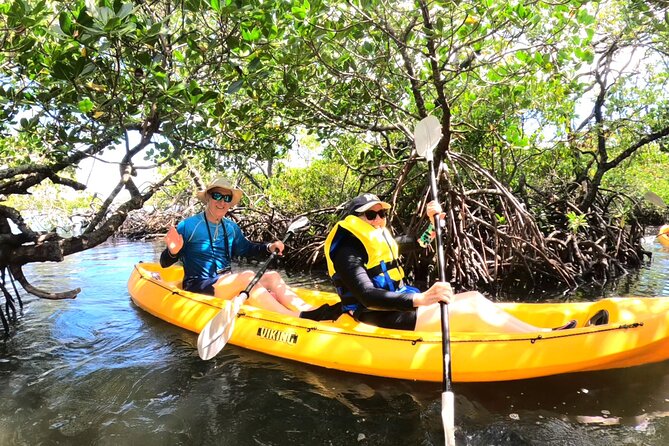
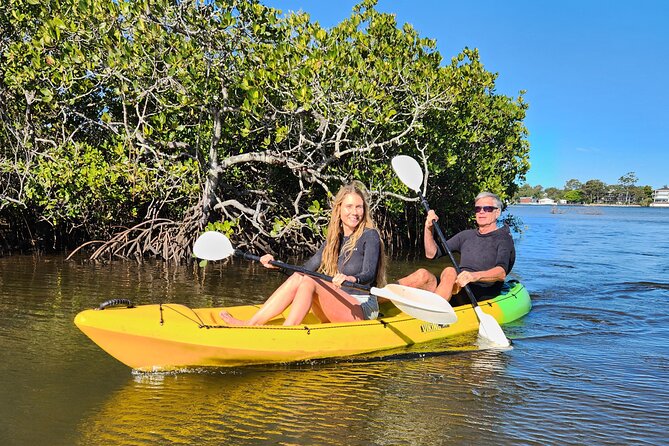
- Mangrove tunnels change the feel of your trip. The channel edges and overhanging mangroves form natural pathways. When you glide through, it feels a bit like you’re in a living corridor.
- Shallow, sheltered water helps you slow down. You’re not fighting rough water, so your attention can stay on wildlife spotting.
- Seagrass and marsh areas are feeding zones. When birds and rays show up, it’s often because the habitat supports what they need.
The name Weyba comes from an Aboriginal word for stingray. That’s not just a trivia line—it’s a clue. The creek you paddle is known for these animals, so keep your eyes open near the bottom when the guide points out likely areas.
The Noosa Heads wildlife focus: stingrays, birds, and more
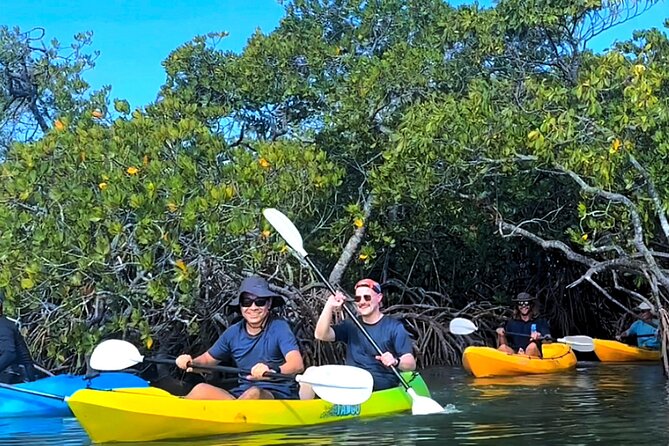
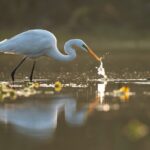
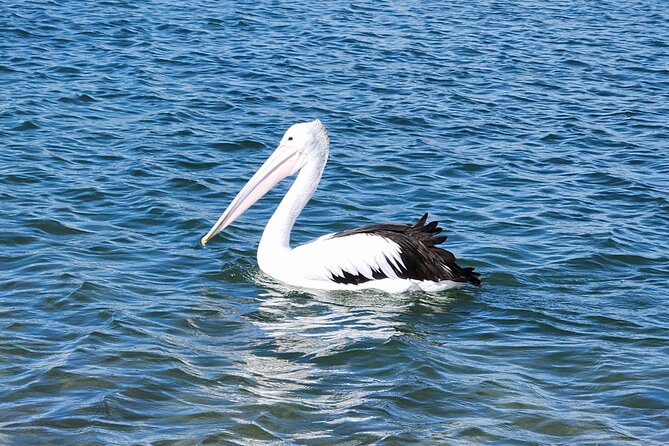
This is a wildlife eco-kayak tour, and the wildlife theme is strong. You can look for sting rays (the headline animal), plus things like crabs, native bees, and snakes. Birdlife is a major part of the experience too, including:
- Osprey, the big raptor you may see scanning from above
- Rainbow bee-eater, with that vivid color and fast movement
- Mangrove kingfisher, the one that feels tricky because it can be harder to spot quickly
If you’re the type who wants to “win” the tour by spotting everything, you’ll appreciate having an expert guide watching too. If you’d rather simply enjoy the paddle and let wildlife happen, you still benefit—because you’ll know where to look and what signals to catch when something appears.
One useful mindset: in calm water habitats, wildlife can be close, but it doesn’t always show up on command. So the goal is not constant action. The goal is respectful, patient looking, with the guide improving your odds.
Stop 1: Noosa River—where the tour settles you into the water
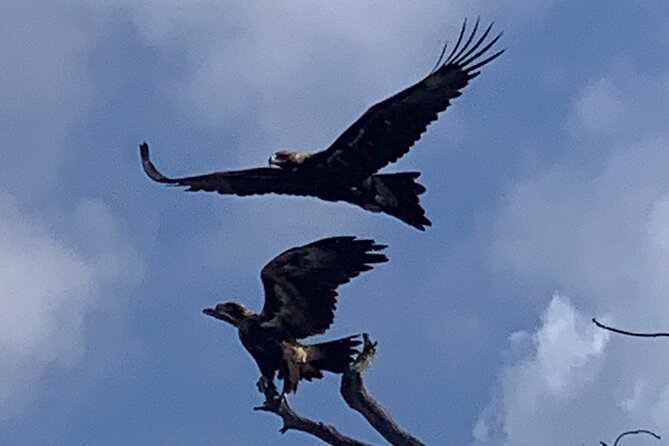
Your first major part is on the Noosa River. This section is where the experience usually feels most “welcome,” because it’s the early stage of getting you comfortable in the kayak and into the rhythm of watching the creek edges.
This start matters for two reasons:
- A smooth introduction reduces that stiff, awkward paddling phase. You can focus on the scenery instead of fighting your gear.
- Early sightings tend to set the tone. If stingrays are active in the area, you may start seeing them sooner rather than later.
You’ll be paddling through calm, shallow sections where the waterway shape helps you notice movement beneath the surface. One highlight from past outings: people have reported seeing several stingrays during the trip. While you can’t count on a specific number, it tells you what’s realistic here—this isn’t a “maybe you see one” situation. It’s built around repeated chances.
Potential drawback at Stop 1: if you’re sensitive to being in sun for a while, plan for it. Even in shaded mangrove sections, there are sun pockets and you’ll be out on the water for about two hours total.
Stop 2: Lake Weyba—mangrove tunnels, wildlife spotting, and a cool-off option
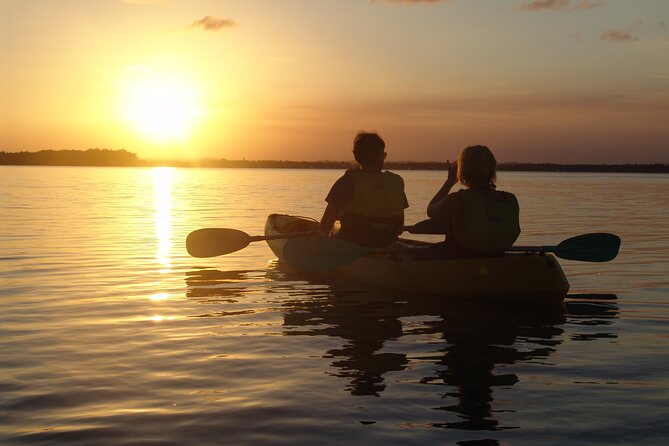
After you’ve settled in, you head toward Lake Weyba, a spot tied directly to the stingray name. This is where the “hidden waterways” feeling becomes more obvious. The tour passes mangrove tunnels—natural pathways formed by dense mangrove growth along creek edges and over narrower stretches.
This stop is great if you like your wildlife encounters to feel a little more surreal. The tunnels can create that quiet, enclosed feeling where you notice small details: wing flashes, surface ripples, and the way animals use the mangrove edges.
You’ll also get a break partway along the route. There’s a spot where you can swim, and it’s totally optional. If you do swim, treat it like a short, controlled pause—not a long break. Bring extra clothes or plan to dry off after.
The trade-off here: if you’re not interested in swimming, you might wish there was no mid-tour pause. Still, even skipping the swim can break up the paddle nicely, and it gives you a chance to reset your eyes for more spotting.
A few more Noosa and Sunshine Coast tours and experiences worth a look
Guides and gear: why small groups make a big difference
This tour runs with a maximum of 14 travelers, and that small size helps in a few practical ways. It keeps the paddle from feeling crowded, and it makes it easier for the guide to keep an eye on everyone’s comfort level. You’re not stuck watching the front of the group disappear into the trees.
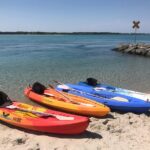
Gear is included: you get a kayak, paddle, and life jacket. That’s a real value point, because it means you’re not paying separately for equipment or scrambling last minute to rent. It also makes packing simpler.
The guide is also the difference between “seeing mangroves” and understanding the habitat. You’ll get insight into the flora and fauna that live there. Even if you don’t remember every fact afterward, that guidance changes what you notice while paddling—bird perches, signs of feeding, and movement patterns that are easy to miss if you’re just floating along.
One more perk based on real past experiences: some participants have been given a map and tips that help them explore the area on their own afterward. That’s not the main reason to go—but it’s a nice add-on for squeezing more value out of your day at Noosa.
Price and value: why about $42 feels fair for what you get
At $42.32 per person for about two hours, this tour sits in the “more than a quick activity, less than a whole day” lane. The price feels fair when you factor in:
- Included kayak and safety gear
- An included professional guide focused on wildlife spotting
- A route built around Noosa Heads access plus mangrove tunnels
- A duration that’s long enough to matter, but short enough to fit in on a busy Noosa day
It’s not an all-day excursion, and there’s no lunch included, so you’ll need to plan food elsewhere. But if you’re already planning to spend time around Noosa, this can be a strong way to add something hands-on without eating up your whole day.
If you’re trying to choose between a “view from land” activity and something on the water, the value argument gets easier: kayaking gives you a different angle on the same area, right where the animals actually use the habitat.
Who should book this kayak tour (and who might skip)
This is a smart choice if you want:
- A relaxed paddle through calm, shallow waters
- Guided help with wildlife spotting
- A Noosa experience that feels closer to nature than to crowds
- An activity that works even if you’re not an expert kayaker
It might not be your best fit if:
- You hate weather-based changes. The tour requires good conditions.
- You’re looking for a strenuous workout. This is more about gliding and spotting than pushing hard.
- You want a full-day plan with meals included. You’ll need to handle food on your own.
Because it’s near Noosa Heads, it also suits travelers who want to keep logistics simple. Meet up, paddle, back again—no long transfers.
Practical tips: what to bring for a smooth 2-hour outing
Since the tour includes the option to swim and you’ll be in sun for a couple of hours, pack like you’re doing a short beach-plus-kayak hybrid.
Bring:
- Swimmers or spare clothes (whatever helps you feel comfortable if you do the optional swim)
- Towel
- Hat
- Water bottle
- Sunscreen
A couple of small choices also help your comfort:
- If you hate wet gear afterward, plan what you’ll change into on return.
- Bring a little patience. Mangrove wildlife can be subtle, and the best sightings often come when you stop forcing attention and let the guide’s cues guide you.
Also, note that the tour uses a mobile ticket, and it’s close to public transport. That’s handy if you’re not driving.
Should you book the Noosa Heads mangrove kayak tour?
I think you should book if you want an easy, scenic paddling experience that actually focuses on wildlife and habitat right at Noosa Heads. The short duration, included gear, and small group size make it a good fit for a lot of travel styles—especially if you’d rather spend two hours on the water than sit in a bus or chase far-away viewpoints.
Book it if stingrays, birdwatching, and mangrove tunnels are your kind of experience, and you’re okay with the weather-dependent nature of a creek kayaking day. If you’re flexible on timing and you pack for sun (and maybe a quick swim), this tour is a strong way to see Noosa’s natural side up close.
FAQ
How long is the kayak tour?
It runs for about 2 hours.
What’s included in the price?
The tour includes life jackets, kayaks, and paddles, plus a professional guide.
Do I need to bring my own swimwear or spare clothes?
Yes, it helps to bring swimmers or spare clothes. There’s a stop where you can swim, and it’s optional.
Is lunch included?
No, lunch is not included.
Where do I meet the tour?
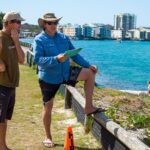
Meet at Weyba Esplanade, Noosa Heads QLD 4567. Look for a large shed near a walking bridge, then wait on the grassy area until the guide arrives.
What if the weather is bad or I need to cancel?
The tour requires good weather. If it’s cancelled due to poor weather, you’ll be offered a different date or a full refund. You can cancel for a full refund up to 24 hours in advance.