REVIEW · DARWIN
Northern Territory: Corroboree Billabong Nature Cruises
Book on GetYourGuide →Operated by Wetland Cruises · Bookable on GetYourGuide
Crocodiles by the boat sound unreal. This Corroboree Billabong Nature Cruise lets you watch saltwater crocodiles and a lot of birdlife in the Mary River Wetlands, while a local guide points out what matters and why it’s there. I love the open-air boat setup because you get better sightlines for spotting wildlife and taking photos, and I also like the live commentary that turns a scenic ride into real understanding of the wetlands.
There’s one practical catch: you can be in the sun at parts of the cruise, depending on timing and where you sit, so bring sunscreen and shade gear. Also, if you’re starting from Darwin, you’ll need to get yourself to the Corroboree Park Tavern for shuttle access (or to the cruise location if you book that option).
In This Review
- Key highlights you’ll feel on this cruise
- Why Corroboree Billabong is special in the Northern Territory
- The 90–150 minute flow: what happens during the cruise
- Before you board: pontoon time and quick planning
- On the water: cruising the Billabong and scanning the banks
- After the cruise: what to do with your energy
- Open-air viewing: how to get the best wildlife angles
- The guide makes the difference: what you’ll learn in real time
- What wildlife you’re likely to see (and why timing matters)
- Price and value: is $53 worth it?
- What to bring (so the heat and bugs don’t win)
- Who this tour is best for
- Should you book Corroboree Billabong Nature Cruises?
- FAQ
- How long is the Corroboree Billabong nature cruise?
- Do I need to get to Darwin to Corroboree Park Tavern or the cruise location first?
- What’s included in the tour price?
- What wildlife can I expect to see?
- Is the cruise wheelchair accessible?
- What should I bring with me?
Key highlights you’ll feel on this cruise
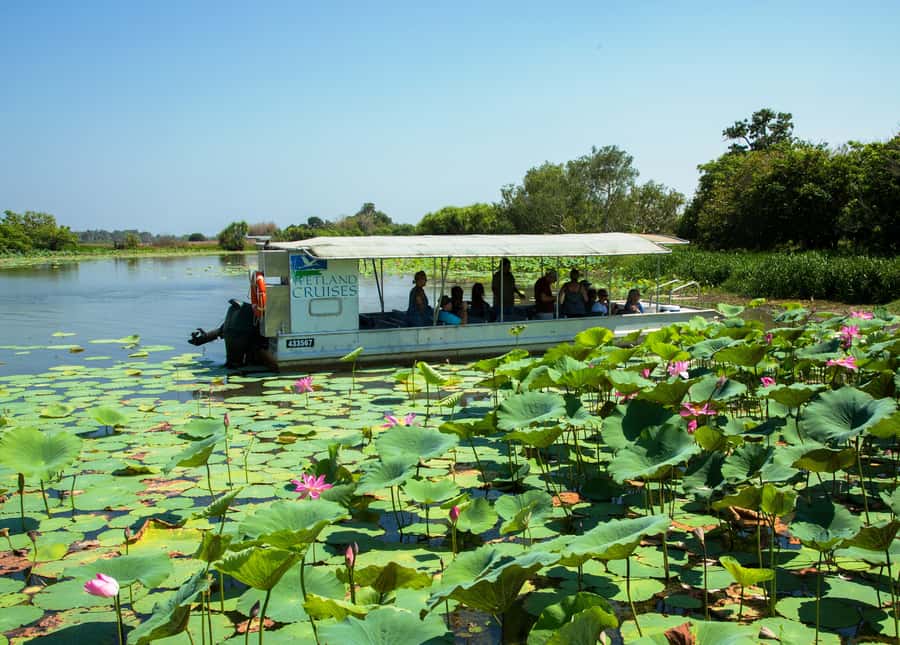
- Mary River Wetlands wildlife viewing: you cruise through a real habitat, not a zoo-like setup
- Saltwater crocodiles up close: plus you may also spot freshwater crocodiles
- Birdlife is the second star: expect a strong mix of waterbirds during the ride
- Open-air design for photos: get angles that work better than enclosed boats
- Local guide with live commentary: spot more wildlife and understand what you’re seeing
- Comfort extras on site: there’s a pontoon with seating, fans, and Wi-Fi before/after
Why Corroboree Billabong is special in the Northern Territory
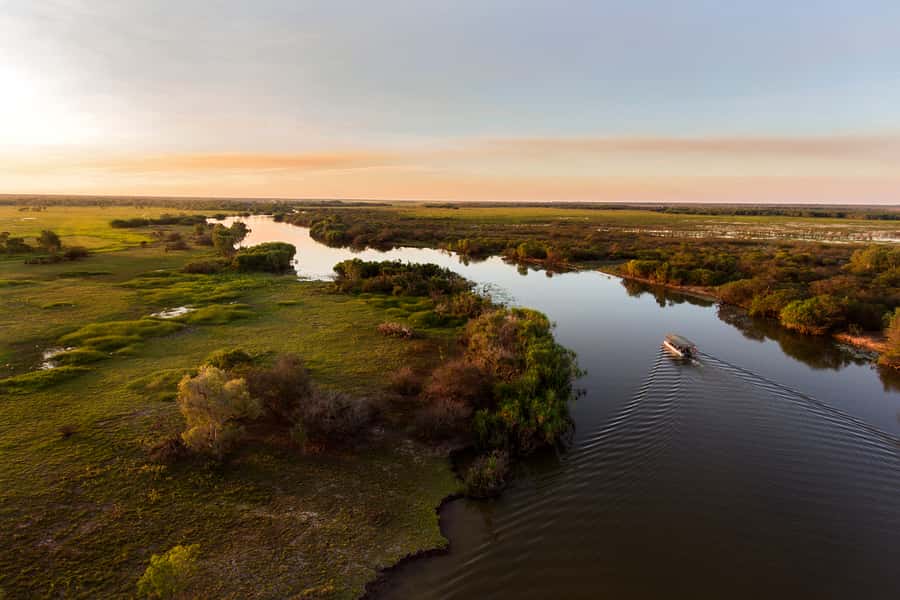
If you’ve only seen crocodiles in postcards, this cruise changes the mental picture fast. Corroboree Billabong sits inside the Mary River Wetlands system, which is known for serious wildlife watching—especially birds. The big draw is that you’re not just looking for animals from far away. You cruise along waterways where saltwater crocodiles may be cruising near the boat, or resting along the banks.
I also like that this is a wetlands experience first, wildlife show second. The guide explains how the plants and the water make this place work as habitat, so the sightings feel connected instead of random. You end up caring about the marshy edges, the calm stretches, and the places birds choose to hang out.
And yes, crocodiles are the headline—but the birdlife is the steady companion. As the boat moves through the Billabong, you’ll keep resetting your eyes from water movement to the sky and back again. It’s a great way to slow down and watch carefully without feeling like you’re stuck in one spot.
You can also read our reviews of more tours and experiences in Darwin.
The 90–150 minute flow: what happens during the cruise
This experience runs for 90 to 150 minutes, depending on the timing you book. The overall rhythm stays similar: you arrive, get yourself settled, then board and cruise the Billabong while your guide narrates what’s happening around you.
Before you board: pontoon time and quick planning
When you arrive at the Billabong area, there’s a pontoon with seating, fans, and Wi-Fi for convenience. That matters more than you might think in the Northern Territory—waiting around can be hot, and fans help. There are also public toilets in the carpark, so you can sort that out without stress before the boat moves.
If you’re arriving via shuttle, it’s worth building in a little buffer so you don’t feel rushed. Once you’re set, you’ll be in position to board and settle for the best viewing.
On the water: cruising the Billabong and scanning the banks
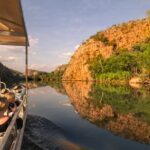
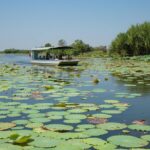
The cruise focuses on traveling the waterways of Corroboree Billabong inside the Mary River Wetlands. Your guide uses live commentary throughout, helping you spot where wildlife tends to appear—along the edges, around quieter pockets of water, and in spots where birds gather.
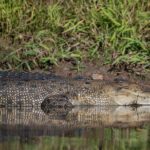
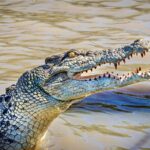
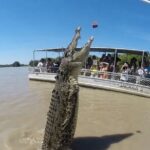
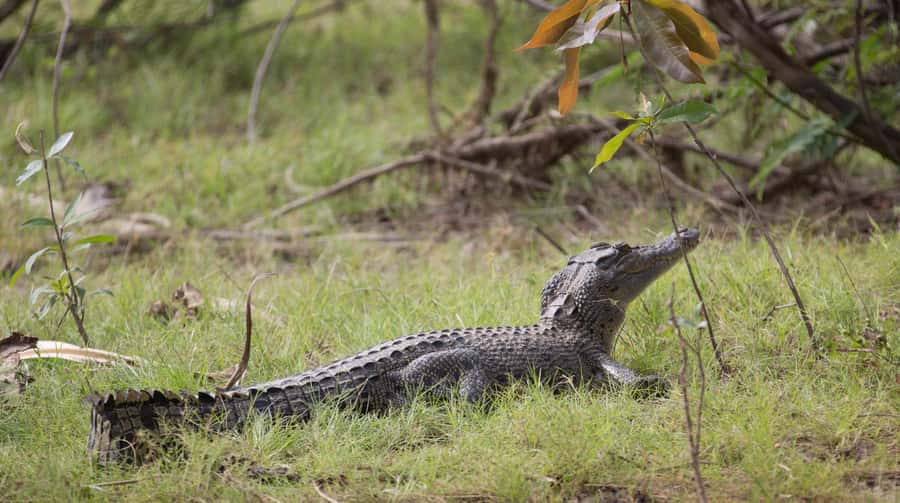
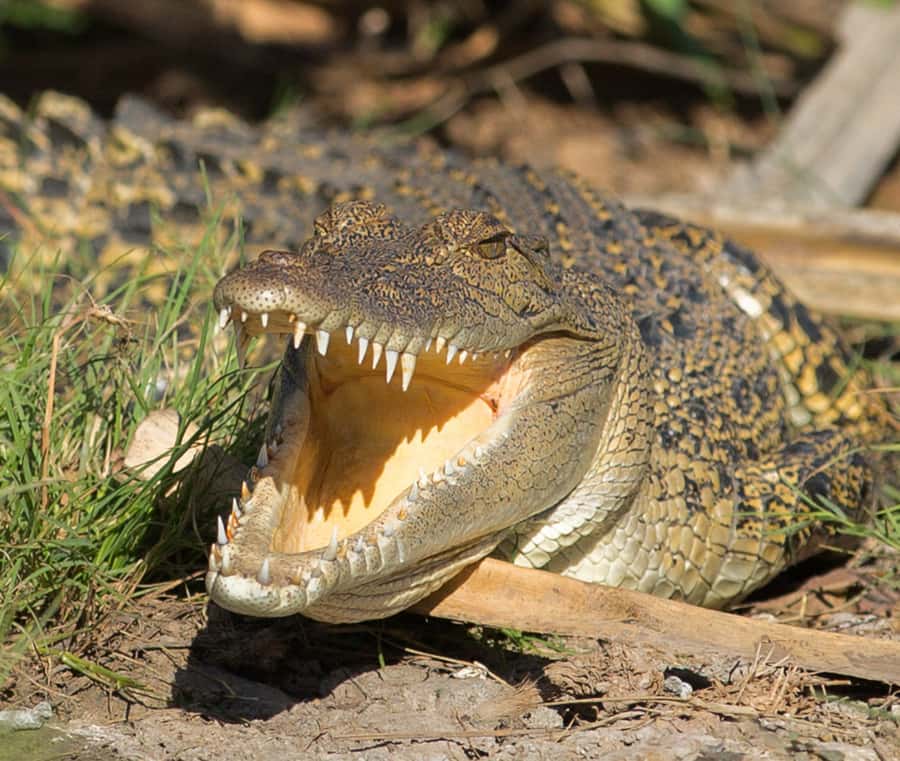
This is where the “up close and personal” part becomes real. You might see saltwater crocodiles moving with the current or basking on banks. The guide also looks out for freshwater crocodiles, when conditions and visibility line up.
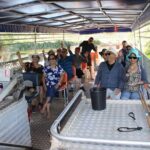
And because you’re on an open-air vessel, you don’t feel boxed in. That gives you a smoother time taking photos and adjusting your view as animals show up. Just remember that watching is not the same as filming—so it’s smart to alternate between looking and capturing, especially when you’re searching for both birds and crocs.
After the cruise: what to do with your energy
When the ride ends, you’re back on land with the chance to cool down and reset. Since there’s already seating, fans, and Wi-Fi on site, it’s easy to take a breather before you head back. If you booked the shuttle option, you’ll use the return transfer from Corroboree Park Tavern.
Open-air viewing: how to get the best wildlife angles
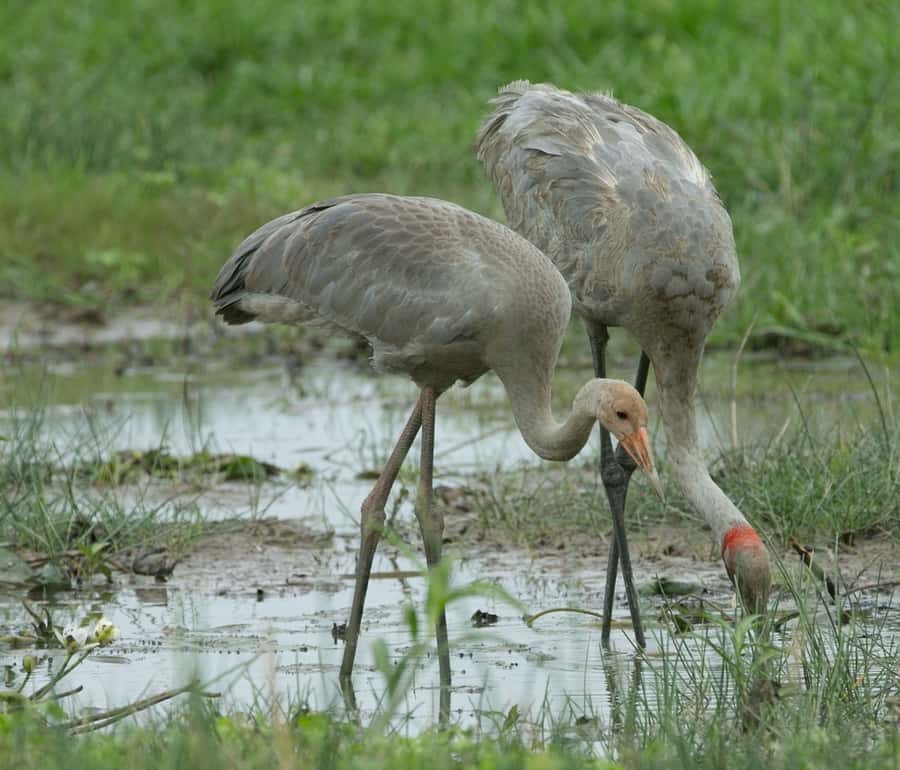
An open-air boat sounds simple, but it changes your whole viewing experience. You get fewer visual barriers, and you can turn your head quickly without feeling like you’re fighting glass or reflections. That’s huge for wildlife because animals rarely pose on schedule.
Here are the best practical habits to use while you’re onboard:
- Stay alert for bank activity, not just water movement. Crocs often appear where they can rest and warm up.
- Look for birds in pairs and groups. That’s often when the guide will call your attention to what’s feeding or nesting nearby.
- Bring your own binoculars if you have them. They’re on the recommended list, and they help with birds when you want detail without getting closer.
Also, plan for sun exposure. Depending on your cruise time and where you sit, you might be in direct light at parts of the journey. Sunglasses and a hat aren’t just nice. They keep you comfortable enough to keep looking instead of constantly adjusting your gear.
And for photo lovers: the best pictures often come when you keep a calm stance and watch first. When the guide tells you to shift your attention to a bank or a specific water edge, you’ll be ready to capture the moment.
The guide makes the difference: what you’ll learn in real time
The tour stands or falls on the guide, and here that element is clearly a core strength. You get live commentary throughout, and it’s aimed at helping you understand the wetlands rather than just announcing what you see.
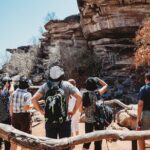
One guide mentioned in reviews is Chris. I like what stands out about his approach: he’s friendly, and he doesn’t treat the cruise like a lecture. He also covers cultural context, and he even explains things you might notice on the way—like the burnt marks on trees seen during the shuttle ride. That kind of real-world explanation helps you connect the scenery to the region instead of treating it like background.
On a wetlands cruise, the guide’s job is basically to help you read the environment. Crocodiles and birds both move through patterns—light, water flow, and the availability of resting spots all matter. When the guide points those patterns out, your sightings improve immediately because you’re looking at the right places, not just anywhere on the water.
And the delivery style matters too. Reviews highlight that the guide is approachable and has a sense of humour, which makes the cruise feel relaxed. That matters because when you’re not stressed, you notice small things: a change in bird behavior, a ripple near the edge, or a croc surfacing farther than you expected.
What wildlife you’re likely to see (and why timing matters)
Crocodiles are the main reason people book, and you’re set up for solid viewing. The area is known for large concentrations of saltwater crocodiles, and your cruise is designed for seeing them in their natural environment as they cruise along or bask near the banks.
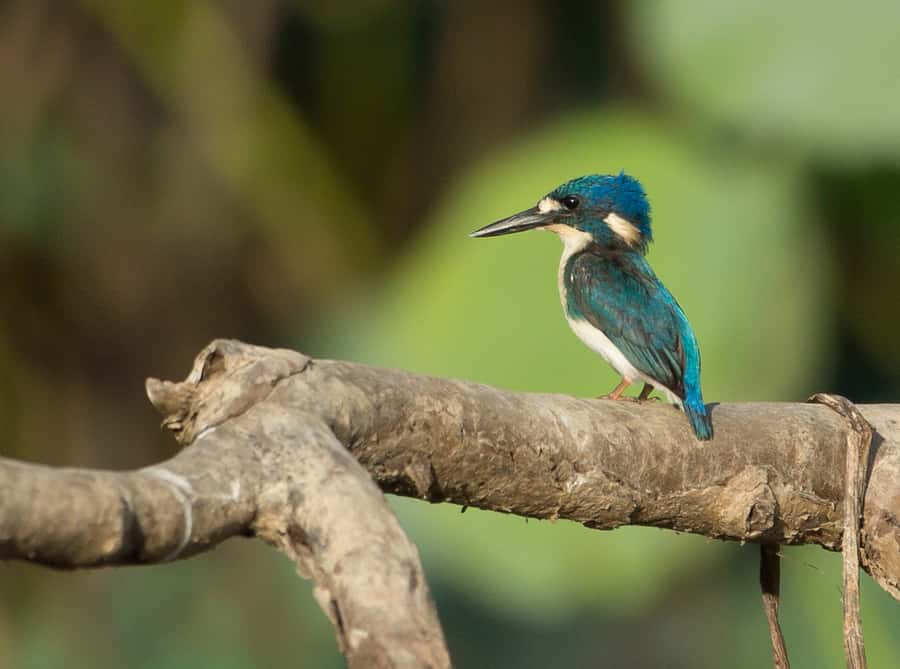
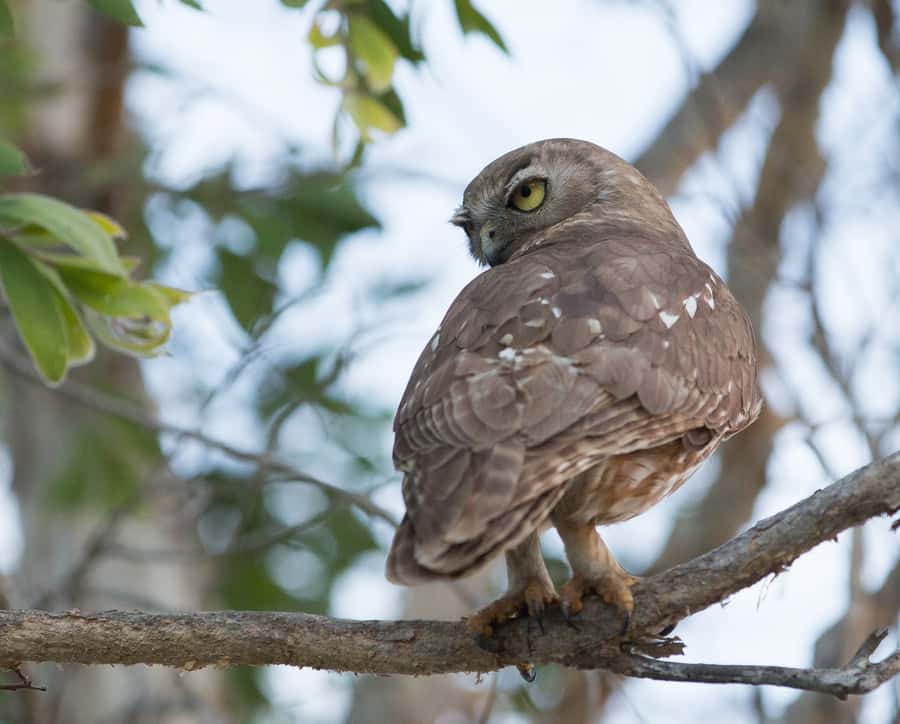
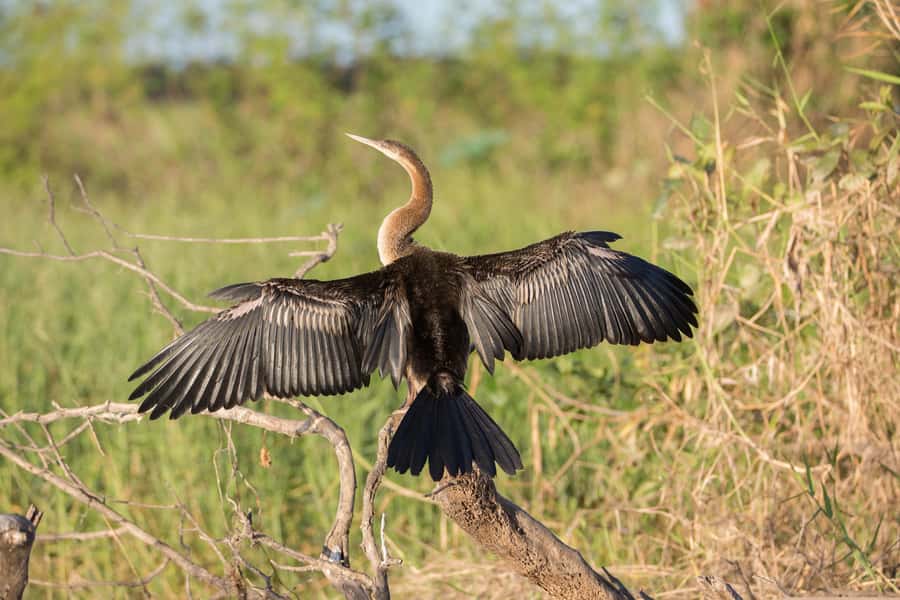
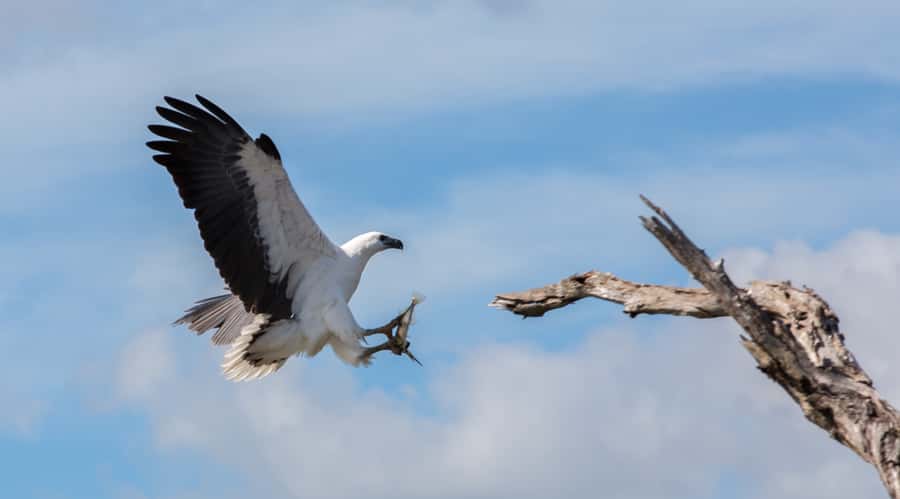
But don’t ignore the other star: waterbirds. The birdlife at Corroboree Billabong is described as prolific, and during the cruise you’ll get a chance to see a wide variety of species. This matters because wetlands photography is easier when you have variety. Even if crocodile sightings pause for a moment, birds keep the action going.
You may also encounter freshwater crocodiles, depending on what’s visible and where you end up cruising during your specific slot. Since your duration is 90 to 150 minutes, you’re not stuck for a quick peek—you get time for wildlife to appear, and you get guided scanning as the boat moves.
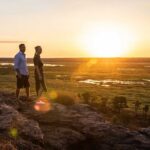
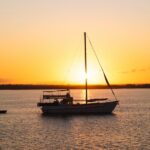
Timing can affect what you notice. Sunset slots are popular for a reason: the light can be softer, and birds and crocs can appear more active. Even if your cruise isn’t at sunset, you’ll still be searching the same habitats with the same guide-led approach.
Price and value: is $53 worth it?
At around $53 per person, this cruise sits in the “reasonable splurge” category for Darwin-region wildlife viewing. You’re paying for three things: guided spotting, a real wetlands cruise, and the open-air viewing that improves your chances of getting usable sightings and photos.
It also helps that key comfort items are included. You get ice-cold water onboard, and the commentary is live throughout. That means you’re not spending extra money on basic needs while you’re focusing on wildlife.
The biggest value lever is whether you’re optimizing for experience quality, not just animals. If you care about understanding what you’re seeing—why birds are there, how the wetlands function—this is stronger value than an “animal spotting” stop with minimal context.
One more value note: the shuttle option can make the day easier. If you choose the transfer from Corroboree Park Tavern, you reduce the hassle of figuring out local transport. Just remember that transport from Darwin itself isn’t included, so your day plan should include how you’ll get to the meeting point.
What to bring (so the heat and bugs don’t win)
This is Northern Territory outdoor time. Even if you’re excited, you’ll enjoy the cruise more if you show up prepared. The recommended packing list is simple and covers the real issues: sun and insects.
Bring:
- Sunglasses
- Hat
- Sunscreen
- Insect repellent
- Binoculars (helpful for birds)
On top of that, think about comfort. The boat is open-air, so breeze can help, but direct sun can also hit hard. If you’re sensitive to glare, sunglasses are the difference between relaxing and squinting your way through wildlife spotting.
Who this tour is best for
This cruise fits best if you want nature viewing with real guidance. It’s a strong choice for:
- Wildlife lovers who want crocodiles and birds in the same experience
- Photographers who benefit from open-air viewing and guide-led spotting
- Families and couples who want a relaxed outing without needing advanced hiking gear
It may not fit if you need wheelchair access. This activity cannot accommodate wheelchairs, so check your needs before booking.
Also, if you’re visiting Darwin but want a day trip that feels like you actually left town and entered a functioning ecosystem, this cruise is a good use of time. You get a compact duration, but it’s long enough to feel like a real tour rather than a quick pass.
Should you book Corroboree Billabong Nature Cruises?
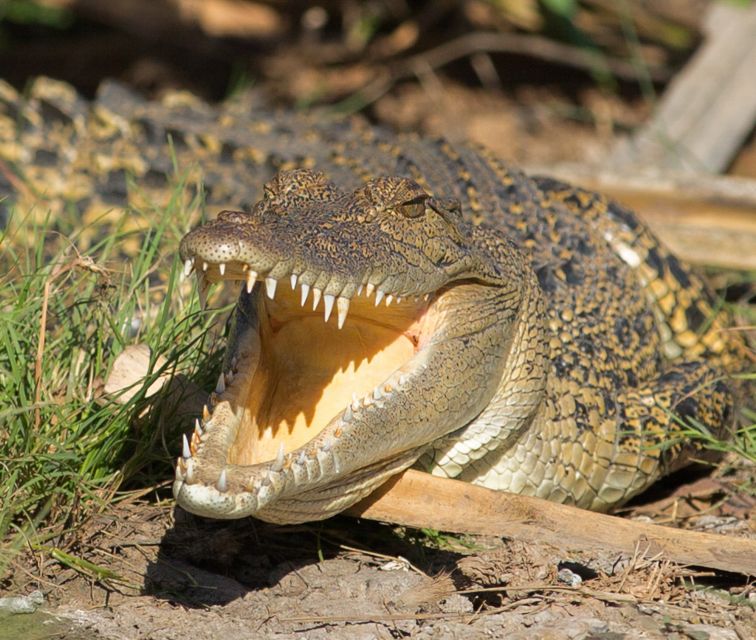
I’d book it if you want a guided wetlands cruise near Darwin that gives you genuine wildlife viewing time, not just a scenic ride. The open-air setup, the live commentary, and the focus on saltwater crocodiles plus waterbirds make it a strong match for travelers who like their nature experiences hands-on.
Do it especially if you’re the type who enjoys learning as you watch. The guide approach—explaining what you’re seeing and even helping connect route observations to the region—helps the outing stick with you.
Skip it only if your biggest priority is a very low-sun outing or easy mobility access. Bring your hat, sunscreen, and repellent, plan your transport from Darwin to the meeting area, and you’ll be in great shape to enjoy the Billabong the way it’s meant to be seen.
FAQ
How long is the Corroboree Billabong nature cruise?
The duration is about 90 to 150 minutes, depending on the starting time you choose.
Do I need to get to Darwin to Corroboree Park Tavern or the cruise location first?
Transport from Darwin is not included. You’ll need to make your own way to Corroboree Park Tavern for the shuttle transfer option, or to the cruise location directly.
What’s included in the tour price?
The experience includes ice-cold water onboard and live commentary from your tour guide. If you select it, return shuttle transfers from Corroboree Park Tavern are included.
What wildlife can I expect to see?
You’ll have the chance to see saltwater crocodiles and fresh water crocodiles, plus a wide variety of birdlife in their natural wetland habitat.
Is the cruise wheelchair accessible?
No. This tour cannot accommodate wheelchairs.
What should I bring with me?
Bring sunglasses, a hat, sunscreen, insect repellent, and binoculars (recommended for bird viewing).