REVIEW · QUEENSLAND
Drayton & Toowoomba Cemetery Walking Tour
Book on Viator →Operated by Cemetery Tours Toowoomba · Bookable on Viator
Headstones tell brutal truths here. This 2-hour Drayton & Toowoomba Cemetery walking tour turns a quiet place into a storybook of Queensland locals—hard times, hanging cases, and pioneer-era ingenuity—while also teaching you how cemeteries were built, marked, and meant to be read. It’s led by a lively guide and focuses on cemetery symbolism and the craftsmanship behind grave design.
I love that you don’t just hear dates—you get help interpreting headstones and grave symbolism in plain language. I also like how the tour connects those stones to real people and real community life around Toowoomba, including the hardships and tragedies behind the names.
One possible drawback: the history can be graphic, and kids under 12 are discouraged, so you should think about sensitivity before you go. Also, this experience runs with good weather, so have a backup plan if rain moves in.
In This Review
- Key highlights you’ll care about
- Drayton & Toowoomba Cemetery: A 2-hour walk that actually fits
- What you’re really seeing: symbolism, craftsmanship, and how burials were done
- The stories behind the stones: hangings, hardship, and pioneer life
- Why the guide makes a difference: Lisa’s clear, energetic delivery
- How to prepare: timing, weather, and what to expect on the ground
- Value check: is $25 fair for what you’re getting?
- Who should book this tour (and who might not)
- Should you book the Drayton & Toowoomba Cemetery Walking Tour?
- FAQ
- How long is the Drayton & Toowoomba Cemetery Walking Tour?
- How much does the tour cost?
- Where does the tour start?
- What kind of ticket do I need?
- What time does the tour run?
- Is this tour suitable for children?
- Are service animals allowed?
- What if the tour is cancelled due to poor weather or my plans change?
Key highlights you’ll care about
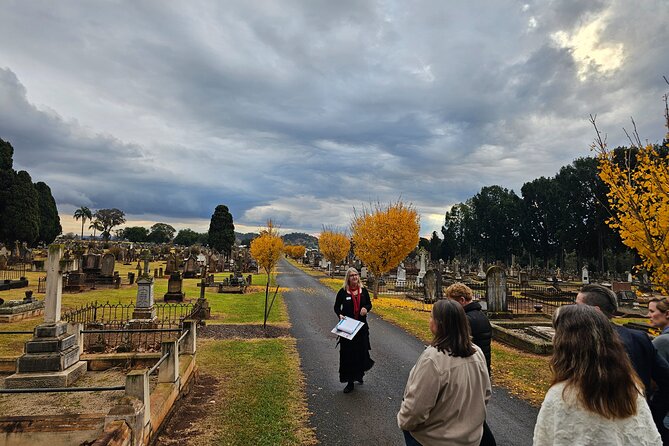
Small group pace (max 18 people): easier to ask questions and stay engaged.
Real meaning behind grave markers: you’ll learn how symbolism and burial practices worked.
Pioneer stories with dark chapters: hangings, murder, and mischief are part of the narrative.
A guide who keeps it moving: Lisa delivers lots of information and makes it fun.
Built for short time blocks: around 2 hours, starting at 3:00 pm.
Mobile ticket: less fuss before you arrive at Harristown.
Drayton & Toowoomba Cemetery: A 2-hour walk that actually fits
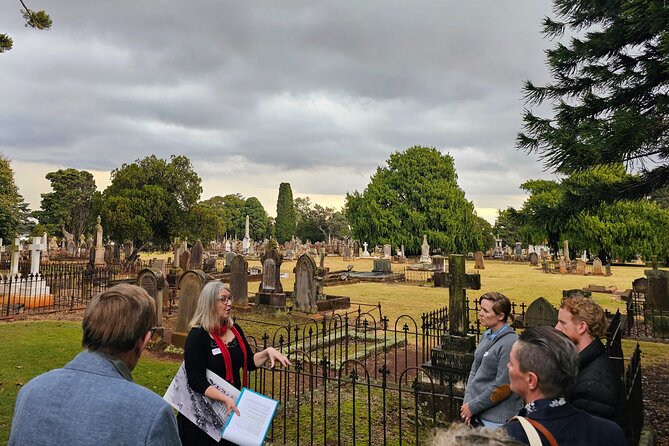
If you want a short outing with big storytelling power, this is a strong bet. The tour runs for about 2 hours and ends back where you start, which makes it easy to plug into an afternoon plan in Queensland. The start time is 3:00 pm, so you’re walking in daylight for much of the route, depending on the season.
Your meeting point is listed at CWFC+R9 Harristown (and another Harristown plus code is provided). I suggest arriving a few minutes early. Cemetery tours work best when you can find the group, settle in, and start listening right away—especially because the stories include some heavy topics.
What you wear matters more than you might think. You’ll be walking through an outdoor setting and paying attention to small details on stones, so good footwear helps. If you’re doing it during cooler weather, bring layers; one person who drove up from Brisbane on a cold day said the walk was still worth it.
You can also read our reviews of more walking tours in Queensland

What you’re really seeing: symbolism, craftsmanship, and how burials were done
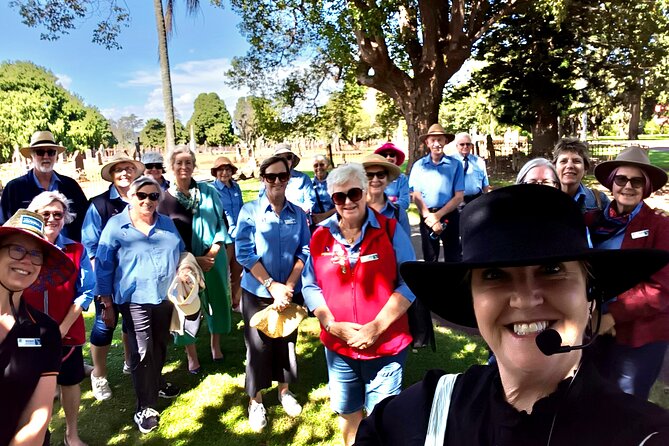
The heart of this tour is learning how to read a cemetery like a coded message. You’ll spend time on cemetery symbolism, and you’ll also learn about the craftsmanship behind markers and how funerary and burial practices worked in an earlier era. That’s a big shift from a basic “who’s buried here” experience.
Here’s why that matters for you on the ground. Once you understand the rules—what certain choices meant, why families might have selected specific forms, and how graves were presented—you start noticing things you would otherwise ignore. Stones stop being just old rocks and turn into evidence of beliefs, social standing, community identity, and even personal grief.
The tour’s focus isn’t just on the art. It also points you toward how burial practices reflected the times. You’ll learn context for why these spaces were designed the way they were, and how people used the cemetery to mark memory. That kind of explanation makes the place feel less random and more intentional.
If you care about genealogy, this style of tour can be surprisingly useful. One guide-led walking experience can give you vocabulary for what you’re looking at when you search family records or visit graves later. You’ll also likely leave with questions for your own family-tree research, because you’ll see the cemetery as part of a broader story of how people lived and were remembered.
The stories behind the stones: hangings, hardship, and pioneer life
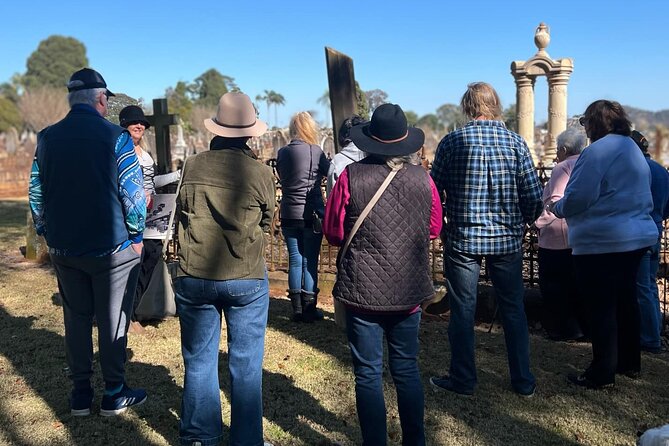
This is where the tour gets gripping. The stories tied to the cemetery cover a wide emotional range: hardships and hangings, moments of triumph and tragedy, and tales of ingenuity and innovation. There’s also darker material—mischief and murder show up in the narrative—because the people buried here lived real lives, not postcard lives.
That mix is valuable because it reflects how communities actually work. Early settlement periods had ambition and survival tactics side by side. Families built, adapted, and supported each other, while also facing violence, injustice, illness, and economic pressure. In a cemetery, you see the results of all of it at human scale.
To be clear, this isn’t a “happy walk through old graves.” The tour includes the graphic nature of some history, which is why children under 12 are discouraged. If you’re sensitive to violent or disturbing historical accounts, it’s smart to consider whether this is the right match for your comfort level.
I also like that the tour doesn’t treat the past like a costume drama. You get the sense of real people—pioneers and locals—whose stories played out through the pressures of their time. That helps you connect the cemetery to Toowoomba’s development, not just to “old times” in general.
Why the guide makes a difference: Lisa’s clear, energetic delivery
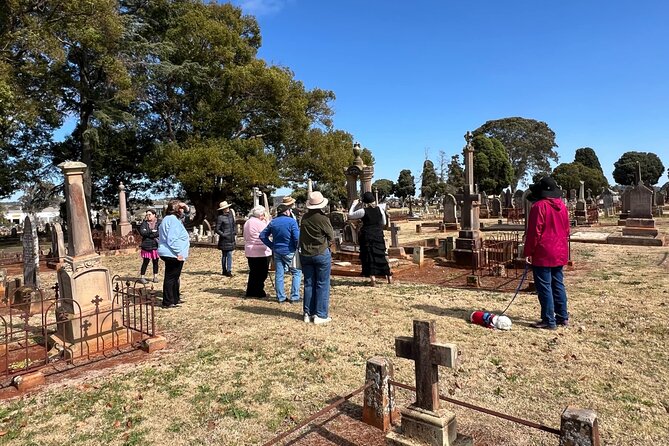
You’re not wandering around on your own reading plaques. This tour is hosted by a passionate guide, and the difference shows up quickly in how the stories are told and how the cemetery symbolism is explained.
One person specifically mentioned Lisa passing on a lot of information about pioneers of Queensland and Toowoomba, and they said the guide was fun. Another described the tour as fantastic because they learned about symbolism and rituals of headstones and graves, plus the local area and the people who lived there. That lines up with what you’re paying for: interpretation, not just walking.
A small group also helps. With a maximum of 18 travelers, it’s easier to hear explanations clearly and keep the pace from dragging. You’re more likely to get your questions answered too, whether you’re curious about what a detail means or you want help placing a story into broader regional history.
Practical tip: come ready to look closely. The cemetery symbolism part rewards attention. If you spend the whole time watching your feet, you’ll miss some of the visual clues the guide is helping you interpret.
How to prepare: timing, weather, and what to expect on the ground

The tour is scheduled for 3:00 pm and runs for roughly 2 hours. Because it’s an outdoor walking experience, weather matters. The information provided says the tour requires good weather, and if it’s cancelled due to poor conditions you’ll be offered another date or a full refund.
So what should you do? Check the forecast on the day, and dress for walking. Bring layers if it’s cooler; one review mentions a cold day trip from Brisbane. Also, it’s wise to wear shoes that handle uneven ground—cemeteries aren’t built like smooth city sidewalks, and you’ll want stable footing so you can focus on the stones and stories instead of your balance.
The tour also includes a mobile ticket, which is convenient. You don’t need to print anything, and it reduces the chance of “oops, I left it at home” problems.
Service animals are allowed, and most travelers can participate. If you have mobility concerns, you might want to consider whether a two-hour walk outdoors is comfortable for you, since the route is in a cemetery setting and you’ll likely be stopping often to read and listen.



Value check: is $25 fair for what you’re getting?

At $25, the price is relatively easy to justify for a two-hour, guided experience—especially because it’s not only about names on graves. You’re paying for explanation: cemetery symbolism, craftsmanship, funerary and burial practices, and stories that connect Toowoomba pioneers to the physical place where they’re remembered.
The value improves with group size. A maximum of 18 people means the guide can keep the experience personal and maintain a lively pace without turning it into a lecture hall. That matters because interpretation works better when the guide can adjust to the group’s questions and attention level.
If you’re the type who enjoys history that you can see with your own eyes—rather than just reading in a book—this kind of tour can be a great “high meaning per hour” activity. And if you’re in the middle of family-tree research, you’ll likely find it motivates you to keep digging, because you’ll learn how the cemetery itself fits into the broader human story.
Who should book this tour (and who might not)

This experience is a strong match if you:
- Want a focused two-hour outing that teaches you how cemeteries were designed and interpreted.
- Like local Queensland stories that include both success and hardship, not just dates and headstones.
- Are working on family history and want ideas for what to pay attention to when you find ancestors.
- Enjoy guided walks where someone brings the details into focus—symbolism, rituals, and the people behind them.
You might skip or think twice if:
- You’re bringing children under 12, because the tour content can be graphic.
- Violent or disturbing historical accounts would be stressful for you.
- You prefer low-stimulation sightseeing where you don’t have to process heavy topics.
Should you book the Drayton & Toowoomba Cemetery Walking Tour?
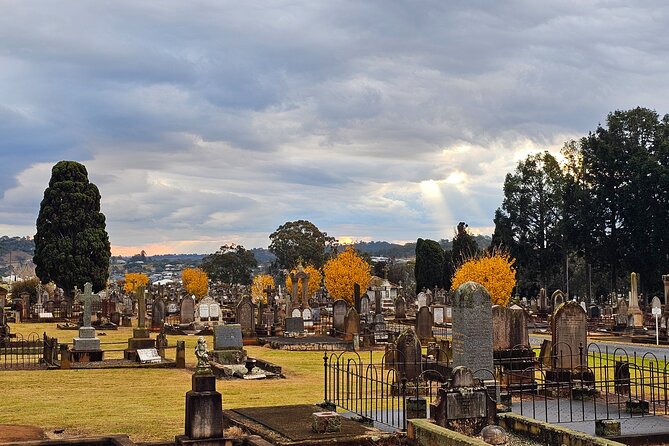
Yes, I think you should book if you want more than a pass-by cemetery visit. The standout value here is the teaching: headstone symbolism, burial practices, and the craftsmanship behind grave markers, paired with real local stories tied to Toowoomba and Queensland pioneers.
Book it especially if you’re curious about why cemeteries look the way they do, and you enjoy a guide who keeps things energetic. Lisa’s name comes up for a reason: people highlight how much information you get and how enjoyable the storytelling is.
Just check weather before you commit, dress for a walk, and be honest with yourself about the graphic parts of the history. If that’s all manageable, this is the kind of tour that leaves you looking at old stones with a lot more understanding than you started with.
FAQ
How long is the Drayton & Toowoomba Cemetery Walking Tour?
It lasts about 2 hours.
How much does the tour cost?
The price is $25.
Where does the tour start?
The tour starts at CWFC+R9 Harristown (Harristown QLD, Australia). It also ends back at the meeting point.
What kind of ticket do I need?
You receive a mobile ticket.
What time does the tour run?
The listed start time is 3:00 pm.
Is this tour suitable for children?
Children under 12 are discouraged due to the graphic nature of some history discussed.
Are service animals allowed?
Yes, service animals are allowed.
What if the tour is cancelled due to poor weather or my plans change?
The tour requires good weather. If it’s cancelled due to poor weather, you’ll be offered a different date or a full refund. You can cancel for a full refund up to 24 hours before the experience start time; within 24 hours, the amount paid is not refunded.