REVIEW · KANGAROO ISLAND
Small Group Kangaroo Island Evening and Night Tour
Book on Viator →Operated by Kangaroo Island Hire a Guide · Bookable on Viator
Kangaroo Island changes after dark. This small-group 4WD night tour from Kingscote is built for spotting tammar wallabies, brush-tailed possums, kangaroos and koalas when they’re most active. My favorite part is how much the guide works to line up sightings (including owls and echidnas if you’re lucky). The main thing to weigh: the experience is mostly done from the vehicle, and your animal views depend on night conditions.
If your trip is tight and you want wildlife without the stress of figuring out where to go, this one is a solid pick. Guides like Luca (and sometimes Sutz) focus on finding animals and explaining what you’re actually seeing—plus there’s usually time for big-sky star viewing under a dark Kangaroo Island sky.
In This Review
- Why This Kangaroo Island Night Safari Works
- Key Things to Know Before You Go
- Kangaroo Island After Dark: What the 4WD Safari Feels Like
- Meeting in Kingscote: Timing, Duration, and Group Size
- Bay of Shoals Stop: The Nocturnal Wildlife Plan
- How the Guide Works the Spot (and What Helps You See More)
- Price and Value: Why $93.24 Can Make Sense
- Family-Friendly Night Fun (Including the Star Show)
- What Could Go Wrong: Vehicle Time, No Guarantees, and Comfort Issues
- Should You Book This Kangaroo Island Night Tour?
- FAQ
- FAQ
- What animals can I expect to see on this night tour?
- How long is the Kangaroo Island evening night tour?
- Where does the tour start and end?
- How many people are on the tour?
- Is food or drinks included?
- What’s included in the price?
- What if I cancel or the tour can’t run?
Why This Kangaroo Island Night Safari Works
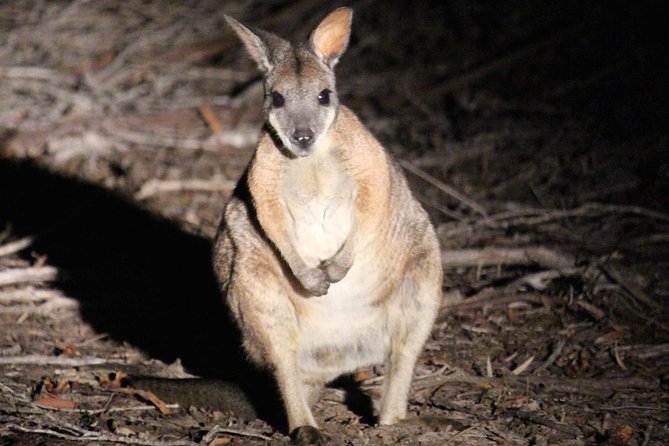
This tour doesn’t sell you a lecture. It sells you a nighttime search party with a local guide and a 4WD that can reach the spots where nocturnal animals show up. With a maximum of 8 travelers, you’re not stuck in a huge crowd, and it’s easier for the guide to adjust on the fly when wildlife appears.
You’ll also get a very kid-friendly version of “adventure”: lights dim, eyes scan, and then—pop—something moves in the grass or up in the trees. If you’ve been hoping to see more than the usual daytime highlights on Kangaroo Island, this is one of the easiest ways to do it.
One more practical note: this is an evening/late night drive, typically 2 to 3 hours (about 2.5 hours on the main wildlife time). It’s not a full-day nature program, so come ready to pay attention and accept that wildlife spotting is part luck, part timing.
Key Things to Know Before You Go
- Small group cap (up to 8): easier viewing and more personal guidance.
- 4WD safari format: you’ll spend most of the time in the vehicle while the guide scans and stops when possible.
- Bay of Shoals is the star stop: prime nighttime areas for tammar wallabies, kangaroos, and tree-dwelling wildlife.
- Real chances at iconic species: koalas, possums, and sometimes little penguins, plus owls and echidnas if you’re lucky.
- Star-gazing time: expect dark-sky viewing and a Milky Way-style moment when conditions allow.
- No food on board: you’ll want to eat before you go and bring water if you’re prone to getting thirsty.
You can also read our reviews of more evening experiences in Kangaroo Island
Kangaroo Island After Dark: What the 4WD Safari Feels Like
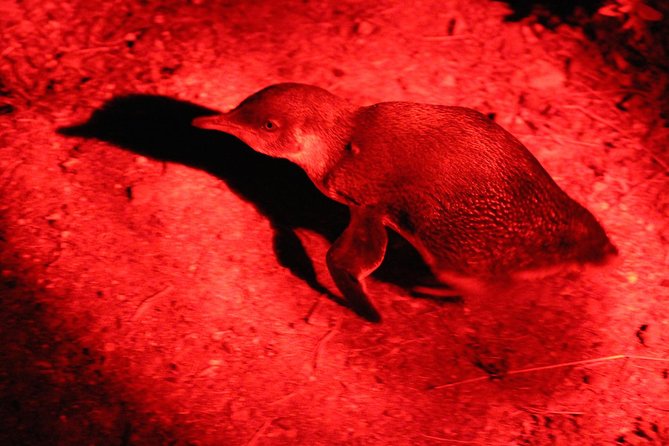
Night tours on Kangaroo Island are different from daytime trips in a good way. During the day, you see animals. At night, you’re more like a detective. The guide slows everything down: eyes up, eyes down, listen for movement, and watch for the quick flashes of movement that most people miss.
This tour runs as a 4WD night safari, so you’re not dealing with dust trails and tricky roads in the dark. The vehicle setup is practical for getting to remote areas, and the drive also keeps the group together while the guide reads the terrain and the wildlife behavior.
What I’d call the “feel” of the tour:
- You’ll do lots of scanning, not constant stops.
- When something appears, the guide tends to act quickly and then settles in long enough for you to actually see it.
- There’s a sense of the island going quiet, and then waking up.
If you’re a night-sky person, the timing can pay off. Several experiences include star viewing, with people calling out the Milky Way-style sky. Even if the night isn’t perfect, Kangaroo Island’s dark skies are the kind of thing you’ll remember.
Meeting in Kingscote: Timing, Duration, and Group Size
You meet at 1 Commercial St, Kingscote SA 5223, and the tour ends back at the same meeting point. It’s a straightforward start location, which matters because after-dark trips can make “where do we go?” feel like a mini headache.
Duration is listed as 2 to 3 hours (and the core wildlife portion is about 2.5 hours). That’s a good length for most people: enough time to search, scan, and enjoy the night, without turning into a long slog.
Group size is capped at 8 travelers, with a minimum of 2 people per booking for departure. That small-group ceiling is one of the big wins: you can hear the guide, you can rotate to better angles when the vehicle stops, and the guide can manage attention without herding everyone.
Two other practical details to respect:
- It runs in all weather conditions, so plan for it to be chilly and damp at times. Kangaroo Island nights can be cooler than you expect.
- It’s a mobile ticket experience, so have your phone ready.
Bay of Shoals Stop: The Nocturnal Wildlife Plan
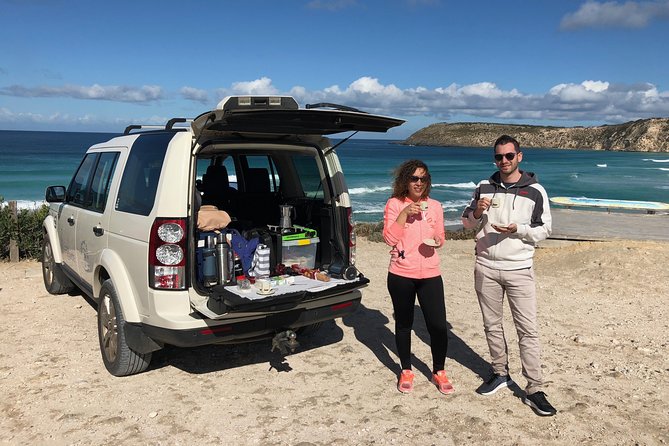
Your main time is spent around Bay of Shoals. This is where the tour’s “night safari” concept becomes real: the guide searches different areas as the island’s nocturnal animals start moving.
Here’s what the tour experience is aiming for, based on the species mentioned and the sightings described:
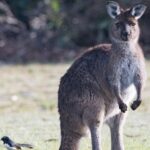
- Tammar wallabies hopping through the bush
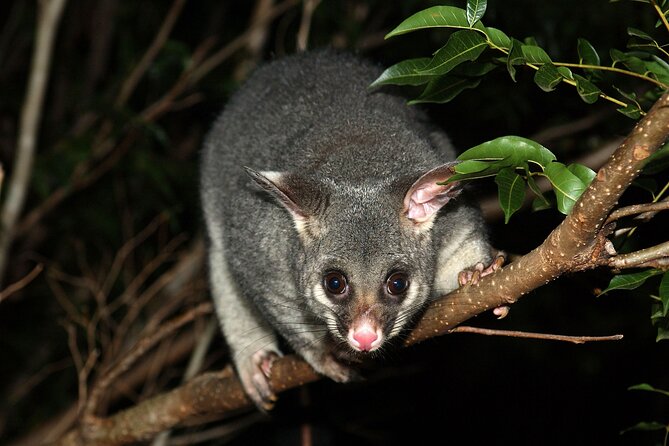
- Brush-tailed possums moving along tree branches
- Western grey kangaroos grazing under the stars
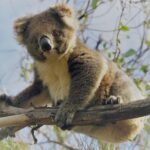
- Koalas resting in gum trees
And then there are the “if you’re lucky” possibilities that can make the tour feel like a jackpot night:
- Boobook owls (often heard or seen briefly)
- Stone curlews
- Little penguins when conditions and timing line up
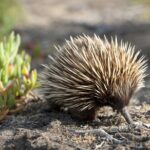
- Echidnas
A key reality check: wildlife spotting varies by season and by the night. Even excellent guides can’t force animals to move on schedule. What you can control is your mindset—go with patient expectations, and you’ll enjoy the process, even when the “big name” animals are quieter than hoped.
How the Guide Works the Spot (and What Helps You See More)
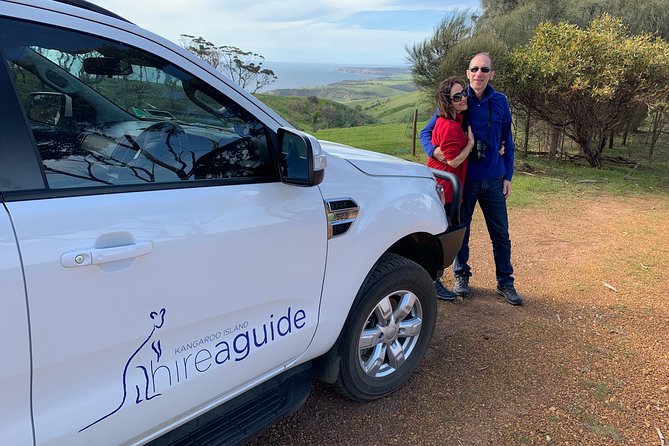
This is one of those tours where the guide’s job is half navigation and half timing. People consistently mention that guides like Luca know exactly where to find wildlife and how to work the roads and stopping points so the group has the best shot at seeing animals.
In practical terms, here’s how you help the guide help you:
- When the guide calls something out, stay ready and don’t fumble with phones at the worst moment.
- Follow any instructions about where to look and when to be quiet.
- If stops allow, rotate your seat or position so you’re not blocked by the people beside you.
Some nights can be a challenge because animal viewing is limited by vehicle windows and safe roadside stopping. One review even raised that tinted windows and central seating can make viewing harder. The good news is that the guide can often manage viewing by having people shift around when the vehicle stops.
Also, note the lighting side of night wildlife watching. For penguins in particular, the provider indicates that lighting is managed by the guide, including the use of specialized red-filter lighting so the viewing experience doesn’t disturb the birds. Translation: don’t expect a “DIY flashlight in your hand” vibe. You’re there to watch what the guide is spotlighting at the right time.
Price and Value: Why $93.24 Can Make Sense

At $93.24 per person, you’re paying for more than a car ride. What’s included is a local guide plus private transportation. That’s the core value: a guide who knows where the animals are most likely to show up at night, and a driver who gets you there safely without you guessing in the dark.
Could you technically do part of this yourself by renting a car? Sure—Kangaroo Island is full of wildlife in the dark, and animals don’t follow brochures. But you’d be trading convenience for uncertainty:
- You won’t know the best spots to check after sunset.
- You may not understand what you’re looking at (and why it’s behaving the way it is).
- You’ll spend more time driving around and less time actually seeing animals.
That said, one important balance point: a small number of criticisms felt the tour was too “mostly driving” and not enough time out of the vehicle. If you’re the type who needs lots of walking and frequent stops, this might feel more like a safari drive than a guided hike. The trade-off is that the vehicle keeps things efficient and lets the guide cover more ground quickly.
My take on value: if you want a guided nighttime wildlife search with star-sky moments, the price is reasonable. If you’re expecting guaranteed penguins every time and lots of time outside the car, temper those expectations and treat it as a wildlife spotting outing.
Family-Friendly Night Fun (Including the Star Show)
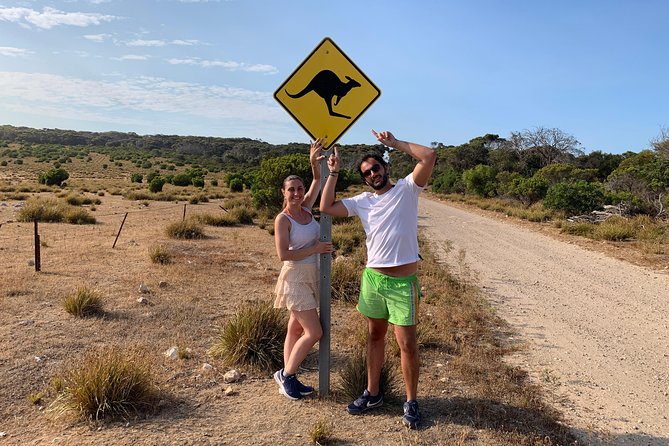
This is a tour that’s clearly popular with kids. The combination is the hook: you’re not stuck in a classroom, and the animals keep the attention. Many sightings listed in experiences include koalas, wallabies, kangaroos, possums, and penguins—plus other nocturnal surprises like bats and small birds.
One of the sneaky benefits: the sky time. Several experiences mention star viewing, including Milky Way-style skies. That turns the tour into something more than animal spotting. It becomes a shared “look up” moment that’s easy for families to enjoy without extra planning.
Two tips for families:
- Dress for cold. Night tours can feel surprisingly chilly even when the day was warm.
- Eat before you go. Food and drink are not included, so plan your snacks and water timing accordingly.
If your kids can handle sitting and listening for a couple hours, this is a fun way to experience the island as it wakes up.
What Could Go Wrong: Vehicle Time, No Guarantees, and Comfort Issues
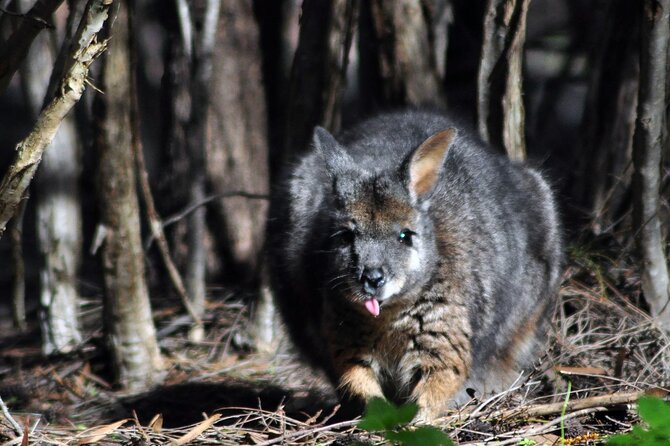
Let’s be honest. Night tours are weather-dependent in the sense that visibility and animal movement vary. Even with a great guide, wildlife can be stubborn. The tour is designed for spotting, not for guaranteeing a specific list of animals.
There are also a couple of practical considerations worth knowing in advance:
1) Expect mostly vehicle viewing.
The format can involve staying in the car while the guide scans, and sometimes you may step out briefly only if the viewing opportunity allows. If you’re hoping for lots of time off-road on foot, this probably won’t match that expectation.
2) Lighting may be guide-controlled.
You may not be the person holding the flashlight. Lighting is used strategically—especially around penguins—using approaches designed not to disrupt animals. One complaint described an issue with torches, but the provider response clarifies that lighting for viewing was handled by the guide and that red-filter lighting is part of how penguins are viewed.
3) Animal expectations must be flexible.
Echidnas, owls, and little penguins are possible, not promised. If you go hoping for a “perfect bingo card,” you’ll likely feel let down on a quieter night. If you go curious—wow, there’s a possum, then a koala, then maybe a penguin—you’ll have a better time.
4) Comfort and sightlines vary with seating.
One review mentioned tinted windows and central seats affecting visibility. The fix is simple: if the guide suggests shifting positions, do it early, not after the animal is already in view.
Should You Book This Kangaroo Island Night Tour?
I think you should book it if you want:
- A small-group night wildlife search with a guide
- Strong odds of seeing the island’s nocturnal stars like tammar wallabies, possums, kangaroos, and koalas
- A chance at penguins, owls, and echidnas when the night cooperates
- Some genuinely memorable dark-sky time
I’d skip or rethink it if:
- You’re uncomfortable being in a vehicle for long stretches
- You’re expecting lots of walking and frequent stops
- You need guaranteed sightings (night wildlife doesn’t work like that)
If you do book, the best preparation is also the simplest: wear warm layers, eat before you go, and arrive ready to be patient and observant. When it clicks, it’s one of the best ways to experience Kangaroo Island at a time when most day-tour crowds are long gone.
FAQ
FAQ
What animals can I expect to see on this night tour?
The tour focuses on nocturnal wildlife such as tammar wallabies, brush-tailed possums, and western grey kangaroos, with chances for koalas. Depending on the night, you might also spot boobook owls, stone curlews, little penguins, and even an echidna.
How long is the Kangaroo Island evening night tour?
It runs for about 2 to 3 hours. The main wildlife-focused portion is described as around 2.5 hours.
Where does the tour start and end?
It starts at 1 Commercial St, Kingscote SA 5223, and it ends back at the same meeting point.
How many people are on the tour?
The tour has a maximum of 8 travelers, which keeps it in the small-group range. There is also a minimum of 2 people per booking for it to depart.
Is food or drinks included?
No. Food and drink are not included, so you’ll want to plan to eat beforehand.
What’s included in the price?
The price includes a local guide and private transportation.
What if I cancel or the tour can’t run?
The experience has free cancellation up to 24 hours in advance for a full refund. If the minimum number of travelers isn’t met, you’ll be offered another date/experience or a full refund.