REVIEW · SYDNEY
Sydney: Australian Museum RELICS Exhibition Entry Ticket
Book on GetYourGuide →Operated by Australian Museum · Bookable on GetYourGuide
LEGO worlds inside real museum treasures sounds strange—on purpose. I love the 14 relic displays that turn familiar objects into tiny LEGO civilizations, and I also appreciate the free audio description guide for a more complete visit. The main drawback is simple: when it’s busy, the noise and crowds can make it harder to slow down and spot the fine details.
This is a self-paced, 1-day stop at the Australian Museum built around the year 2130, when humans are gone and LEGO communities have moved into discarded items. You’ll get the most out of it if you treat the scavenger hunt as your pacing tool, not just a side activity. It’s family-friendly and playful about future Earth and resource depletion themes, so most people find it easier than they expect to handle.
Plan your visit with comfortable shoes and a charged smartphone, because you’ll want time to move between scenes and capture your favorite moments. Photography for personal use is typically allowed, but you should confirm what’s permitted when you arrive. If you’re sensitive to loud rooms, pick a calmer time slot and plan for pauses.
In This Review
- Key highlights
- RELICS at the Australian Museum: what you’re really buying
- Your walk-through route: 14 relic worlds in a day
- The 2130 story thread: sci-fi, nostalgia, and a light environmental nudge
- Scavenger hunt tips that actually improve your visit
- Interactive build space: the hands-on part you should plan for
- Audio description guide and photography rules: small things that change everything
- Timing and crowds: how to keep the experience enjoyable
- Souvenirs at the Australian Museum shop: extend the LEGO fun
- Who should book this LEGO exhibition ticket
- Should you book this ticket or skip it?
- FAQ
- Where is this exhibition?
- How long should I plan for?
- What does the ticket include?
- Who created the exhibition?
- Is there an audio guide?
- What should I bring?
- Is the exhibition wheelchair accessible?
- Is photography allowed?
- Can I pay later or cancel?
Key highlights
- Created by LEGO Masters winners Jackson Harvey and Alex Towler: the show has that designer-level craft and storytelling feel
- Year 2130 sci-fi setting: humans are gone, and LEGO civilizations live inside forgotten objects
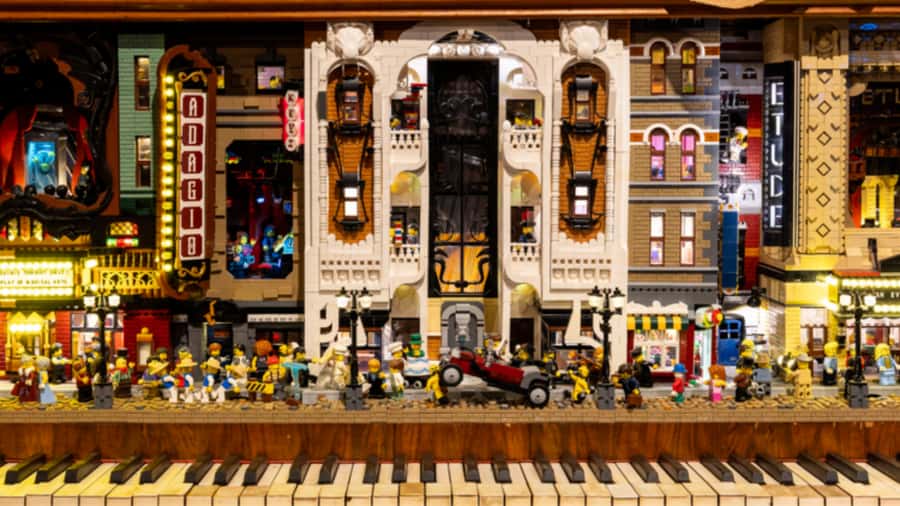
- 14 displays made from “relic” objects: you’ll spot worlds built into items like radios, pianos, arcade machines, and suitcases
- Interactive build space: you can build and then display your own creation
- Custom scavenger hunt for kids and adults: different versions help you stay engaged at every age
- Free accessible audio description guide: bring your own device and headphones
RELICS at the Australian Museum: what you’re really buying
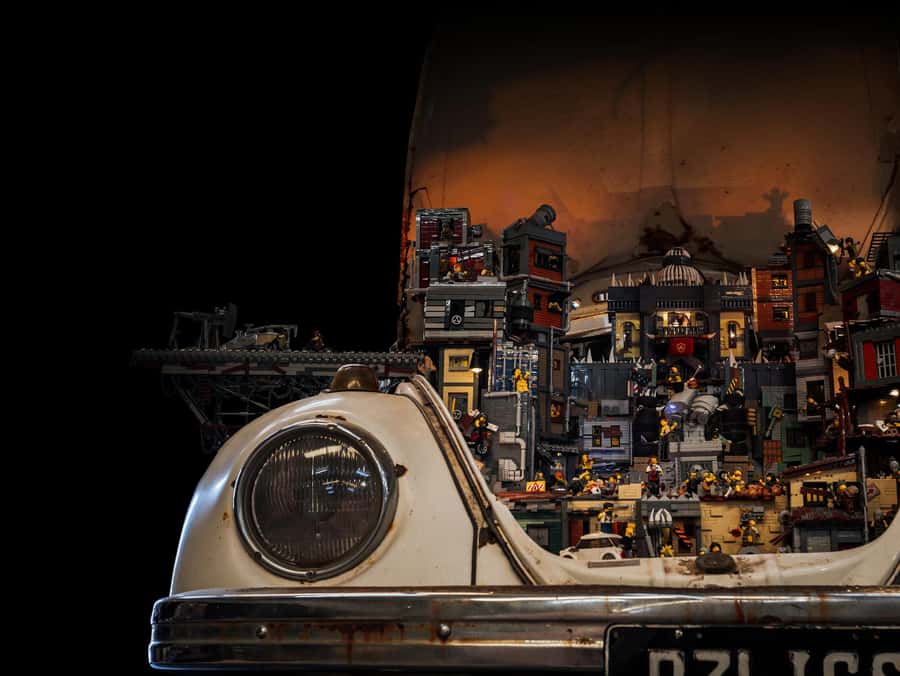
This ticket is your entry to the exhibition RELICS: A New World Rises at the Australian Museum in Sydney. The core idea is clever and easy to understand: imagine a future Earth (set in 2130) after humans have left, and LEGO minifigure societies have taken over everyday objects from the past.
You’re not just walking past LEGO models. Each display is built around a “relic” object, with a miniature world inside it. That mix is what makes the experience work for a wide range of people: LEGO fans get the building obsession, museum lovers get the storytelling, and kids often latch onto the characters without needing extra explanation.
From the start, the exhibition’s tone is playful. The environmental message shows up as a gentle wake-up theme, not a lecture. In other words, it’s sci-fi with nostalgia and a practical lesson tucked inside the fun.
If you only do one thing during your visit, don’t rush. Give yourself time to look at what’s attached to the objects, not just the main LEGO scene. The exhibition rewards that slower pace.
A few more Sydney tours and experiences worth a look



Your walk-through route: 14 relic worlds in a day
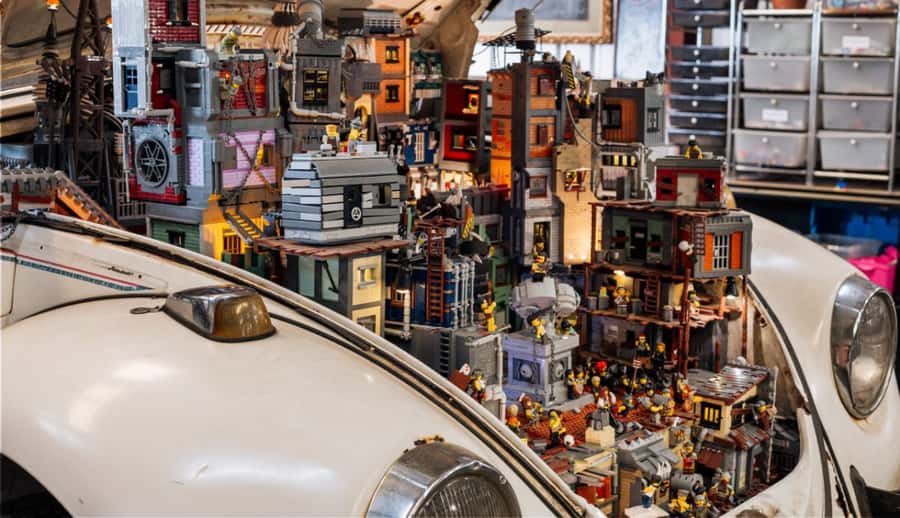
The exhibition is laid out as a series of displays, with 14 separate scenes built from treasured vintage-style objects and packed with detailed LEGO brick environments. The objects are part of the fun because they’re recognizable at a glance—things like radios and pianos—but the LEGO worlds turn them into locations with purpose.
Here’s how to think about the visit as you move from display to display:
- Start with your eyes up and take in the overall world, like a mini city or community.
- Then drop your attention to the edges and smaller elements: characters, props, and hidden clues that make the scene feel lived-in.
- Repeat. The exhibition is designed so you can move at your own pace and still feel like you’re progressing.
A useful strategy is to let the scavenger hunt decide where you look first. If you’re with kids, this can prevent the classic problem of adults finishing faster than the kids and everyone getting restless. If you’re solo or with other adults, the hunt still gives structure so you don’t miss the little story details.
Also note the practical reality: it’s easy to underestimate how long it takes to examine LEGO scenes closely. Plan on at least a couple of hours of steady time, plus extra if you want to use the build space.
The 2130 story thread: sci-fi, nostalgia, and a light environmental nudge
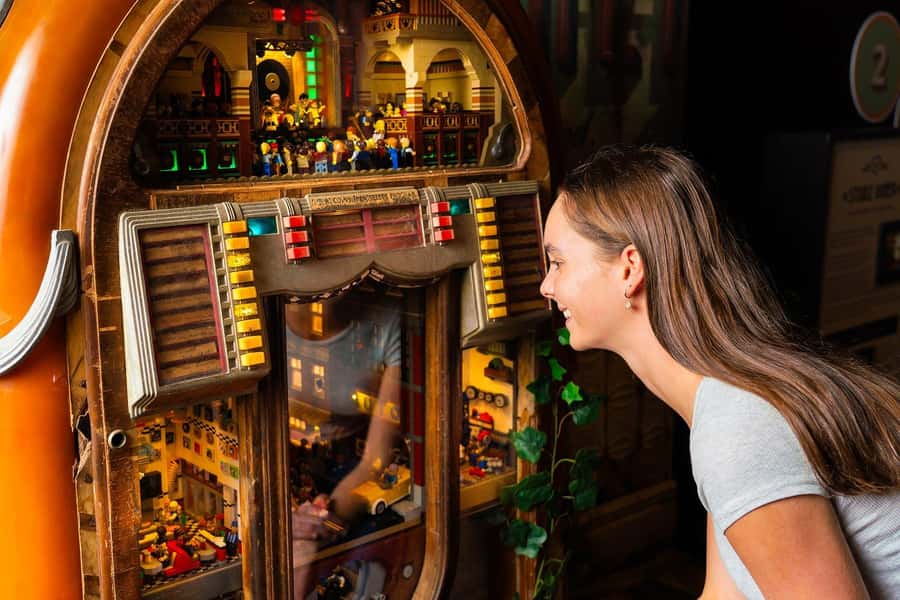
The year 2130 is more than a backdrop. The story explains why humans are gone and why LEGO civilizations are living inside discarded objects. That concept creates an easy mental bridge: you know the old object, then you watch the exhibition show what a new life could look like if the world took a different turn.
The nostalgia comes from the relics themselves. Radios, arcade machines, suitcases, and pianos bring in a familiar, human past. The sci-fi comes from what’s happened next—tiny communities evolve their own logic and culture in spaces that were never meant to be homes.
The environmental angle shows up in a playful way. Resource depletion isn’t presented as doom-and-gloom. Instead, the exhibition uses the future scenario to make you think about reuse, value, and how stories can continue even after things are discarded.
If you like exhibitions that tell a story you can follow visually, this one works. You don’t need background knowledge. The scenes themselves do the teaching.
And if you’re visiting with kids, the theme is often easier than expected because it’s delivered through character scenes and visual puzzles, not heavy text.
Scavenger hunt tips that actually improve your visit
The exhibition includes a custom scavenger hunt, and it comes in different versions for children and adults. That matters, because the hunt isn’t just extra paper. It’s a way to force your attention onto the details that make each relic world interesting.
Here’s how you can get more out of it:
- Use the hunt to choose your slower moments. When you find the clue, pause and scan the surrounding area, not only the one answer spot.
- Let kids lead the search if they want to. It keeps energy up and turns the visit into a game.
- If you’re an adult who prefers a calmer pace, do the hunt lightly at first, then come back to your favorite scenes for deeper looking.
One practical note from real-world experience with busy museum exhibitions: a scavenger hunt is great when the space is crowded too, because it gives you a task. Without it, you can get stuck staring at the same big scene while other people move past and you feel rushed.
Try to time your hunt so you’re not stuck starting it at the busiest moment. If the gallery feels loud or packed, use that moment to focus on the hunts and then retreat to calmer corners when possible.
Interactive build space: the hands-on part you should plan for
The exhibition includes an interactive build space where you can build and display your own creations. This is a big deal because it turns the exhibition from pure looking into participation.
What I like about this part is that it scales with your group. Kids usually jump into building right away, while adults can treat it like a design break—something tactile after a lot of visual detail watching. Either way, it helps you leave with a memory that isn’t only photos.
If your priority is the build space, don’t treat it as an afterthought. Build time can take longer than you think, especially if you’re waiting for materials or working around other groups.
Also, this is one of the best reasons to visit with a charged smartphone. While the exhibition is largely about the LEGO scenes, your own build is something you’ll likely want to document.
If you’re visiting with a stroller, keep an eye on space flow in the build area. The exhibition is wheelchair accessible and welcomes prams, but busy days can mean narrow traffic patterns.
You can also read our reviews of more museum experiences in Sydney





Audio description guide and photography rules: small things that change everything
One standout feature is the free accessible audio description guide. The key detail is practical: you need to bring your own device and headphones to use it. That turns a nice option into an essential planning step. If you forget headphones, you might miss out on a major layer of the experience.
The audio guide is especially helpful in a LEGO exhibition, where visual nuance matters. You can hear descriptions that connect scene details and characters to the overall story, which can make the exhibition feel more complete even if the room is crowded.
Photography is typically allowed for personal use in most exhibition spaces, but restrictions can exist. Always check on arrival so you don’t get surprised mid-visit. If personal photos are important to you, build your plan around the areas where you’ll want the best shots rather than trying to photograph everything.
My best advice: use your camera for your favorites, not everything. With LEGO models, too many photos can replace looking. Pick a few relic worlds you really love and spend your attention there.
Timing and crowds: how to keep the experience enjoyable
This exhibition is popular, and the Australian Museum can get busy—especially during school holidays. When it’s crowded, it’s not just about comfort. Crowds and noise can make it harder to see fine LEGO details, and that’s where the exhibition rewards you most.
You can’t control the day, but you can control your strategy:
- Arrive ready to slow down. If you walk in with a strict schedule, the crowd will frustrate you.
- Give yourself extra time in peak periods, especially for reaching the main displays without feeling shoved along.
- If the noise level spikes, take micro-breaks—turn toward less crowded areas, step aside to listen to the audio guide, or step into the build space for a reset.
One other thing to remember: entry can be quick, but that doesn’t mean the galleries will feel easy. Quick entry just gets you inside. The rest is about managing your pace once people start moving together.
If you’re visiting with kids, plan for the fact that energy rises and falls. A crowded gallery can feel overwhelming. Keep the hunt active, but also build in short breaks so kids don’t hit their limit before you finish.
Souvenirs at the Australian Museum shop: extend the LEGO fun
After your visit, you can browse the Australian Museum shop for RELICS-themed souvenirs, LEGO gifts, and the exhibition book. This is a smart way to extend the experience without adding more museum fatigue.
If your family loved a specific relic world, the book can help you remember the smaller details you might have missed while walking. If you want something to bring home that matches the theme, the shop is where it tends to be easiest to find.
I like doing this at the end because it stops the shop from stealing time from the exhibition itself. Once you’ve built your own mini memory, you’ll know what you want to bring back.
Who should book this LEGO exhibition ticket
This is a great choice if you want a family-friendly exhibition that mixes museum storytelling with LEGO craft. It’s also a strong pick if you enjoy world-building—especially when the “world” is built inside familiar objects.
You’ll likely be happiest if you:
- Like LEGO models and want to see that craft translated into a full narrative
- Enjoy scavenger hunts or interactive prompts that guide your looking
- Want a light, accessible theme about the future and environmental responsibility
It may be less satisfying if you’re expecting a quiet, gallery-style museum experience. On busy days, it can feel noisy and packed, and that can reduce the pleasure of slow looking at the details.
It also comes down to your personal value sense. One person might feel the ticket is worth it because of the combination of 14 displays, scavenger hunt, audio guide, and build space. Another might feel it doesn’t justify the cost if the crowd makes it hard to see everything properly. Your best defense is planning your timing and committing to a slower pace.
Should you book this ticket or skip it?
Book it if your group will enjoy playful sci-fi storytelling, loves LEGO, and will actually use the scavenger hunt and build space. The mix of 14 relic scenes plus interactive elements gives you more than a quick look at LEGO models.
Skip it (or at least adjust expectations) if you know you struggle with noisy crowds. If your priority is calm, detailed viewing with no interruptions, you’ll want a quieter time slot and extra patience.
If you want an easy one-day plan in Sydney that feels different from the typical museum visit, RELICS is a smart pick. Just bring the right basics—comfortable shoes, a charged phone, and headphones if you plan to use the audio guide.
FAQ
Where is this exhibition?
It’s at the Australian Museum in Sydney, New South Wales, Australia.
How long should I plan for?
The experience is listed as 1 day, and it’s self-paced so you can move at your own speed.
What does the ticket include?
Entry to the RELICS: A New World Rises exhibition, which features 14 relic displays, a custom scavenger hunt, and an interactive build space.
Who created the exhibition?
The exhibition was created by LEGO Masters winners Jackson Harvey and Alex Towler.
Is there an audio guide?
Yes. There is a free accessible audio description guide. You’ll need to bring your own device and headphones.
What should I bring?
Comfortable shoes, a camera, and a charged smartphone.
Is the exhibition wheelchair accessible?
Yes. The event is wheelchair accessible, and prams and wheelchairs are welcome with step-free access and accessible facilities.
Is photography allowed?
Photography for personal use is typically allowed in most exhibition spaces, but you should check on arrival for any restrictions.
Can I pay later or cancel?
You can reserve now & pay later, and free cancellation is available up to 24 hours in advance for a full refund.




More Museum Experiences in Sydney

More Tickets in Sydney



More Tour Reviews in Sydney
- Blue Mountains Small-Group Tour from Sydney with Scenic World,Sydney Zoo & Ferry
★ 5.0 · 3,709 reviews