REVIEW · SYDNEY
Sydney Ghost Quest: Self-Guided Haunted History Game
Book on Viator →Operated by Questo · Bookable on Viator
A ghosty story starts right at the curb. This self-guided quest turns Hyde Park and the Rocks area into a puzzle trail with a real Sydney feel and plenty of spooky atmosphere. You use a mobile access code to start, then follow clues from stop to stop at your own speed.
What I like most is the mix of puzzle challenges with a walking route through recognizable historic spots, so you are not just reading spooky lines. The second big plus: it is flexible, so you can pause and jump back in when you catch your breath. One drawback to note: it is a lot of walking, and the story can be scary, so I’d plan for a group that is comfortable with ghostly themes.
In This Review
- Key things to know before you play
- Phone-Guided Ghost Quest: what this is really like
- Price and time: why the $6.06 tag makes sense
- Where it starts and ends: Hyde Park Barracks to Bridge Stairs
- How the 11 stops work (and how long you should linger)
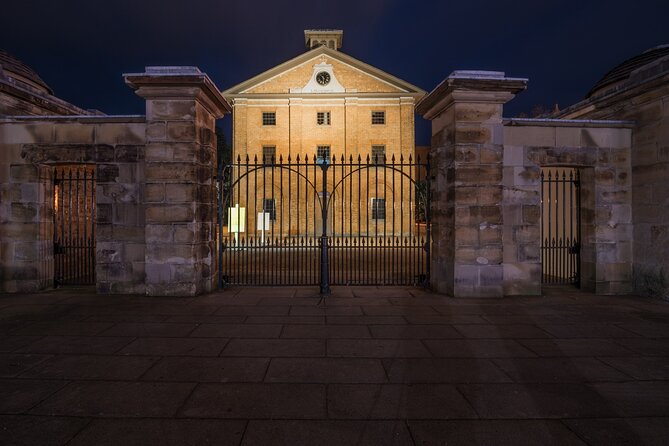
- Stop 1: Hyde Park Barracks clue briefing (and the one ticket note)
- Stop 2: Robert Brough Memorial Fountain (easy win stage)
- Stop 3: Angel Place (where the city starts to feel like a set)
- Stop 4: Curtin Place (the quest rhythm clicks)
- Stop 5: 155 George St (the route gains personality)
- Stop 6: The Russell Boutique Hotel (a good spot for atmosphere)
- Stop 7: The Doss House Coroner’s court (more serious tone)
- Stop 8: 43–45 George St (The Merchant’s House chapter)
- Stop 9: 17 Windmill St (Parbury Ruins)
- Stop 10: The Hero of Waterloo Hotel (final stretch energy)
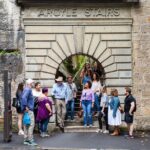
- Stop 11: Bridge Stairs (story ends here)
- What kind of scary is this?
- Walking load: plan comfy shoes
- Mobile code and self-guided flow: what you actually need
- Who this is best for (and who should skip it)
- Quick FAQ
- FAQ
- Is there a tour guide with Sydney Ghost Quest?
- How long does the quest take?
- Where do I start and where does it end?
- Do I need to buy entry tickets to attractions?
- What’s included in the price?
- What do I need on my phone?
- Is the experience family-friendly?
- Can I do it at night?
- Is cancellation free?
- Should you book Sydney Ghost Quest?
Key things to know before you play
- Phone-led clues at 11 ghost-themed puzzle stops, with each solution pointing you onward.
- Flexible pacing: you can pause/resume and linger at stops to think it through.
- Built around central Sydney: Hyde Park Barracks to the Rocks, ending at Bridge Stairs.
- Minimal ticket fuss: attractions are not needed to finish, and most stops are listed as free.
- Spooky, not blood-and-guts: best for families with kids old enough to handle scary stories.
- Private-by-your-group: only your group participates, since it is self-guided.
Phone-Guided Ghost Quest: what this is really like
Sydney Ghost Quest is not a guided tour with a person talking at you. It is a phone-first, self-guided haunted history game that runs like a story you play. You start with a clue at Hyde Park Barracks, then your phone guides you onward through a set route of historic locations. At each stop, you solve a puzzle challenge tied to the story, and that’s what keeps the momentum going.
The experience is designed for an easy win: you get enough structure to feel like you’re doing something, but you still control your pace. Want to rush through the clues? You can. Want to slow down, read the scene, and take photos? Do that too. It is a city walk that mixes sightseeing with problem-solving, which is a nice change from the usual museum loop.
Also, it is great value on price. At $6.06 per person, you are essentially paying for a self-guided entertainment package plus a phone-based adventure across central Sydney. For that money, you are not getting a long guided talk, but you are getting a timed, structured route you can repeat and finish on your schedule.
You can also read our reviews of more guided tours in Sydney

Price and time: why the $6.06 tag makes sense
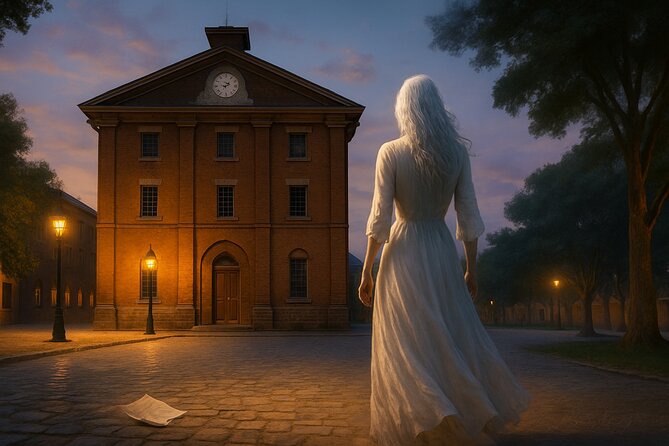
The stated duration is about 1 hour 20 minutes to 1 hour 50 minutes, which fits well into an evening plan. At this length, you get enough stops to feel like a real activity, but you are not committing to a half-day outing.
Why that price works: you are paying for a bundle of 11 puzzle challenges plus storyline content tied to the route. The cost is low enough that you can treat it like a fun add-on to your Sydney day, not a major expense. And because it is mobile-based, there is no guided labor built into the ticket price.
One practical note: since it’s a walking game, your actual time depends on how long you spend solving each clue. If you like puzzles, you will probably move faster. If your group likes to take in the atmosphere and think out loud, build in extra time.
Where it starts and ends: Hyde Park Barracks to Bridge Stairs
Your starting point is Hyde Park Barracks, Queens Square, Macquarie St, Sydney NSW 2000. Your finish is Bridge Stairs, 100 Cumberland St, The Rocks NSW 2000. That matters because the route is a one-direction stroll through central Sydney, ending in the Rocks area.
It also helps you plan transport. Both ends are in well-known zones with public transit nearby, so you do not have to fight the city just to start. If you hate backtracking, this route is built for you: you walk forward, solve clues, and then end at a distinct location where you can keep exploring after the game ends.
How the 11 stops work (and how long you should linger)
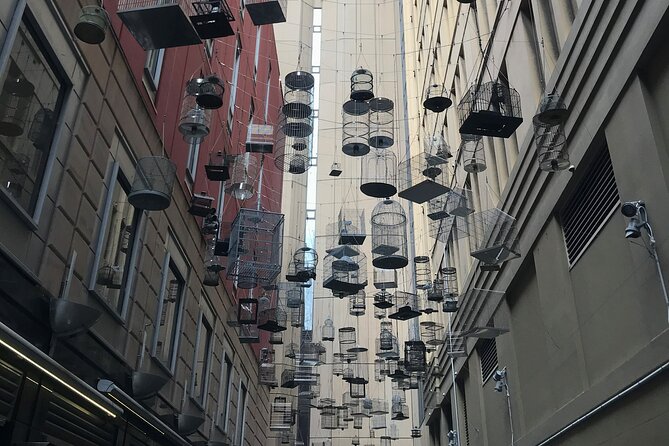
Each stop is set up like a mini chapter. You arrive, get the next clue, solve a puzzle, and then move to the directions for the next location. The itinerary lists short suggested durations, but it also makes it clear you can stop for as long as you like at each location.
Here is a helpful way to think about time: aim to move after you solve the clue, but do not rush the reading portion. These games slow down your brain on purpose, and that is the fun part. If you sprint from clue to clue without looking around, you lose some of the “haunted history” vibe that the storyline is trying to create.
Stop 1: Hyde Park Barracks clue briefing (and the one ticket note)
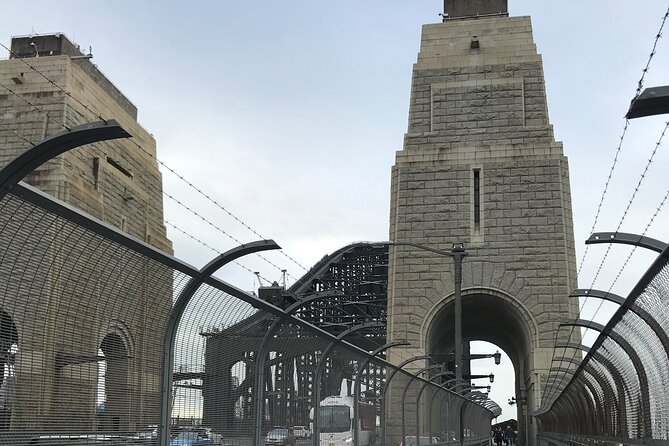
You begin at Hyde Park Barracks. The game gives you your first clue to solve. That solution then unlocks the next part of the story and gives your directions to stop two.
The itinerary also flags that admission ticket is not included for this start location. That does not automatically mean you need to pay to play, but it does mean you should be ready for the possibility that you might encounter entry requirements if you want to go inside certain areas. If your goal is just to complete the quest and follow the puzzle trail, you can still treat this as a “start here” location and focus on the clue.
This first stop is important because it sets the tone: your guide shift ends, and a ghostly moment pulls you into the story. It’s a strong opening choice, because Hyde Park Barracks is the kind of place where history feels physical.
You can also read our reviews of more historical tours in Sydney




Stop 2: Robert Brough Memorial Fountain (easy win stage)
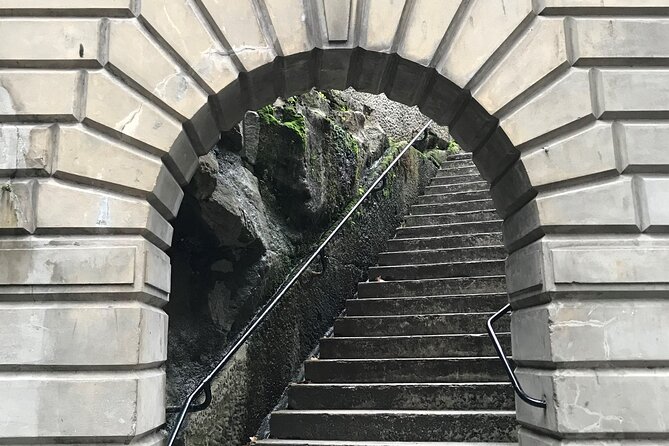
Next up is Robert Brough Memorial Fountain. You get a new clue, and you can take your time while you work it out. The itinerary lists admission as free here, and it also indicates you are not required to buy attraction tickets to complete the tour.
This stop tends to be a good breather for your group. Early in the quest, you are still learning how the puzzles read, what style of answers the game expects, and how quickly you should move to the next spot.
If you are doing this with kids, this is where you can check whether the game is challenging enough. If adults are annoyed by mystery puzzles, this is also where you can decide whether to team up or trade solving duties.
Stop 3: Angel Place (where the city starts to feel like a set)
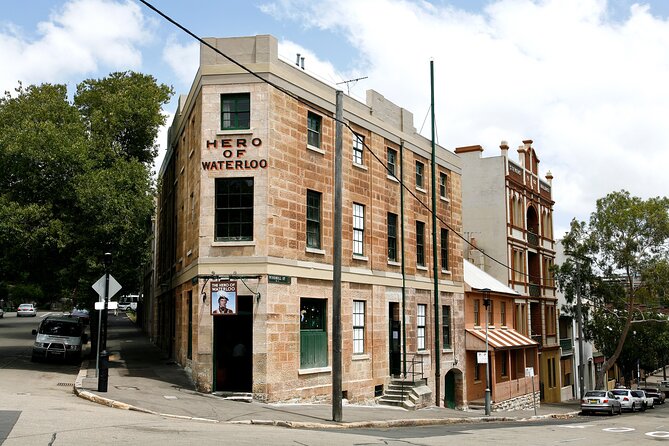
At Angel Place, you receive another clue and then solve a challenge tied to the storyline. Again, the format stays consistent: pause, read, solve, then continue.
This is where the walk begins to feel more like a planned route than just a series of random sights. The locations are chosen to keep you moving through different street textures and views, so the story feels like it is happening in real spaces you can look at.
If you like photo stops, this is a place you will probably want to get a couple of shots. Just remember: if your phone battery is low, keep photos from slowing the puzzle process too much.
Stop 4: Curtin Place (the quest rhythm clicks)
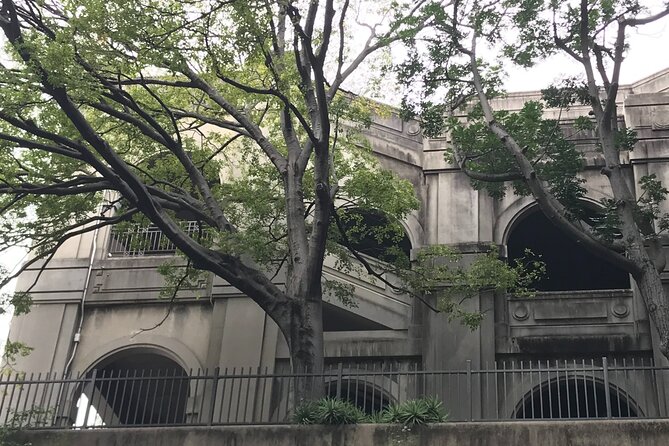
At Curtin Place, the clue-and-solve rhythm really starts to click. You get another puzzle challenge and can linger as long as you need.
This kind of mid-quest stop is useful because it gives you time to get into a groove. By now, you know how the game nudges you from one scene to the next, and your group can settle into roles: one person reads, one person solves, one person keeps an eye on directions.
It also helps reduce frustration. Self-guided adventures go best when the early confusion fades, and the game’s structure seems designed to keep moving you gently forward.
Stop 5: 155 George St (the route gains personality)
You head to 155 George St for another clue and puzzle challenge. Like the others, it’s designed for self-paced problem-solving, and the itinerary lists admission as free at this stage.
George Street is one of those areas where the city feels energetic even when you are walking carefully. That makes it a good location for ghost-story tension. The storyline can feel more vivid when you contrast it with everyday Sydney life around you.
Also, if your group likes variety, this is a good stop because the setting feels slightly different from the quieter memorial and plaza-style locations.
Stop 6: The Russell Boutique Hotel (a good spot for atmosphere)
At The Russell Boutique Hotel, you receive the next clue and continue the puzzle chain. Admission is listed as free here as well.
This is where “haunted history” gets a little more theatrical. A hotel setting naturally suggests stories—people arriving, people leaving, people staying too long in one place. The game leans into that feeling through its ghost-themed puzzle challenges and storyline moments.
This stop is a good reminder to keep your eyes up and not just stare at the phone. The fun comes from the blend: you are solving a puzzle, but you are also looking at a real corner of the city where the story claims something happened.
Stop 7: The Doss House Coroner’s court (more serious tone)
Next you reach The Doss House Coroner’s court for another clue and puzzle challenge. The itinerary keeps the self-paced format and lists admission as free.
This is the point where the story tone can feel heavier. Even without going deep into details that are not part of the quest, the location name alone signals a courtroom or official-setting vibe. That tends to add tension because coroner’s court themes naturally connect to mystery and unanswered questions.
If your group prefers lighter scares, you can keep the energy up by taking turns solving. If your group likes the darker side, this stop will probably hit the hardest.
Stop 8: 43–45 George St (The Merchant’s House chapter)
At 43–45 George St, you solve a new clue connected to The Merchant’s House. Admission is listed as free.
This is where the storyline likely leans into old Sydney life and the kinds of characters who lived and worked along these streets. Merchant-house themes work well in puzzle games because you can imagine records, identities, and clues hiding in plain sight.
Practical tip: use this stop to reset your group’s focus. By now you might have one person tired or frustrated. Swapping who solves can keep the whole team engaged.
Stop 9: 17 Windmill St (Parbury Ruins)
You move to 17 Windmill St for a clue tied to Parbury Ruins. Admission is listed as free.
Ruin settings are perfect for ghost stories because they feel like something is missing. In a puzzle quest, that sense of fragments can map nicely to how clues are broken into pieces you need to assemble.
If you are with kids, keep it calm here. Ruin-themed stops can feel spooky even when there’s nothing dramatic happening on the ground.
Stop 10: The Hero of Waterloo Hotel (final stretch energy)
Then you reach The Hero of Waterloo Hotel. You get another clue and puzzle challenge to finish the story run toward the end.
This is a fun “final stretch” stop. Pub or hotel settings make ghost quests feel grounded and human: people talk, people linger, people notice strange things. In terms of game feel, it is where your brain starts thinking, how many puzzles left, what’s the ending likely to be.
If you want to finish without stress, make sure your phone is still charged enough for the final instructions and directions.
Stop 11: Bridge Stairs (story ends here)
You finish at Bridge Stairs. This is where both the story and the city exploration game end.
Take a moment after you finish to enjoy the area. Even if the quest ends at this spot, the location puts you in a lively part of the Rocks where you can keep wandering if you feel like it. The big win here is closure: you complete a storyline, and then you can choose what to do next based on energy levels.
What kind of scary is this?
The game is ghost-themed and meant to be spooky, and one key note from feedback is that it is recommended for age 10+ due to scary stories. So I would not pitch this as a casual “no worries” stroll for young kids who get startled easily.
For older kids and teens, the puzzles can be the safety valve. They turn fear into focus. For adults, it’s a fun way to see the city with a different lens: instead of “check off sights,” you get “follow the next clue.”
If you are someone who hates being scared, you can still play by controlling the moment. Move quickly through the story narration sections if you need to, then solve the puzzle and keep going.
Walking load: plan comfy shoes
This is the one logistical catch. The route includes a lot of walking, and the game format means you are stopping repeatedly. Plan on wearing comfortable shoes you can walk in for a solid chunk of time.
Also, don’t schedule this when you are already exhausted. The best part is the mental engagement of solving puzzles. If your legs are done, the story tone can feel more irritating than fun.
Mobile code and self-guided flow: what you actually need
You start with a mobile access code to unlock the quest. Once you begin, you follow phone directions between stops, solve 11 ghost-themed puzzle challenges, and read immersive storyline content inspired by Sydney’s history.
The ability to pause/resume anytime is a big plus if your group has timing needs. You can stop for a snack, handle a restroom break, or regroup if someone falls behind.
Confirmation is received at booking time, and the activity is near public transportation. Service animals are allowed, and most travelers can participate.
Who this is best for (and who should skip it)
You’ll probably love Sydney Ghost Quest if you:
- want a low-cost, structured nighttime (or evening) activity
- enjoy puzzles and solving clues as you walk
- like mixing city exploring with a story you can control
- travel as a couple or family who wants something interactive
You might skip it if:
- your group hates walking
- you are traveling with very young kids who are easily frightened
- you want a classic guided tour with explanations at every stop (this is not that)
It also works well as a “second activity” after a museum or a meal, because the length fits neatly into an evening window.
Quick FAQ
FAQ
Is there a tour guide with Sydney Ghost Quest?
No. This is a self-guided experience, and you follow the quest using your mobile access code.
How long does the quest take?
It runs about 1 hour 20 minutes to 1 hour 50 minutes.
Where do I start and where does it end?
You start at Hyde Park Barracks (Queens Square, Macquarie St, Sydney NSW 2000) and finish at Bridge Stairs (100 Cumberland St, The Rocks NSW 2000).
Do I need to buy entry tickets to attractions?
At the start point, the admission ticket is listed as not included. For later stops, admission is listed as free. The tour information also notes you do not need entry tickets to complete the tour.
What’s included in the price?
You get a mobile access code to unlock the quest, 11 ghost-themed puzzle challenges, storyline content, and the ability to pause and resume.
What do I need on my phone?
You’ll need the mobile access code and your phone to access the quest instructions and directions.
Is the experience family-friendly?
It is marketed for families, couples, and curious minds, and it’s recommended for age 10+ due to scary stories.
Can I do it at night?
The experience is listed with hours from 12:00 AM to 11:30 PM every day, so nighttime is an option.
Is cancellation free?
Yes, you can cancel for a full refund if you cancel at least 24 hours before the start time.
Should you book Sydney Ghost Quest?
If you want a cheap, structured way to see central Sydney with a spooky twist, I’d book it. The route makes sense, the game format keeps you engaged, and the $6.06 price is hard to argue with for a 90-minute evening activity.
Just be honest about two things: walking and scare level. If your group can handle a good amount of walking and ghost stories geared around age 10+, this is exactly the kind of playful, puzzle-driven city exploration that turns a normal evening into a story you finish on your own terms.


More Historical Tours in Sydney
More Guided Tours in Sydney



More Tour Reviews in Sydney
- Blue Mountains Small-Group Tour from Sydney with Scenic World,Sydney Zoo & Ferry
★ 5.0 · 3,709 reviews