REVIEW · GOLD COAST
Whale Watching by Sea World Cruises
Book on Viator →Operated by Sea World Cruises · Bookable on Viator
Whales are close here on the Gold Coast. I love how this cruise starts right at Main Beach, so you avoid a long drive, and I really like the purpose-built boat setup for spotting wildlife. The biggest thing to keep in mind is that mother nature sets the pace, so you may get calmer viewing in some conditions than others, especially with choppy water or if whales stay deeper.
You’ll cruise out about twenty minutes to prime humpback habitat in the Australian Whale Sanctuary area, then spend the rest of the trip scanning the water for surface action. Humpback season runs late May to early November, which helps you time it well. The practical upside is that it fits tight schedules: around 2 hours 30 minutes, plus a short, easy return.
If you’re planning with kids, this is a friendly length and a scenic backdrop for photos—especially with Surfers Paradise views from the water. Just dress for ocean weather and plan for possible motion in August-style conditions.
In This Review
- Key things to know before you go
- Why Main Beach Whale Watching Feels Easier Than You Think
- The 2.5-Hour Cruise Plan: What You’ll Do From Dock to Return
- Boarding at the Sea World Cruise Terminal
- The offshore run to humpback habitat
- Watching time: scanning, listening, and waiting for the show
- Return to Main Beach
- Spirit of Migaloo II: Comfort, Viewing Spots, and Onboard Tech
- You’ll want the right spot, quickly
- Hydrophones and underwater cameras: helpful, when conditions cooperate
- Captains and naturalist guidance
- The 100% Whale Sighting Guarantee: What It Means for Your Day
- What You Might See Besides Humpbacks
- Weather, Cold, and Motion: Your Real Checklist
- Cold can hit, especially in August-style months
- Sea conditions can affect your comfort
- Price and Value: Is This $63.83 Ticket Worth It?
- Who This Tour Suits Best on the Gold Coast
- Great for families
- Strong for first-timers to whale watching
- A good pick if you want city convenience
- Consider it carefully if you hate cold or motion
- Booking Confidence: The Small Details That Matter
- Should You Book Sea World Whale Watching From Main Beach?
- FAQ
- How long is the whale watching cruise?
- Where does the tour depart from?
- When is humpback whale season?
- Is there parking included?
- Do I have to bring food and drinks?
- Is a whale sighting guaranteed?
- What other animals might I see besides whales?
Key things to know before you go
- Main Beach departure, simple logistics: Board at Sea World Cruises Terminal in Main Beach and you’re on the water fast.
- 100% whale sighting guarantee: The operator commits to whale sightings, not just a general wildlife cruise.
- Spirit of Migaloo II setup: A purpose-built vessel designed for whale watching, with good sightlines.
- Hydrophones and underwater cameras: Onboard tech can help you track activity, based on daily conditions.
- Family-friendly timing: About 2.5 hours total, which works even on busy Gold Coast days.
- Wildlife beyond whales: Look out for dolphins, sea turtles, sea birds, and more.
Why Main Beach Whale Watching Feels Easier Than You Think
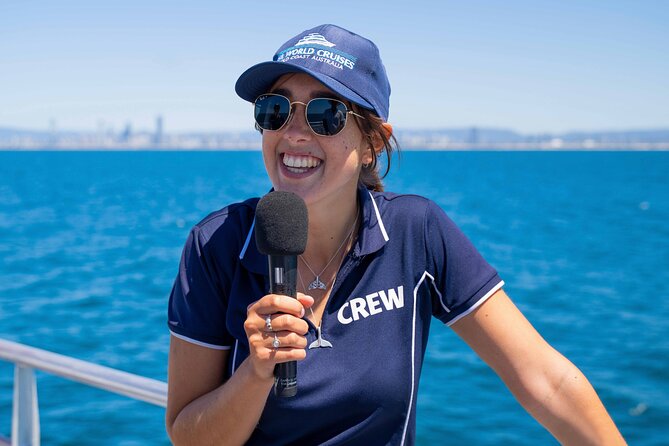
Gold Coast whale watching usually comes with a choice: either spend time getting out of town, or keep it simple and start near the action. This Sea World Cruises whale watch hits the sweet spot because the departure point is Sea World Cruises Terminal in Main Beach. You’re not trying to route your day around distant transport. You get a proper ocean trip, but you still feel anchored to the city.
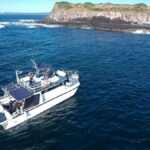
I also like the value of having an organized, purpose-built operation behind it. This isn’t just a quick boat ride. The cruise uses a purpose-built vessel, the Spirit of Migaloo II, and it runs with expert guidance from experienced captains and marine naturalist guides. That matters because whale watching is half luck and half skill—where the boat positions you, how they interpret whale behavior, and how they manage time when conditions change.
One more practical plus: it’s sized for the experience. The maximum group size is 150 travelers, which tends to make it easier to find a decent viewing spot than on smaller and packed boats (and easier to manage than mega-coaster crowds).
You can also read our reviews of more whale watching tours in Gold Coast
The 2.5-Hour Cruise Plan: What You’ll Do From Dock to Return
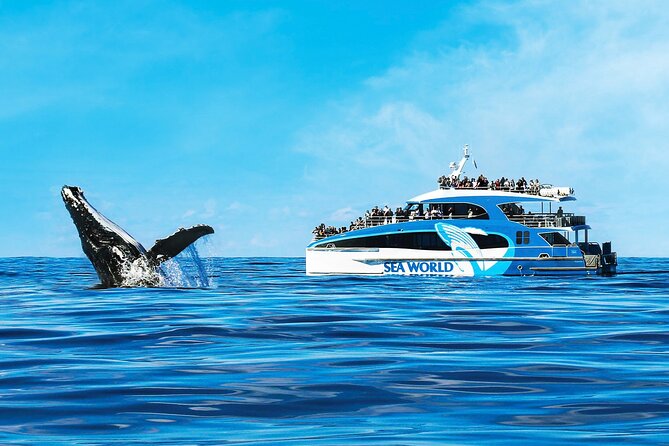
The experience is built around a straightforward rhythm: board, head offshore, scan and listen, then return before you feel worn out.
Boarding at the Sea World Cruise Terminal
You meet at the Sea World Whale Watch terminal at Seaworld Dr, Main Beach QLD 4217. The tour runs as a loop that ends back at the same meeting point. You’ll use a mobile ticket for entry, and you’ll receive confirmation at booking. If you’re traveling with family, this kind of straightforward start reduces the “where do we go now?” stress that can sink a day.
The offshore run to humpback habitat
Once you depart, you’re not out at sea forever just to get started. The cruise heads about twenty minutes offshore to a key humpback area in the Australian Whale Sanctuary. That offshore leg is short enough that you still feel like you’re getting time with the wildlife, not just time on transit.
This is also where onboard commentary earns its keep. Even if you don’t see whales instantly, you’re learning what to watch for and why. Humpbacks can be unpredictable, and the best viewing often comes from understanding how they surface, where they might travel, and how the water can give hints before you actually see the body.
Watching time: scanning, listening, and waiting for the show
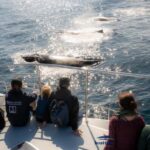
The bulk of the cruise is the watch period. You’ll be out on the water with time to look for whale surface action and other wildlife. The boat includes onboard hydrophones and underwater cameras, but their usefulness depends on daily conditions. In plain terms: some days you can track underwater activity better than others, and some days the whales are simply more visible at the surface.
This is also where you may notice stop-and-position moments. In cases where the day is quieter, the crew may extend the effort to keep searching. One standout example from the experience notes: even when conditions looked dull at first, staff worked to get people real whale viewing, and it turned into strong viewing by the end. That’s exactly what you want from a whale watch—persistence, not a quick sightseeing lap.






Return to Main Beach
After the watch time, you head back to the terminal. Reviews often mention the return can feel smoother than the outbound stretch, especially if the sea state changes after you’ve spent a bit of time on the water.
The schedule is also friendly for pairing with other Gold Coast plans. Two and a half hours is short enough that you can still eat, shop, or do a beach walk without turning your day into a logistics marathon.
Spirit of Migaloo II: Comfort, Viewing Spots, and Onboard Tech
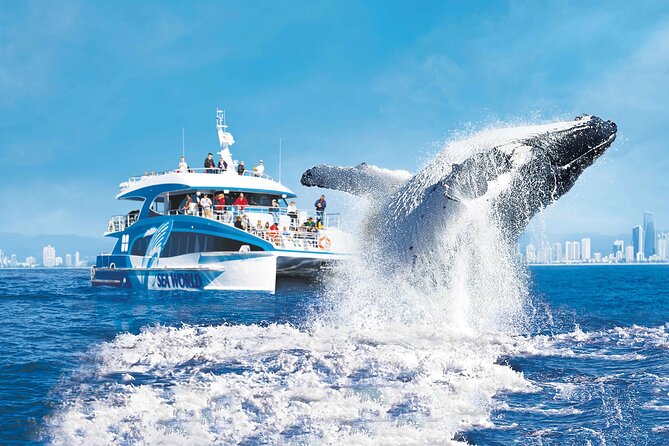
A whale watching boat can be either great or just adequate, depending on viewing angles and how the vessel handles motion. The Spirit of Migaloo II is purpose-built for this work, and that shows in how the experience is managed.
You’ll want the right spot, quickly
Even with a maximum of 150 people, prime viewing can get claimed fast once whales appear. People often get excited and move to the rail. The practical advice here is simple: once you know whales are active, don’t wait around in the middle of the boat. Get to the area where you have the clearest sightlines and hold your position calmly. The biggest payoff comes from being ready when the first real surfacing happens.
Hydrophones and underwater cameras: helpful, when conditions cooperate
This is one of the more interesting tech touches. Hydrophones can help interpret whale activity, and underwater cameras can sometimes provide extra context. Just remember: both are subject to daily conditions, so you should treat them as a bonus tool, not a guarantee that you’ll always see whales on screen or hear exactly what you want.
Captains and naturalist guidance
Expert commentary is part of the ticket, and it matters because it gives you meaning behind what you’re seeing. You’re not just counting tails. You’re learning what whales are likely doing—feeding, moving, or simply passing through. If you’re the type who likes animal behavior more than just sightseeing, you’ll appreciate that extra layer.
In one memorable instance, a captain took extra time to locate a whale calf, which turned the trip into something more personal and emotional for everyone on board. That’s the kind of difference good leadership makes: time, positioning, and the decision to keep hunting when the reward is close.
The 100% Whale Sighting Guarantee: What It Means for Your Day
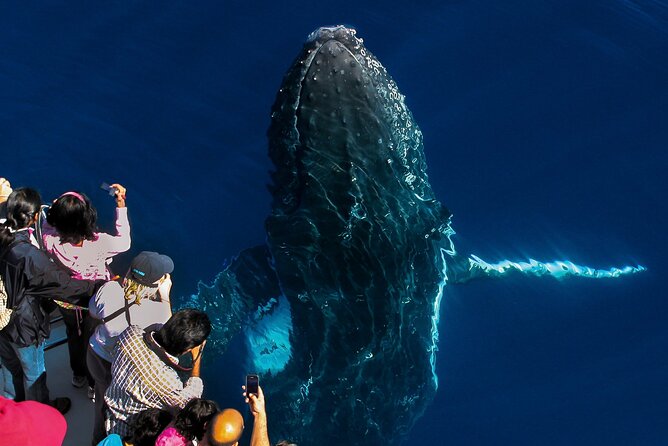
A whale watch is hard to promise in the real world because whales are wild animals. That’s why a 100% whale sighting guarantee is a big deal. It means you’re not paying for a chance. You’re paying for an operator that has built their process around actually getting you eyes on whales.
Of course, “sighting” doesn’t always mean the same type of close encounter. Some trips may show whales at the surface more clearly than others. One critical note from the experience notes is that if whales only appear from farther offshore, it can feel underwhelming—especially for people who imagined whales right next to the boat. The good news is that the guarantee reduces the risk of going home empty-handed.
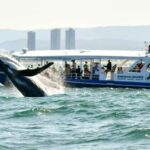
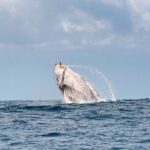
Also, if you’re hoping for specific behaviors like breaches, tail slaps, or close mom-and-calf moments, time of season and water conditions influence what you’ll get. The best strategy is to show up with the mindset of wildlife watching, not a scripted show.
What You Might See Besides Humpbacks
Even if humpbacks are the headline act, the trip is designed as a broader wildlife cruise. You’ll be on the lookout for:
- Dolphins
- Sea turtles
- Sea birds
The experience notes also mention things like breaches and strong surface action, plus moments where dolphins ride waves near the boat. These are the kind of bonus sightings that turn a good whale watch into a standout memory, especially for families.
One nice benefit: because you’re scanning for several species, you stay engaged even if whales are slower to appear. Your attention isn’t stuck waiting for one animal. That keeps the trip fun, even when the water seems calm but the whales are still thinking it over.
Weather, Cold, and Motion: Your Real Checklist
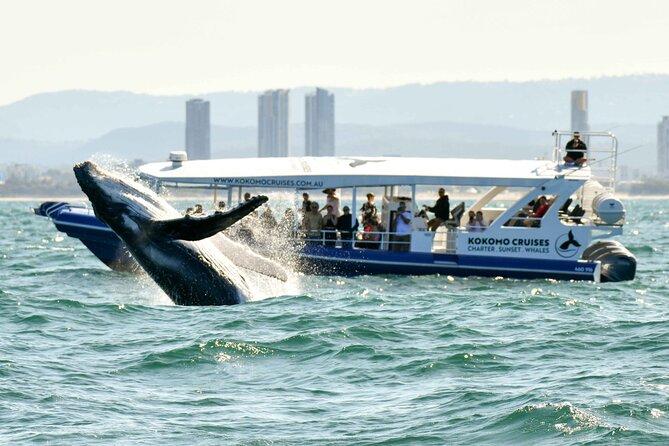
This is where I save you time. Whale watching is outdoors and it’s on open water, so weather matters more than you might expect.
Cold can hit, especially in August-style months
One note specifically flags feeling cold on a newer boat during August. Another practical theme: dress for wind and sea spray. Even if the Gold Coast looks warm on land, once you’re out on the water, the air can feel sharper fast.
Bring layers. A warm jacket and a beanie-type option go a long way. If you’re coming from a sunny beachfront morning, plan for a wardrobe change before boarding.
Sea conditions can affect your comfort
Motion sickness comes up in the experience notes in two ways:
- the outbound can feel bouncy
- some people may feel nausea despite being prepared
The good part: help is available. There’s mention of motion sickness tablets for sale onboard and information shared ahead of time. So if you’re even slightly prone to seasickness, don’t treat it like a surprise. Plan for it early.
Also, if you see yourself getting unwell, go for a calm spot away from the most dramatic motion. Keep your eyes on the horizon. It sounds basic, but it works.
Price and Value: Is This $63.83 Ticket Worth It?
At $63.83 per person, this whale watch isn’t the cheapest thing on a Gold Coast day. But it’s also not priced like a premium private charter. The value comes from what’s included and how long you’re out for.
You’re paying for:
- a 2.5-hour wildlife cruise
- expert onboard commentary from captains and marine naturalist guides
- a 100% whale sighting guarantee
- a purpose-built boat
- complimentary parking
- onboard tech (hydrophones and underwater cameras) depending on conditions
Compared with doing whale watching as a DIY boating plan, the operator takes on navigation, positioning, and the hard part—finding whales in a large ocean area. That’s where your money goes: time, skill, and equipment.
Is it “worth it” if your day is choppy or the whales stay far? That risk always exists with wild animals. But the guarantee and the commitment to keep searching make it a more confident choice than a vague wildlife cruise.
If you want a family-friendly activity that still feels like a real wildlife encounter, this sits in a very good value zone.
Who This Tour Suits Best on the Gold Coast
This whale watch is built for broad appeal, and it shows.
Great for families
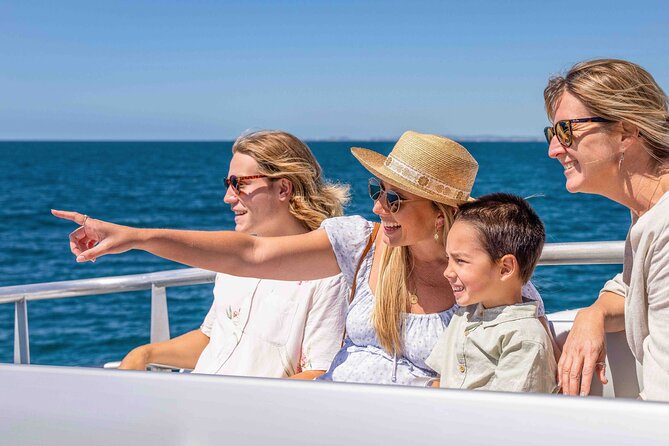
The duration is short enough for kids, and the experience has educational commentary that keeps it from being just a sightseeing loop. If your family likes animals, the chance to see whales plus dolphins can keep everyone interested.
Strong for first-timers to whale watching
If it’s your first time, you’ll appreciate the guidance and the way the boat’s setup helps you scan effectively. The experience is also timed around humpback season, so you’re not guessing whether you chose the right time of year.
A good pick if you want city convenience
You get a real offshore cruise while staying close to the city. If you’re doing Surfers Paradise and Main Beach anyway, this lets you add wildlife without turning your day into a long transportation plan.
Consider it carefully if you hate cold or motion
If you know you get sick on boats, or you hate chilly wind on the water, you’ll want to prepare with layers and motion support. If you can’t handle that, you might prefer a more sheltered activity.
Booking Confidence: The Small Details That Matter
A few practical details make this tour easier to commit to.
You get a mobile ticket, and confirmation comes at booking. It also ends back at the same meeting point, so you’re not trying to solve a transportation puzzle after the cruise.
The experience depends on weather and has limits on traveler count (up to 150). That’s normal for an operation running in open water.
And one last piece: if you’re counting on photos, note that onboard photos are available for purchase on the day of the cruise. That can be a nice add-on for birthday trips and milestone days, since whales can deliver those wow moments fast.
Should You Book Sea World Whale Watching From Main Beach?
If you want humpback whale watching without a long day devoted to travel, I’d book this. The combination of Main Beach convenience, a 2.5-hour time window, and a 100% whale sighting guarantee is a strong mix for most people.
Book it if:
- you’re traveling during late May to early November
- you want a family-friendly activity with real wildlife potential
- you’d rather pay for expert navigation than gamble on DIY
Skip or plan carefully if:
- you’re very sensitive to motion or cold
- you need whales extremely close for your ideal photo (wild animals aren’t always cooperative)
If you go in prepared—layers, motion support if needed, and a willingness to scan and wait—you’ll get the best chance at those classic moments: surface action, mom-and-calf sightings, and the kind of marine wildlife you can’t fake at any aquarium.
FAQ
How long is the whale watching cruise?
It runs for up to about 2.5 hours.
Where does the tour depart from?
You board at the Sea World Cruises Terminal, Seaworld Dr, Main Beach QLD 4217, Australia, and it returns back to the same meeting point.
When is humpback whale season?
Humpback season runs from late May to early November.
Is there parking included?
Yes. Complimentary parking is included.
Do I have to bring food and drinks?
No. Food and beverages are not included.
Is a whale sighting guaranteed?
Yes. There is a 100% whale sighting guarantee.
What other animals might I see besides whales?
You can look out for dolphins, sea turtles, sea birds, and more while you’re out on the water.