REVIEW · DARWIN
WWII Bombing of Darwin & Royal Flying Doctor Service
Book on GetYourGuide →Operated by RFDS Darwin Tourist Facility · Bookable on GetYourGuide
A city got hit by bombs, then something hopeful took flight. That mix of WWII survival and aeromedical innovation is why this Darwin facility feels so gripping. You get a self-guided visit that links the story of the Royal Flying Doctor Service to the 1942 bombing of Darwin Harbor, using modern tech instead of dusty display cases.
I love how the RFDS angle starts early, with the service beginning aeromedical operations in the Northern Territory in 1939. You’ll also see the technology side of the story, with VR experiences, holographic storytelling, and headset audio translators to keep you moving and understanding what you’re seeing. One heads-up: you’ll likely want more than the planned time, because the holographic cinema sessions and VR experiences pull you in.
In This Review
- Key Things to Know Before You Go
- Royal Flying Doctor Service and WWII Darwin Harbor: Why This Visit Works
- Your First Stop: RFDS Darwin Tourist Facility Orientation
- Stokes Hill Wharf Holograms: Two Stories Told with Tech
- VR Experiences: What You Learn When You Can See It
- The Window of the 1942 Bombing Platform: Timing Makes It Better
- Aeromedical in Real Hardware: The Decommissioned Pilatus PC-12
- How Long to Plan: 1.5 Hours, With a Realistic Timeout
- Price and Value: What $21 Buys in Darwin
- Who This Experience Suits Best
- Should You Book the RFDS WWII Darwin Harbor Experience?
- FAQ
- Where is the meeting point for this experience?
- How long should I plan to spend inside?
- What are the last entry times?
- Is the tour self-guided?
- What’s included with the ticket?
- What technology experiences are available?
- Is it wheelchair accessible?
Key Things to Know Before You Go
- RFDS meets WWII: The exhibits connect aeromedical care starting in 1939 with the Darwin Harbor raids of 1942.
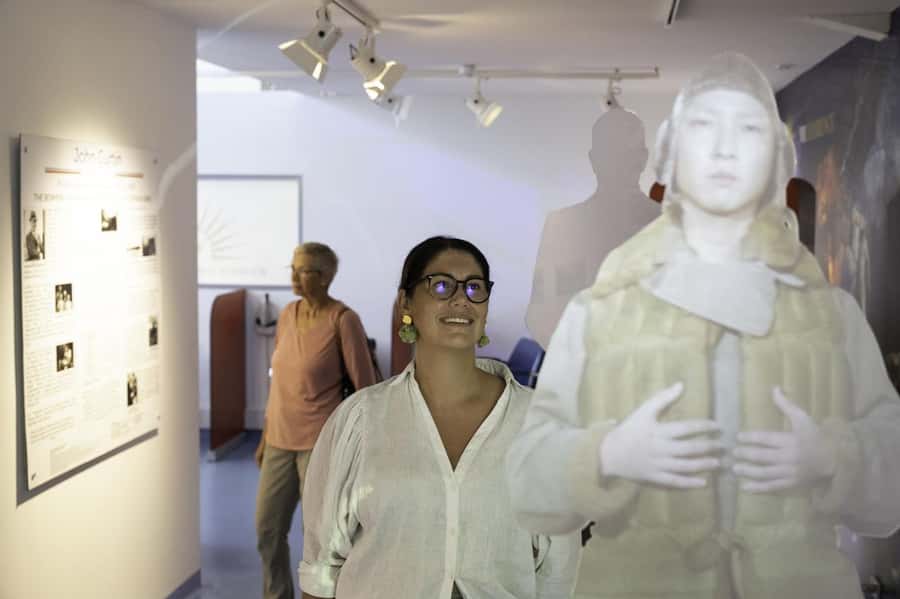
- Stokes Hill Wharf storytelling: Two core stories are presented with tech-led interpretation, including holographic cinema and VR.
- VR and holograms do the heavy lifting: You’re not just reading panels; you’re watching and listening through modern formats.
- A real aircraft in the building: You can check out a decommissioned RFDS Pilatus PC-12 with fully-equipped aeromedical setups.
- Staff help you time it right: A greeter outlines the facility and gives timings for the holographic sessions and the bombing-platform viewing window.
- Audio translators are included: If English is your second language, the headsets are built into the ticket.
Royal Flying Doctor Service and WWII Darwin Harbor: Why This Visit Works
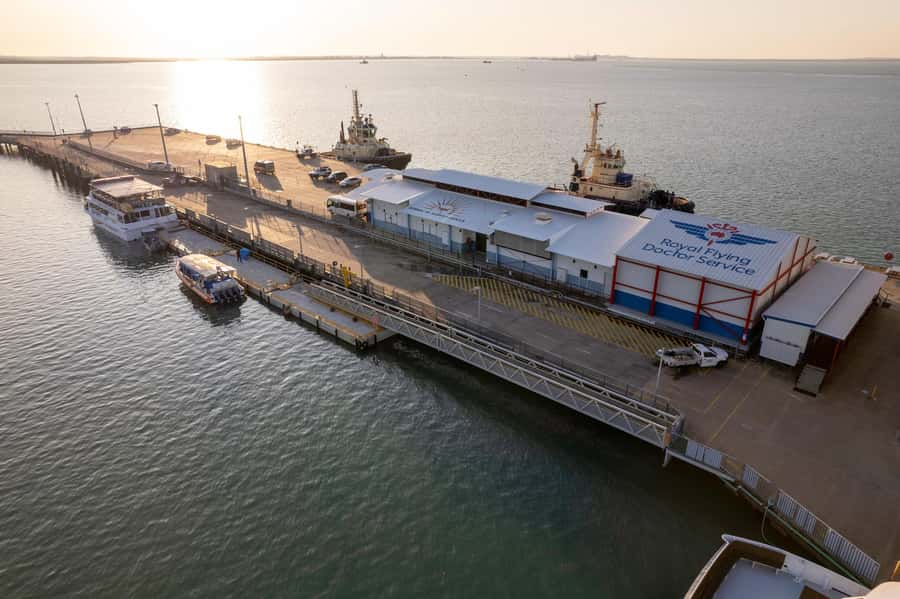
Darwin has a way of making history feel immediate. In this experience, the heart of the story isn’t only the danger of 1942—it’s how fast people turned to systems that could save lives when the world got unstable.
You’ll be guided through two big storylines at Stokes Hill Wharf: the birth and growth of the Royal Flying Doctor Service in the Northern Territory (starting aeromedical operations in 1939) and the bombing of Darwin Harbor in 1942. The pairing matters, because it shows how medical support became part of the answer to the region’s harsh realities—before and after the raids.
The experience is intentionally self-guided, but you’re not left guessing. When you arrive at the RFDS Darwin Tourist Facility, a staff member gives you an outline and the specific timings for the holographic cinema sessions and the Window of the 1942 bombing platform, so you can pace yourself without missing the best bits.
You can also read our reviews of more tours and experiences in Darwin.


Your First Stop: RFDS Darwin Tourist Facility Orientation
At the meeting point—RFDS Darwin Tourist Facility, 45 Stokes Hill Rd, Darwin City NT 0800—you’ll meet an English-speaking host/greeter. They’ll set you up with the flow of the facility and help you line up key experiences at the right times.
Then it’s your turn to tour. The setup is designed for focused learning: you move through the exhibition at your pace, but the “must-see” moments are built around scheduled holographic sessions and the bombing-platform window.
If you’re the type who likes to understand the big picture before getting lost in details, this orientation is useful. It gives you a map in words, not just a floor plan, which helps the technology sections land better when you reach them.
Stokes Hill Wharf Holograms: Two Stories Told with Tech
The experience highlights two quintessential Australian narratives, brought to life at Stokes Hill Wharf. The first is RFDS, beginning its aeromedical operations in the Northern Territory in 1939. The second is the bombing of Darwin Harbor in 1942, told through state-of-the-art tech.
What I like about this approach is that it prevents “history overload.” Instead of trying to cover everything at once, the exhibition clusters meaning around two events and one ongoing theme: survival and medical response across time.
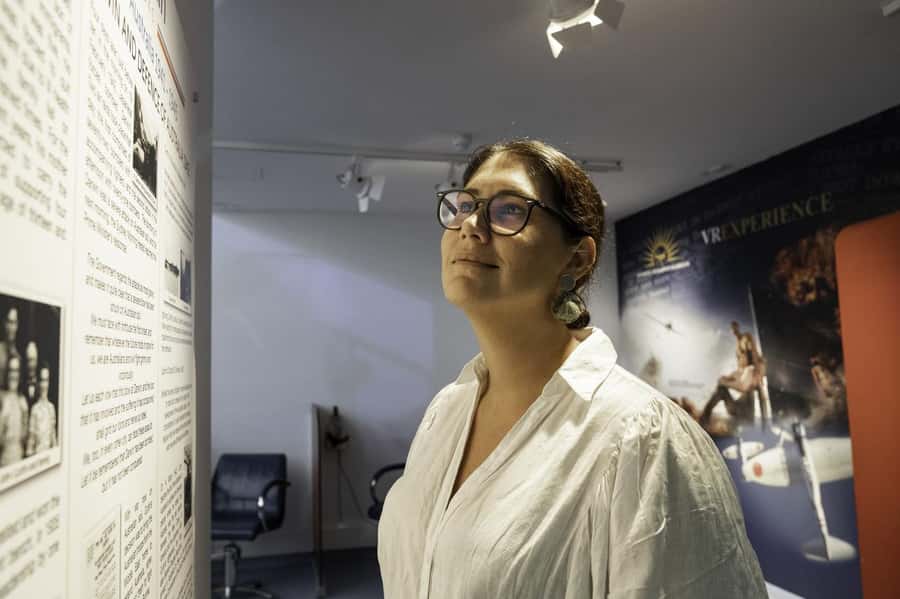
The holographic cinema sessions and interactive story telling holograms are where the story starts to feel like more than facts on a wall. You’ll be able to follow heroic survival stories and learn incredible facts, and because the content is delivered through tech-driven formats, it’s easier to stay engaged without constantly reading small text.
VR Experiences: What You Learn When You Can See It
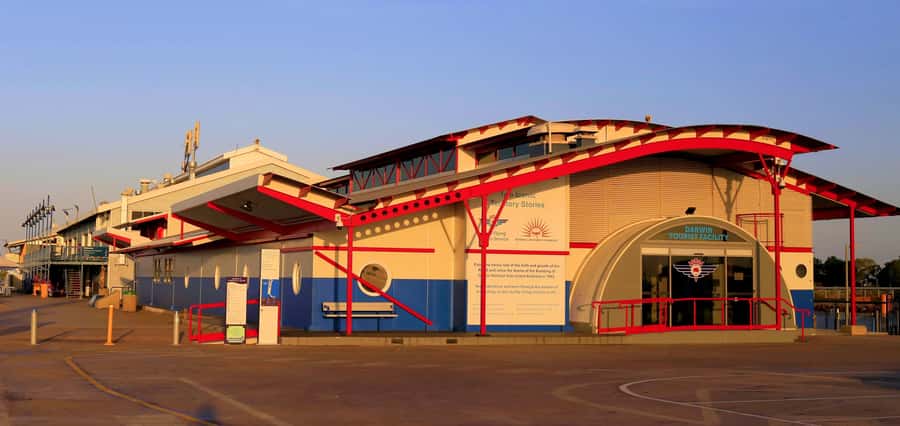
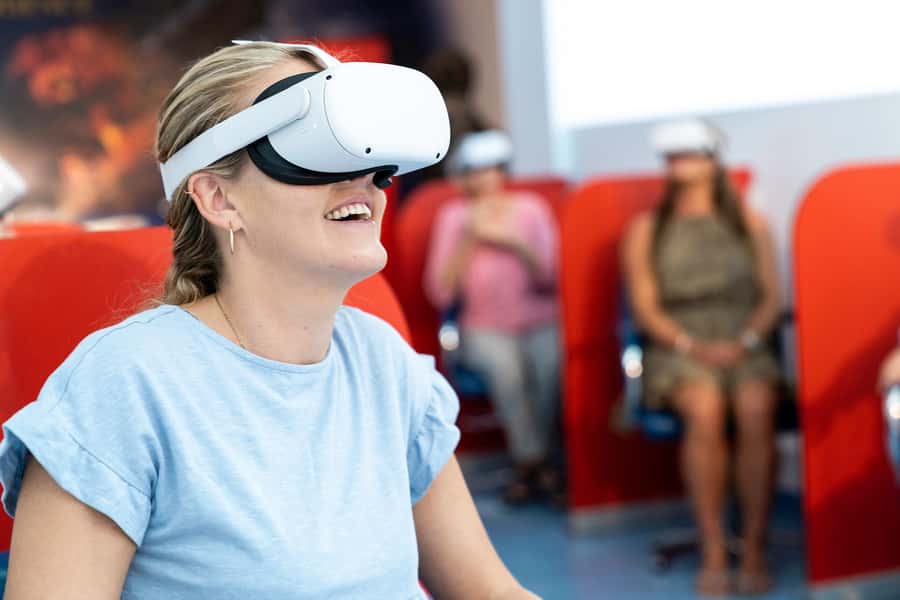
You get two virtual reality experiences, and they’re clearly part of the main value. VR is great when the goal is to help you understand movement, scale, and sequence—especially with WWII events, where timing and geography matter.
In practical terms, expect VR to work like a “you are here” layer. It turns the bombing narrative from general WWII context into something you can mentally track, rather than just remembering dates.
And since the experience includes headset audio translators, you’re less likely to feel disconnected if you’re not a native English listener. That matters because the emotional weight of survival stories goes up when you can understand every key detail.
The Window of the 1942 Bombing Platform: Timing Makes It Better
One of the smarter touches is the scheduled Window of the 1942 bombing platform. Before you start wandering, you’ll be told the timings for this viewing window, and that’s a big deal for an exhibit that uses technology.
If you miss a timed window, you can end up spending energy hunting for what you could have seen in one clean stop. So when your greeter gives you the schedule, treat it like a mini “game plan”: check the time, then build the rest of your self-guided tour around it.
This is also the area where the WWII story likely feels most intense. You’re not just seeing “what happened”—you’re seeing it framed as a moment in a larger narrative of survival, response, and life-saving action that followed.




Aeromedical in Real Hardware: The Decommissioned Pilatus PC-12
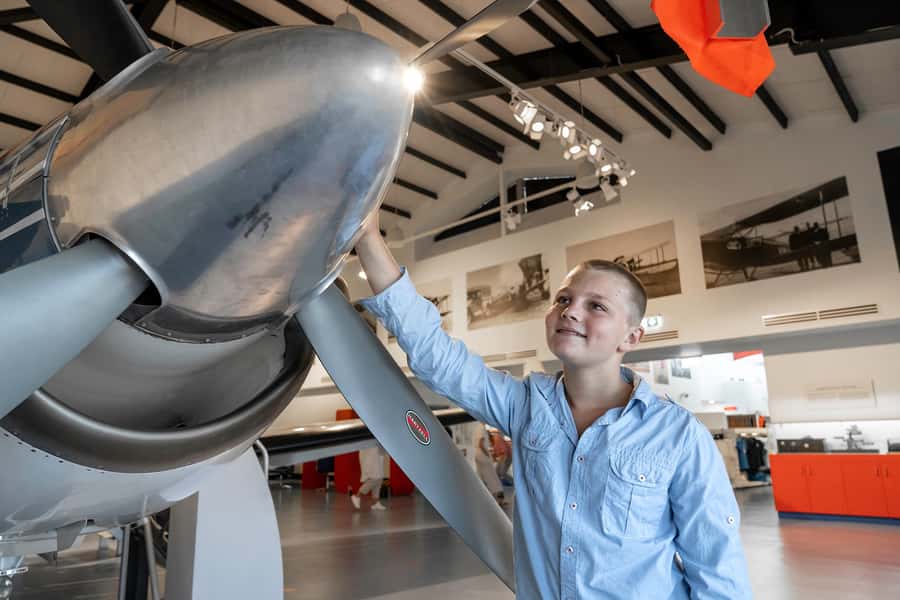
There’s always a special kind of awe when an exhibit lets you get close to the real thing. Here, you can admire a decommissioned RFDS Pilatus PC-12 and see it presented as a fully-equipped aeromedical plane.
Even if you’re not a “planes person,” the aircraft section gives context for why the RFDS mattered so much. It makes the idea of aeromedical care tangible: this isn’t abstract heroism, it’s equipment and design built for real medical needs.
For many visitors, this is the segment that brings everything together. The WWII story explains urgency and vulnerability; the aircraft shows capability and readiness.
How Long to Plan: 1.5 Hours, With a Realistic Timeout
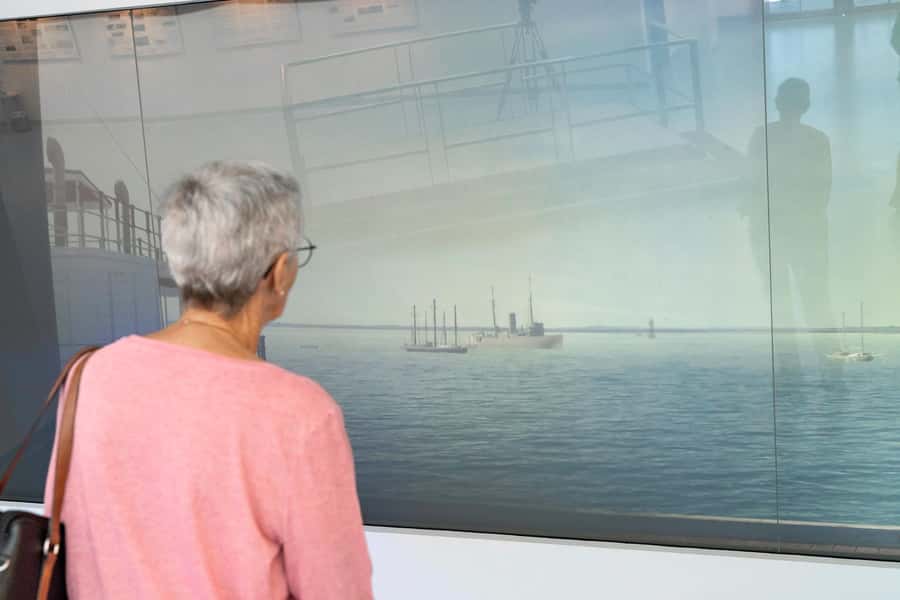
The exhibit recommends allowing 1.5 hours to view the facility in its entirety. That’s a good starting point, especially since VR and holographic sessions take time and attention.
One practical strategy: build your visit around the scheduled elements first, then use the rest of the time for the self-guided exhibition areas. When you do it the other way around—wandering endlessly first—you risk feeling rushed once the holograms or VR slots come up.
Also, last entry timing matters. On normal trading days, last entry is 3:00 PM, and on public holidays it’s 2:00 PM. If you’re arriving late in the day, you may have to prioritize. I’d still aim to include both VR experiences and at least one holographic cinema session, since those are the tech-led core of the experience.
Price and Value: What $21 Buys in Darwin
The price is listed as $21 per person, and the value is strong if you want more than a traditional museum walkthrough. You’re paying not just for panels, but for VR, holographic cinema sessions, and headset audio translators, plus the chance to see a decommissioned aeromedical aircraft.
If you love history but find many museums slow or text-heavy, this format can feel like a better match. You’ll likely get a lot of learning per hour because the tech formats keep you oriented and active rather than passive.
The only “value” consideration is pacing. If you’re someone who skims and moves fast, you might feel like you’re rushing the tech bits. If you’re the opposite, you’ll appreciate the space to sit through what’s happening on-screen and absorb the story at a human scale.
Who This Experience Suits Best
This is ideal if you fit one of these profiles:
- You want WWII history in Darwin without wading through walls of text.
- You care about how healthcare systems grew in remote areas and why aviation changed what was possible.
- You enjoy technology-led exhibits that use VR and holograms for storytelling.
- You’re curious about how the RFDS connects to the region’s darker moments in 1942.
Because it’s self-guided with staff support, it also suits visitors who don’t want to be locked into a strict group schedule. You can set your own rhythm, then use the staff-provided timing for the best moments.
Should You Book the RFDS WWII Darwin Harbor Experience?
I’d book it if you want a visit that’s both educational and emotionally grounded—where the WWII Darwin Harbor bombing story isn’t just explained, it’s interpreted with modern tools. At $21, with VR, holographic sessions, and a decommissioned RFDS Pilatus PC-12, you’re getting a lot of different “ways of learning” in one stop.
Skip booking only if you’re hoping for a purely traditional museum experience with minimal tech, or if timed elements feel stressful for your style. If you can handle sitting through holograms and doing two VR segments, this is a very strong way to spend a focused slice of a Darwin day.
FAQ
Where is the meeting point for this experience?
It’s at the RFDS Darwin Tourist Facility, 45 Stokes Hill Rd, Darwin City NT 0800, Australia.
How long should I plan to spend inside?
Plan for about 1.5 hours to view the facility in its entirety.
What are the last entry times?
On normal trading days, last entry is 3:00 PM. On public holidays, last entry is 2:00 PM.
Is the tour self-guided?
Yes. You get entry to the RFDS Darwin Tourist Facility and complete a self-guided tour, with staff available to assist.
What’s included with the ticket?
Included items are a self-guided tour, headset audio translators, two virtual reality experiences, and holographic cinema sessions.
What technology experiences are available?
You’ll do two VR experiences and attend holographic cinema sessions as part of the storytelling.
Is it wheelchair accessible?
Yes. The facility is listed as wheelchair accessible.