REVIEW · BUSSELTON
Augusta Whale Watching Eco Tour
Book on Viator →Operated by Naturaliste Charters · Bookable on Viator
Whales in the wild always hits different. The Augusta Whale Watching Eco Tour is timed to the migration window, so you spend 2.5 hours scanning for whales as they move between the months of May and December, with a guide explaining what you’re seeing. I like the combo of real marine-science commentary and the chance to watch whales surface, breach, and sometimes swim alongside the boat.
My second big win is the onboard extras that make the trip feel easy and cared for: you can enjoy complimentary morning or afternoon tea, and the crew helps you find the action without turning it into a lecture. The main drawback is the obvious one for any open-water trip: weather matters, and even calm days can trigger some sea sickness for kids (and a few adults).
In This Review
- Key Highlights You’ll Actually Care About
- Augusta Whale Watching Eco Tour in Plain English
- Where Your Cruise Fits Into the Whale Migration
- What Happens On the Water (And What You Should Watch For)
- Species Chances: Humpbacks, Southern Rights, and the Blue-Whale Maybe
- Onboard Comfort: Tea, Photos, and Managing Motion
- Naturaliste Charters: Why a 30+ Year Operator Matters
- Group Size and Vibe: Up to 90 on the Day
- Price and Value: Is $75.31 Worth It?
- Best Time to Go From Augusta: May to August
- Who This Tour Suits (And Who Might Want Another Plan)
- Practical Tips So You Get More From the Day
- Should You Book the Augusta Whale Watching Eco Tour?
- FAQ
- How long is the Augusta Whale Watching Eco Tour?
- When is this whale watching season available in Augusta?
- What whales and other marine life might I see?
- Is tea included during the cruise?
- What happens if the tour is cancelled due to weather?
- What if no whales are sighted during the tour?
- Where do I meet for the tour?
- How many people are on board?
Key Highlights You’ll Actually Care About
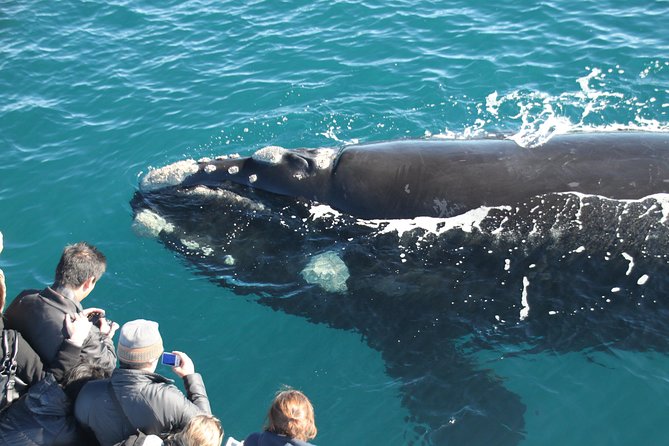
- A six-month Cape to Cape season: Augusta runs May to August, while Dunsborough picks up from August to November
- Expect breaches, not just sightings: the goal is seeing whales rise and move in the water, sometimes close to the boat
- Marine science crew on board: trained staff provide expert commentary while you look out over the water
- Tea is included: coffee, tea, milo, green tea, plus biscuits during the cruise
- Smaller scale for a boat tour: max 90 travelers, which helps you stay oriented
Augusta Whale Watching Eco Tour in Plain English
This is a whale watching cruise out of Augusta Boat Harbour in WA’s South West, run by Naturaliste Charters. It’s designed for a simple goal: spot whales migrating through the region and understand what you’re seeing while you’re out there. The tour runs about 2 hours 30 minutes and you return to the same meeting point.
It’s also a genuinely “seasonal” experience. The tour is available six months of the year, and the timing matters because the whales you’re most likely to encounter follow the migration routes. Augusta’s portion of that schedule runs May through August, and then Dunsborough operates from August to November, creating that Cape to Cape flow from May to December.
You can also read our reviews of more whale watching tours in Busselton

Where Your Cruise Fits Into the Whale Migration
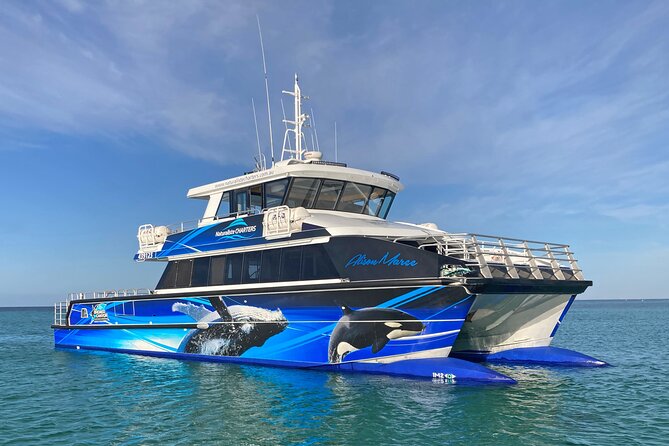
If you care about results, timing is everything. This tour is built around the northern and southern migrations between May and December, so your chances are tied to which part of the season you visit. During Augusta’s window (May–August), you’re in the strongest stretch for the local migration happening off the Margaret River region’s coastline.
The species listed for this area give you a clear picture of what to watch for:
- Humpback whales
- Southern right whales
- And possibly blue whales, though they’re described as more elusive
What I like about this setup is that you’re not going out “any time, any year” and hoping. You’re going when the whales are traveling, and you’ll have a trained guide calling out likely activity while you look.
What Happens On the Water (And What You Should Watch For)
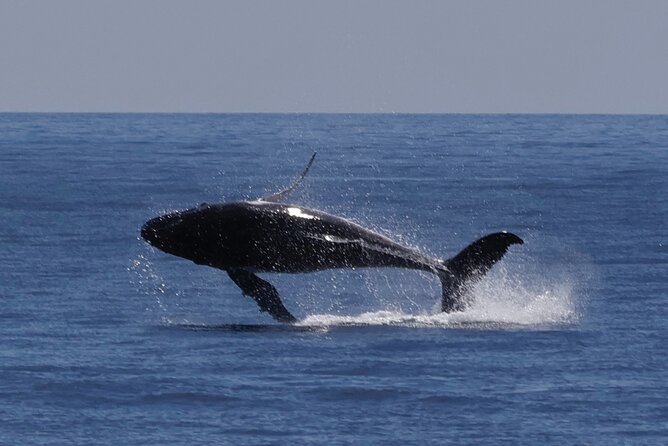
Once you’re on board, the cruise is basically a mix of scanning, listening, and repositioning based on sightings. The tour is long enough for the water to give you different chances—early scanning, more searching if sightings are distant, then time near whatever looks promising.
Here’s the practical part: whales aren’t always visible on demand. Your guide’s role is to help you read the water and spot signs that you’d miss if you were just guessing from shore. Expect focus on major behaviors like:
- Breaching (the dramatic surface moment)
- Whales swimming alongside the boat
- General “where they’re moving” so you can understand why the captain is heading where they’re heading
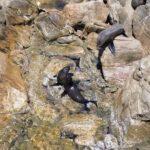
You’re also on the lookout for other wildlife in the same coastal ecosystem. The tour info specifically mentions New Zealand fur seals, bottlenose and common dolphins, and sea birds. Even when whale activity is light, that wider marine life can keep the cruise interesting.
Species Chances: Humpbacks, Southern Rights, and the Blue-Whale Maybe
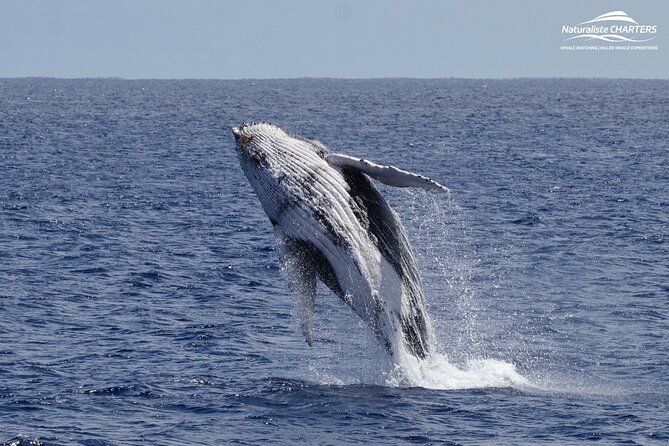
Let’s talk about what you’re realistically aiming to see. The tour is set up for humpbacks and southern right whales as the core possibilities, with blue whales listed as an outside chance. Blue whales are not guaranteed—being “maybe” is part of why this feels exciting instead of staged.
When it comes to what the experience is like on the day, the tour’s highlights are very specific: you’re there to watch whales breach the surface and (when luck and timing align) swim alongside the boat. That matters because a lot of whale watching is just spotting a distant spout. Here, the promise is closer to action.
Also keep in mind that whales may show up as individuals, pairs, or with calves depending on what’s migrating through at that moment. One past highlight described a juvenile whale staying active for quite a while, which is exactly the kind of “real wildlife moment” the crew will try to help you catch.
Onboard Comfort: Tea, Photos, and Managing Motion
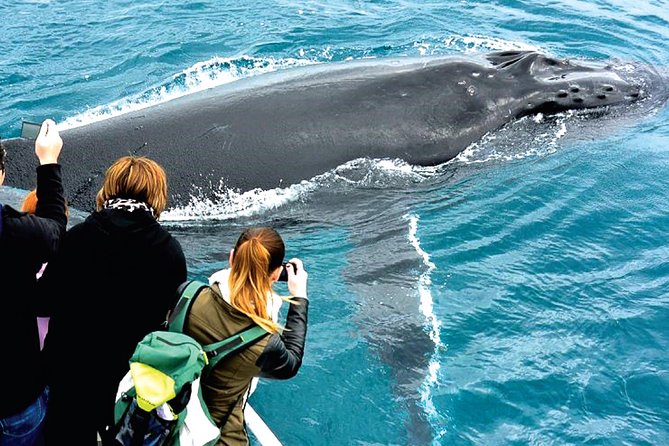
This isn’t a silent nature hike where you stand still and hope. It’s time on the water, so comfort matters.
Two things that help:
- Complimentary morning or afternoon tea (coffee, tea, milo, green tea, plus biscuits). It’s a small inclusion, but it keeps the tour from feeling like just sitting in cold spray for 2.5 hours.
- A marine-science trained crew who can keep you engaged while also helping you stay ready when a sighting pops up.
If you’re planning for photos, bring the mindset that you’ll shoot in bursts. When a whale is near the surface, you’ll want quick access to your camera settings and a clear line of sight. The crew’s spotting and guidance helps you position yourself, which is often the difference between a sharp shot and a missed moment.
Motion is the other reality. The cruise is subject to favorable weather conditions, and one of the practical concerns that shows up in feedback is sea sickness for kids. If that’s a concern in your group, it’s smart to come prepared (sensible motion-sickness habits and positioning can make a big difference), because once you’re on the water, you’re committed for the trip length.


Naturaliste Charters: Why a 30+ Year Operator Matters
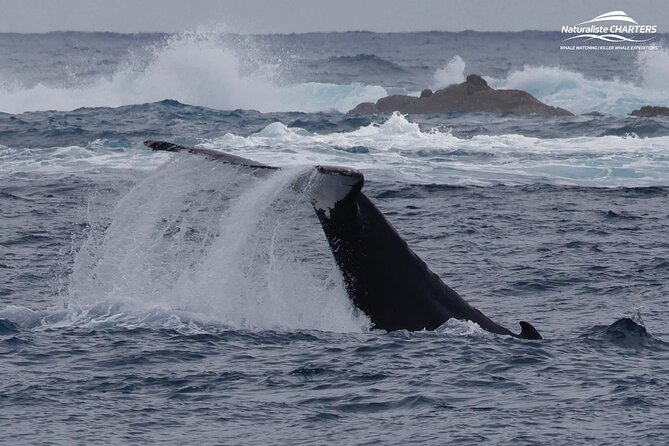
Naturaliste Charters is described as having more than 30 years of professional whale watching out of the Margaret River region. That length of experience matters more than people expect. In whale watching, you’re not only dealing with animals—you’re also dealing with timing, local conditions, and knowing where to look when the water looks empty.
The operator also keeps the experience grounded in education. The crew are trained in marine science and provide expert commentary, which is useful because it turns random sightings into understanding. You’ll get help spotting whales such as humpbacks and southern right whales, and you’ll also be guided through spotting other sea life like seals, dolphins, and birds.
One crew member name that pops up in past feedback is marine biologist Pia, praised for hosting and attention to passengers. I can’t promise every departure has the same host, but it’s a good sign that the onboard science and care isn’t just a checklist—it’s something the staff takes seriously.
Group Size and Vibe: Up to 90 on the Day

The tour caps at 90 travelers, which is worth noting. On a boat, crowding can make it harder to see and harder to move when action starts. A 90-person cap won’t make it private, but it tends to be a size where you can still feel like you’re part of a real wildlife outing rather than a commuter-like shuffle.
The cruise ends back at the meeting point, so there’s no messy “transfer to something else” day. That straightforward flow helps if you’re pairing this with other South West WA stops.
Price and Value: Is $75.31 Worth It?
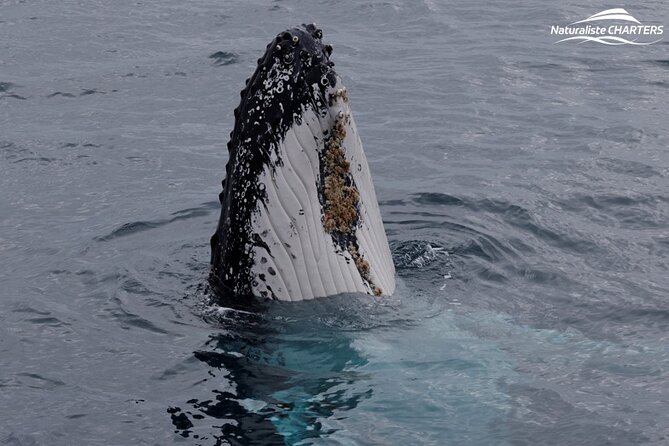
At $75.31 per person, this is in the category of “worth it if whales show up” for most budgets. But the value isn’t only the headline price—it’s what’s included and what reduces risk.
Here’s the value math I use:
- You’re paying for 2.5 hours on the water with trained marine-science guidance.
- You get complimentary tea (coffee/tea/milo plus biscuits), which is a little thing that adds up on a long outdoor outing.
- There’s a safeguard: if you don’t sight whales on the tour, the tour offers a free return tour to try again within one year (subject to availability and non-transferable).
That return-tour option is not a gimmick. It’s an honest admission that the ocean doesn’t run on schedules. If you’re traveling in a group and want one “big wildlife activity” that’s likely to deliver, this kind of policy reduces your odds of paying and walking away with nothing.
Best Time to Go From Augusta: May to August
Because this is tied to the migration schedule, your visit month can change what you’re likely to see. For Augusta, the whale season described here runs May until August. That’s the window the cruise is positioned for in Augusta, before the schedule shifts toward Dunsborough from August onward.
If you’re trying to plan around peak excitement, aim for mid-window rather than the very edge, assuming you have flexibility. If not, don’t overthink it—go when your dates line up and lean on the guide’s spotting skills.
Who This Tour Suits (And Who Might Want Another Plan)
This cruise makes sense if you want:
- A guided whale experience with marine-science commentary
- The chance to see breaching and whales moving close enough to be memorable
- A family-friendly outing with tea included
- A clear seasonal option in the Margaret River region’s broader wildlife season
It may be less ideal if your group is very sensitive to motion and you’re not prepared. Weather is a factor, and open-water trips can be rough even when the day looks fine at the start.
For families, just plan for the real possibility of sea sickness for kids. For couples and solo travelers, the science-led commentary is a strong reason to choose this over a bare-bones boat ride.
Practical Tips So You Get More From the Day
A few things will help your chances of a satisfying trip, even when the ocean keeps its secrets:
- Wear layers and bring a waterproof layer if you run warm or cold easily. You’ll be out for 2.5 hours, and conditions can change.
- Bring a camera ready for quick action. Whale moments are fast—your best shots come when you’re prepared.
- If you’re worried about motion, plan for it before you head out. Sitting in a spot that reduces rocking for your group can help.
- Keep an eye on how you’re feeling once you’re on the water; the crew can be attentive to passenger needs, and that support is part of what makes the experience smoother.
Should You Book the Augusta Whale Watching Eco Tour?
If you’re visiting Busselton and the wider Margaret River region and you want one standout nature activity, I think this is an easy choice to consider. The tour is built around the right months (May to August in Augusta), it’s guided by trained marine-science staff, and it includes small comforts like tea that make the time on the water feel more humane.
Book it if:
- You want a proper guided whale watching experience (not just drifting around)
- You’re okay with the fact that whales aren’t guaranteed, but you like the safety net of a free return tour if nothing is spotted
- Your group can handle open-water conditions with basic prep
Skip it or adjust expectations if:
- Your group has severe motion sensitivity and you can’t prepare
- You’re going at a month where your chances feel tight (stick close to the Augusta season for best alignment)
If your goal is to see whales in their natural habitat along Australia’s southwest coast, this is one of the more structured ways to do it—guided, seasonal, and set up to try again if the ocean doesn’t cooperate.
FAQ
How long is the Augusta Whale Watching Eco Tour?
The tour runs for about 2 hours 30 minutes.
When is this whale watching season available in Augusta?
The Augusta season is May until August. The Cape to Cape season runs across months from May to December, with Dunsborough operating from August to November.
What whales and other marine life might I see?
You may see humpback whales, southern right whales, and possibly blue whales. The tour also lists the chance of New Zealand fur seals, bottlenose and common dolphins, and sea birds.
Is tea included during the cruise?
Yes. There is complimentary morning or afternoon tea, including coffee, tea, milo, green tea, and biscuits.
What happens if the tour is cancelled due to weather?
If it’s cancelled because of poor weather, you’ll be offered an alternative date or a full refund.
What if no whales are sighted during the tour?
If no whales are sighted, you receive a free return tour to try again, booking for another day within one year (subject to availability and non-transferable).
Where do I meet for the tour?
You start at Augusta Boat Harbour on Leeuwin Rd, Leeuwin WA, Australia.
How many people are on board?
The tour has a maximum of 90 travelers.