REVIEW · BUSSELTON
Nocturnal Wildlife Tour from Busselton
Book on Viator →Operated by South West Eco Discoveries · Bookable on Viator
Night sounds like quiet. Then the animals start moving.
This Nocturnal Wildlife Tour from Busselton takes you to Yelverton Brook Conservation Sanctuary for an easy after-dark walk and close-up wildlife viewing. I like the small group size (max 12), and I especially like the chance to observe woylies as they emerge at night.
You’ll meet the guides at South West Eco Discoveries and head in with Ryan and Mick, who focus on what the animals do after sunset and how the Margaret River region supports them. Expect a calm setup with bush billy tea or milo while you wait, listen, and scan the grounds.
One key consideration: wildlife timing is never guaranteed. If you’re hoping for a specific animal to appear on cue, you’ll want to keep expectations flexible and enjoy the whole night for what it is.
In This Review
- Key things to know before you go
- Busselton to the bush at night: what this tour really feels like
- Price and value: is $68 a fair deal?
- The meeting point: where you actually start (and why it’s convenient)
- Stop-in-the-bush: your first hour at the sanctuary viewing area
- What you may see during the first viewing block
- The easy walk and why it’s part of the magic
- Night sky surprise: what to expect if conditions are clear
- Wildlife viewing strategy: how to make your chances better
- Who this tour fits best (and who might want to choose differently)
- Weather and comfort: plan for the night, not the brochure
- The guides matter: Ryan and Mick’s host style
- Quick practical rundown (so you can decide fast)
- Should you book this Nocturnal Wildlife Tour from Busselton?
- FAQ
- What time does the tour start?
- How long is the Nocturnal Wildlife Tour?
- Where does the tour start?
- Is pickup offered from Busselton or Dunsborough?
- What wildlife might I see on the tour?
- Is the walk suitable for kids?
- Does the tour run in bad weather?
- How many people are in the group?
Key things to know before you go
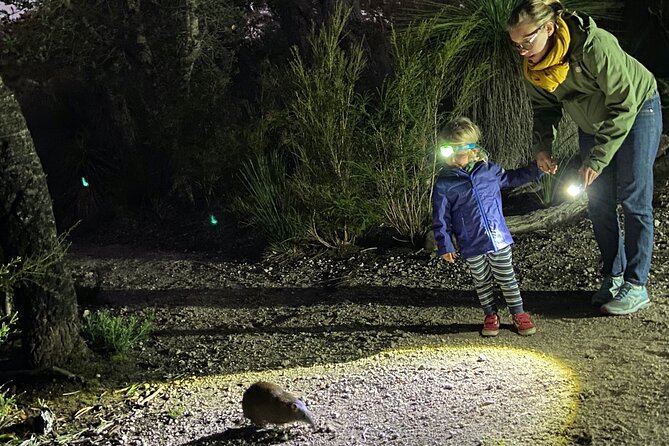
- Woylies after dark: this is the headline animal, but they can be shy and timing varies
- Easy nature-trail stroll: the walk to the viewing area is designed to be manageable
- Guides Ryan and Mick: stories and practical context about native wildlife and bushtucker
- Bush billy tea or milo break: you’ll have a warm moment before the action ramps up
- Small group (up to 12): better attention, less noise, easier spotting
Busselton to the bush at night: what this tour really feels like
If you’ve only experienced Australia’s wildlife in daylight, this tour gives you a different rhythm. Night changes everything. Shadows move. Sounds carry farther. And the animals you miss at 10 a.m. start doing their own thing right when the sun goes down.
The tour’s strength is how it balances waiting with watching. You don’t spend the two hours rushing from stop to stop. Instead, you move along a nature trail, settle into the viewing area, then let the sanctuary’s nighttime schedule do the work. That approach matters. It’s easier to notice small details when you’re not constantly changing locations.
And the group stays small. With a maximum of 12 travelers, you’re less likely to end up in a noisy crowd that scares off skittish animals. That’s a big deal on nocturnal trips, where quiet and patience pay off.
A few more Busselton tours and experiences worth a look

Price and value: is $68 a fair deal?
At $68 for about two hours, the price is reasonable when you factor in what’s included. You’re not just paying for a general entry ticket. The experience wraps in guided hosting, time at the sanctuary viewing area, and hotel pickup and drop-off from Busselton or Dunsborough (if you opt for it).
You also get a mobile ticket, which removes friction on the day. No printing chaos. Just show up, check in, and go.
The best value angle here is attention. A small group plus a guide team (Ryan and Mick) means you’re more likely to understand what you’re seeing instead of just hoping something walks past. Even when sightings vary, you’re learning how nocturnal marsupials live—where they hide, what they eat, and why the timing matters.
The meeting point: where you actually start (and why it’s convenient)
The tour begins at Yelverton Brook Conservation Sanctuary in the Margaret River region (118 Roy Rd, Metricup WA 6280). The experience ends back at the same point.
If you’re staying around Busselton or Dunsborough, pickup is offered. That’s a practical win because you’re dealing with an evening start time. Driving yourself at dusk is fine, but pickup is one less thing to coordinate.
The scheduled start is 6:00 pm. That matters because it shapes the lighting and animal activity window. Arriving when it’s still light enough to get oriented, then watching as it darkens, is the heart of a good nocturnal setup.
Stop-in-the-bush: your first hour at the sanctuary viewing area
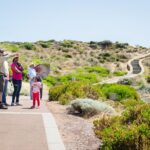
Your night starts with a short guided bush walk to the animal viewing site. It’s not an all-day hike. It’s the kind of walk that helps you get your bearings and move as a group without exhausting people before the night begins.
Once you arrive, you’ll sit down and enjoy bush billy tea or milo. That simple detail changes the feel of the tour. Waiting at night can feel long if you’re cold and bored. Here, you’re warm, you’ve got something to sip, and the guide is keeping the conversation flowing.
Ryan and Mick share stories and factual information about native wildlife and bushtucker from the Margaret River region. The point isn’t trivia for trivia’s sake. It’s to help you connect what you see—shapes, movement, feeding behavior—to how the ecosystem supports it.
What you may see during the first viewing block
This is the part where you start watching the ground, not just scanning treetops. The tour focuses on nocturnal activity, and the sanctuary’s animals can show up close if conditions are right.
The animals you might spot include:
- Woylies as they emerge for the night
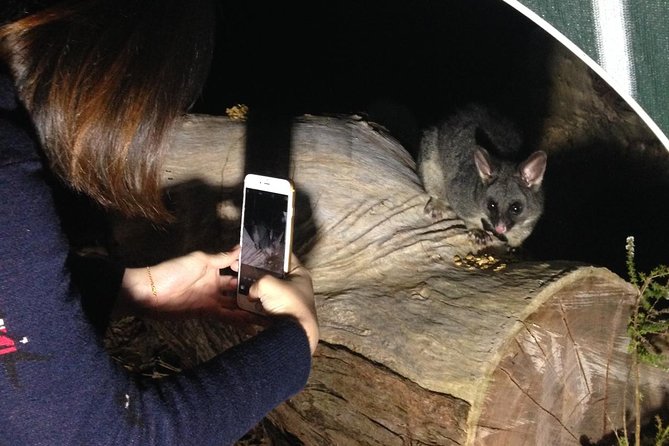
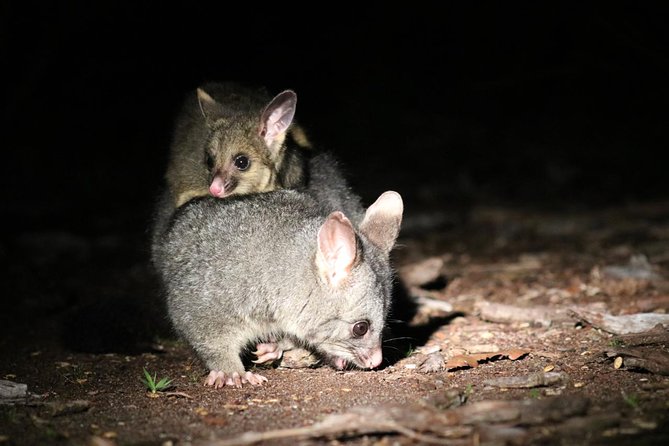
- Possums
- Quendas (a type of native marsupial sometimes referred to as bandicoots)
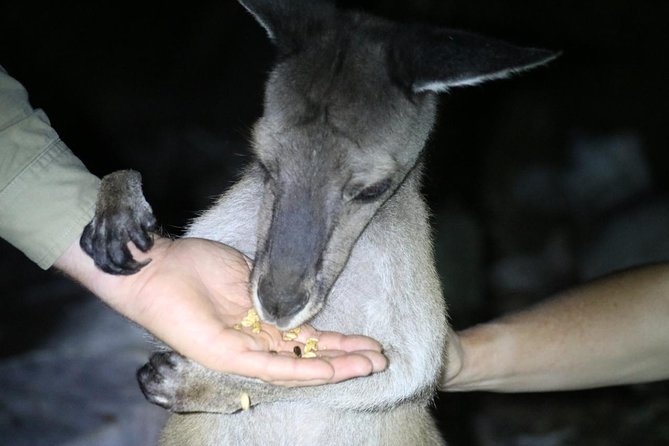
- Kangaroos
- Other commonly sighted nocturnal marsupials such as bandicoots (quendas) and possums
Important reality check: sightings aren’t on a timer. Some nights animals come out fast; other nights it’s slower. That’s not a failure of the tour. It’s how wildlife works.

The easy walk and why it’s part of the magic
One of the most underrated parts of this experience is that the nature trail is described as easy. That’s not just about fitness. An easier walk lets you stay present for the night.
When you’re not pushing through steep terrain, you can focus on small clues:
- rustling that sounds different than wind
- movement near the ground line
- changes in where the guide points and why they point there
- the pattern of footsteps when animals shift position
For families too, this matters. The tour includes children as long as they’re accompanied by an adult, and a manageable walking length helps keep the night from turning into a battle of tired legs.
Night sky surprise: what to expect if conditions are clear
Some evenings include an extra add-on: a star-gazing moment. One guest noted a surprise introduction to stars and satellites.
You should treat this as bonus content, not a guaranteed schedule feature. Still, it’s a nice example of how the guides build a full night out of one straightforward plan—watch wildlife, then look upward if the sky cooperates.
Practical tip: if you want to enjoy any star-gazing segment, bring something warm. Nights can turn chilly fast, especially when you’re standing still.
Wildlife viewing strategy: how to make your chances better

You can’t control animal behavior. But you can control your impact.
Here’s how to give yourself the best odds without doing anything weird:
- Keep your voice low during viewing time. Quiet helps wildlife feel safe.
- Watch where the guide directs your eyes, especially near the ground level.
- Be patient even if the first minutes feel quiet. Nocturnal activity can start in waves.
- Stay ready to adjust your gaze as light levels drop.
If you’re the type of person who wants constant action, this may feel slower than a typical “see everything fast” tour. But the payoff is that you learn how to read the night—and that’s what makes the experience more than just a checklist.
Who this tour fits best (and who might want to choose differently)

This tour is a great match if you:
- want native Australian nocturnal wildlife in an ethical, sanctuary-based setting
- enjoy guided interpretation more than solo wandering
- like small group experiences where you can ask questions
- want a family-friendly night out that doesn’t require serious trekking
It might be less ideal if you:
- need guaranteed sightings of woylies every time you arrive
- hate waiting in the dark (wildlife has its own schedule)
- plan to wear only thin summer layers and dislike being cold
The upside, though, is that even with variable sightings, the guides’ focus on life cycle and environment gives you something you can carry home and keep thinking about.
Weather and comfort: plan for the night, not the brochure
The tour is described as operating in all weather conditions, with a note to dress appropriately. At the same time, the cancellation policy says the experience requires good weather and may be rescheduled or refunded if canceled due to poor weather.
So treat this as: you’ll likely still go if conditions are manageable, but if the weather is truly unsuitable, the operator will offer a different date or a refund.
What I’d do if I were packing:
- bring a jacket and something warmer than you think you need
- wear closed-toe shoes for a night walk
- use layers so you can adjust if you get too warm while waiting
The guides matter: Ryan and Mick’s host style
Ryan and Mick are the kind of guide team that makes the night feel organized without killing the natural vibe. The tour has enough structure—walk, settle, watch, learn—to keep you engaged, but not so much that you’re constantly “on cue” like a stage show.
From the information you get, you should come away understanding not only what animals are present, but why they’re doing what they’re doing at night. That’s the difference between seeing an animal and understanding an ecosystem.
Also, the guide approach seems built around friendliness and accessibility. If you’re not a fluent English speaker, you can still follow along because they use clear explanations and keep things grounded in what you can actually observe.
Quick practical rundown (so you can decide fast)
- Duration: about 2 hours
- Start time: 6:00 pm
- Group size: up to 12 travelers
- Price: $68
- Includes: hotel pickup/drop-off from Busselton or Dunsborough (if selected), and a mobile ticket
- Activity pace: easy walk to the viewing area; time spent sitting and watching
- What to bring: warm layers, closed shoes, patience
Should you book this Nocturnal Wildlife Tour from Busselton?
I think it’s worth booking if you want a real night-time look at native wildlife in a small-group setting. The value is strongest for people who enjoy interpretation and want to learn the habits of animals like woylies, possums, quendas/bandicoots, and kangaroos—without rushing.
You might skip it if your main goal is a guaranteed “woylies on demand” photo. Wildlife doesn’t work that way, and the tour is designed to respect that reality.
But if you’re open to waiting, watching closely, and letting the night unfold, this is a solid, low-stress option that fits neatly into a Busselton or Dunsborough schedule.
FAQ
What time does the tour start?
The tour starts at 6:00 pm.
How long is the Nocturnal Wildlife Tour?
It runs for about 2 hours.
Where does the tour start?
You meet at Yelverton Brook Conservation Sanctuary, 118 Roy Rd, Metricup WA 6280, Australia.
Is pickup offered from Busselton or Dunsborough?
Yes, hotel pickup and drop-off from Busselton or Dunsborough are included.
What wildlife might I see on the tour?
You may see woylies, possums, quendas (bandicoots), kangaroos, and other commonly sighted marsupials.
Is the walk suitable for kids?
Children must be accompanied by an adult, and the walk is described as easy.
Does the tour run in bad weather?
The tour operates in all weather conditions with appropriate dressing recommended. If it’s canceled due to poor weather, you’ll be offered a different date or a full refund.
How many people are in the group?
There is a maximum of 12 travelers.