REVIEW · DARWIN
Darwin: WWII Reflections
Book on GetYourGuide →Operated by Walk Darwin · Bookable on GetYourGuide
A day of bombing still hangs in the air. This WWII Reflections walking tour in Darwin pairs a calm pace with strong storytelling, taking you back to the first time Japan attacked mainland Australia. I love that it’s reflective without being gloomy theater, and I love how you can ask questions in real time as the stories unfold. The main drawback: there aren’t many places to sit and rest, so plan for some walking and a basic level of fitness.
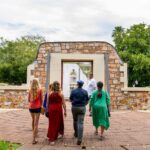
You’ll start in Darwin’s historic quarter and move past buildings tied to the wartime era, many of them rebuilt so the memory stays. The tour runs about 2 hours with a small group limit of 10, which keeps the questions coming and the atmosphere personal. You’ll be with a guide named John, and his commentary is the kind that turns names and dates into human scale.
Price matters, and at $41 per person it’s not just a casual stroll—this is an informed walk focused on one day in 1942. Bring comfortable shoes and your sun gear, because you’ll be out in Northern Territory light. If you want a strictly museum-style experience with lots of indoor stops, this isn’t that. It’s a walk with pauses built around learning and reflection.
In This Review
- Key things to know before you go
- Why Darwin’s WWII story still deserves your time
- Meeting point and what you’ll do for the first part of the walk
- Walking the historic quarter: built-back places and wartime storytelling
- Reliving Feb 19, 1942: what you learn and why it lands
- The key question: why Darwin was bombed
- Q&A with John: how to get the most out of the experience
- Price and value: $41 for a 2-hour WWII walk
- Timing, pace, and what to bring in Darwin’s sun
- Who this tour is best for (and who should think twice)
- Should you book Darwin: WWII Reflections?
- FAQ
- How long is Darwin: WWII Reflections?
- Where do I meet the guide?
- Is the tour wheelchair accessible?
- What should I bring?
- Is food included?
- Can I cancel for a refund?
Key things to know before you go
- A focused 2-hour narrative set on Feb 19, 1942, when Darwin felt the shock of war for the first time on mainland Australia.
- Small groups (up to 10) help you actually talk with the guide instead of listening at arms length.
- Q&A is part of the deal, so you can ask what you’ve wondered about the bombing and its wider context.
- John’s WWII passion shows up in the clarity and the care he takes to set the scene.
- Limited resting spots, so wear shoes you trust and expect steady walking.
Why Darwin’s WWII story still deserves your time
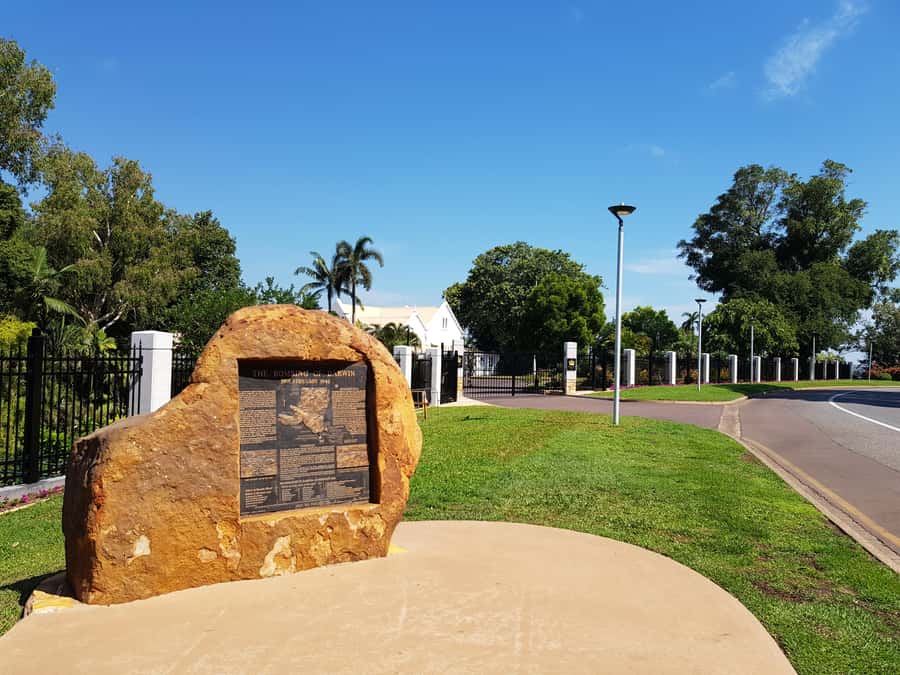
Darwin isn’t just another Australian port city. In WWII terms, it sat in a place that mattered early, and the Bombing of Darwin is one of those moments that shaped how people across the country thought about safety and distance.
What I like about this tour is the balance. It’s not built only to scare you or shock you. It’s built to help you understand why the event landed where it did, and what it meant for everyday life in the North. You get the date—Feb 19, 1942—but you also get the feeling of a city trying to process something enormous.
The best tours don’t just hand you facts. They give you a way to remember. Here, the walk through the historic quarter is meant to leave you with a clearer mental map of the day and the place.
You can also read our reviews of more tours and experiences in Darwin.


Meeting point and what you’ll do for the first part of the walk
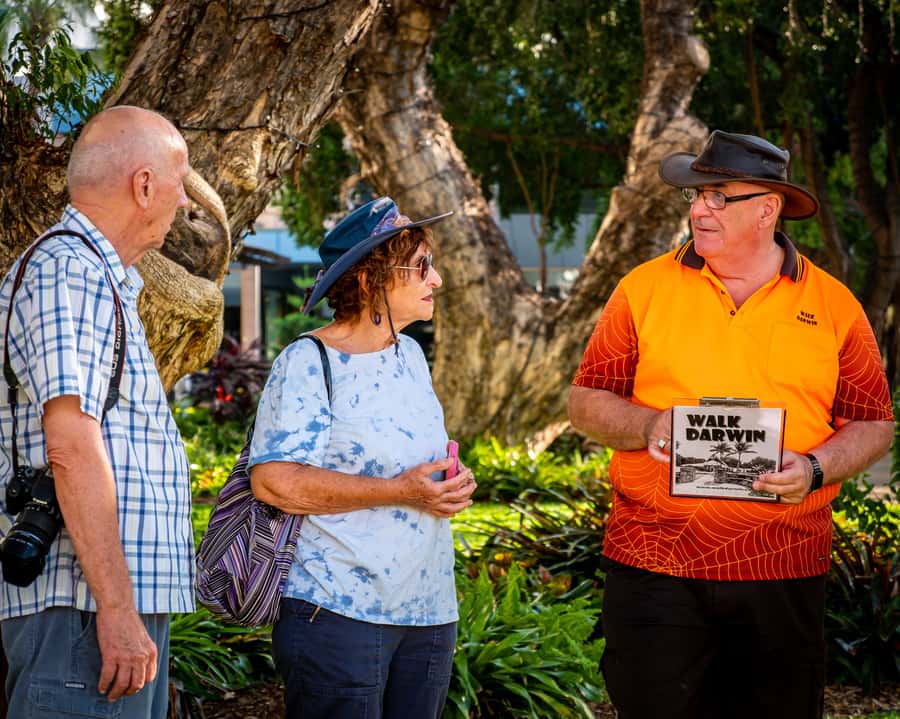
You’ll meet your guide at the start point, and they’ll be easy to spot in a bright orange shirt. You don’t need to hunt around or play guessing games. Then you’ll settle in and get oriented quickly—this matters because the tour moves through the historic quarter as you go.
Early on, expect the guide to set the scene for Feb 19, 1942. The tour frames the day as the first time Japan attacked mainland Australia, and that opening matters because it changes how you look at everything you’re about to pass. A city can feel modern and familiar until someone reintroduces it through a wartime lens.
From there, the structure is simple: walk a section, hear what was happening and why it mattered, then keep moving. You can ask questions during the tour, and that’s a big part of the experience. If you’re the type who wants context—timeline, motives, or how Darwin connected to the wider war—this format lets you go beyond the basics.
Walking the historic quarter: built-back places and wartime storytelling
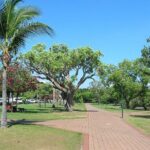
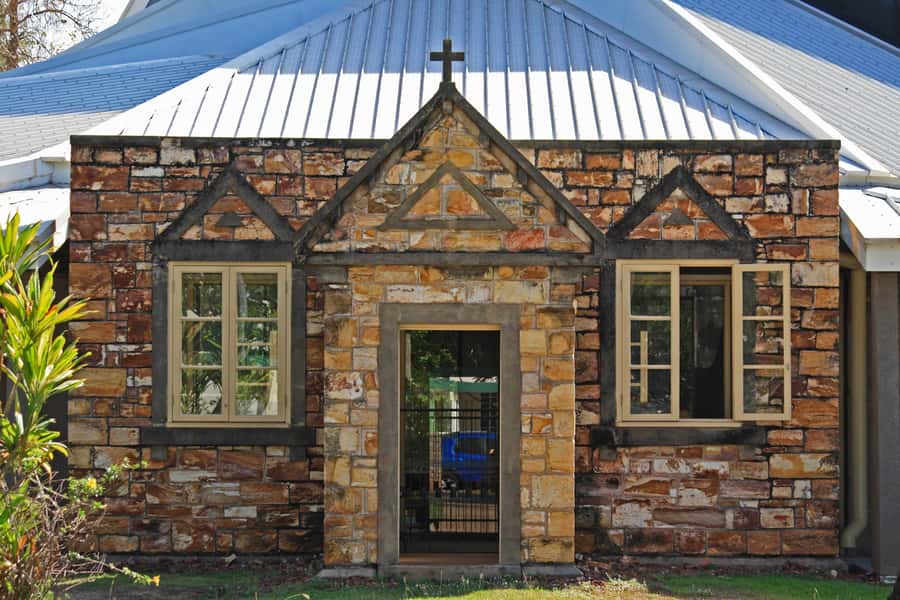
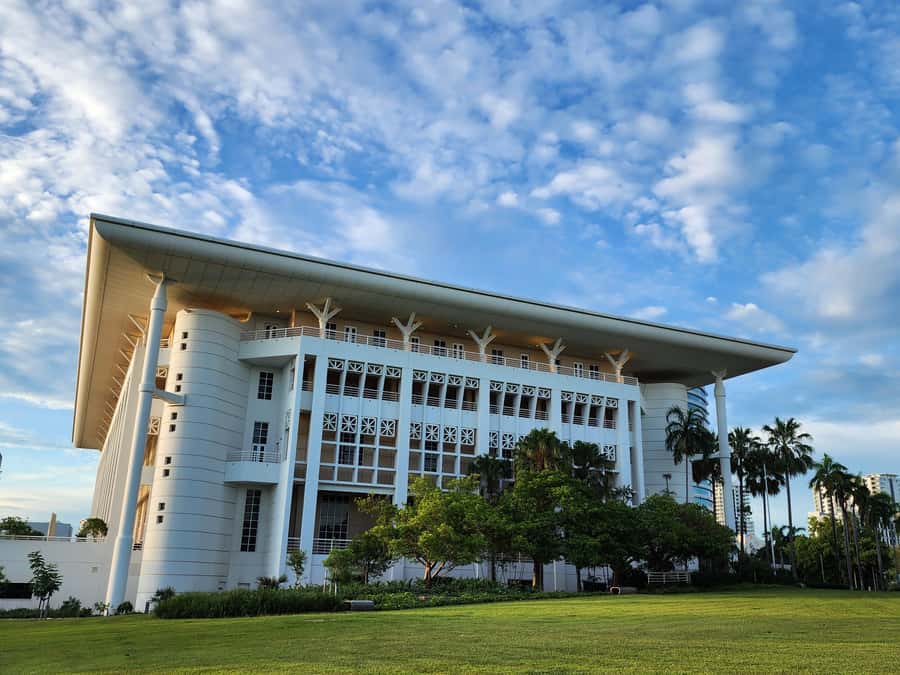
Darwin’s historic quarter gives you a walk you can’t get from a single photo. As you move, you’ll pass buildings tied to the era, including places that have been rebuilt so the story stays visible. That’s an important detail: you’re not just looking at old walls. You’re walking through a curated memory of the North during the war.
Your guide’s commentary links the buildings to the day in 1942, and the route is paced so you can follow the threads without feeling rushed. The walking itself is designed to be manageable, but don’t assume it’s a sit-down tour. There aren’t many opportunities to stop and rest, so bring that steady-walk mindset.
Here’s what I found especially valuable: the tour doesn’t treat the area like a set. It treats it like a lived-in place. Even without extra stops at every corner, the guide helps you “see” what might have been around you during the bombing and the tense hours around it.
Reliving Feb 19, 1942: what you learn and why it lands
The central promise of this experience is to relive the day Darwin was bombed, but you’ll do it in a grounded way. Instead of jumping from dramatic headline to dramatic headline, the guide sets context first, then walks you through the meaning of the day.
The day is clearly defined: WWII has reached mainland Australia, and Darwin—Australia’s northern capital—gets bombed. That framing matters because it shows the event wasn’t random. It was a moment when global war reached a local skyline.
And because you can ask questions, you’re not stuck with whatever you already know. John’s approach, based on how people describe the tour, focuses on clarity and setting the scene. You’ll have space to ask about the bombing itself, the broader WWII angle, and the human scale of what was happening.
The key question: why Darwin was bombed
One of the highlights is simple and direct: you’ll discover why Darwin was bombed. That question is the one that often bugs people after they learn a date. Dates are easy to memorize. Motives are harder—and they’re what help the story make sense in your head.
During the walk, your guide connects Darwin’s role to the events of the day. You may not leave with every military detail if that’s not what you seek, but you should leave with a clearer explanation of why this outback-leaning city in the far north mattered in WWII.
I also like that the tour doesn’t treat the “why” as trivia. It’s part of the reflective tone. Understanding the reasons helps you move from shock to comprehension, and that makes the experience feel more honest.

Q&A with John: how to get the most out of the experience
This tour isn’t just you listening into the distance. It’s built for back-and-forth, and you’ll want to use that. If you’re sitting there thinking, I have questions but I’ll save them later, don’t. Ask early while it’s fresh.
People highlight John’s friendliness and the way he goes out of his way to show everything and explain it clearly. That kind of guiding makes a big difference on a WWII topic, because the hardest part is usually not the big picture. It’s the connections—how one event links to another and what changed for people on the ground.
If you want to maximize value, pick one question before you start walking. It could be something like:
- What made Darwin a target in the first place?
- How did the day unfold in terms of warning and impact?
- How should I think about Darwin’s role in WWII afterward?
You’ll get the best answers when your questions match the tour’s focus.
Price and value: $41 for a 2-hour WWII walk
Let’s talk money in a practical way. At $41 per person for a 2-hour guided walk, the value depends on what you want.
If you’re looking for a casual stroll with a few facts, you’ll feel like you overpaid. But if you want a guided connection between place, event, and meaning, this is priced like history you can actually carry with you after the tour. You’re paying for:
- a live guide focused on WWII and the bombing of Darwin
- structured storytelling across the historic quarter
- the ability to ask questions, which isn’t common on every walking tour format
Also, small group size matters. With up to 10 participants, the guide can keep the pace understandable and the Q&A genuinely interactive. That’s part of the value, not an extra perk.
For me, the best way to judge value is this: will you remember it later? If you want to remember a specific day—Feb 19, 1942—and why it happened to Darwin, this tour does exactly that.
Timing, pace, and what to bring in Darwin’s sun
This is a walking tour, so pack for the outdoors. You’ll want comfortable shoes you can walk in for the full length. There are not many places where you can stop, sit, and rest, so plan your energy accordingly. You don’t need to be an athlete, but you do need to be comfortable moving steadily.
Bring the essentials that matter in the Northern Territory:
- hat
- sunscreen
- water
- hand sanitizer or tissues
- camera
You’ll also appreciate shade breaks if the guide builds them in naturally, but don’t count on frequent sitting. If you’re traveling with limited mobility, note that the tour is listed as wheelchair accessible, but the “not many places to rest” part still matters for comfort.
If you’re heat-sensitive, go prepared. If you bring your own water and cover your head, you’ll enjoy the storytelling more and worry less about the weather.
Who this tour is best for (and who should think twice)
This tour suits you if you want WWII context in a way that feels real. It’s ideal for:
- history lovers who enjoy walking through the actual spaces where stories happen
- people who like asking questions and getting direct answers
- anyone spending time in Darwin’s historic quarter and wants a focused experience instead of random wandering
It may be less ideal if you need lots of frequent stops, because the route doesn’t offer many rest points. It may also not fit if you’re not interested in a single-event focus. This tour centers on one fateful day and its meaning, so it won’t sprawl across every aspect of WWII.
Should you book Darwin: WWII Reflections?
If you’re in Darwin and you want a guided walk that turns a headline into place-based understanding, I’d book it. The combination of strong WWII commentary, a guide like John who sets the scene well, and the ability to ask questions makes it feel worth your time, even when you’re learning about something heavy.
I’d especially recommend it if you like tours that are thoughtful rather than performative. Bring your sun gear, wear your best walking shoes, and be ready for a steady two-hour history walk through the city’s historic quarter. If that sounds like your kind of travel—meaningful, practical, and grounded—this one fits.
FAQ
How long is Darwin: WWII Reflections?
The tour lasts 2 hours.
Where do I meet the guide?
Your guide will be wearing a bright orange shirt for easy identification.
Is the tour wheelchair accessible?
Yes, it is listed as wheelchair accessible.
What should I bring?
Bring comfortable shoes, a hat, a camera, sunscreen, water, and hand sanitizer or tissues.
Is food included?
No. Food and drinks are not included.
Can I cancel for a refund?
Yes, you can cancel up to 24 hours in advance for a full refund.
![[PRIVATE TOUR] Express Great Ocean Road | Day Trip - The trade-off: you skip the classic Great Ocean Road drive](https://8.theaustraliatraveler.com/wp-content/uploads/private-tour-express-great-ocean-road-day-trip.jpg)