REVIEW · HOBART
Deep-to-Dish: Tasmanian Seafood Experience
Book on Viator →Operated by Tasmanian Wild Seafood Adventures · Bookable on Viator
Live seafood, made for your plate.
Deep-to-Dish turns a 10:00 am boat ride out of Hobart into a full seafood workshop, with professional divers harvesting live shellfish and the kitchen staff cooking it right there on the charter. I love the mix of Tasmanian ingredients (rock lobster, abalone, oysters, and more) plus the part where you watch it being handled and prepared. I also like that Tasmanian beer, wine, and sparkling are included alongside a starter platter, so the afternoon feels like a real celebration, not a snack stop.
One thing to consider: this experience is weather-dependent, and the whole point is seafood-first. If you do not eat much seafood, you will still have some non-seafood items like the cheese and dips, tea, coffee, and other components, but the center of gravity here stays firmly on the ocean menu. On the bright side, the group size stays capped at 25, so it stays friendly and not chaotic.
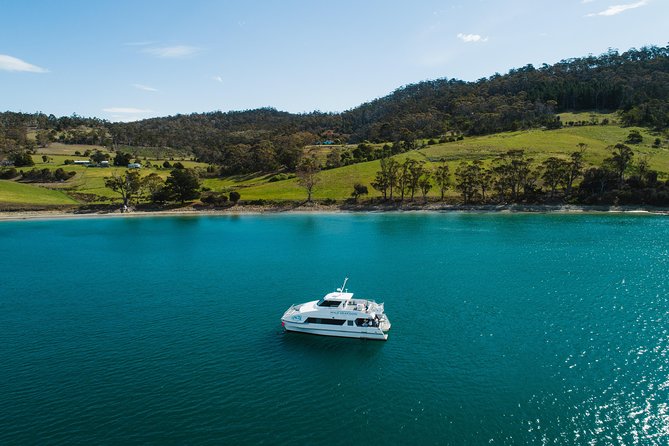
Expect a comfortable ride on the two-story power catamaran Cuttlefish, plus an interactive cook station that keeps the action moving. You’ll start with a seasonal fruit platter and cheeses, sail toward Bull Bay off Bruny Island, then switch gears to live-harvest shellfish before sitting down (in a way that still feels like a cruise) to a big, varied feast. Tea and coffee are included, and one review mentions an apple tea cake moment that smells as good as it sounds.
In This Review
- Key highlights you’ll care about
- Heading out from Hobart for Bull Bay’s seafood-country vibe
- The Cuttlefish ride: comfort plus real ocean views
- Weather matters more than you think
- The diver’s harvest at Bull Bay: periwinkles and sea urchins up close
- What you’ll eat: a Tasmanian seafood feast, served with context
- Seafood-heavy by design
- Cheese platters, drinks, and the dessert finish that people remember
- The crew approach: hospitable, informative, and hands-on
- Price and value: $416 for a small-group, full-on seafood production
- Who should book this, and who might not love it
- Should you book Deep-to-Dish in Hobart?
- FAQ
- What time does Deep-to-Dish start, and how long is it?
- Where does the tour meet in Hobart?
- What seafood might be included?
- Are drinks included?
- Does the tour run in any weather?
- How big are the groups?
Key highlights you’ll care about
- Live seafood harvested on Bull Bay by professional divers, with periwinkles and sea urchins on the menu
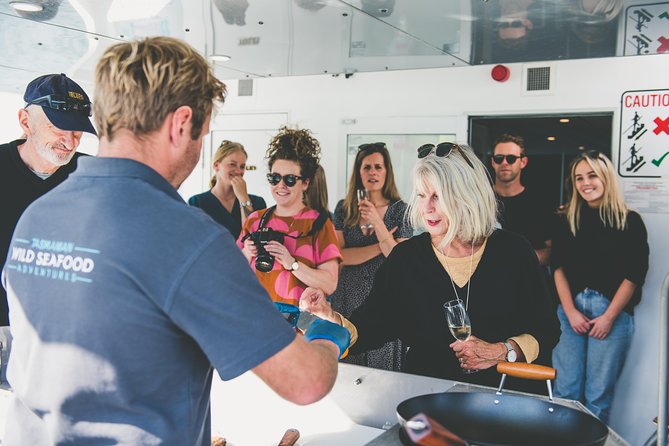
- Chefs working an interactive cook station while you cruise, so you get an active, not static meal
- Tasmanian drinks included (beer, wine, sparkling) plus tea and coffee
- A broad seafood lineup that can include rock lobster, oysters, mussels, abalone, and more
- Small-ish group on a two-story catamaran (max 25) for a more personal feel
- A dessert finish is part of the flow, with apple tea cake mentioned in reviews
Heading out from Hobart for Bull Bay’s seafood-country vibe
You start in Hobart at Unit 1/4 Franklin Whrf, and the timing matters. A 10:00 am departure means you get daylight cruising, which makes the whole thing more enjoyable, especially when you’re looking out at sea cliffs and sandy spots only reachable by boat. It also gives you a steady rhythm: you eat, you watch the harvesting and cooking, and you finish without feeling rushed.
The cruise route is built around the Bruny Island area, specifically Bull Bay, which is the stage for the live seafood portion. Along the way, you might spot sea life like dolphins, whales, seals, and sea birds. You cannot plan your whole day around sightings, but the chance adds fun without adding any pressure.
The group limit of 25 is a practical detail. On a larger boat, food service can feel like a production line. Here, the format is set up to keep the experience moving while still letting the crew explain what you’re eating and why it tastes the way it does.
You can also read our reviews of more tours and experiences in Hobart.

The Cuttlefish ride: comfort plus real ocean views
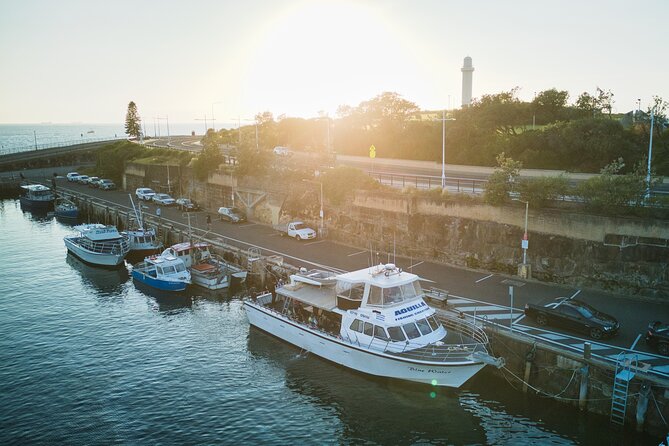
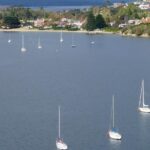
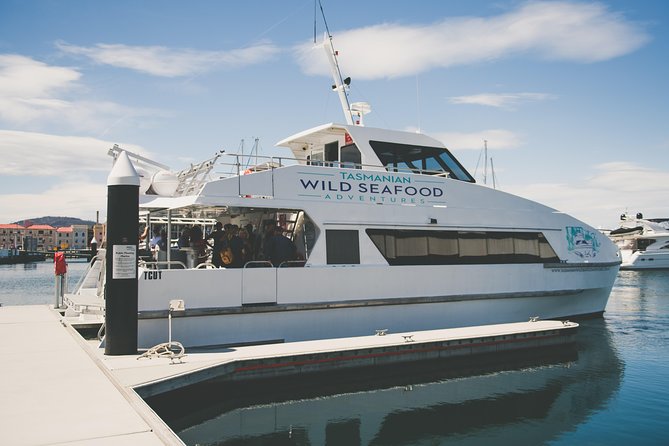
This isn’t a small skiff where you’re stuck hunched over. You’ll be on a two-story power catamaran named Cuttlefish, and that layout helps. You get better sightlines, plus more breathing room when you’re moving between the main deck and where the interactive cooking happens.
The “chartered boat” feel is also part of the value. You’re not waiting for a generic tour schedule with random stops. The whole afternoon is staged around the seafood: cruising out, reaching the Bull Bay area, harvesting live shellfish, then cooking and serving the feast on board.
If you’re sensitive to motion, it’s still an ocean cruise, so you’ll want to bring your own common sense for seasickness (if that’s an issue for you). The tour doesn’t promise a calm-sea scenario; it simply runs on good weather, which leads to my next point.
Weather matters more than you think
This is one of those tours where the weather requirement is not a footnote. The experience requires good weather, and the operator notes that if it gets canceled due to poor weather, you’ll be offered a different date or a full refund. That matters because the main activity depends on going out on the water and doing the live-harvest portion.
There’s also a less dramatic but very real consideration: your day is set. This tour is scheduled at a fixed start time and runs about 4 hours 30 minutes total. If you’re the type who hates having a chunk of time locked in, this might feel like less flexibility than a self-guided day.
Still, if you pick a day with decent conditions, the weather rule is actually a plus. It means the experience is designed to work when the sea is cooperative, not when you’re stuck indoors.
The diver’s harvest at Bull Bay: periwinkles and sea urchins up close
The heart of the adventure is the live-harvest component. You’ll head south to Bull Bay off Bruny Island, where a skilled diver harvests live periwinkles and sea urchins. This isn’t presented as a museum moment. It’s part of the meal-building process, and it sets the tone for the rest of the afternoon.
From a food-value standpoint, live harvest matters because it’s about freshness and texture. Periwinkles and sea urchins are the kind of seafood where timing affects the eating experience. When you’re eating them soon after they’re collected and prepared, you get flavors that taste like they came from the sea, not from a supply chain.
It also helps that the tour is structured around the cook-on-board flow. The diver harvests, the chefs prepare, and you eat within the same afternoon. That keeps the story straight and makes the meal feel like one continuous event.
One more practical thing: if you enjoy learning while you eat, this part is where the crew’s information tends to land best. You’ll get context about the seafood and how it’s cooked, not just a list of items going by.
What you’ll eat: a Tasmanian seafood feast, served with context
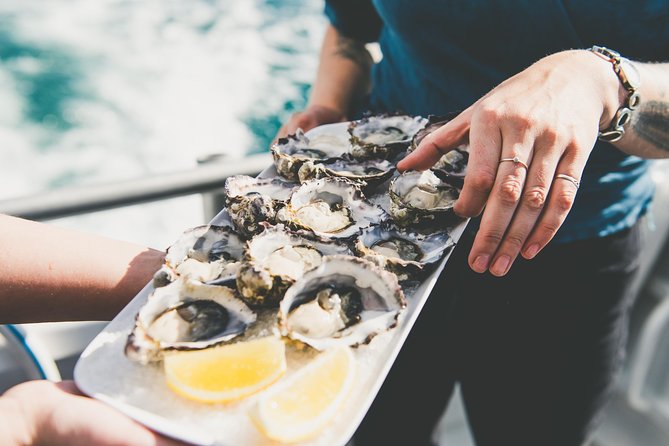
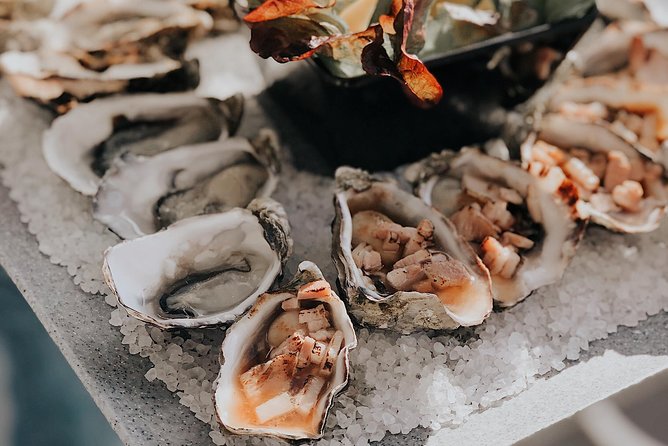
The menu is the main reason people book this, and it’s wide enough that you’re unlikely to feel bored. The tour notes that seafood may include:
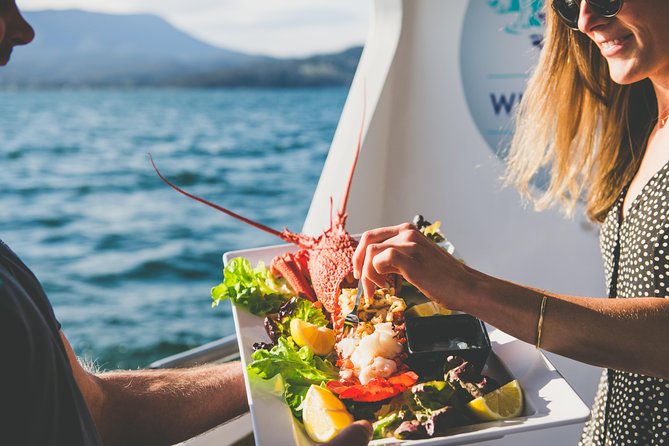
- Tasmanian rock lobster
- Oysters
- Mussels
- Periwinkles (often a standout for first-timers)
- Sea urchin
- Tasmanian Blacklip abalone
- Whole Atlantic salmon
A featured review highlights that the seafood was prepared in three different ways, and that detail is meaningful. It turns a “same thing, bigger pile” meal into an actual tasting journey. You can compare textures and flavor styles without having to guess what you’re missing.
Abalone and urchin are the classic “first time” foods for a lot of people, and the tour leans into that. If you’ve had seafood before, you may still be surprised by how different these species taste when they’re handled fresh and cooked with care.
Also, the combination matters. Lobster and oysters bring that briny, ocean sweetness. Mussels add a hearty salt-and-metal depth. Salmon gives you a more familiar anchor on a seafood-heavy day. Even the included shellfish like periwinkles can be a teaching moment because they’re small, but they cook up with a distinct flavor.

Seafood-heavy by design
I’ll be straight with you: this is not a buffet where you can ignore the sea and still have a satisfying meal. The structure is seafood-forward, and even if you fill up on cheese, dips, crackers, and fruit at the start, you’ll still be eating part of a sea-life theme for the afternoon.
The good news is that the tour isn’t just raw seafood either. The cooking happens on board, and the experience is built around prepared dishes you can actually enjoy in an afternoon setting, not just one-off samples.
Cheese platters, drinks, and the dessert finish that people remember
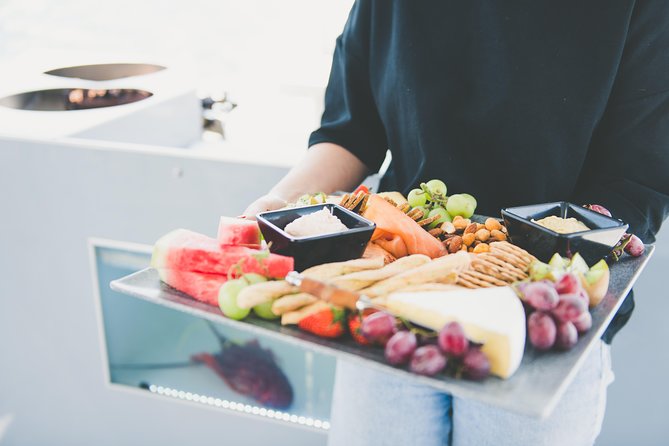
Before the Bull Bay harvesting moment, you start with a seasonal fruit platter, plus Tasmanian cheeses and a platter that includes cheese, dips, crackers, and produce. This matters because it gives you a baseline and helps you settle into the rhythm of the boat ride. You’re not waiting for the big seafood portion with only one small snack.
On the drinks side, this tour includes Tasmanian beer, wine, and sparkling. Reviews also mention drink options feeling like they flow freely, and that aligns with the “included” nature of the program. The practical upshot: you do not need to hunt down a bar or decide whether a cocktail is worth it. You just make a couple of choices and enjoy the ride.
Tea and coffee are included too, and that can be a relief on a busy food day. One featured detail that stands out in reviews is the smell of apple tea cake cooking. That kind of end-of-meal finish makes the experience feel complete, not like you got on a boat and got fed and then were done.
If you have dietary restrictions, the provided information focuses on seafood and standard accompaniments like cheese, dips, fruit, tea, and coffee. You’ll want to check specifics at booking rather than assume substitutions, especially if you do not eat shellfish.
The crew approach: hospitable, informative, and hands-on
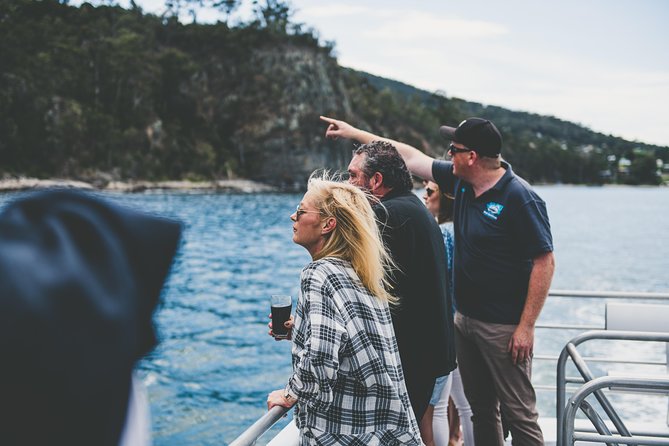
This is one of those tours where the staff’s role changes the whole experience. The crew isn’t just pushing food out. They share information about the seafood and keep things moving with attention to detail. Reviews describe the crew as very hospitable and experienced, with plenty of explanations about what you’re eating and how it’s prepared.
The friendly energy matters because you’re handling unusual foods. When a periwinkle or urchin dish comes out, you want confidence that it’s cooked well and that you’re approaching it the right way. The staff’s explanations help you feel comfortable, especially if it’s your first time trying items like raw-style oysters, abalone, or urchin.
In one review, names mentioned for the crew include Shane, Ruby, and Maya, and that’s a nice reminder that real people run this as a service, not as a scripted conveyor belt.
Price and value: $416 for a small-group, full-on seafood production
At $416 per person, this is not a casual add-on. So is it worth it? Here’s how I’d judge value based on what’s included.
You’re paying for:
- a 4.5-hour charter-style cruise experience on Cuttlefish
- professional diving and live harvest of periwinkles and sea urchins
- a full seafood spread that can include rock lobster, oysters, abalone, mussels, salmon, and more
- Tasmanian beer, wine, and sparkling plus tea and coffee
- a substantial start platter with cheeses, dips, crackers, and produce
In other words, the price isn’t only for food. It’s for the whole system: boat access, live harvesting, cooking on board, and drink inclusion. For seafood lovers, the “fresh, cooked, and explained” format is the part you’re paying for, and it’s the reason reviews consistently connect the price to the quality and amount of food.
If you’re the kind of eater who wants a few bites and a nice view, you’ll feel this cost. If you’re the kind of person who wants a true Tasmanian seafood feast—plus alcohol included—this looks like a serious value.
Who should book this, and who might not love it
This tour fits best if you:
- Eat seafood and want variety, not just one dish
- Enjoy learning while you eat, especially when food is prepared and described on board
- Want a small-group outing (max 25) that feels sociable but not packed
- Are traveling as a family or with mixed ages; the tour has been described as suitable for elderly visitors and kids
It might not fit as well if you:
- Don’t eat much seafood and want a seafood-free menu
- Hate weather-dependent plans and want maximum flexibility
- Prefer self-paced travel with fewer set meal moments
The good compromise for many people is timing and format: you get Hobart area scenery, a structured seafood story, included drinks, and a clear schedule—without needing to plan a thing once you arrive.
Should you book Deep-to-Dish in Hobart?
If you’re craving a seafood meal that feels like an event, I’d book it—especially if you want live harvesting, cooking on board, and a broad Tasmanian selection in one afternoon. The combination of freshness-focused seafood, included Tasmanian drinks, and an interactive, crew-led approach is what makes this stand out.
But if seafood isn’t your main thing, or if you need a lot of non-seafood options, it may feel expensive for what you’ll actually eat. In that case, you might be happier with a more general boat day or a meal that matches your palate first.
FAQ
What time does Deep-to-Dish start, and how long is it?
It starts at 10:00 am and runs for about 4 hours 30 minutes. It ends back at the meeting point.
Where does the tour meet in Hobart?
The meeting point is Unit 1/4 Franklin Whrf, Hobart TAS 7000, Australia.
What seafood might be included?
Seafood may include Tasmanian rock lobster, oysters, mussels, periwinkles, sea urchin, and Tasmanian Blacklip abalone. Whole Atlantic salmon may also be included.
Are drinks included?
Yes. Tasmanian beer, wine, and sparkling are included, and tea and coffee are also included.
Does the tour run in any weather?
No. The experience requires good weather. If it’s canceled due to poor weather, you’ll be offered a different date or a full refund.
How big are the groups?
This activity has a maximum of 25 travelers. It also uses a mobile ticket.