REVIEW · HOBART
Tasmania: 7-Day West to East Tour
Book on GetYourGuide →Operated by Under Down Under Tours · Bookable on GetYourGuide
Seven days is enough to fall for Tasmania.
This west-to-east highlights tour strings together some of the island’s most famous nature spots, from Mount Field’s towering trees to Wineglass Bay’s coastal views, plus convict history and wildlife encounters.
I especially like how the days are built around guided walks with real options. You can choose short, easy strolls or push yourself on tougher tracks like the Cradle Mountain circuits, and the pace stays friendly even when you’re hiking. I also love the practical value: park entry fees, the big ticket attractions, and key guided experiences are included, so you’re not constantly doing extra budgeting.
The main drawback to consider is that this is an active tour. Short walks happen most days, and it’s not a great match if you have back issues or mobility limits (and it’s not suitable for kids under 8). If you’re tall, you may also find the vehicle seating a bit snug.
In This Review
- Key takeaways before you go
- A smart route for first-time Tasmania: Hobart, west, then east
- Day 1: Mount Field giants, Russell Falls, and the drive to Strahan
- Day 2: Ancient rainforest walks, Henty Sand Dunes, and optional Gordon River time
- Day 3: Cradle Mountain’s glacial wonder, wildlife search, and the mural town of Sheffield
- Day 4: Cataract Gorge wallabies, Bay of Fires white sand, and penguins in Bicheno
- Day 5: Freycinet National Park—Wineglass Bay or Mt Amos, plus Cape Tourville
- Day 6: Tasmanian devils at Bonorong, Richmond’s heritage, and Mt Wellington views
- Day 7: Port Arthur and the Tasman Peninsula’s convict coast
- Packing and hiking reality: short walks every day, easy-moderate choices
- Accommodation style: motel comfort vs hostel energy
- Transportation, timing, and the guide-factor that makes it work
- Price and value: is $973 a fair deal for a 7-day Tasmania hit?
- Who this tour is best for (and who should skip it)
- Should you book this Tasmania 7-day west-to-east tour?
- FAQ
- What’s included in the tour price?
- Are meals included?
- Is the Gordon River cruise included?
- How difficult are the walks?
- What kind of accommodation will I stay in?
- How does luggage work on travel days?
Key takeaways before you go
- Mount Field Russell Falls: easy waterfall walk plus the chance to see some of the tallest eucalyptus on Earth
- Wild West Coast focus: ancient rainforest walk, plus dunes at Henty Sand Dunes and a long stretch of sand at Ocean Beach
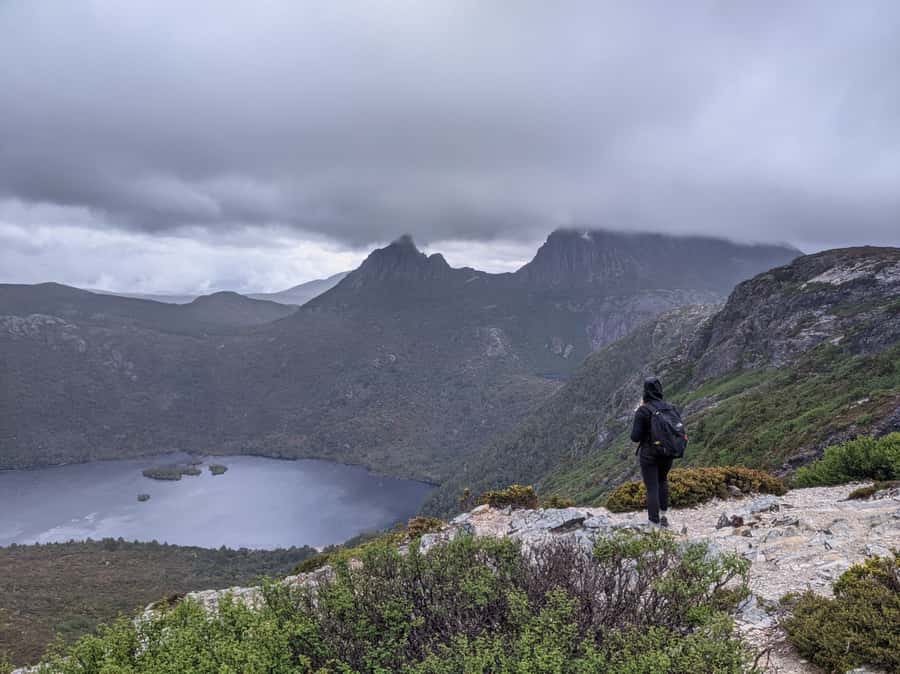
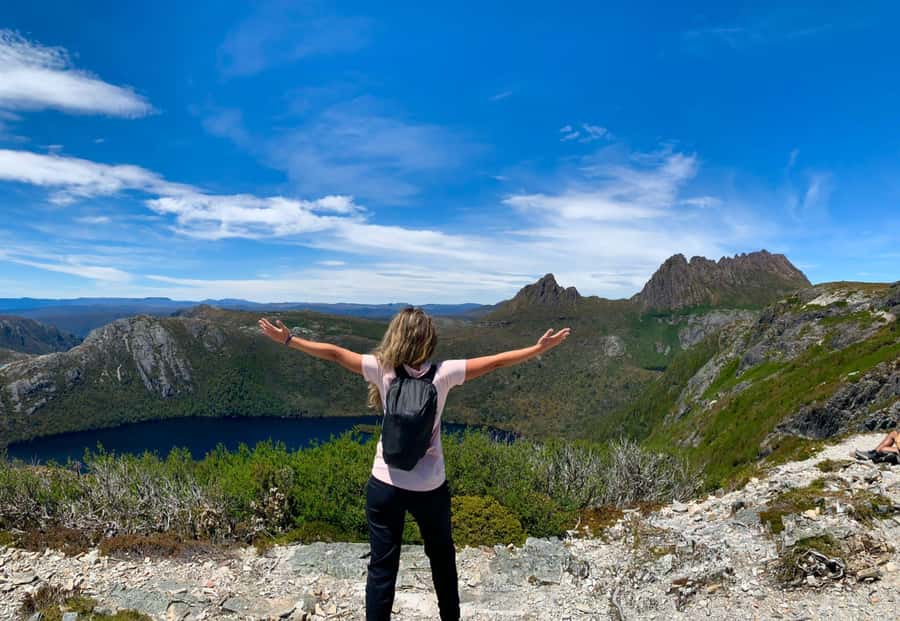
- Cradle Mountain options: from Dove Lake circuit to Marion’s Lookout summit track style walks
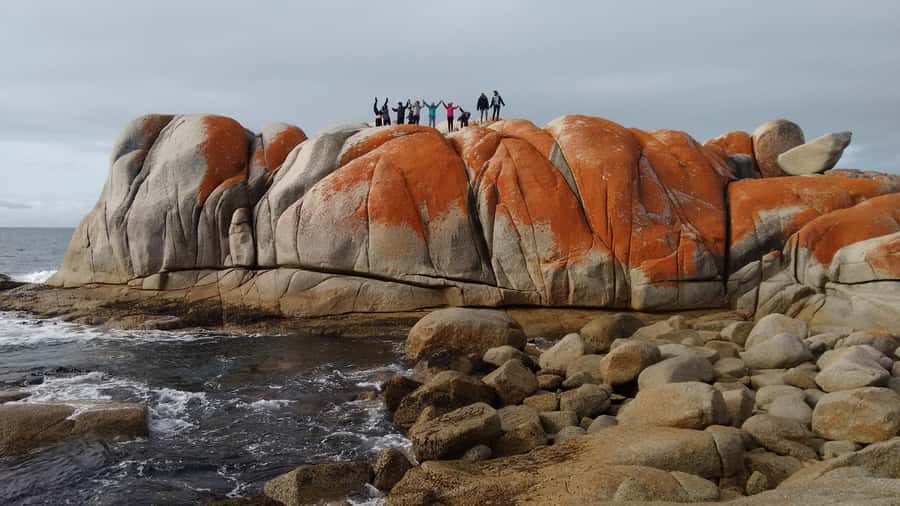
- Bay of Fires white sand + orange boulders: a rare-looking coastline, and a good spot to watch wildlife from the waterline
- Freycinet’s two ways to hike: Wineglass Bay or Mt Amos, plus Cape Tourville lighthouse
- Tasman Peninsula and Port Arthur: dramatic coast scenery paired with Australia’s best-preserved convict settlement
A smart route for first-time Tasmania: Hobart, west, then east
What I like about this tour is the logic of the route. You start in Hobart, drive the island’s west first, then move through the north and east coasts, and finish back in Hobart. That keeps your days feeling like a progression instead of backtracking.
You also get a good mix of Tasmania styles: lush forest and rivers, glacial mountain scenery, beaches that look like someone turned the contrast up, and then the Tasman Peninsula’s rugged coastline with a heavy history layer. It’s the kind of itinerary that helps you understand what makes Tasmania different without needing extra planning days.
The tour is built around short walks and optional choices. That matters because Tasmania weather can change fast, and having flexible hike options keeps the day from turning into a stress test.
A few more Hobart tours and experiences worth a look
Day 1: Mount Field giants, Russell Falls, and the drive to Strahan
Your day begins leaving Hobart and heading into Mount Field National Park. The highlight here is the chance to walk amongst some of the world’s tallest eucalyptus trees. Even if you’ve seen big trees elsewhere, this setting feels special because it’s both massive and lived-in—forest and waterfall country at the same time.
Russell Falls is the easy win. You’ll get a short, walkable stretch with great payoff. An example walk is about 25 minutes return and 1.4 km, with a flat, even surface and no steps or steep sections—exactly the kind of trail that lets you save energy for later days.
From there, the route keeps scenery flowing: Lake St Clair (noted as Australia’s deepest freshwater lake), plus Franklin-Gordon Wild Rivers National Park. Then you move into Queenstown for a taste of Tasmania’s mining history before reaching Strahan for your first two-night stay.
What to watch for: Day 1 is often when you feel the most driving. If you’re prone to motion discomfort, pack what you need before the ride starts, and plan to stretch when you stop for breaks.
Day 2: Ancient rainforest walks, Henty Sand Dunes, and optional Gordon River time
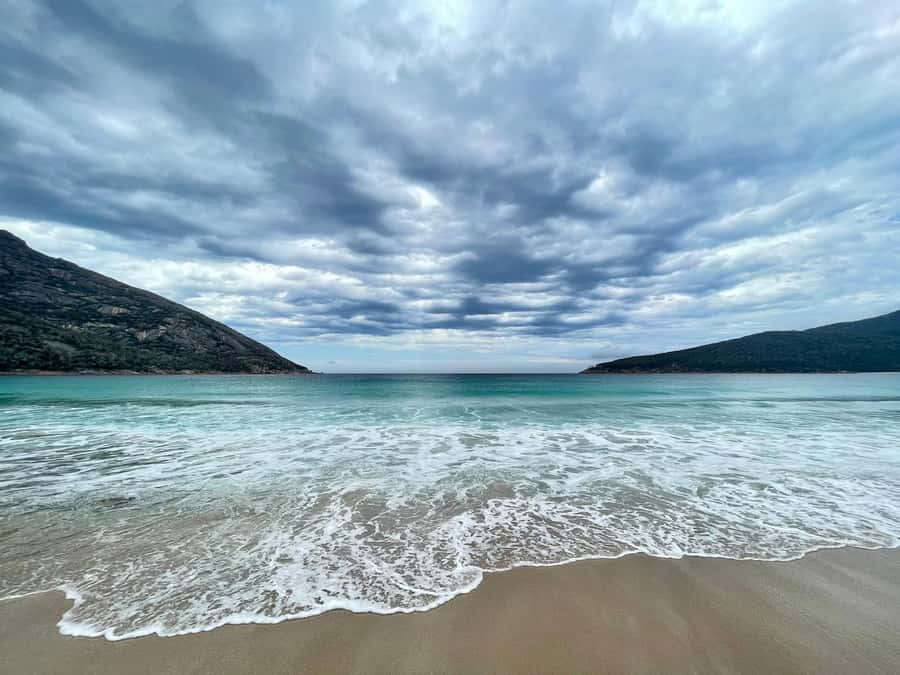
The west coast is where Tasmania gets dramatic. Today focuses on wild coastlines and rainforests, with a guided nature walk through ancient rainforest. This is the sort of stop where the guide’s explanations matter, because rainforest isn’t just pretty—it’s a whole system of plants, moisture, and wildlife adaptations.
Then you shift to sand. Henty Sand Dunes are the big signature, and Ocean Beach adds contrast with Tasmania’s longest stretch of sand. It’s the kind of coastline where wind and ocean spray can make the colors look even stronger. Bring sunglasses and sunscreen; even when it’s cool, glare on sand can surprise you.
There’s also an optional extra: you can choose a nature cruise on the Gordon River (at your own expense). If you’re the type who likes water-based wildlife viewing and you have the budget, it’s a nice way to balance all the land walking.
Potential drawback: This is a long, outdoors-heavy day. If you’re the kind of traveler who prefers sightseeing from a viewpoint and calling it a day, you’ll still enjoy the west—just expect the itinerary to keep you moving.
Day 3: Cradle Mountain’s glacial wonder, wildlife search, and the mural town of Sheffield
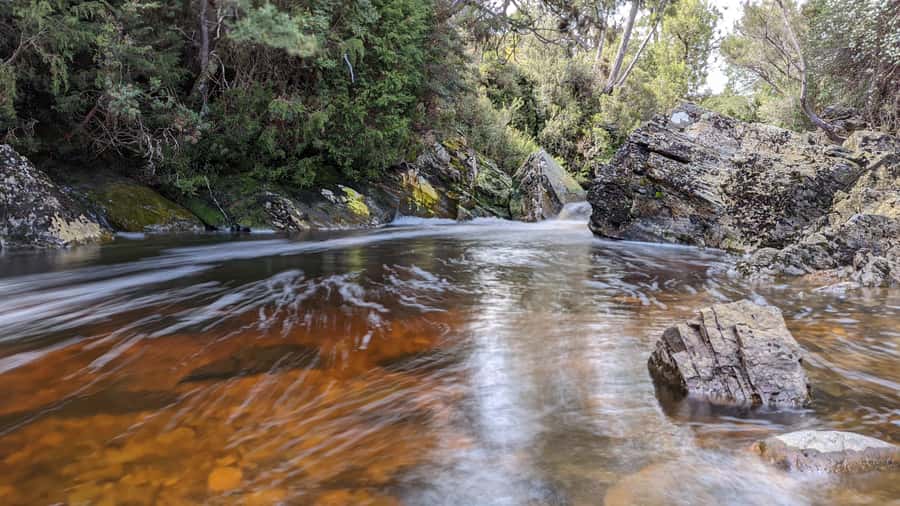
Cradle Mountain National Park is the reason many people plan Tasmania in the first place, and this tour gives you time to actually experience it instead of just passing by.
You’ll be in Cradle Mountain alpine and glacial-carved wilderness, with wildlife spotting baked in. The tour’s built around searching for things like wombats and echidna—small moments, but they’re the ones that make the day feel alive.
You’ll also get to choose your hike. Options can include the track to Marion’s Lookout summit-style walking, or the Dove Lake circuit. The Dove Lake circuit is a moderate 2–3 hour, 6 km option with rough surfaces and many steps, plus short hill sections. That’s the hike you do when you want that proper Cradle Mountain payoff.
After Cradle, you’ll drive to Launceston via Sheffield, known for its murals. It’s a fun reset—colorful street scenes between big nature days.
Good to know: Because hike difficulty varies, you’ll get the best results by picking one main hike and one backup idea. That way you’re not forcing yourself to do too much when your legs start negotiating.
Day 4: Cataract Gorge wallabies, Bay of Fires white sand, and penguins in Bicheno
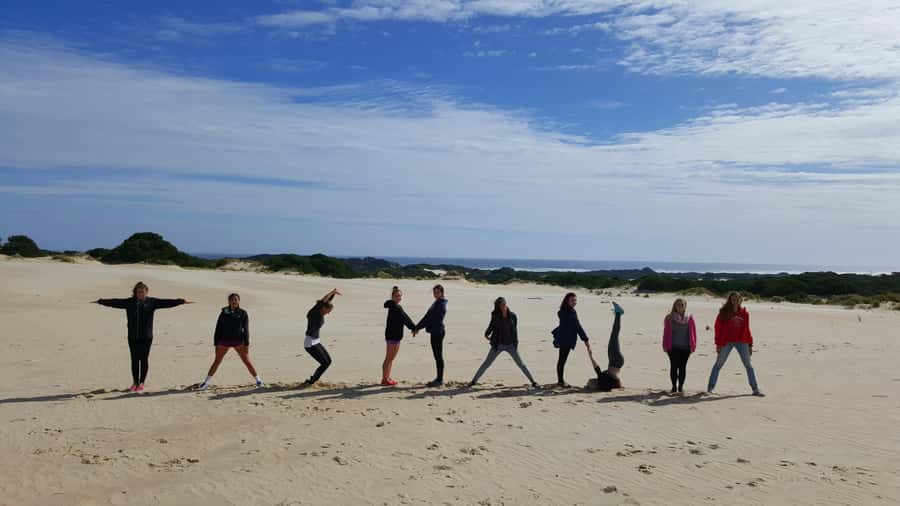
Launceston starts the day with Cataract Gorge. This is a great place for seeing wallaby, and it’s one of those spots where you don’t need a strenuous hike to feel like you’re in the right place. You’re moving, but not grinding.
Next comes the Bay of Fires / larapuna area. This part of Tasmania feels instantly memorable: pristine white sands with turquoise water and striking orange boulders. It’s a coastline you can enjoy at different energy levels—walk it slowly, stop for photos, or just take in how unusual the color combo looks in real life.
You’ll spend the night in Bicheno, which is known for its little penguin presence. That means you get the chance for one of Tasmania’s most charming wildlife experiences—especially if you’re traveling with someone who loves animals as much as hikes.
What to bring for this day: Swimwear and a towel can come in handy because you’re at the beach. Even if you don’t swim, it’s nice to feel ready for the option.




Day 5: Freycinet National Park—Wineglass Bay or Mt Amos, plus Cape Tourville
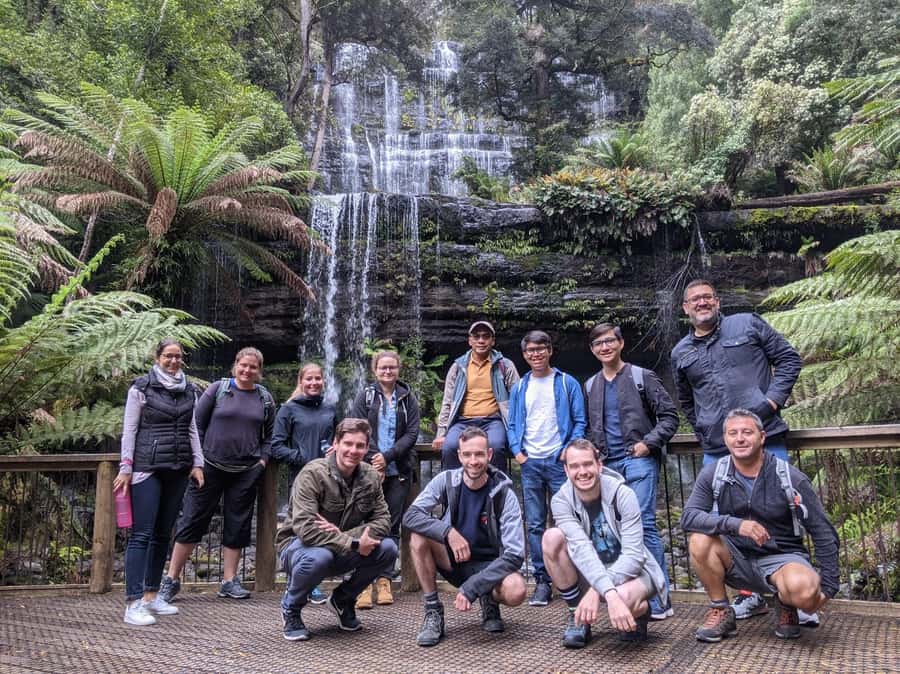
Freycinet National Park is the day you put on your “must-see” list. The big star is Wineglass Bay, and today is designed around giving you a couple of ways to experience it.
You can choose to walk to Wineglass Bay for the famous views, or climb toward Mt Amos for a different kind of payoff. If you want variety without spending your whole day in one direction, this is a smart fork in the itinerary.
After the main hike, you’ll visit Cape Tourville lighthouse. That’s a nice punctuation mark: you get both the view-focused hiking and the coastal structure that helps you appreciate how exposed and important this coastline is.
Then you return to Hobart/nipaluna. This is one of the best parts of the schedule because it lets you sleep in a base city again after a few intense nature days.
Small practical note: After a hike day, plan to keep dinner simple. You’ll appreciate not rushing when you’re back in town.
Day 6: Tasmanian devils at Bonorong, Richmond’s heritage, and Mt Wellington views
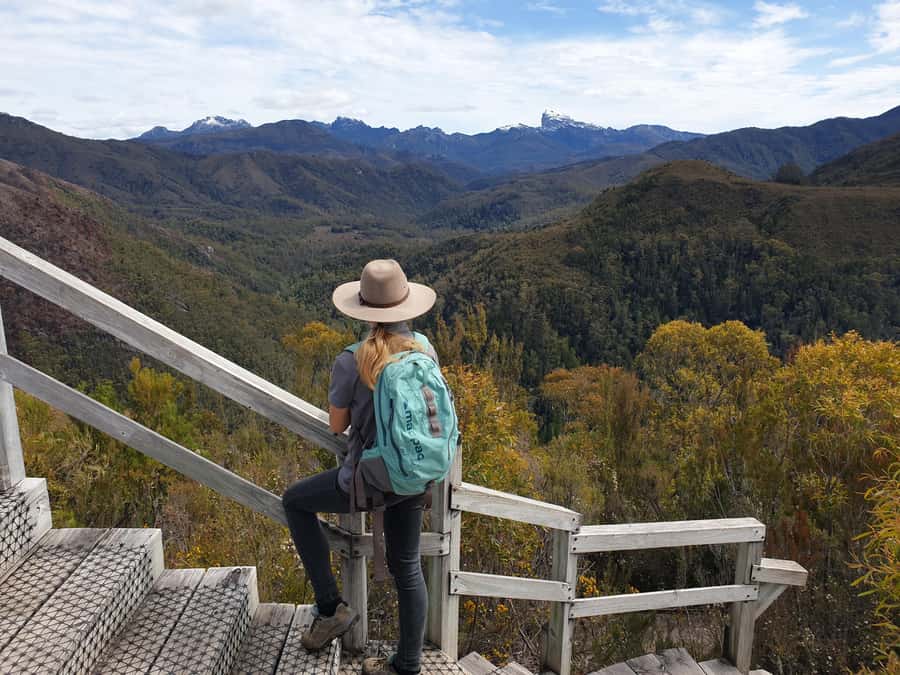
Today mixes wildlife, heritage, and one last big viewpoint day.
First stop: Bonorong Wildlife Sanctuary, where you’ll meet Tasmanian devils. This is included, which matters because it’s one of those experiences that’s often an add-on on other tours. It also fits the tour’s theme well: Tasmania’s nature is famous, and devils are one of the island’s most iconic animals.
Then you head to Richmond Village, known for heritage vibes. It’s a change from wilderness walking—more human-scale, easy to wander, and a good contrast day when your legs have been working.
Back in Hobart, you’ll also head to Mount Wellington / kunanyi. That viewpoint stop is a classic way to get your bearings again and understand the city’s position relative to the surrounding hills.
Tonight, you can unwind in one of Hobart’s historic pubs or restaurants—no set performance required, just an invitation to slow down.
Consideration: This day can feel like three different trips in one. If you’re tired, pick one item to linger on and let the rest be quick wins.
Day 7: Port Arthur and the Tasman Peninsula’s convict coast
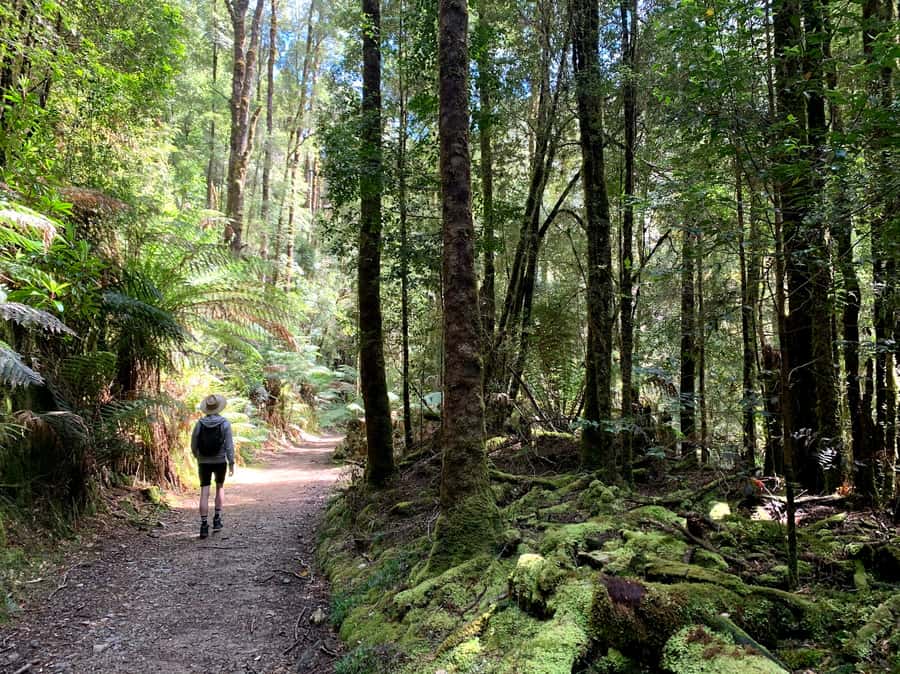
Your final day takes you to the Tasman Peninsula / turrakana, famous for rugged coastal scenery and convict history. It’s a heavy subject, but Port Arthur is also one of the most powerfully preserved sites in Australia, and the tour gives it the attention it deserves.
You’ll visit Port Arthur Historic Site, and you’ll also include a harbor cruise. That adds time on the water, which helps break up the walking and gives you angles you can’t get on foot.
Later, you’ll walk to Crescent Bay, which is one of those dramatic coastal stretches that feels like a reward for getting through the history-focused portions. It’s a reminder that Tasmania’s story isn’t just about buildings—it’s also about the harsh and beautiful setting.
Then you return to Hobart.
What I like about the finish: The tour ends with a strong mix of meaning (Port Arthur) and scenery (Crescent Bay). It’s a memorable way to wrap up a week that’s been mostly nature plus a few history anchors.
Packing and hiking reality: short walks every day, easy-moderate choices
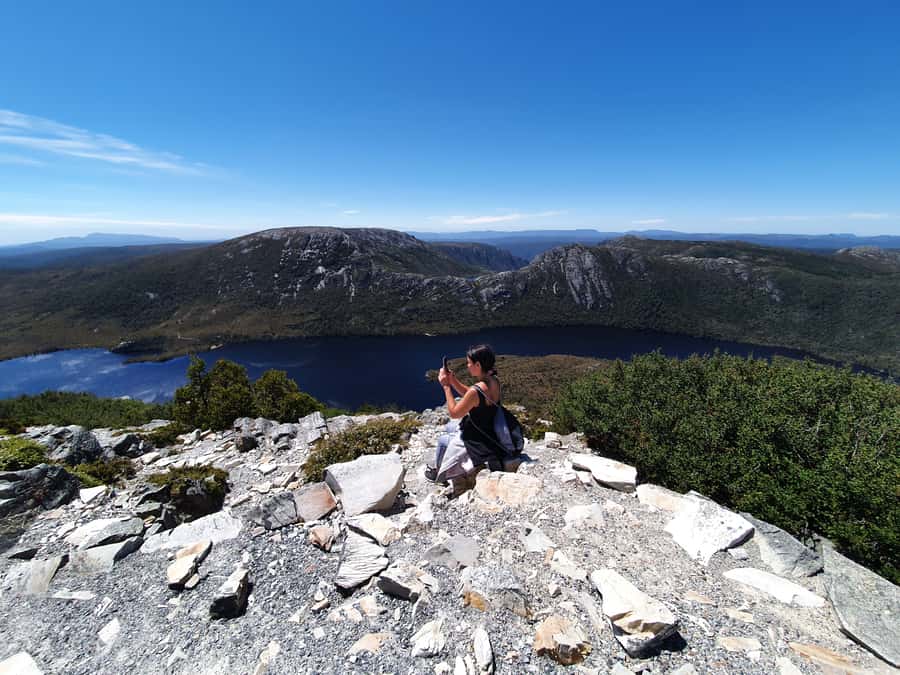
This tour is active, but it isn’t built like a suffer-fest. Short walks happen daily, and most are classified as easy to moderate with optional choices.
A clear example of easy: Russell Falls is about 25 minutes return and 1.4 km, flat and without steep parts. That’s a good primer for the week.
A clear example of moderate: the Dove Lake circuit is 2–3 hours, 6 km, with rough surfaces and lots of steps. If Cradle Mountain is on your list, you should take the moderate hike seriously enough to wear the right shoes.
So pack like you mean it:
- Warm clothing (even in sunny moments, Tasmania can chill)
- Hiking shoes
- Sun hat, sunglasses, sunscreen
- Jacket and long pants
- A daypack
- Swimwear and a towel for the beach days
Also note the luggage rule: you can bring up to 20 kg, and it’s stored in a trailer on travel days. That means you’ll want your day essentials in your daypack so you’re not rummaging for basics every time you stop.
Accommodation style: motel comfort vs hostel energy
You’ll stay for 6 nights in motel or hostel accommodation, with guided movement between stops. The split is simple: motels give private rooms with ensuite facilities, while hostels use same-gender dorm rooms (plus some private room options).
If you prefer privacy and easy mornings, motels are usually the safer bet. If you’re traveling solo or want to meet people, dorm-style hostel nights can be fun, but do expect a different vibe.
One practical heads-up: Hobart hostel nights can be noisy depending on the specific place and room layout. If quiet sleep matters, I’d choose motel accommodation when available.
Group size note: This is a small group tour, so you usually get a more personal feel than big coach tours. That can matter on hike days when you want quick answers from the guide without a big crowd to push through.
Transportation, timing, and the guide-factor that makes it work
Transportation is included, with pickup and drop-off from centrally located Hobart city hotels and hostels. If you’re staying outside the pickup area, or at an Airbnb/private residence, pickup may not be available from your exact address, but you can be directed to a closest option.
Days typically run from around 7:30 am and finish by about 5 pm or earlier, which leaves your evenings fairly open. That’s not nothing—after hiking, you want time to eat, shower, and reset.
The vehicle can feel tight if you’re tall. If you’re 6 ft plus, bring patience and consider wearing comfortable layers so you’re not stuck adjusting in an uncomfortable seat for hours.
The biggest difference-maker, though, is the guide. In the trips I looked at, guides like Keygan (for the first part), Brendon, Hayden, Phil, and Lynna were repeatedly praised for being engaging and for balancing organization with a relaxed vibe. That matters because when weather shifts or a hike option changes, your guide’s judgment keeps the day enjoyable rather than chaotic.
Price and value: is $973 a fair deal for a 7-day Tasmania hit?
At $973 per person for 7 days, this isn’t a budget-only tour, but it also isn’t just a long bus ride. What you’re paying for is the combination of:
- Transportation across the island corridor from Hobart through west and east
- 6 nights of lodging
- Guided commentary and guided walks (so you’re not wandering coldly through highlights)
- National park entry fees
- Included attractions like Bonorong Wildlife Sanctuary and Port Arthur Historic Site
- A Port Arthur harbor cruise
- Hobart pickup and drop-off from central locations
When you add up park entries and major sites, the inclusion list is the kind that can turn a scary total into something more reasonable. The biggest optional extra is the Gordon River cruise, which is not included.
If you like guided hikes, you can see a lot in a week without renting a car or doing the logistics shuffle yourself. If you hate structured walking, you might feel like you’re paying for activity you won’t use—so choose this based on your hiking mood.
Who this tour is best for (and who should skip it)
This tour fits best if you want a guided, efficient week that covers the island’s major highlights:
- Nature lovers who want wildlife time (wombats, echidna, wallaby, little penguins, and Tasmanian devils)
- Hikers who like choosing between easy and moderate trail options
- First-time Tasmania visitors who don’t want to drive the whole island
- People who enjoy learning as they walk, not just taking photos and moving on
It’s not a great match if:
- You have back problems or mobility impairments
- You’re traveling with kids under 8
- You strongly prefer flat, minimal-walking days
Should you book this Tasmania 7-day west-to-east tour?
I’d book it if you want a balanced week: big-name scenery, real hiking choices, and included entry fees that reduce planning stress. The combination of Cradle Mountain, Wineglass Bay, and Port Arthur is hard to replicate with the same ease on your own without extra driving days.
I would think twice if you’re sensitive to walking every day, or if you know your body prefers long sit-down sightseeing breaks between short walks. For the right fitness level, though, this itinerary is a strong value way to experience Tasmania from west to east.
If you book, do one thing before you go: decide which hikes you’ll treat as your main effort day (often Cradle Mountain and/or a Freycinet hike), and keep the rest as flexible choices. That’s how the week stays fun instead of exhausting.
FAQ
What’s included in the tour price?
Transportation, 6 nights of motel or hostel accommodation, guided commentary, national park entry fees, guided walks (plus non-guided walking options), entry to Bonorong Wildlife Sanctuary, Port Arthur Historic Site entry and a harbor cruise, and pickup/drop-off from centrally located Hobart city locations.
Are meals included?
No. Food and drinks are not included.
Is the Gordon River cruise included?
No. The Gordon River cruise is optional and is at your own expense.
How difficult are the walks?
Most walks are classified as easy to moderate, and they’re optional. Some examples include a short easy Russell Falls walk, and a moderate Dove Lake circuit at Cradle Mountain with rough surfaces and many steps.
What kind of accommodation will I stay in?
You can choose motel or hostel options. Motels have private rooms with ensuite facilities. Hostels have same-gender dorm rooms, or private twin/double/single rooms, with shared same-gender bathrooms.
How does luggage work on travel days?
You can bring up to 20 kg of luggage, stored in a trailer on travel days. You’ll want your daily essentials in a daypack.