REVIEW · PORT LINCOLN
Experience Coffin Bay Short and Sweet Oyster Farm Tour
Book on Viator →Operated by Experience Coffin Bay · Bookable on Viator
A short oyster tour can still feel like a real education. This one mixes a calm small-group cruise with hands-on oyster-farming context, from local waterways to the way Coffin Bay Pacific oysters are grown. I love that it’s led by a farmer who can explain the whole process without turning it into a lecture.
The best part is the food: you get 6 fresh Coffin Bay Pacific oysters, shucked for you as you go. I also like the added angle around local restoration work, including Native Angasi oyster reef restoration happening in the region.
One possible drawback: it’s weather-dependent, and you’ll want good conditions for the boat portion and the outdoor stops. If the day turns grey, the tour may shift to a different date.
In This Review
- Key things to know before you go
- From Coffin Bay Yacht Club Jetty to the farms: how the tour flows
- Kellidie Bay Conservation Park: where the story starts on the water
- Oyster farming basics, explained by a farmer-guide
- Nursery oyster farms and the original fixed-rail setup
- Optional boat time to see fattening and growing areas
- Eating moment: 6 fresh Coffin Bay Pacific oysters and how to enjoy them
- Price and value: is $64.55 worth it?
- Who this tour fits best (and who should skip it)
- Practical tips before you book
- Should you book the Coffin Bay Short and Sweet Oyster Farm Tour?
- FAQ
- How long is the Coffin Bay oyster farm tour?
- How many oysters are included?
- What’s the group size limit?
- Where do I meet the tour?
- Are alcohol and beer included?
- Is there a boat cruise during the tour?
- Is the tour dependent on weather?
Key things to know before you go
- Max 10 people keeps the pace relaxed and the Q&A actually useful
- 6 fresh Coffin Bay Pacific oysters included and prepared during the experience
- Farmer-guide storytelling ties oyster farming to the local water and seasons
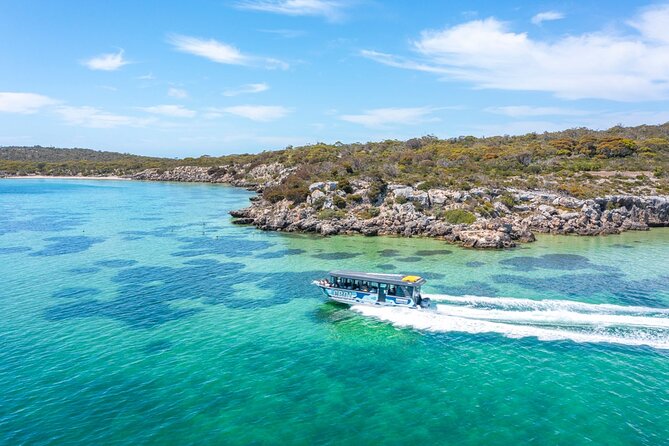
- Cruise Coffin Bay’s waterways so you see the farms in context, not just from shore
- Alcohol and beer cost extra if you want a glass with your oysters
- Good weather matters for the boat and outdoor viewing stops
From Coffin Bay Yacht Club Jetty to the farms: how the tour flows
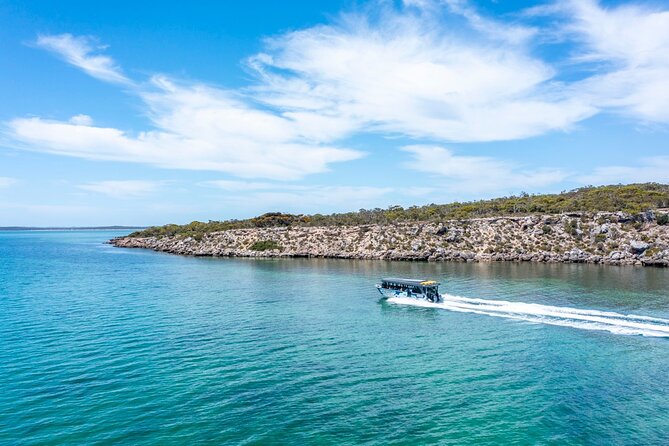
You’ll start at the Coffin Bay Yacht Club Jetty (the same area you can think of as the boat-ramp hub for the trip). The timing is tight in a good way: plan on about 1 hour 30 minutes total, give or take a little depending on how the water and tides behave.
This is also a “small group” experience in the literal sense: up to 10 people. That matters because oyster farming is detailed. When you’re in a group that size, you can ask practical questions like how growing works in different parts of the water, what can go wrong, and what it takes to keep quality consistent.
The vibe is friendly and unhurried. You’re not hustled from place to place. Instead, you’re taken through the logic of the system—nursery to grow-out, and then to the place where oysters end up ready to eat. If you like learning while relaxing, this style fits.
And yes, you’ll be eating oysters along the way, not after a long delay or in a separate, rushed meal slot.
A few more Port Lincoln tours and experiences worth a look

Kellidie Bay Conservation Park: where the story starts on the water

The main outdoor stop puts you in the water-adjacent world of Kellidie Bay Conservation Park. From there, you get a clear view of oyster farms around the township area—plus you learn how farming fits into the local ecosystem.
What I like here is that you’re not just looking at hardware or cages. You’re getting the “why” behind farming choices: how the waterways support oyster growth, what the farmer considers when working with the environment, and how the local community sees oyster farming as part of the coast.
This is also where the cruise-around piece makes sense. You see Coffin Bay from the water, not through car-window views. You’ll get a look at the township waterway and how the farms relate to the town.
A standout topic during the stop is the Native Angasi oyster reef restoration program in Coffin Bay and other parts of Southern Australia. Even if you only catch a few key ideas, it helps you understand that oyster farming and reef restoration aren’t separate worlds. They’re connected by the health of the water and the way oysters rebuild habitat.
Oyster farming basics, explained by a farmer-guide
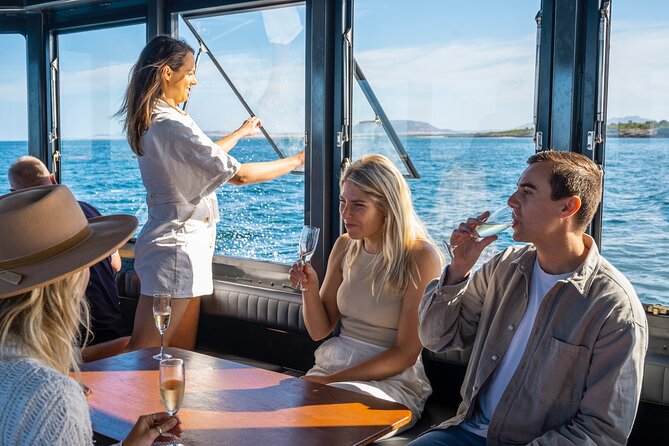
The tour works because the guide is a working oyster farmer. That changes everything. You get answers that sound like real life, not tourism gloss.
You’ll hear how oyster life cycles translate into day-to-day farming decisions: when oysters move, what “growing areas” mean in practice, and why timing matters for flavor and texture. The guide also answers questions in a straightforward, sensible way—no complicated jargon unless you ask for it.
In recent outings, the operation has been described as guided by farmer-types such as Chris or Scott, with an assistant like Linda preparing oysters. Even if you don’t meet those exact names, the point is consistent: you’re talking with someone who understands the job from behind the scenes, not just from the deck of a boat.
If you’re the type who likes to understand how things work—how something goes from water to plate—this is an excellent format. You’ll leave with a clearer mental map of the process, not just a list of facts.
Nursery oyster farms and the original fixed-rail setup
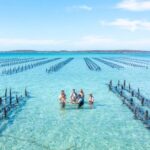
After you get the big-picture view around Kellidie Bay, you move into the practical details of how oysters are grown. The tour includes stops at nursery oyster farms, where you can see how young oysters are raised before they’re ready for later stages.
Then comes the original oyster farm area, described as having its original fixed rails. That’s a great detail because it anchors the story in something physical and still in use. It’s one thing to hear about “traditional methods.” It’s another to see the setup that still forms part of the farming landscape.
A fixed-rail system also helps you understand the workflow. It suggests a set routine: where oysters are held, how they’re accessed, and how the farmer manages the water environment around them. Even if the method isn’t new to the farmer, it’s a concrete way for you to grasp how stable infrastructure and water conditions work together.
If you’re a hands-on learner, these viewing moments are the payoff after the history-and-ecosystem discussion. You start linking the farmer’s talk to what you’re actually seeing.
Optional boat time to see fattening and growing areas
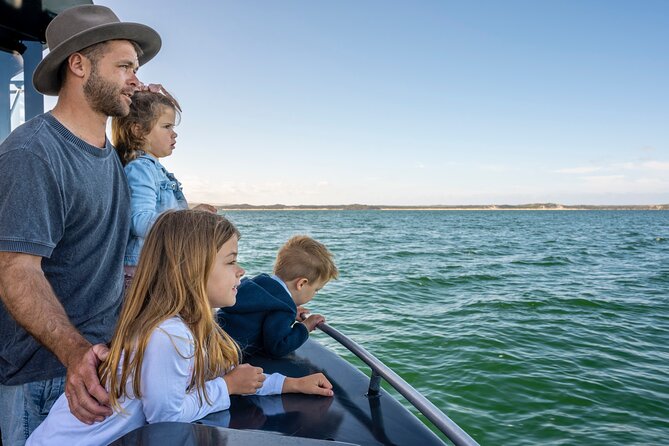
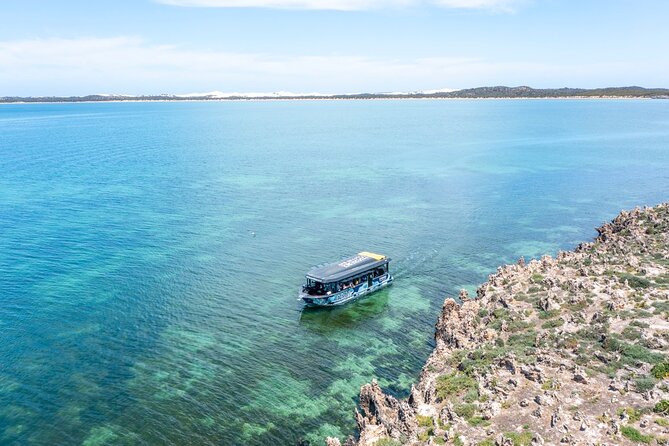
One nice feature is the option to explore additional farming areas by boat. The tour notes that you can look at fattening/growing areas by boat if you like—so you get the chance to see where oysters are in a later stage, not only where they start.
This part is especially useful if you’re trying to understand the geography of the operation. From shore, it’s easy to think all “oyster farms” are the same. From a water-level perspective, you can spot differences in location and function.
Just remember the earlier point: good weather matters. If conditions are rough, you won’t get the same smooth cruise feel. The experience is still designed to run as a true tour, but the water portion depends on conditions being workable.
If you’re visiting during shoulder season and the forecast looks iffy, this is one of those tours where you should be flexible with timing.



Eating moment: 6 fresh Coffin Bay Pacific oysters and how to enjoy them
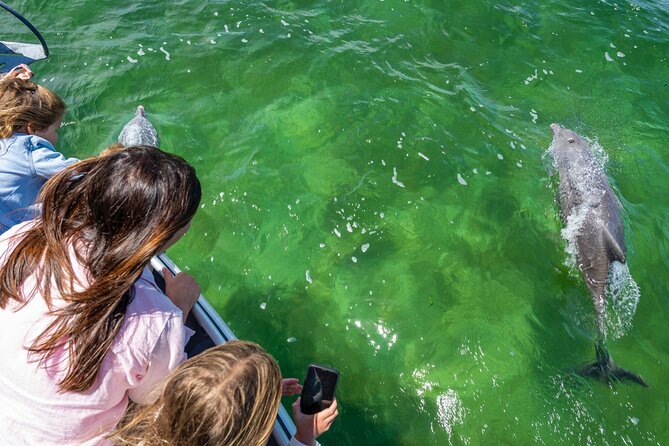
The included snack is simple and effective: 6 freshly shucked Coffin Bay Pacific oysters. That’s a real value for anyone who’s tired of paying for “tour snacks” that are more show than food.
The tour also lines up the eating with the farming story. You’re not sitting in a vehicle afterward thinking, I should have learned more. Instead, you’re tasting what you just learned about—right while the guide is talking about growth and water conditions.
That makes the oysters more than a snack. It becomes the proof. You can notice how fresh oysters taste compared with mass-distributed options back home. You can also pick up on how the guide frames texture and quality—then connect it to what you’re tasting in front of you.
Local wine and beer are available for purchase if you want a pairing. I’d treat that as optional, not mandatory. The tour is built around the oysters being front and center.
A practical tip: pace yourself. Oysters are best when you’re not racing through them. With only 90-ish minutes total, it’s easy to rush if you’re hungry. Take your time and let the shucked oysters arrive one by one in a relaxed rhythm.
Price and value: is $64.55 worth it?

At $64.55 per person, this tour isn’t the cheapest activity in the region. But it’s also not overpriced when you break down what you’re getting.
You’re paying for three things that usually cost separately:
1) a guided experience with real farm insight
2) a boat-and-water viewing component
3) 6 fresh, shucked oysters included
Many tours in coastal areas give you a single “taste” item and call it a day. Here, you’re getting a full included oyster serving, and you’re learning how oysters get to that point. That combo makes the value feel sharper, especially if you’re interested in food that’s local and farm-linked.
Also, the small group size (up to 10) helps justify the price. It’s not a huge crowd with watered-down answers. You’re more likely to get your questions answered, which can turn a good tour into a memorable one.
Bottom line: if you want oysters plus context plus a short, low-stress format, this is strong value. If you only want food with no interest in farming details, you might find better deals elsewhere.
Who this tour fits best (and who should skip it)
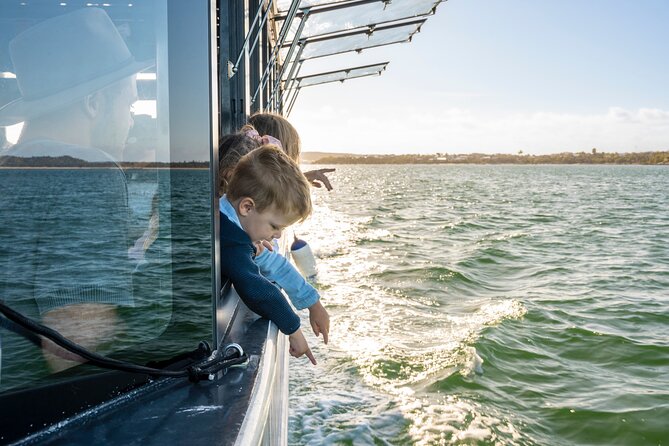
This is ideal if you:
- like learning from a real producer, not just a storyteller
- want a relaxed, short tour rather than a full-day schedule
- enjoy food experiences where you can connect what you eat to where it comes from
- would rather be in a max-10 group than a large bus crowd
It may not be the best match if you:
- want a long, deep technical lesson with lots of time on farms
- dislike outdoor viewing and boat time, especially if weather looks unstable
- are mainly hunting for a budget-friendly activity with no interest in the oysters being the centerpiece
For families, the format usually works well because it’s short and food-forward. For couples, it also hits a nice sweet spot: calm water scenery, a farmer-guide narrative, and a tasting that feels like a local tradition.
Practical tips before you book
A few things will help you get the most out of the experience:
- Bring a light layer. Even when conditions look mild, boat time can feel cooler.
- Wear shoes you don’t mind getting a bit damp. The area is coastal and water access is part of the experience.
- If you’re a photo person, plan for water-view angles during the cruise-around Coffin Bay township waterway segment.
- Decide in advance if you want alcohol. Beer and wine are available to purchase, but they’re not included.
If you’re traveling during uncertain weather, also keep flexibility. The tour requires good weather, and if it’s canceled due to poor conditions, you’ll be offered a different date or a full refund.
Should you book the Coffin Bay Short and Sweet Oyster Farm Tour?
I’d book it if you want a compact oyster experience that actually explains itself. The fact that you get 6 fresh shucked Coffin Bay Pacific oysters plus a farmer-guide’s take on farming, restoration like the Native Angasi oyster reef work, and the visuals of nursery and original fixed-rail operations makes this more than a quick snack stop.
I’d hesitate only if you hate boats or you’re visiting when weather is likely to be rough. Since the experience depends on good conditions, you’ll want a day that’s cooperative.
If your goal is to taste Coffin Bay and understand why oysters here are treated as something special, this tour earns its reputation for being short, smooth, and genuinely informative.
FAQ
How long is the Coffin Bay oyster farm tour?
It runs for about 1 hour 30 minutes (approx.).
How many oysters are included?
You’re included with 6 fresh Coffin Bay Pacific oysters, freshly shucked.
What’s the group size limit?
The tour has a maximum of 10 travelers.
Where do I meet the tour?
You start at the Coffin Bay Yacht Club Jetty (in the Coffin Bay area).
Are alcohol and beer included?
No. Alcoholic local beer and wine are available to purchase for an additional cost.
Is there a boat cruise during the tour?
Yes. You cruise around the Coffin Bay township waterway, and you can also explore fattening/growing areas by boat if you’d like.
Is the tour dependent on weather?
Yes. The experience requires good weather, and if it’s canceled due to poor weather you’ll be offered a different date or a full refund.