REVIEW · FREMANTLE
Fremantle: Convicts, Culture, and Street Art
Book on GetYourGuide →Operated by Two Feet & a Heartbeat · Bookable on GetYourGuide
Fremantle’s past shows up in unexpected places. This 2-hour walking tour connects convict-era drama, whaling leftovers, and street-art corners to the real streets you’ll walk today.
I love how the route mixes facts with human stories, and how guides can steer the tour toward what you care about. You’ll also feel the payoff because you’ll point at landmarks as you go—especially the Whaler’s tunnel and the Roundhouse—rather than just collecting dates.
One possible drawback: it’s still a walking tour. April to August can bring cold rain in Perth’s orbit, so plan for the weather and wear comfortable shoes.
In This Review
- Key highlights worth your time
- Fremantle’s Convict + Street Art Story in Just Two Hours
- Starting at Kings Square: The Best Way to Get Oriented Fast
- The Fremantle Port Area: Where Maritime Hard Work Starts the Drama
- Whaler’s Tunnel and Harbour Landmarks: Spot the History You’d Otherwise Miss
- High Street and the Roundhouse: Convict Life Explained Without the Heavy Lectures
- West End Lanes, Markets, and Street Art: Culture After the Chains
- What the Best Guides Do: Questions, Humor, and Practical Next Steps
- Is $46 Good Value for a 2-Hour Walk?
- Practical Tips Before You Go (So the Weather Doesn’t Win)
- Who This Tour Suits Best in Your Trip
- Should You Book Fremantle: Convicts, Culture, and Street Art?
- FAQ
- Where does the tour start?
- How long is the Fremantle Convicts, Culture, and Street Art tour?
- What’s included in the price?
- Is hotel pick-up included?
- Do I need to bring water?
- Is the tour wheelchair accessible?
- When should I prepare for colder weather?
Key highlights worth your time
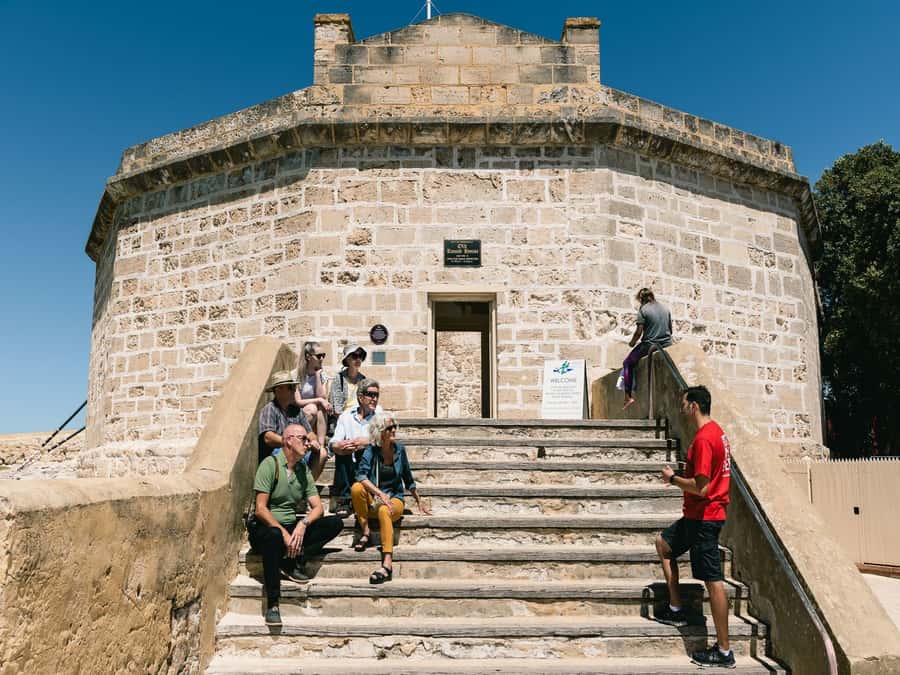
- Real convict-era sites like the Roundhouse and High Street, explained in plain language
- Maritime landmarks including the Whaler’s tunnel and the Fremantle Port area
- Street art and culture folded into the story, not treated like a separate stop
- Local guide flexibility, with some hosts adjusting to your interests as you walk
- Small-group feel in practice, which helps with questions and pacing
- Wheelchair accessible, so you’re not locked out if mobility needs are part of your plan
Fremantle’s Convict + Street Art Story in Just Two Hours
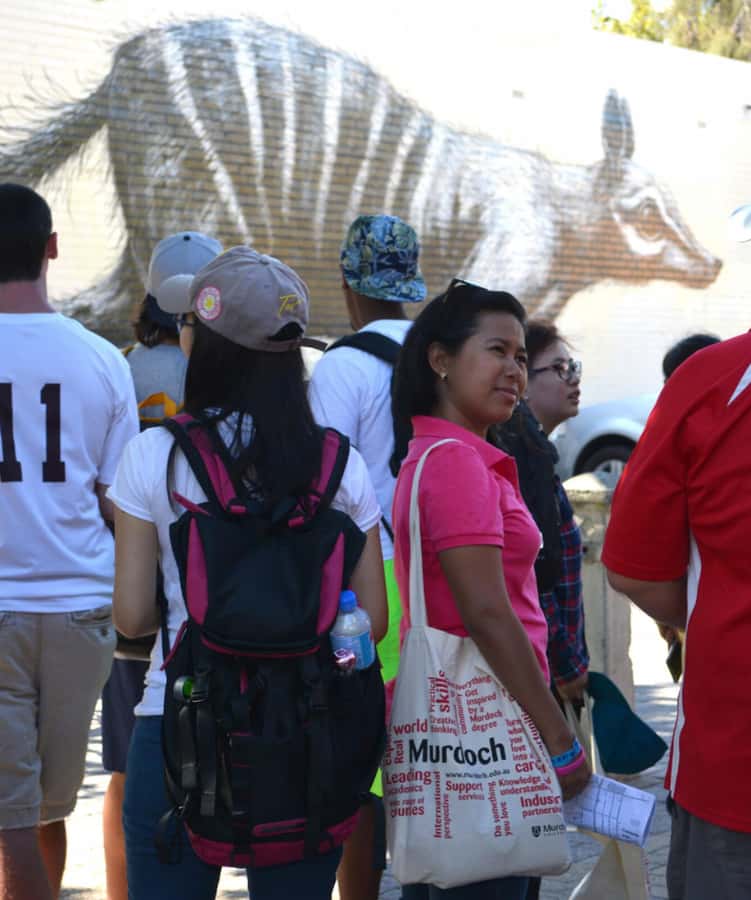
Fremantle has a talent for turning history into something you can actually see. This tour is built for that. You’ll walk a tight loop and get the “why” behind the places—convict transport, maritime work, and waves of migrants—all tied to street corners, not museum labels.
The timing matters. At two hours, you’re not trying to cover everything in Freo. Instead, you get a focused guided version of the town: how hard labor, escape stories, and social mixing shaped Western Australia. You leave with names to look up, and a sense for why Fremantle’s streets feel the way they do.
A few more Fremantle tours and experiences worth a look
Starting at Kings Square: The Best Way to Get Oriented Fast
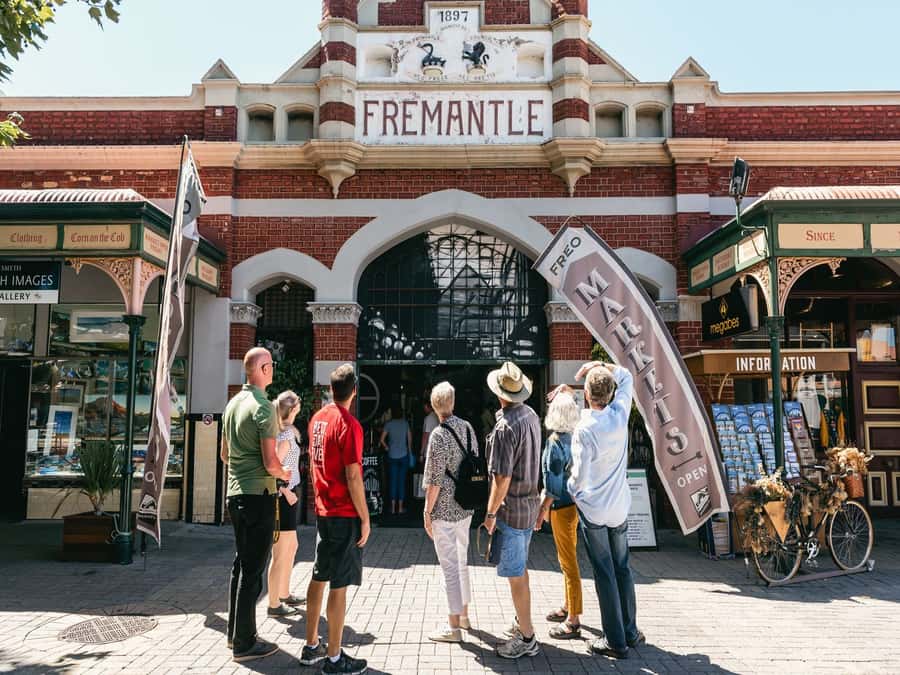
You meet at the Fremantle Visitors Centre in Kings Square (Kings Square Fremantle WA 6160). That’s a smart starting point because it’s central, and it puts you in the right mindset: this is a walk about the town, not a lesson delivered from one spot.
The host is the engine of the tour. Several guides have strong personalities and a practical teaching style, and you’ll notice quickly whether you’re the type who wants details or the type who wants the bigger story first. For example, some hosts like Winona have been described as asking what people want to learn, then adjusting the pacing and emphasis.
Also, this tour isn’t framed as a boring “read-your-way-through-the-past” experience. You’re headed onto the cappuccino strip, then moving outward toward harbour sights and narrow streets. It feels like exploring with someone who knows where the stories are hiding.
The Fremantle Port Area: Where Maritime Hard Work Starts the Drama
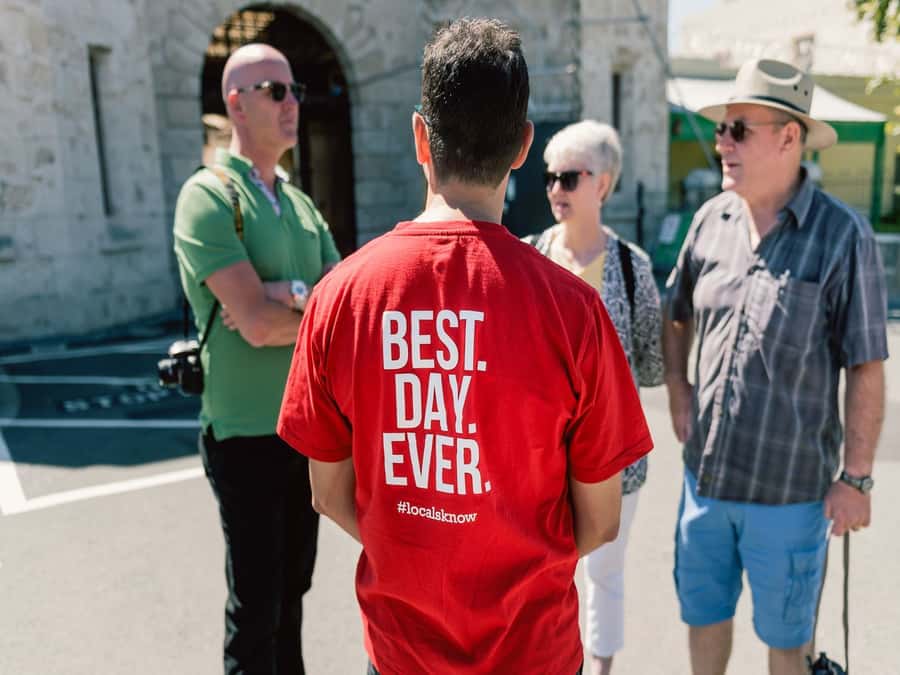
The tour’s core theme is Fremantle’s maritime past. That makes the Fremantle Port area your first big “aha” moment. You’re going to hear why this harbour mattered—not as a postcard background, but as a working gateway for ships, sailors, whaling activity, and the churn of people arriving and leaving.
This is where the tour turns from scenery to stakes. You’ll hear hair-raising stories tied to prisoner escapes and convict antics, and you’ll also learn how Freo became a port connected to mass transportation from Great Britain and Ireland.
One thing I like about this setup is that it helps you understand the town’s reputation for tough characters. It’s not just that people suffered here; it’s that those pressures shaped community life. Once you get that, the later street art and modern culture make more sense.
Whaler’s Tunnel and Harbour Landmarks: Spot the History You’d Otherwise Miss
The Whaler’s tunnel is one of those Fremantle features that many people walk past without knowing what to do with it. In this tour, it becomes a storytelling anchor. You’ll see it within the wider whaling and maritime context—how the industry worked, who depended on it, and why the town developed as it did.
The tour also points you toward the harbour-side feel: boat-harbour atmosphere, nearby landmarks, and the sense that the town was built around movement. That matters, because Fremantle’s history wasn’t static. People came, people worked, people escaped, people were punished, and then—over time—people made new lives.
If you’re curious about how Freo went from whaling stations and immigration hub to a town you’d happily spend an afternoon in, this is where the “turn” starts to click. You’re not just learning that something happened. You’re learning what kind of place it created.
High Street and the Roundhouse: Convict Life Explained Without the Heavy Lectures
Next up, you’ll move through streets tied to Fremantle’s convict era, including High Street and the Roundhouse. Even if you don’t count yourself as a “prison history” person, this part works because it connects punishment to infrastructure—where people were held, how the system functioned, and how it shaped the region.
You’ll hear about the scale of transportation: nearly 10,000 men were transported from Great Britain and Ireland, and you’ll learn why they built their own prison and helped shape the future of Western Australia. That’s the kind of fact that changes your view of “early settlement.” It wasn’t just colonists arriving with dreams; it included coerced labor and a harsh institutional footprint.
The Roundhouse also helps with a practical benefit. When you later walk around on your own, you’ll have a mental map of what matters. That makes Fremantle easier to explore like a local neighborhood rather than a set of disconnected sights.






West End Lanes, Markets, and Street Art: Culture After the Chains
After the heavy themes, the tour moves into the parts of Fremantle that feel like everyday life—narrow West End streets, markets, and the places locals use as social glue. You’ll see street art alongside the historic narrative, and that combination is the point.
Street art here isn’t just decoration. It’s part of how the town expresses identity after the layers of colonization, migration, and changing industries. The tour weaves those themes together, so you understand why multicultural influences show up in the streets you’re walking.
I also appreciate that the tour treats modern Freo as an outcome, not an interruption. Once you learn the earlier story—whaling, mass immigration, and the expulsion of Indigenous peoples—you can better read the present-day character. The streets stop looking random.
If you’re the kind of person who wants photos, you’ll find plenty of angles. If you’re the kind of person who wants context, the guide helps you see which details matter.
What the Best Guides Do: Questions, Humor, and Practical Next Steps
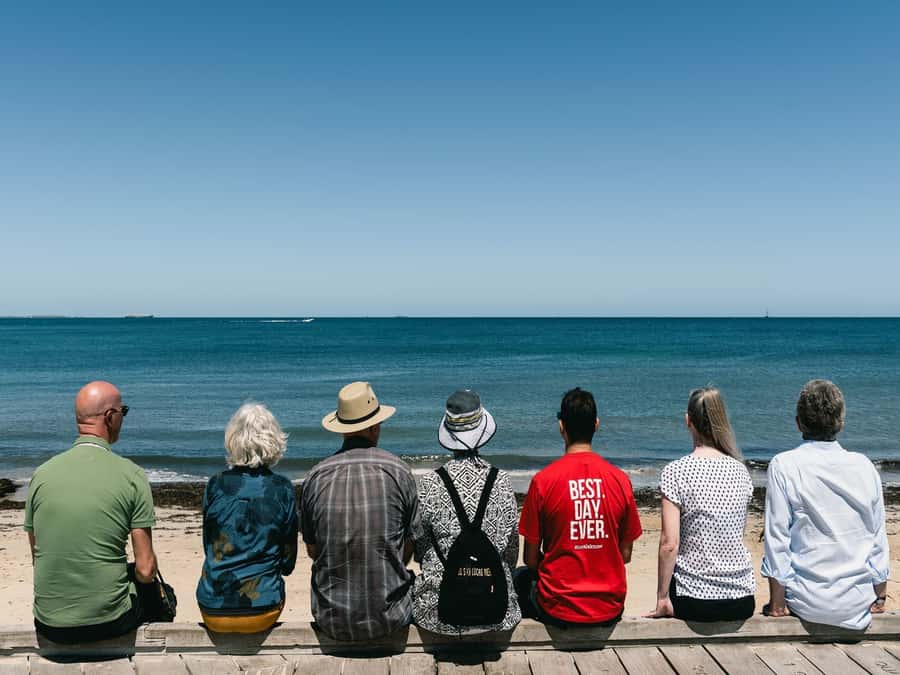
A tour lives or dies by the host. This one has a professional local host, and the guiding style shows up in how people describe the experience: relaxed pacing, strong answers, and a host who doesn’t just recite.
Some guides you could meet—based on past experiences—include Winona, Vaughan, Daniel, and Joanie. Across those different personalities, the common thread is that you’re encouraged to ask questions, and the guide often adjusts the story flow as you go. That’s especially helpful if you’re traveling with people who want different things: one person may care about convict details, while another is there for street art and cultural history.
There’s also a “you’ll keep using this after the tour” factor. One guide style includes pointing you to other worthwhile stops for the next day—museums and related sites that fit what you just learned. Even if you only remember two of those suggestions, it can turn a good walk into a better overall Freo visit.
Is $46 Good Value for a 2-Hour Walk?
At $46 per person for a two-hour guided walking tour, value comes down to what you get beyond the route. You’re paying for two things: local storytelling and a curated walk that hits key landmarks—Whaler’s tunnel, High Street, the Roundhouse, and the port area—without you needing to piece it together yourself.
If you’ve ever tried to self-tour Freo using only signage, you know how much context you’re missing. Here, you’re getting a guided interpretation in the time it would take you to wander randomly. That matters most in a town with layered stories, because the details are easier to connect when someone walks you through them in a logical order.
The tour also includes local tips. That can be as practical as what to do next, where to spend more time, or which sights deserve a closer look.
One small note for your comfort: bottled water isn’t included, so bring a bottle if you like to sip during walks. And because it’s a walking tour, plan for stamina rather than expecting a sit-down format.
Practical Tips Before You Go (So the Weather Doesn’t Win)
Wear comfortable shoes. You’ll cover plenty of ground across harbour zones, narrow streets, and the central shopping-and-café area. If you’re visiting during April to August, expect cold weather and rain, so dress accordingly and don’t rely on “it’ll clear up.”
You’ll also do better if you arrive a little early at Kings Square to settle in before you start. The tour start is at the Fremantle Visitors Centre, so if you’re coming from elsewhere in Freo, give yourself enough time to find it.
One more helpful habit: contact the local partner about your trip 24 hours prior to departure to confirm the schedule. It’s one of those small steps that protects your plans when weather or timing gets tricky.
Who This Tour Suits Best in Your Trip
This tour fits best if you like history that has a pulse. It’s a good match if you’re curious about convict-era Western Australia, want maritime context, and also care about how Freo’s present culture connects to its past.
It’s especially good for:
- Couples or small groups who want a shared story while walking
- Visitors who want a guided route that hits multiple landmarks in just two hours
- People who enjoy street art and want it explained as part of the larger cultural timeline
If you’re expecting a slow, museum-style experience where you linger for long periods inside buildings, this may feel tight. But if you want “walk, learn, see, and move,” it’s a strong choice.
Should You Book Fremantle: Convicts, Culture, and Street Art?
I think you should book this tour if you want Fremantle to make sense fast. The mix of convict stories, maritime landmarks like the Whaler’s tunnel, and street art framed by migration history is a rare combination, and it keeps the walk from turning into a single-topic lecture.
Skip it only if you strongly prefer either pure art wandering or pure convict history with no street-life component. Otherwise, the value is in the way the guide ties it all together and helps you connect what you see with what it means.
If you can handle weather and a solid walk, this is an excellent “first proper Freo” experience. You’ll leave with a sharper sense of place—and with enough local guidance to keep exploring afterward.
FAQ
Where does the tour start?
It starts at the Fremantle Visitors Centre in Kings Square, Fremantle WA 6160.
How long is the Fremantle Convicts, Culture, and Street Art tour?
The tour runs for 2 hours.
What’s included in the price?
You get a 2-hour guided walking tour with a professional local host, local history and fun stories, and local tips.
Is hotel pick-up included?
Hotel pick-up and drop-off is not included. Group bookings can request it.
Do I need to bring water?
Bottled water is not included, so you may want to bring your own.
Is the tour wheelchair accessible?
Yes, it is wheelchair accessible.
When should I prepare for colder weather?
During April to August, you may expect cold weather and rain, so dress for the conditions and check the weather report the day before.