REVIEW · DARWIN
Darwin: Pathfinder Original Jumping Crocodile Cruise
Book on Viator →Operated by The Original Adelaide River Queen Jumping Crocodile Cruises · Bookable on Viator
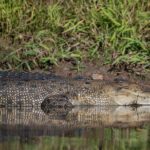
Prehistoric jaws, right above the river. I love how the Adelaide River Queen cruise puts you close to saltwater crocodiles while your skipper calls out what the animals are doing—feeding, swimming, and resting. I also like the vibe: it feels like a real river day, just run with serious care, and guides such as Steve are praised for keeping the experience both funny and clear.
One thing to consider is that this is an open-air ride for about 1 hour, and any boat trip can be tough if you get motion sick. If you’re prone to feeling queasy, plan for it before you go and bring your usual remedy.
In This Review
- Key Things I’d Book This For
- Adelaide River Croc Cruising, The “Jumping” Way: What You’re Really Getting
- Getting There From Darwin: 60 Minutes, Three Departures, One Meeting Point
- The One-Hour Itinerary: The Original Adelaide River Queen Cruise Stop
- Watching Crocodiles Safely: How the Thrill Stays Managed
- The Guide Makes or Breaks It: Ask Questions, Get Context
- Photo and Viewing Tips for Croc Cruise Success
- Price and Value: Does $48.77 Add Up?
- Weather and Croc Cooperation: What Can Affect Your Hour
- Who Should Book This Cruise (and Who Might Think Twice)
- Should You Book? My Decision Shortcut
Key Things I’d Book This For
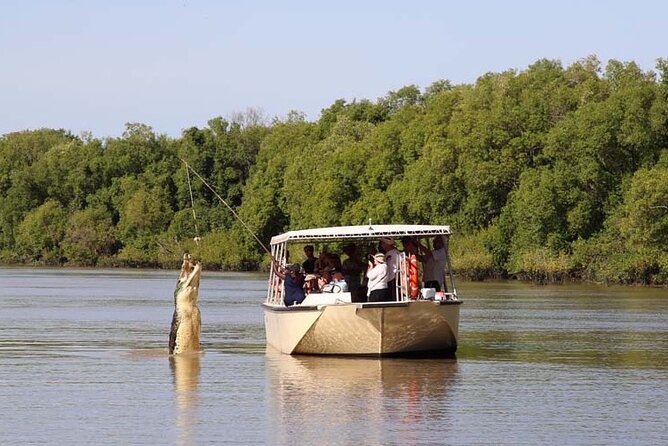
- Up-close crocodile viewing from the Adelaide River Queen with that thrilling, just-feet-away feeling while staying controlled
- Small-group feel with a max of 38 people, so you’re not lost in the crowd
- Skipper-led answering time: you can ask your burning crocodile questions right on the water
- Real river behavior: you’re watching crocs in the wild, not staged performances
- Guide energy: names like Steve come up for clear, fun commentary that helps you understand what you’re seeing
Adelaide River Croc Cruising, The “Jumping” Way: What You’re Really Getting
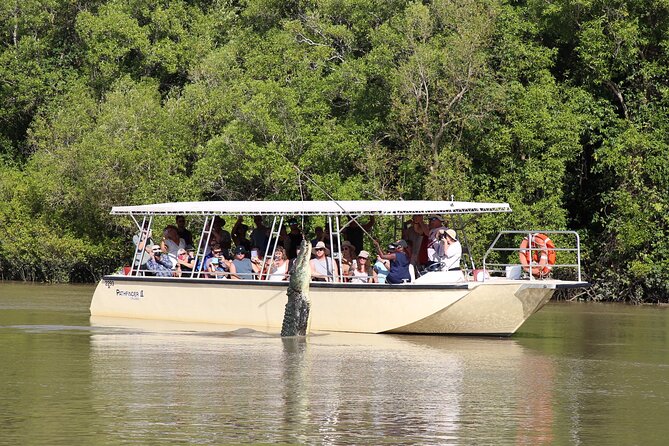
This cruise is built around one simple goal: seeing saltwater crocodiles in their natural environment, on the Adelaide River near Darwin. It’s short (about 1 hour), and that’s part of the value. You get a focused window to spot crocs, learn the basics fast, and still have time left in your day for Darwin.
The word “jumping” is part of the marketing, and you’ll feel the adrenaline when the crocs come close and open-mouth action gets right into your field of view. But the deeper payoff is that you learn to read the river. Once you understand where crocs hang out (shorelines, still pockets of water, and areas that line up with feeding activity), the sightings start to make sense.
Price-wise, $48.77 per person is very reasonable for a Darwin-area wildlife activity—especially with a limited group size (max 38) and a guided experience designed to keep you safe while staying close to the action. Just remember what’s not included: food and drink. You’ll want to plan a snack or water on your own so you’re not stuck hungry after a morning or afternoon start.
You can also read our reviews of more boat tours in Darwin
Getting There From Darwin: 60 Minutes, Three Departures, One Meeting Point
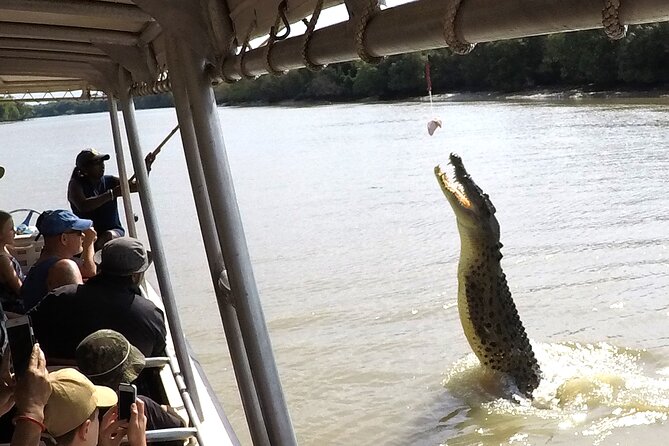
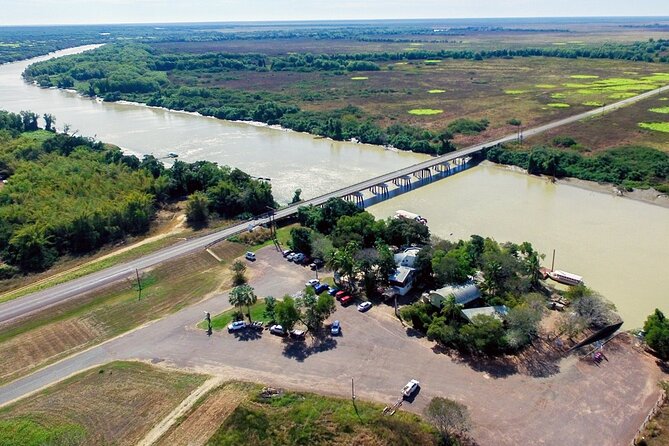
The Adelaide River is just a 60-minute drive from Darwin City, so this doesn’t feel like a half-day project. You’ll start at 3220A Arnhem Hwy, Wak Wak NT 0822 (the Wak Wak area). The tour ends back at the same meeting point.
Departure options are a practical plus. You can choose from three morning or afternoon departure times, which helps if you’re also doing other Darwin sights. If you’re trying to line up with cooler temperatures or better light for photos, having multiple departure slots means you have more control.
Two small realities to keep in mind:
- You’re going to be waiting on the river schedule, not a museum schedule. If conditions are off, the day can shift.
- The cruise is weather-dependent. This matters in the Top End, where the sky can change fast. The operation requires good weather for the experience to run.
If you like your tours organized and low-stress, you’ll probably appreciate the straightforward meeting point and the short time commitment. If you want a long scenic day with multiple stops, this one is more concentrated.
The One-Hour Itinerary: The Original Adelaide River Queen Cruise Stop
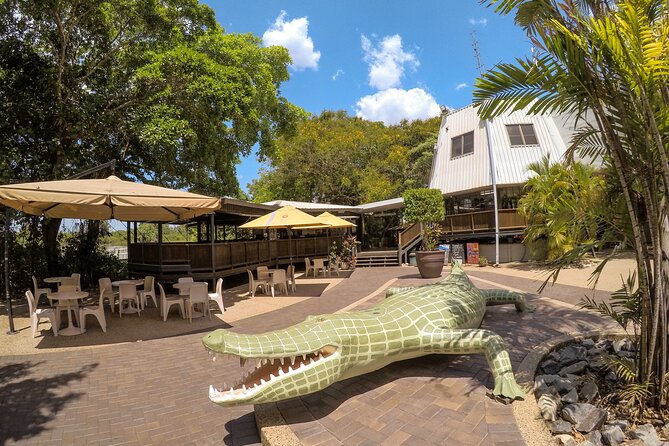
There’s one main stop: the Original Adelaide River Queen Jumping Crocodile Cruises on the Adelaide River. Once you’re on board, you’re mostly in “watch-and-learn” mode. The skipper drives along sections of river where crocodiles are known to appear, then positions the boat so you can observe safely from the water.
What makes this stop special is that you’re not just trying to spot crocs at random. You’re watching behavior. In a short hour, you’ll typically see a mix of:
- Feeding activity (when the timing lines up)
- Crocs swimming through the water
- Crocs resting near the shore
And yes, when the animals get close, it can feel intense. The marketing language about feeling “tremble” isn’t just hype. From close range, the jaws and body movement are hard to forget. The important part is that the boat setup and the crew’s methods keep things controlled.
The biggest drawback to plan for is that crocs aren’t robots. Sometimes the timing isn’t perfect. On a good run, you’ll still see plenty. If the conditions aren’t right and crocs aren’t in the mood to perform, the experience still leans heavily on guide interpretation so you understand what you’re seeing, even when action slows down.
Watching Crocodiles Safely: How the Thrill Stays Managed
This cruise makes a clear promise: it’s in the wild and untamed, while still being run with complete safety. That’s a balance most people want. You want close contact and real behavior, without acting like you’re in a documentary stunt.
So what should you expect in practice?
- You’ll be close enough to feel the scale and power.
- You’ll watch the crocs from a boat where the skipper can control positioning.
- You’ll get real-time guidance on what’s happening and why the skipper is making certain moves.
The strong safety theme shows up again and again in feedback: people call out that the encounter is up close but handled professionally. Guides are also praised for being clear and calm, which matters because crocodile viewing works best when you know what to look for and when to stay still.
Practical tip: treat the boat like a wildlife viewing platform, not a selfie stage. Keep your posture steady and let the skipper set the tempo. If you go in trying to grab shots from chaotic angles, you’ll miss the best moments anyway.
Also, this isn’t a “touch-and-go” experience. There’s no mention of hands-on interaction, and nothing here suggests that. The value is in observation, explanation, and that intense visual closeness.
The Guide Makes or Breaks It: Ask Questions, Get Context
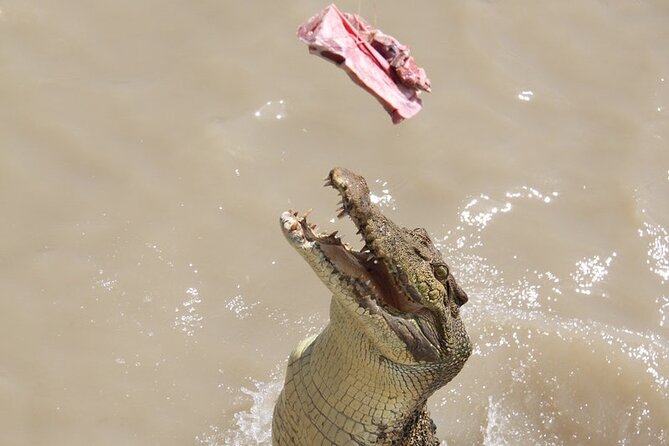
On wildlife tours, the guide is the translator. Here, the guide role is a major reason the rating is so high. People highlight professional, friendly guidance and lots of good photo opportunities, but the real win is interpretation: you don’t just see crocs, you understand them.
This is where names like Steve come up in reviews. You’ll want to be ready to ask questions. The experience explicitly encourages you to ask your crocodile questions while you’re on the water. That turns the cruise from a drive-by sighting into a short lesson that sticks.
What good commentary changes for you:
- You learn why crocs are where they are along the river.
- You get tips on how to watch behavior instead of chasing movement.
- You understand what the skipper is looking for when the boat repositions.
There’s also a humor factor noted in feedback. When you’re staring at animals that look prehistoric and alien, a guide who can keep things upbeat makes the ride feel easier. You’ll be less tense. You’ll notice more.
If you’re into photography, this guide element can be the difference between random images and a real set of usable shots. The guidance helps you anticipate where the crocs will appear next.
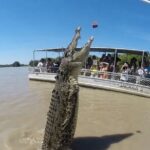
Photo and Viewing Tips for Croc Cruise Success
You don’t need special gear to get good photos, but a little planning helps. Since the cruise is open-air, you’ll likely be using handheld shots or a phone with a camera app, and you’ll want to stabilize your grip.
Here’s what to do before the “crocs are close” moment:
- Dress for a river day: bring a light layer and something for sun and wind.
- Keep your camera ready during repositioning, not only when the boat stops.
- Let the skipper’s stops dictate your shots. The best viewing angles come when the boat is placed well.
Reviews repeatedly call out photo opportunities, and that tracks with how these cruises are run: the boat positioning is timed to let you see the crocs’ body and jaw movement clearly. When crocs aren’t cooperative, the guide still works to keep sightings moving, which is where having a competent crew matters. Your attention stays focused instead of drifting.
If you’re shooting video, remember that river movement can shake footage. Short clips tend to work better than continuous recording. Also, don’t forget to look up from the screen. You’ll see things with your eyes first, then capture the proof after.
Price and Value: Does $48.77 Add Up?
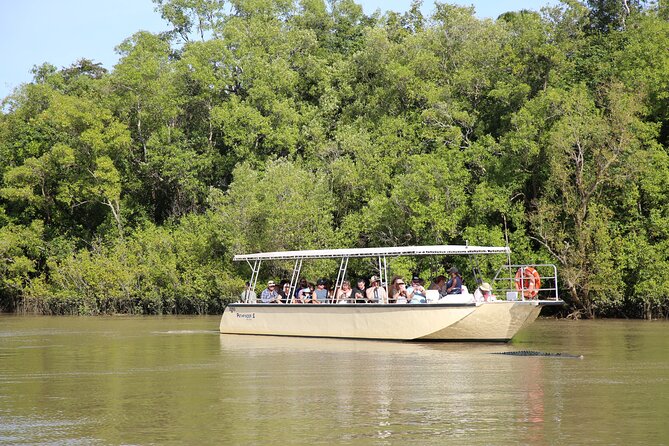
At $48.77 per person, this cruise sits in the “easy decision” category for Darwin wildlife activities. Here’s why the value works, beyond just the number:
- It’s short, about 1 hour, which keeps costs down and helps fit into a trip schedule.
- You get guided interpretation, not just a boat ride.
- You’re watching wild saltwater crocodiles in a recognized crocodile-rich river system.
- The experience is kept to a relatively small group size (max 38), which helps you actually see.
One more value note: the included item is a boarding pass. That tells you where the money goes. You’re paying for the vessel, the skipper, the guide-led safety and commentary, and the chance to view crocs in their environment.
What you should budget for outside the ticket:
- Food and drink aren’t included, so bring water or plan a pre-cruise snack.
- Photos depend on your device, but no paid extras are mentioned.
If you want a long multi-stop tour, this may feel too brief. If you want a strong wildlife hit without spending the entire day, this is priced and timed like it understands how people actually travel.
Weather and Croc Cooperation: What Can Affect Your Hour
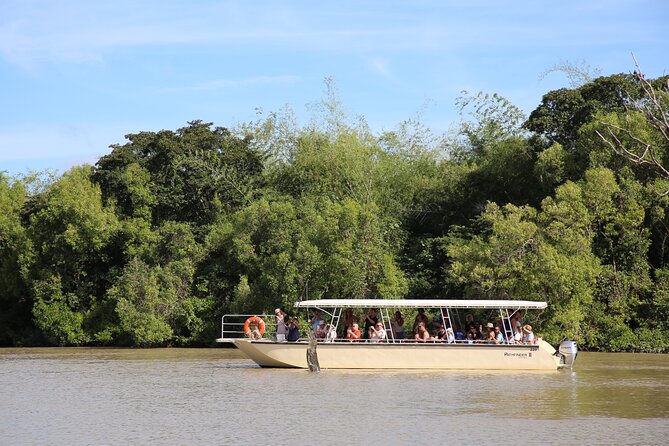
This experience requires good weather, which is a big deal in Darwin’s climate. If it’s canceled due to weather, you’ll be offered another date or a full refund. That protects you from wasting time on a bad day.
On the “croc behavior” side, remember this is still the wild. Crocodiles might be resting, partially hidden, or less active when you arrive. One feedback highlight is that the guide helps when crocs aren’t cooperative, keeping the experience engaging even if action slows.
Also watch for timing factors like river conditions. One review mentions the skipper handling the ride in a rising tide. While you don’t need to know tide charts to enjoy the cruise, it’s useful context: the skipper’s choices matter, and they respond to conditions.
Bottom line: you’re buying an experience with high odds of sightings and great viewing angles, but you’re not buying control over animal behavior. That unpredictability is also part of why this feels real.
Who Should Book This Cruise (and Who Might Think Twice)
This is a strong fit if you:
- Want saltwater crocodiles in the wild without a long drive or all-day commitment
- Like guided learning and asking questions
- Prefer small-group tours with less crowding pressure
- Enjoy photography or just want a memorable, close-up wildlife moment
It also works for people who want a relaxed setting. Feedback describes a “personal” feel and a relaxed river day, not a frantic chase.
Who might think twice:
- If you’re very motion-sick or anxious on boats, consider that the ride is open-air and about 1 hour. You might still enjoy it, but plan for comfort first.
- If you have mobility needs, the operator notes limited accessibility for individuals with disabilities, and you should reach out for details. Don’t assume it will work for every setup.
If your travel style is “one great thing, done well,” this cruise matches that. If you’re seeking a full day of multiple stops, you’ll probably want to pair it with other Darwin activities.
Should You Book? My Decision Shortcut
Yes, I’d book this if you want a short, guided Adelaide River crocodile experience with a strong safety focus and a real chance to see plenty of crocs up close. The guide quality and the emphasis on explanation are what make it worth it, not just the sightings.
I’d hesitate only if boat motion would likely ruin your day or if accessibility is a question mark for you—then ask the operator first so you’re not guessing.
If you’re planning Darwin for wildlife, this is one of the simplest ways to get a powerful crocodile encounter without turning your schedule into a puzzle.