REVIEW · ALICE SPRINGS
3 Day Red Centre Kata Tjuta Kings Canyon Outback ex.Alice Springs
Book on Viator →Operated by Autopia Tours · Bookable on Viator
Three days. Big Red Centre moments. This guided outback loop strings together Uluru, Kata Tjuta, and Kings Canyon with early starts, real bush walks, and night skies that feel different out here.
Two things I really like: you get the full “Outback day” rhythm (sunrise hikes plus sunset time), and the tour is genuinely all-inclusive for meals, drinking water support, and bedding. One thing to consider: this is not a sit-on-a-bus tour—those walks are around 6–8km and you’ll need moderate to advanced fitness.
In This Review
- Quick take: what you’ll remember
- Getting out of Alice Springs at 6:00 am (and why it matters)
- Mount Connor, the False Uluru stop: quick views that break the drive
- Uluru-Kata Tjuta sunrise at pre-dawn hour: the payoff is timing
- Kata Tjuta walking and the feel of real outback distances
- Camp nights at Uluru and Kings Canyon: swag under stars or a safari tent bed
- Watching sunsets and the campfire rhythm at night
- Kings Canyon Rim Walk and those 100-meter cliffs
- The value of the $570.93 price: more than just transportation
- Guides make the difference: Ben, Lea, Donk, Jem, Ash, Jenn, and Josie
- Group size, vibe, and what to expect from the social side
- Fitness and heat: the only real drawback to plan around
- Packing list shortcuts that fit this specific trip
- Where the tour ends: Alice Springs or Ayers Rock/Yulara
- Should you book this 3-Day Red Centre outback tour?
- FAQ
- What is the duration of this tour?
- What time does pickup start in Alice Springs?
- Where does the tour start and what’s the meeting point?
- Where does the tour end?
- What accommodation options are included?
- Are meals included?
- How much walking is involved?
- Can I hire a sleeping bag, and how much does it cost?
- FAQ
- What is the cancellation refund timeline?
- Is drinking water provided on the trip?
Quick take: what you’ll remember
Early sunrise timing at Uluru-Kata Tjuta National Park
Kings Canyon’s Rim Walk with dramatic 100-meter cliffs
Camp setup: swag under the stars or a safari tent bed
All-inclusive support for meals, water, and bedding
Smallish group size (max 23) with shared camp duties
Getting out of Alice Springs at 6:00 am (and why it matters)
This tour starts early, with pickup at 6:00 am from the Alice Springs Hotel on Leichhardt Terrace. That sounds like a lot of time to be leaving, but it’s the only way you’ll hit the park at the right light for sunrise and keep moving between sites without rushing every photo.
Also, early starts set expectations. Your day will feel structured: walk, drive, viewpoint time, meal time, then sleep. If you like a clear plan (and you don’t mind waking up), you’ll do great here.
A few more Alice Springs tours and experiences worth a look
Mount Connor, the False Uluru stop: quick views that break the drive
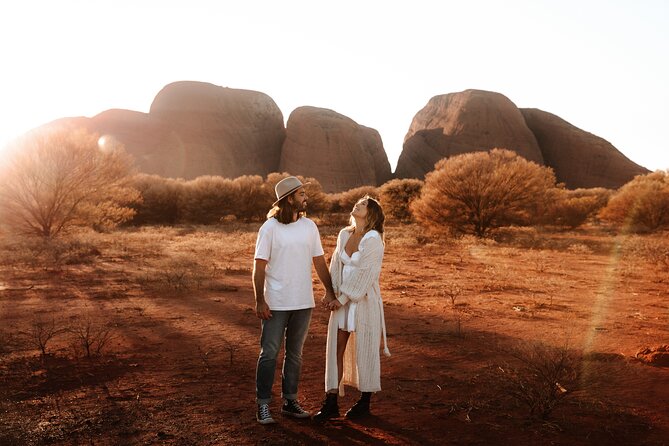
On Day 1, the route heads toward Uluru and makes a brief scenic stop at Mount Connor, often called False Uluru. You’re not spending hours here, but it’s a nice reset point: stretch your legs, grab a view, and get your brain into Red Centre mode before the main sights.
Practical note: because it’s early and you’ll be in remote country, move fast in the mornings. If you want photos, have your phone and camera charged and ready before you step out.
Uluru-Kata Tjuta sunrise at pre-dawn hour: the payoff is timing
Day 2 is the one sunrise people remember. You get a pre-dawn wake-up, then head into Uluru-Kata Tjuta National Park before sunrise. The goal is simple: be there when the light flips the whole place from dark to glowing.
Here’s what I think makes this valuable for your trip: sunrise moments are one of the few times the Red Centre feels calm. Later in the day it’s still beautiful, but sunrise is when you get the most dramatic change in the sky and the rock tones. It also sets the pace of the day—after that, everything feels easier.
Kata Tjuta walking and the feel of real outback distances
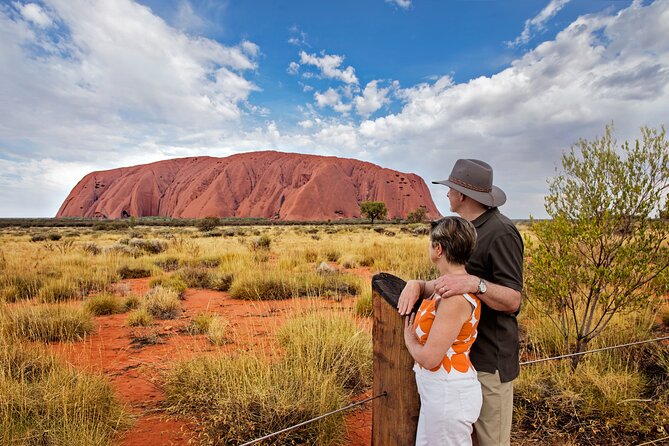
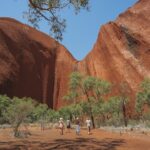
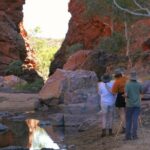
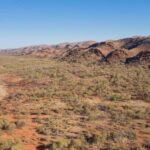
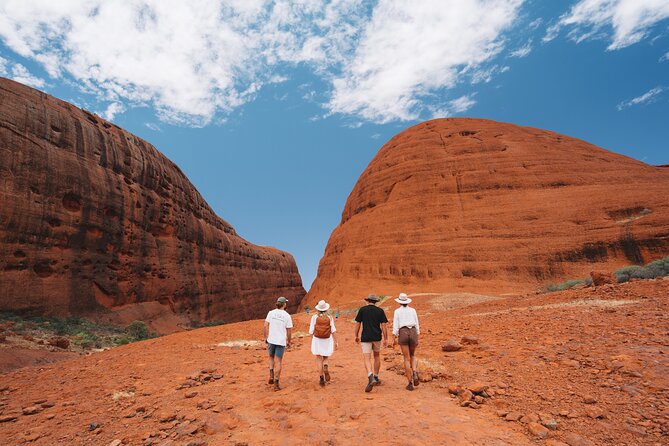
The day focuses on Kata Tjuta (The Olgas) with guided bush walking. The exact walk length can vary, but it’s in the ~6–8km range for the guided walks, depending on fitness level. Translation: you’ll be moving through natural terrain, not just strolling on boardwalks.
What you’ll love here is the contrast. Kata Tjuta gives you that stacked rock-and-gorge feeling, and walking through it makes the scale real. If you’re hoping for a gentle nature walk, this isn’t it—but if you like a challenge that ends with a view and a sense of accomplishment, you’re in the right place.
Camp nights at Uluru and Kings Canyon: swag under stars or a safari tent bed
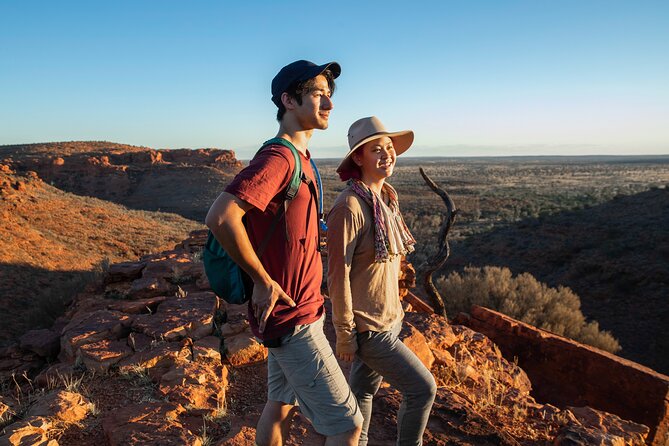
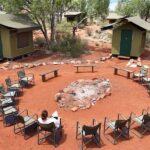
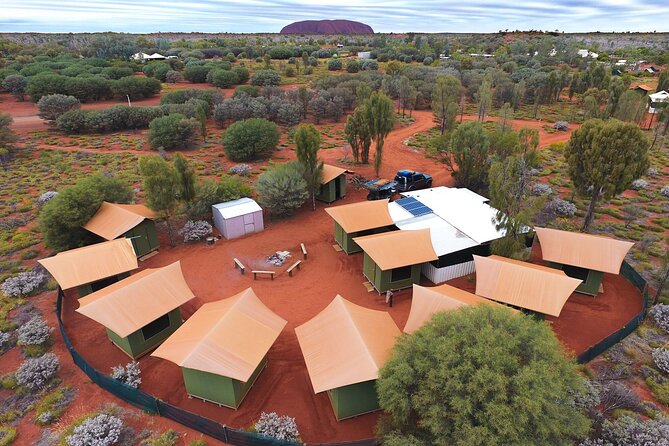
This tour includes 2 nights in permanent Outback campsites at Uluru and Kings Canyon, and it gives you a choice for sleeping:
- Traditional Bush Single Swag (swag option)
- Safari tent with bed linen, mattress, and pillow
I like that you can pick the experience you want. If you want the romance of sleeping under the sky, the swag option leans into that. If you want a more comfortable bed setup, the safari tent option keeps things simpler after long walking days.
A couple of small tips from what people emphasize: bring toiletries, and don’t skip a head light. When you’re moving around camp after dark, hands-free light is a game changer.
Watching sunsets and the campfire rhythm at night
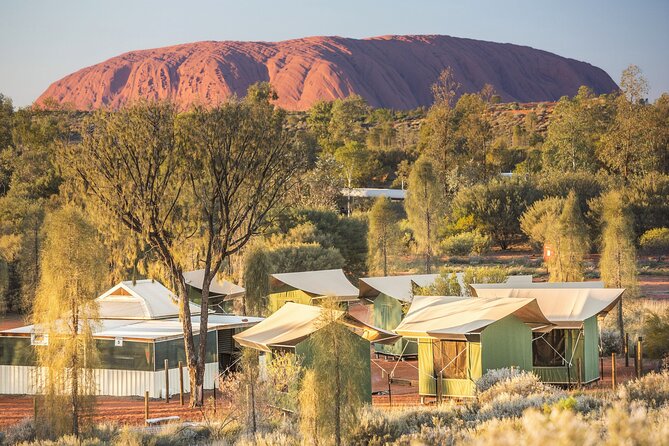
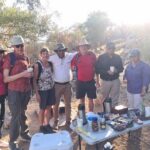
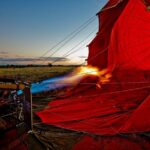
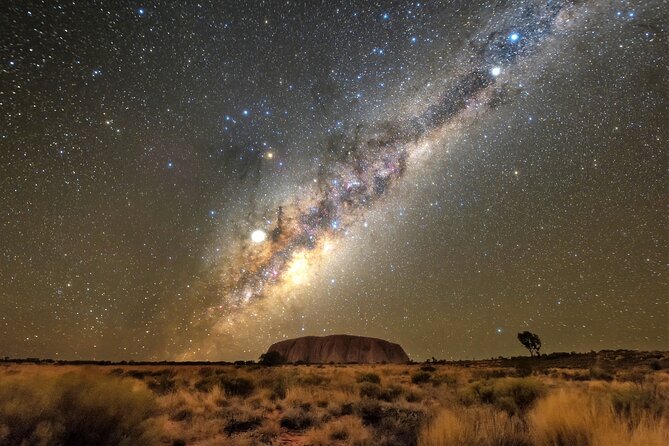
Evenings in the Red Centre are part of the package here. You’ll watch Outback sunsets, then sit around campfires at night. This matters more than it sounds, because sunset time is where the day’s walking and driving finally turns into downtime.
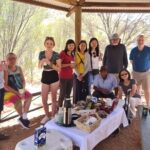
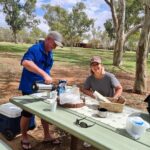
Another detail I really appreciate: you’re asked to participate in meal prep, clean up, and vehicle unpacking/loading. It’s not glamorous, but it’s practical—and it helps the group gel. In a remote area, shared effort makes the whole camp run smoother, and you’re less likely to feel like you’re just being shepherded from stop to stop.
Kings Canyon Rim Walk and those 100-meter cliffs
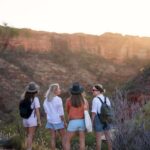
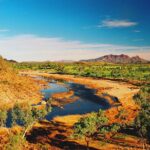
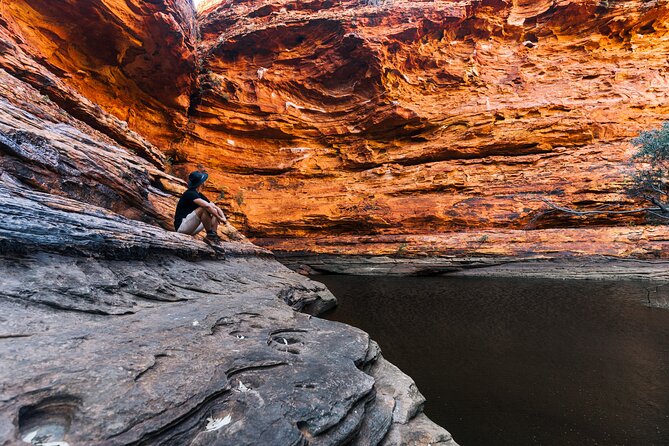
Day 3 is where your legs earn their keep. You start early and head to Kings Canyon in Watarrka National Park. The big moment is the Rim Walk, described as the highlight, with dramatic 100-meter cliffs and sandstone formations.
What makes this stop worth it is how the walk changes how you see the place. From a car window, it’s impressive. From a walking path along the rim, the scale becomes real—and the canyon walls feel close enough to count rock layers.
What I’d plan for: heat management and steady pacing. You’ll be walking early and likely under bright sun. Bring water habits into your day from the start, even though drinking water is available on board. And after the day’s walking, you’ll be tired in a good, honest way.
The value of the $570.93 price: more than just transportation
At $570.93 per person, this isn’t a cheap weekend—especially when you’re paying for remote access and park time. But you are not just buying seats in a vehicle.
Here’s what’s included that really affects value:
- Uluru-Kata Tjuta National Parks pass
- Guided bush walks (about 6–8km, fitness dependent)
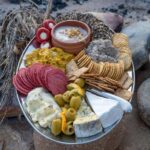
- Meals: 3 lunches, 2 breakfasts, 2 dinners
- Drinking water support on board (you bring your own bottle)
- Bedding and sleeping setup (swag or safari tent bedding)
- Accredited outback driver guide with comprehensive commentary
When you compare this to doing the same route on your own, the savings usually show up in two places: guide time (navigation, interpretation, safety) and logistics (getting meals + bedding arranged in remote areas). It’s the kind of tour where you pay for convenience, but you also pay for not having to figure out remote “how does this work?” problems.
Guides make the difference: Ben, Lea, Donk, Jem, Ash, Jenn, and Josie
People consistently talk about the guides, and that’s not just fluff. In a place like this, good guiding is the difference between seeing rocks and understanding what you’re seeing.
From the guide names people highlight, you might encounter guides like Ben, Lea, Donk, Jem (Jemima), Ash, Jenn, or Josie. The common thread is professional organization and a friendly, practical style—plus lots of context about the sights and outback life.
Even if you don’t get the exact guide name I’ve listed, you can use this as a checklist. When the guide is doing their job well, you’ll feel safe, informed, and like you’re part of a small traveling group—not a floating spectator.
Group size, vibe, and what to expect from the social side
The maximum group size is 23 travelers. That’s big enough to feel like a lively tour group, but small enough that you’ll actually remember faces by the end.
You’ll also be sharing camp space, meal time, and some chores. If you’re the kind of person who likes to meet new people on trips, this format helps. If you hate group participation, the shared duties might feel like extra effort—so think about your own travel style first.
Fitness and heat: the only real drawback to plan around
This tour clearly rates as physically demanding. The walks are guided and in the ~6–8km range, and the tour notes require moderate physical fitness, with medium/high fitness needed to complete the walks. People over 75 need a doctor’s certificate submitted 30 days prior.
So here’s the practical takeaway for you: if you’re currently active and comfortable walking for a few hours, you’ll likely be fine. If you’re coming from a low-activity routine, you should train ahead. The good news is that many people seem to love the hikes because they feel meaningful, not just grueling.
Also, you’re in a region where heat and sun can be intense. Plan like it’s real: sunscreen, hat, and a steady water routine. You’ll have drinking water on board, but your best results come from managing your own bottle and pace.
Packing list shortcuts that fit this specific trip
Because this is a remote outback camping experience, a few items matter more than usual:
- Head light (people call this out) for night camp movement
- Toiletries (don’t rely on being able to buy anything once you’re out)
- Your own water bottle, since water is on board but you provide the bottle
- A willingness to help at camp since meal prep and clean up are part of the rhythm
- Sleeping bag option only if you need it: sleeping bags can be hired for $40 AUD, including cleaning costs
If you have dietary needs, add them early. The tour notes that supplies are limited once the trip departs remote areas, so you’ll want your plan locked in ahead of time.
Where the tour ends: Alice Springs or Ayers Rock/Yulara
This tour concludes in Alice Springs and, on select days, you may end in Uluru/Ayers Rock/Yulara, depending on shuttle availability. When you book, make sure you choose your preferred drop-off location, because it affects how smoothly your next day connects.
In the Red Centre, that connection matters. Distances are real, and late changes can cost you time and energy.
Should you book this 3-Day Red Centre outback tour?
Book it if you want:
- A tight three-day plan that hits Uluru, Kata Tjuta, and Kings Canyon
- Sunrise and sunset moments, not just daytime sightseeing
- Guided walks that give you structure and context
- Camping with a choice between swag under stars or a safari tent bed
Skip it (or be cautious) if:
- You don’t feel comfortable with 6–8km walking distances and early starts
- You want a mostly relaxed, low-effort schedule
- You have dietary needs that you can’t plan and communicate ahead of time
If you like purposeful days with a strong guide and a clear payoff at sunrise and rim-walk time, this is a solid way to experience the Red Centre without turning your trip into a logistics project.
FAQ
What is the duration of this tour?
It runs for 3 days (approx.).
What time does pickup start in Alice Springs?
Pickup starts at 6:00 am.
Where does the tour start and what’s the meeting point?
The start point is Stay at Alice Springs Hotel, 11 Leichhardt Terrace, Alice Springs NT 0870.
Where does the tour end?
It ends in Central Australia, with drop-off either in Alice Springs or Uluru/Ayers Rock/Yulara, depending on shuttle availability. You choose your preferred ending when booking.
What accommodation options are included?
You get two nights at permanent outback campsites, with a choice between a Traditional Bush Single Swag or a Safari Tent. The tent option includes bed linen, a mattress, and a pillow.
Are meals included?
Yes. Breakfast is included (2), lunch (3), and dinner (2).
How much walking is involved?
The guided bush walks are around 6–8km, subject to your fitness level. The tour requires moderate to advanced fitness to complete the walks.
Can I hire a sleeping bag, and how much does it cost?
Yes. Sleeping bags can be hired for $40 AUD, which includes cleaning costs.
FAQ
What is the cancellation refund timeline?
You can cancel up to 6 days in advance for a full refund. For a 50% refund, cancel 2–6 days in advance. Cancel less than 2 days before the start time and the amount is not refunded.
Is drinking water provided on the trip?
There is drinking water on board, and you’re asked to bring your own bottle.