REVIEW · HOBART
Grand Hobart Walking Tour
Book on Viator →Operated by Historic Hobart Tours · Bookable on Viator
A quick history walk turns street corners into stories. This is a 3-hour guided stroll through Hobart’s early-colony heart, with stop-offs at Battery Point and the Salamanca precinct. You’ll hear how Hobart began in 1803, plus what shaped Tasmania’s first decades—then you’ll see the surviving sandstone buildings that still do the talking.
I especially like two things: the way the guide brings the city’s past into plain, human details, and the fact that you also get a practical look at today’s landmarks in Battery Point and Salamanca Place. One minute you’re learning colony-era context; the next you’re walking right past the kind of warehouses and storefronts that still define the area.
One drawback to keep in mind: this is mostly an on-foot experience, so weather matters. If the skies open, the route can feel long and you may not want to linger as long as planned.
In This Review
- Key Highlights You’ll Actually Feel
- Getting Oriented Fast on Hobart’s Oldest-Feeling Streets
- Meet at Davey Street, Then Start With the 1803 Story
- Battery Point: Sandstone Buildings and the Colony-Era Logic
- Salamanca Precinct: Warehouses Now Working as Art, Offices, and Food
- How the Three Hours Really Works (And What to Plan For)
- Price and Value: What You’re Paying For at $43.03
- Who This Tour Fits Best (And Who Might Want Something Else)
- The Guide Experience: Why People Rave About the Stories
- Small Details That Make a Big Difference
- Should You Book the Grand Hobart Walking Tour?
- FAQ
- How long is the Grand Hobart Walking Tour?
- Where does the tour start and end?
- What is included in the tour price?
- What is not included?
- How much does it cost per person?
- What is the group size limit?
- Is it suitable for children and are service animals allowed?
Key Highlights You’ll Actually Feel
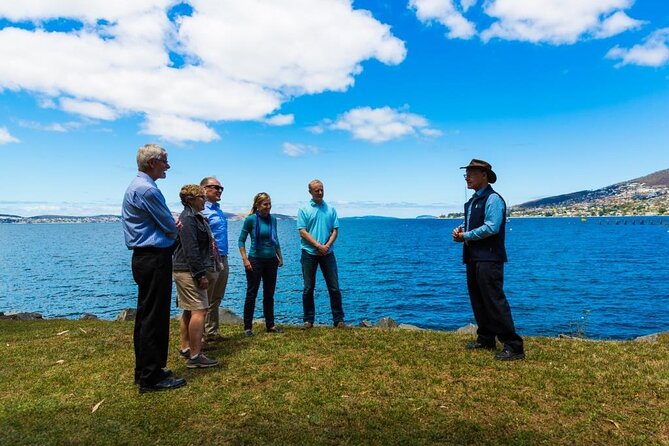
- A small group (max 12) that makes it easy to ask questions and keep a good pace
- Battery Point’s sandstone streets, including buildings that date back around 180 years
- Salamanca Place warehouses that are now shops, offices, galleries, and restaurants
- A clear Hobart origin story from 1803, with connections to early Tasmania
- Saturday bonus potential at Salamanca Markets, with hundreds of vendors in season
- A guide-led experience (local guide included) rather than a self-paced history walk
Getting Oriented Fast on Hobart’s Oldest-Feeling Streets
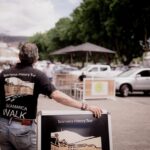
Hobart works best when you get your bearings first, and this tour does exactly that. You start at the Tasmanian Travel & Information Centre on Davey Street, which is a great anchor point because you’re already in the zone where the city’s history starts to feel physical.
Then the walk starts doing its real job: linking what you’re seeing to why it exists. Hobart was founded in 1803, and it quickly became a key part of Tasmania’s early colonial story (second oldest city in Australia after Sydney). The guide’s approach helps you stop treating the buildings like scenery and start reading them like clues.
I also like that the tour doesn’t just throw dates at you. You’re shown present-day landmarks while you learn the issues and people that shaped those early decades. It’s the kind of context that makes later stops—museums, viewpoints, or even cafés—make more sense.
You can also read our reviews of more walking tours in Hobart



Meet at Davey Street, Then Start With the 1803 Story
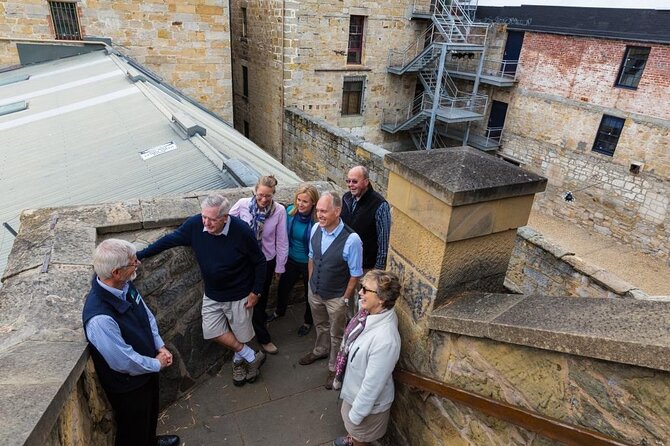
Your tour begins at 20 Davey St (the Tasmanian Travel & Information Centre) at 2:00 pm, and that late afternoon start is smart. The light in Hobart at that hour can flatter sandstone and streetscapes, and it’s also a good way to break up a day that’s already packed with driving, ferry rides, or museum time.
During the early part of the walk, you’ll learn how Hobart’s founding era connects to the city you see today. The guide covers the way settlement decisions shaped the built environment—so later, when you’re looking at heritage-listed sites, you’ll understand why certain areas gained importance.
A nice detail: the tour is designed to be understandable even if you haven’t studied Tasmania’s past. The stories are built around how people lived and what pressures they faced, which makes the tour feel less like a lecture and more like a guided conversation.
If you want a warm-up plan for later in your trip, this is it. You’ll walk away with a mental map, not just facts.
Battery Point: Sandstone Buildings and the Colony-Era Logic
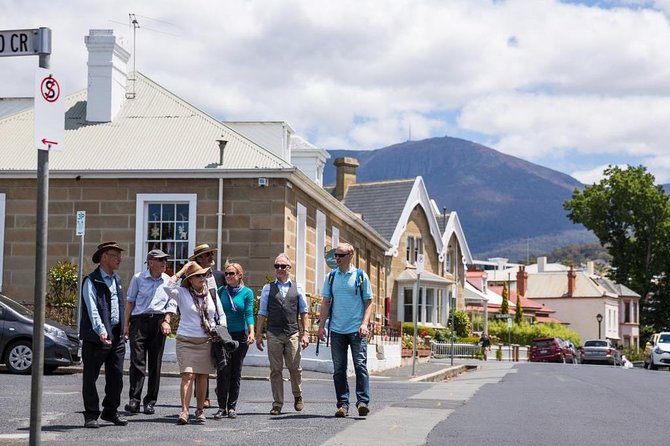
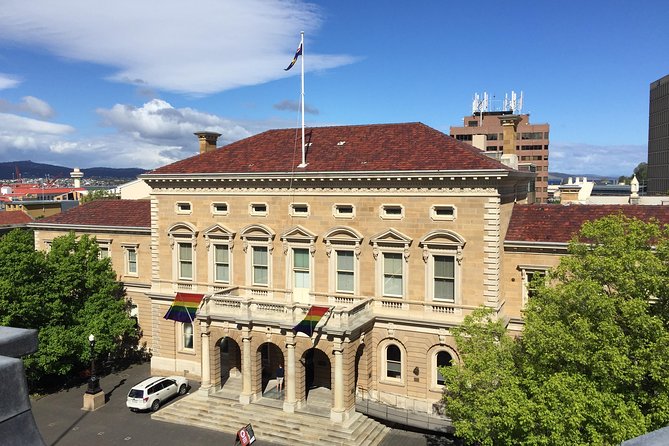
Battery Point is where the tour really becomes visual. You step back in time as you move through the area known for historic sandstone buildings, including structures that date back around 180 years. In other cities, old buildings can feel like sets. Here, they feel like they kept their original job description—just updated over time.
What I’d tell you to pay attention to: the rhythm of the streets and the way warehouses and residences shaped the neighborhood. The guide points out heritage-listed buildings and connects them to early colonial life, which helps you notice details you might otherwise miss—like how sandstone architecture supports the character of the area.
This part of the tour also helps you understand the practical side of history. It’s one thing to hear that early settlers built to last; it’s another to stand in front of buildings that still carry that sturdiness. You’re not just looking at age—you’re seeing how a place functioned.
One travel note: comfortable walking shoes matter more here than you might expect. Even if it’s a short overall duration, Battery Point’s streets can add up, especially if you’re traveling with sore feet.
Salamanca Precinct: Warehouses Now Working as Art, Offices, and Food
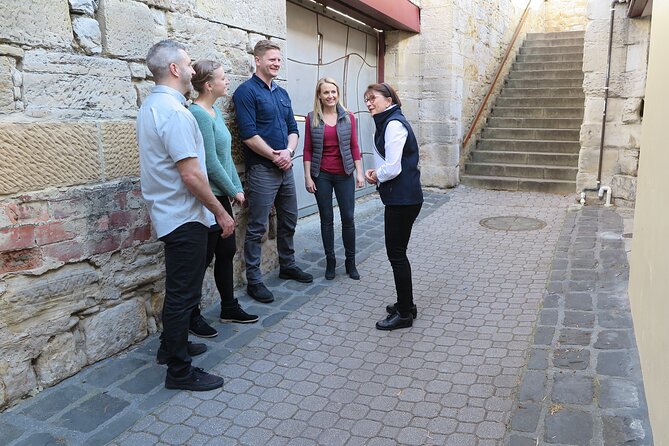
After Battery Point, you move to the Salamanca precinct, including the sandstone warehouses of Salamanca Place. This is where the tour shifts from early-colony survival to adaptation—how buildings from colonial Australia get reused instead of replaced.
The warehouses are a big highlight. They’re described as a prime example of typical architecture from colonial Australia, and today they’re home to art galleries, office spaces, and restaurants. That mix is part of what makes the area so fun even when you’re not actively shopping: the buildings hold history, but they still run the local economy.
Here’s a practical tip: when you reach Salamanca, pause for a moment before you keep walking. This is a place where you can look up and actually read the building shapes. If you’re the sort of person who enjoys street-level photos, you’ll have plenty of chances without needing to hunt for them.
And if your tour date happens to be Saturday, you get an extra layer. Salamanca Markets are known for featuring several hundred vendors with art, fresh foods, and handicrafts. Even if the markets aren’t the main focus of your walk, you’ll be in the right neighborhood to enjoy the buzz that comes with them.
How the Three Hours Really Works (And What to Plan For)
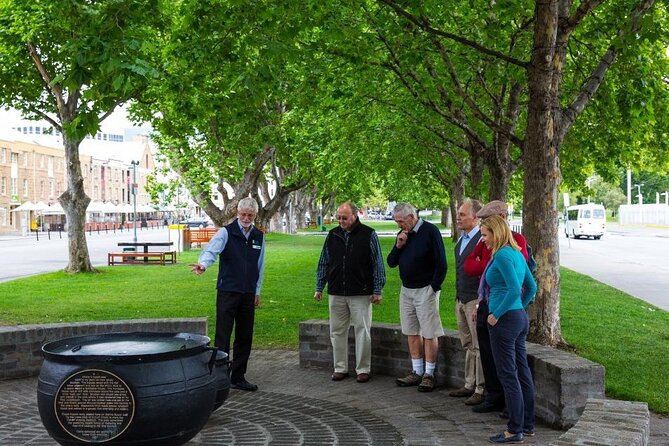
The tour is about 3 hours in total, and it’s paced like a “see the essentials without rushing” kind of afternoon. That timing is perfect for first-timers who want history without committing to a full day of museums.
The most useful way to think about the schedule is this:
- you start by learning the city’s origin and early influences
- you then walk through two major character zones (Battery Point, Salamanca)
- you end in the Salamanca area so you can keep exploring afterward
It also means you can build the rest of your day around it. Start with lunch earlier, then do this guided walk. After it ends at Salamanca Place, you’re positioned for whatever comes next—whether that’s markets, a gallery browse, or dinner.
Comfort matters. Even “easy walking” can feel harder if you arrive already tired. Bring water, wear layers, and keep a light rain option if the forecast looks suspicious. One heavy-rain day is enough to make any walking tour feel like hard work.






Price and Value: What You’re Paying For at $43.03
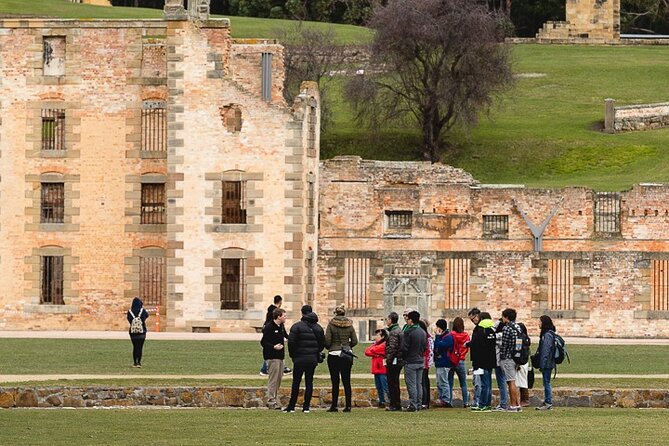
At $43.03 per person, this is a budget-friendly way to get both structure and local storytelling. The price isn’t for entrance tickets or food—it’s for a local guide and a guided route that strings together the neighborhoods that matter most.
Here’s the value equation I’d use:
- You’re getting a guided explanation of Hobart’s founding in 1803 and early influences.
- You’re covering two high-impact areas that can take time to understand on your own.
- Your group size is capped at 12, which usually keeps the experience personal.
What’s not included is also clear: food and drinks, and there’s no hotel pickup/drop-off. That’s not a deal breaker, but it does mean you’ll want to plan your day so you can get to the meeting point smoothly.
If you’re comparing this to self-guided walking using apps and guidebooks, the difference is the “why.” You’ll hear context tied to what you’re seeing, not just descriptions of what’s there.
Who This Tour Fits Best (And Who Might Want Something Else)
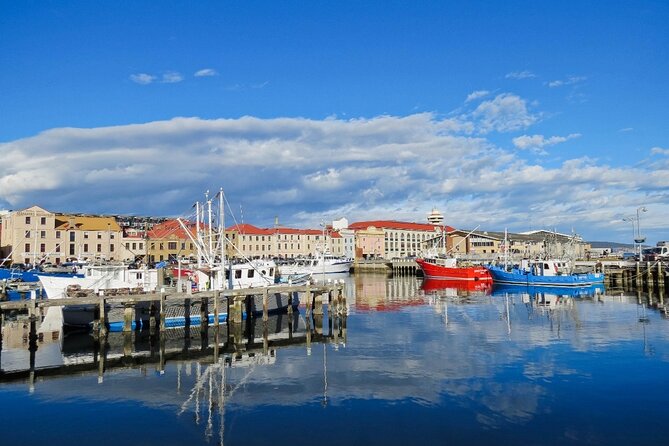
This tour is a strong fit if you want a simple, guided way to understand Hobart quickly. It’s especially good for people who:
- like walking tours but want them to feel story-driven
- are curious about the early 1800s without getting lost in lectures
- enjoy photo stops in places with strong architectural identity
- want a small-group experience rather than a big-bus day
It’s also a good pick if you’ve already done the main “big ticket” attractions and you’d like something that adds meaning to the city. Battery Point and Salamanca are great on their own, but the guide’s explanation helps you connect dots.
Two practical notes from the tour rules: children must be accompanied by an adult, and service animals are allowed. The tour also notes that it’s near public transportation and that most travelers can participate—so it’s designed for a pretty broad range of visitors.
The Guide Experience: Why People Rave About the Stories
A clear theme from the experience is how much energy the guide brings. You may meet guides such as Di, Richard, Diane, or Tony, and the common thread is a mix of facts, humor, and interaction.
When a guide talks like a person instead of a script, the whole walk changes. The three hours can feel quick because you’re always doing something—listening, looking, asking, and connecting. You’ll also pick up small practical suggestions along the way, like where to eat after the tour or what to notice as you keep exploring.
That personal style is a big part of why the recommendation rate is high. You’re not just consuming information; you’re building a sense of place.
Small Details That Make a Big Difference
A walking tour can be great in theory and frustrating in practice if you ignore the small stuff. Here are the essentials that will help you enjoy this one:
- Start on time: the meeting point is at the travel centre on Davey Street, and you’ll want to be ready for the first story.
- Wear comfortable shoes: this is three hours of moving through neighborhoods with character streets.
- Bring a rain layer: if the weather turns, it changes the mood fast.
- Plan an easy follow-up: since you end at Salamanca Place, you can continue with dinner or markets without relocating.
Also, because it’s a mobile ticket experience, keep your phone charged and easy to access. It’s a small thing, but it prevents that last-minute hassle.
Should You Book the Grand Hobart Walking Tour?
I think you should book this tour if you want an efficient way to understand Hobart’s early colonial roots while still enjoying two of the city’s best-looking areas. It’s structured, short enough to fit any itinerary, and guided with real personality.
I’d skip it—or at least be cautious—if you hate walking, dislike history themes, or are traveling on days when rain is likely and you don’t want to adjust your plans. This experience is great when you’re open to being outside for a few hours.
But if you’re the type who enjoys history you can see, this one delivers. You’ll finish with a stronger sense of how Hobart’s sandstone streets connect to the people and choices that shaped Tasmania—and you’ll have Salamanca and Battery Point ready to explore further on your own.
FAQ
How long is the Grand Hobart Walking Tour?
The tour is approximately 3 hours.
Where does the tour start and end?
It starts at Tasmanian Travel & Information Centre, 20 Davey St, Hobart, and ends at Salamanca Place, Salamanca Pl, Hobart.
What is included in the tour price?
The tour includes a local guide.
What is not included?
Food and drinks are not included, and there is no hotel pickup or drop-off.
How much does it cost per person?
The price is $43.03 per person.
What is the group size limit?
This experience has a maximum of 12 travelers.
Is it suitable for children and are service animals allowed?
Children must be accompanied by an adult, and service animals are allowed.