
REVIEW · HOBART
Hobart Historic Walking Tour
Book on Viator →Operated by Historic Hobart Tours · Bookable on Viator
Hobart’s past walks with you. In 90 minutes, you follow small-group guidance that turns colonial and convict-era facts into street-level landmarks you can actually point at. It’s a smart way to get your bearings fast without drowning in museum time.
I love how the tour mixes big-picture context with street-by-street storytelling, so the city starts making sense. I also like the photo-friendly pacing and the emphasis on heritage buildings and monuments, including stops like St David’s Park and the memorial wall made from older headstones.
One thing to watch: if the guide is chatting while facing a building, you may miss some bits of commentary. Go with the mindset of a walking conversation, not a sit-still lecture, and position yourself where you can hear.
In This Review
- Key Highlights Worth Booking
- Hobart in 90 Minutes: What This Walking Tour Really Covers
- Davey Street Start and Salamanca Place Finish: Easy Flow
- Orientation Stops: How the Early Settlement Becomes Understandable
- Sandstone Buildings and Convict-Era Stories You Can See
- St David’s Park, Monuments, and Memorial Stones
- Small Group Size: Why It Feels Personal (Not Packed)
- Price and Time: Is $27.26 Good Value?
- What to Expect on the Ground (So You’re Not Caught Off Guard)
- Who This Tour Suits Best (and Who Might Want Something Else)
- Should You Book the Hobart Historic Walking Tour?
- FAQ
- Where does the tour start and end?
- What time does the tour begin?
- How long is the Hobart Historic Walking Tour?
- How much does it cost?
- What’s included in the ticket?
- Is food or hotel pickup included?
- What if the weather is bad or I need to cancel?
Key Highlights Worth Booking
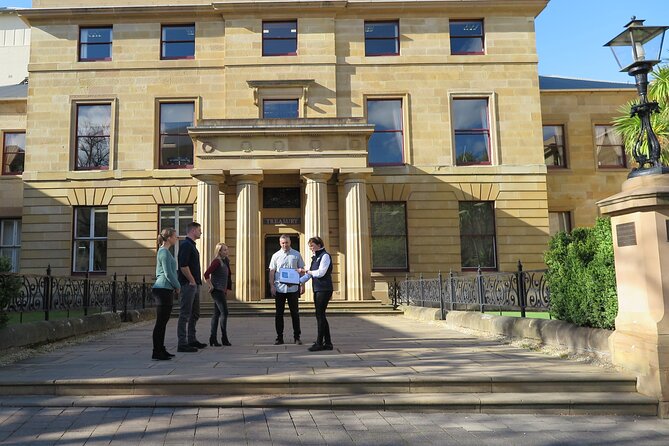
- Small-group size (max 12) for questions and real conversation
- 90-minute route that fits into an afternoon without feeling rushed
- Colonial and convict history explained through what you see on the streets
- Heritage buildings and monuments that make Hobart’s layout click
- Multiple guides with strong storytelling style, often mentioned alongside clear delivery and humour
Hobart in 90 Minutes: What This Walking Tour Really Covers
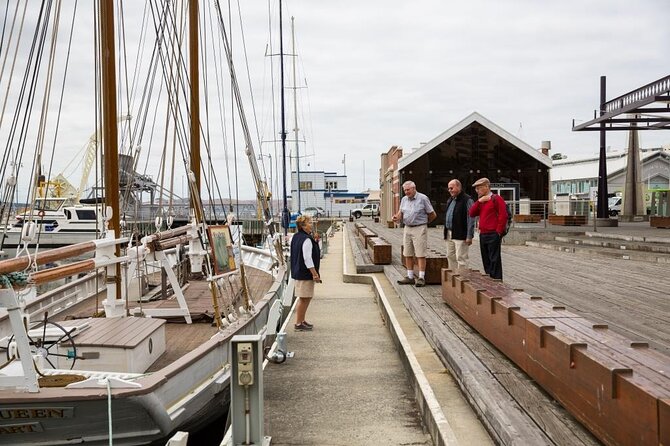
This is an orientation-style historic walk. You’re not just moving from one pretty building to the next. You’re learning how Hobart grew, why it was built the way it was, and how the colonial and convict story shaped daily life and local power.
In practical terms, that means you’ll leave with mental pins in the right places: where the early settlement energy was concentrated, what to look for in heritage-listed sandstone buildings, and how the city’s monuments connect to later memory. If it’s your first time in Hobart, this kind of context is gold because it makes the rest of your trip more meaningful, and less guesswork.
The guides are repeatedly praised for making the material clear and engaging. You’ll hear stories delivered with personality, and you’ll also get a pace that works for different ages. One review even called out humour as part of the mix, which matters more than people think on a history tour, because it keeps you listening instead of just taking notes.
You can also read our reviews of more walking tours in Hobart



Davey Street Start and Salamanca Place Finish: Easy Flow
The tour starts at the Tasmanian Travel & Information Centre, 20 Davey St, Hobart (near public transport). The end point is Salamanca Place, Salamanca Pl, Hobart. That matters because you can finish in one of the city’s most convenient waterfront areas instead of getting stuck back where you began.
Start time is 2:00 pm, and the tour runs about 1 hour 30 minutes. So you’re basically booking a solid afternoon activity: long enough to learn something useful, short enough to still have time for food, drinks, or a second walk after.
Also, the tour uses a mobile ticket, so you can travel light. Just make sure you can access the ticket on your phone when you meet your guide.
Orientation Stops: How the Early Settlement Becomes Understandable
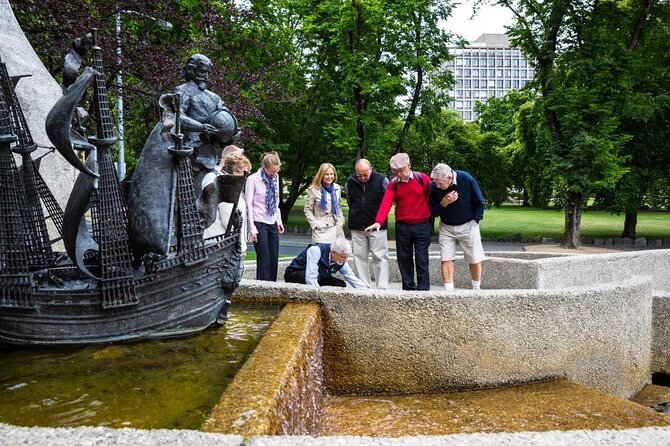
The core promise is simple: you’ll get an introduction to Hobart’s history and a feel for how the city looks today. The walk includes time to identify heritage-listed buildings and to connect them to early characters and major influences in Hobart’s first days.
This is the part I’d call the “mental map section.” A lot of history tours jump straight into names and dates. This one tends to translate those stories into physical cues you’ll recognize later. You’ll learn what to pay attention to: building styles, public spaces, and how the city’s original geography worked as the population grew.
One review specifically highlighted that the guide explained a large amount of governing and political context even within a compact route. If you want history that helps you interpret what you see around you, that’s a strong sign. Hobart has plenty of small details, and a good orientation walk is what helps you notice them later without feeling overwhelmed.
Sandstone Buildings and Convict-Era Stories You Can See
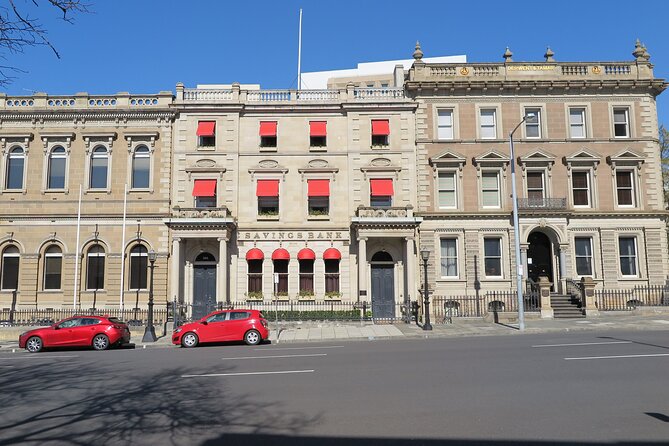
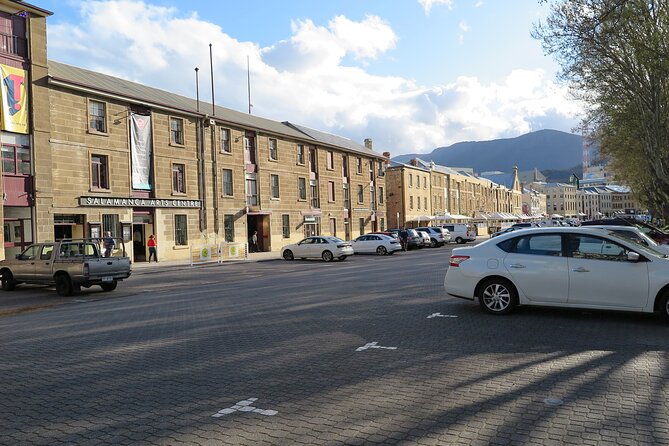
Hobart is famous for its historic architecture, especially those sturdy sandstone facades. On this tour, you don’t just get told, “This is old.” You learn why certain buildings existed, what they were used for, and how they relate to Hobart’s colonial and convict past.
The convict story isn’t handled as a separate topic floating in the background. It’s framed as part of how Hobart became Hobart—how the early colony operated, how systems affected the people living and working there, and how authority and survival shaped what the city built and preserved.
That’s why this walk works well for first-timers. You’re not collecting random facts. You’re connecting cause and effect. When you see heritage stonework later, you’ll remember what the guide tied it to: early development, social power, and the way the colony’s institutions left visible traces in the built environment.
There’s also a strong “look and learn” element. One review mentioned photo opportunities, and you can expect regular short stops where you can pause, look closely, and absorb the story without rushing past.
St David’s Park, Monuments, and Memorial Stones
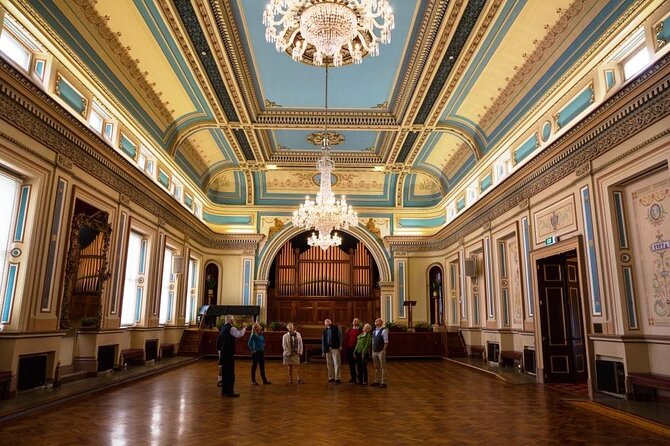
One of the most memorable parts from the tour experience is time spent at St David’s Park, including commentary on monuments and a memorial wall built using older headstones. That combination—public space plus visible memorial material—makes the stories feel grounded and human.
What I like about this type of stop is that it moves history beyond the colonial storyline of arrivals and institutions. Memorials are where later generations decide what to remember and how. You get a clearer sense of how Hobart’s identity evolved over time, including how remembrance has been physically shaped.
If you’re a history buff, this is also where you’ll enjoy the details. Reviews specifically mentioned learning about the monuments and the memorial wall construction from older head stones. That kind of specificity is what transforms a pleasant walk into an actual takeaway.
You can also read our reviews of more historical tours in Hobart





Small Group Size: Why It Feels Personal (Not Packed)

The tour caps at a maximum of 12 travelers, which is a big deal for a walking experience. With a smaller group, you can actually hear the guide without playing sound-dodge roulette, and you’re more likely to get your questions answered at the pace of the route.
It also changes the vibe. You’ll notice guides frequently talk with the group like a conversation. Reviews mention guides answering questions and keeping an easy pace for all ages. One review even noted the guide being considerate to a partially sighted member, which suggests the group experience is managed with some care, not just time ticking down.
In my view, this is where value shows up. You’re paying for a guide, sure, but you’re also paying for the ability to engage. A bigger tour can still be fine, but it often turns into “listen from far away.” This one is built to keep you in the story.
Price and Time: Is $27.26 Good Value?
At $27.26 per person for about 90 minutes, the math is pretty straightforward: you’re buying guided context plus a short walking route that helps you interpret Hobart.
You get:
- A local guide
- A small group
- A route that connects colonial and convict history to real landmarks and heritage buildings
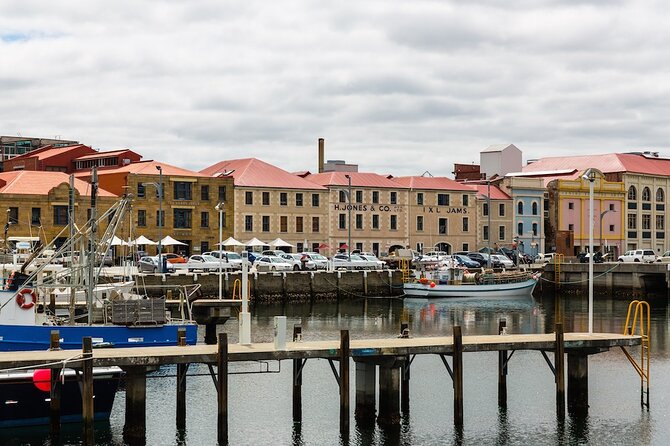
You don’t get food or drinks, and you don’t get hotel pickup/drop-off. But that’s typical for walking tours, and it’s also a good thing if you want to stay flexible. You can eat where you like afterward, especially since the tour finishes at Salamanca Place, which is set up for easy post-walk plans.
For first-time visitors, I think this is priced like a “starter tour.” It’s low enough that you won’t feel nervous about trying it, but structured enough that you’ll still learn enough to make the rest of your day better.
What to Expect on the Ground (So You’re Not Caught Off Guard)
This is a walking tour, so wear comfortable shoes and plan for uneven city surfaces. The schedule is also weather-dependent: it requires good weather, and if conditions are poor, you’ll be offered another date or a full refund.
Bring the basics you’d bring for any afternoon city walk: water, sun protection, and a light layer in case the weather shifts. Food and drinks aren’t included, so if you’re combining this with other activities, plan a meal or snack break on your own.
Also, treat this as a listening-and-walking activity. One review mentioned missing parts of the commentary because the guide was talking toward the building instead of facing the group. You can solve that by staying alert to where the guide is positioned and adjusting slightly so you’re in a better hearing angle.
Who This Tour Suits Best (and Who Might Want Something Else)
This tour is a strong fit if:
- You’re in Hobart for the first time and want quick orientation
- You enjoy colonial and convict history tied to physical places
- You want a history walk without a long time commitment
- You like small groups and the chance to ask questions
It’s also good for mixed-age groups when you’re looking for an easy pace. Reviews highlighted that the walking pace works for all ages.
If you’re looking for something very specialized—like a deep dive into a single building, a specific political figure, or a heavy focus on indoor museum hours—this may feel broad. But if you want a well-scoped overview that helps you explore independently afterward, it’s exactly the right length.
Should You Book the Hobart Historic Walking Tour?
Yes, I’d book it if you want a practical history introduction and a map in your head by the time you finish. The small-group limit plus the way guides connect convict and colonial themes to heritage landmarks is the winning combo. Add in the finish at Salamanca Place, and you get an easy transition into the rest of your afternoon.
Skip it only if you strongly prefer long, seated explanations or you know you’ll struggle with hearing audio while walking. In that case, you might prefer an option designed more like a lecture.
If you’re on the fence, here’s the simplest way to decide: if you want to understand Hobart quickly and keep your day flexible, this tour is an efficient start.
FAQ
Where does the tour start and end?
It starts at the Tasmanian Travel & Information Centre, 20 Davey St, Hobart TAS 7000, and ends at Salamanca Place, Salamanca Pl, Hobart TAS 7000.
What time does the tour begin?
The start time is 2:00 pm.
How long is the Hobart Historic Walking Tour?
The tour lasts about 1 hour 30 minutes.
How much does it cost?
The price is $27.26 per person.
What’s included in the ticket?
The ticket includes a small-group tour and a local guide.
Is food or hotel pickup included?
No. Food and drinks are not included, and there is no hotel pickup and drop-off.
What if the weather is bad or I need to cancel?
The tour requires good weather. If it’s cancelled due to poor weather, you’ll be offered a different date or a full refund. Free cancellation is available up to 24 hours in advance for a full refund.