REVIEW · TASMANIA
Hobart: Cape Hauy Hike
Book on GetYourGuide →Operated by Tours Tasmania · Bookable on GetYourGuide
Sea stacks and stairs in one wild day. Cape Hauy is a short-but-serious slice of Tasmania’s Three Capes Track, with big coastal views that feel way farther than 9.4 km. The day also has a built-in payoff: time at Fortescue Bay, then a relaxed stop at Bangor Vineyard Shed for wine.
I love the moment the track opens up and you can properly see The Candlestick and Totem Pole rising from the sea more than 100m below. I also love that this isn’t a giant group experience; the tour runs with a maximum of 10 people and you’ll get real interpretive commentary from the guide (and some days are led by Heather, who gets kudos for being patient and informative).
One thing to consider: this is not a casual stroll. The hike is about 9.4 km with plenty of stairs and undulating sections, so you’ll want solid shoes and a steady pace.
In This Review
- Key things to know before you go
- Why Cape Hauy earns its reputation on the Three Capes Track
- The drive from Hobart to the Tasman Peninsula: plan for an early start
- Fortescue Bay: where the day turns into a hike
- The Cape Hauy Track: what the 9.4 km really feels like
- Guide-led moments that make the walk more than a photo stop
- Fortescue Bay break: swim, reset, and enjoy the quieter side
- Food reality check: what to pack for lunch and snacks
- Bangor Vineyard Shed: the calm finish with a wine
- Price and value: why $110 can be fair for an iconic day
- Who this tour suits best (and who should skip it)
- Should you book Hobart: Cape Hauy Hike?
- FAQ
- How long is the Cape Hauy hike?
- What is the total duration of the tour?
- Where do we meet in Hobart?
- What should I bring for the day?
- Is there a food stop if Fortescue Bay has no café?
- Can I cancel and get a full refund?
Key things to know before you go
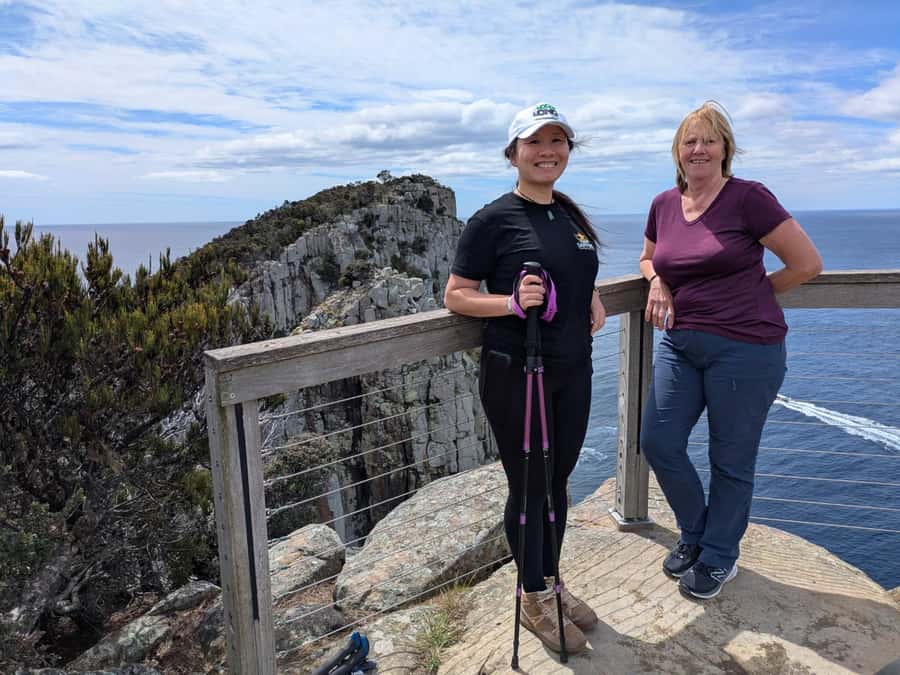
- Iconic sea stacks: Cape Hauy lookout views of The Candlestick and Totem Pole.
- Active trail, not a flat walk: about 4 hours return with stairs and uphill-ish bits.
- Fortescue Bay time: crystal-clear water and white-sand break to cool down.
- Small-group feel: capped at 10, so you can ask questions and take photos.
- Wine at the end: Bangor Vineyard Shed stop with a glass of wine or tasting.
Why Cape Hauy earns its reputation on the Three Capes Track
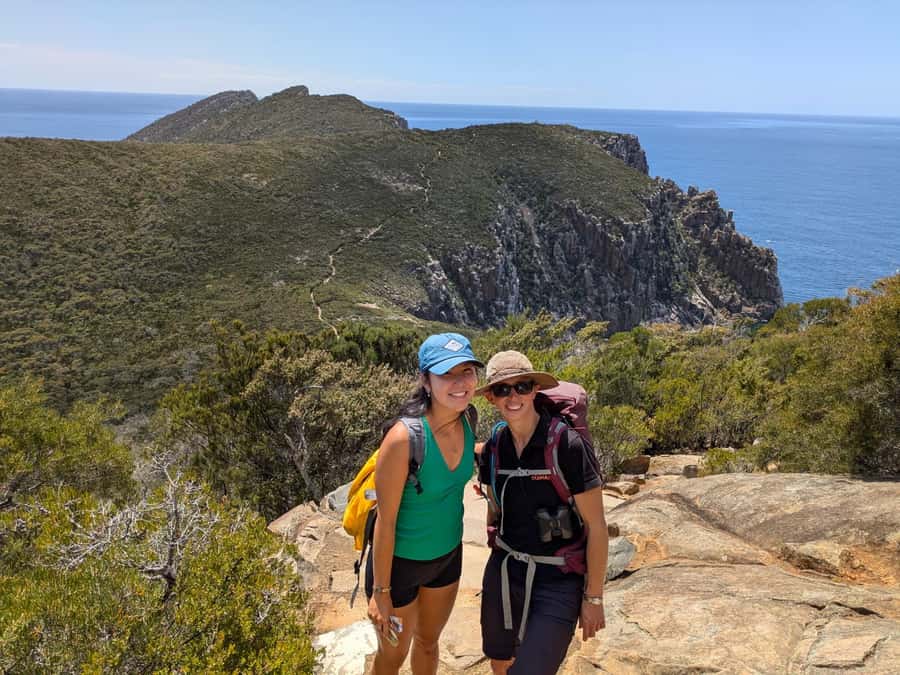
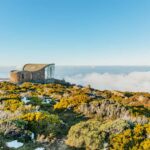
Cape Hauy is one of those hikes that rewards attention. You don’t just walk up to a viewpoint and check the box. The trail builds the drama: forest and heath first, then the coast gradually takes over, with cliff edges and ocean views showing up when you least expect them.
This is also a practical way to experience a famous route. The Three Capes Track can take days, but this day tour gives you a real taste of its best visual moments. If you like your “short walk” to still feel like an adventure, this hits the sweet spot.
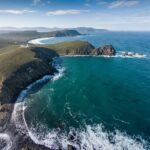
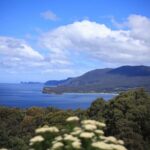
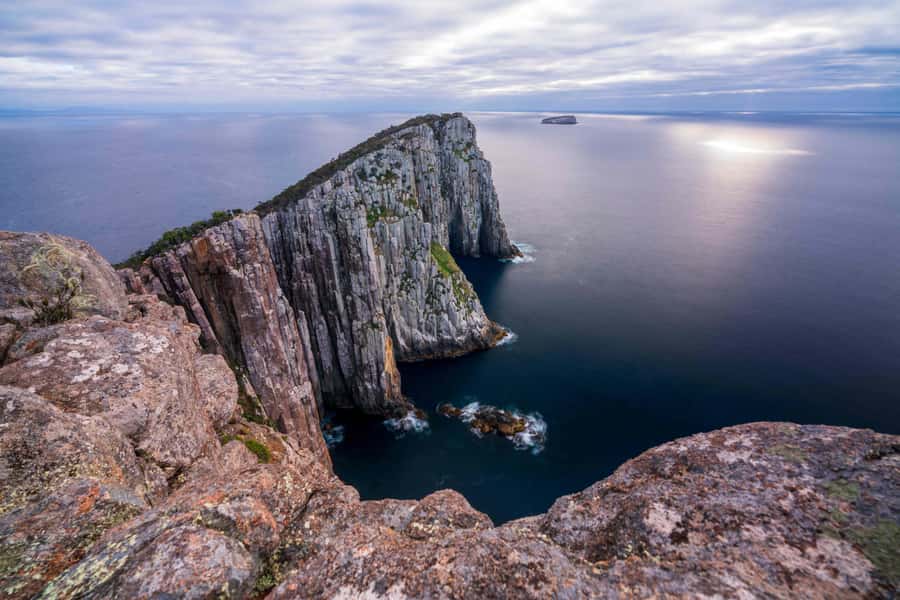
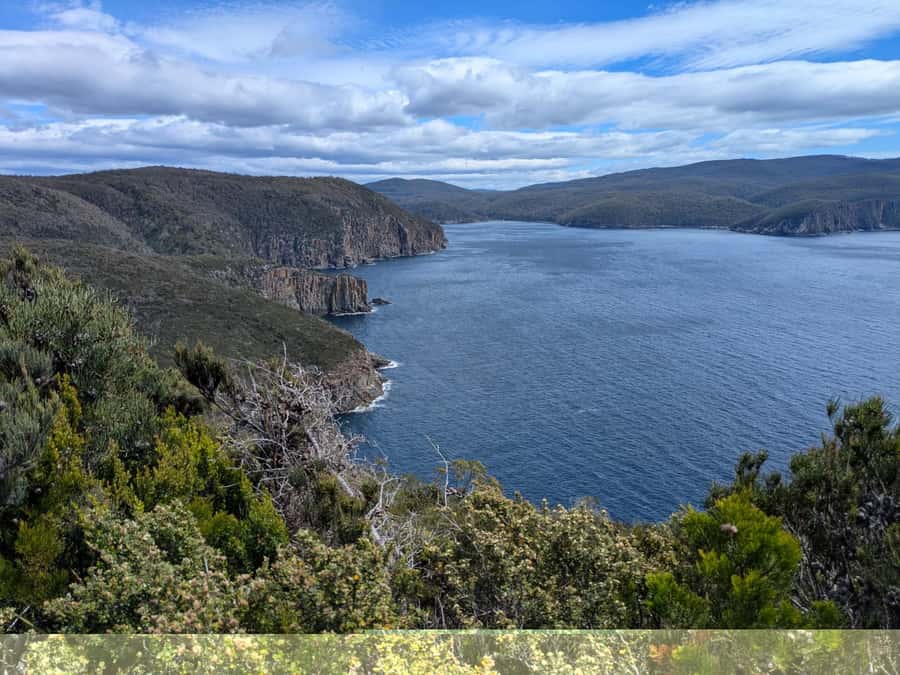
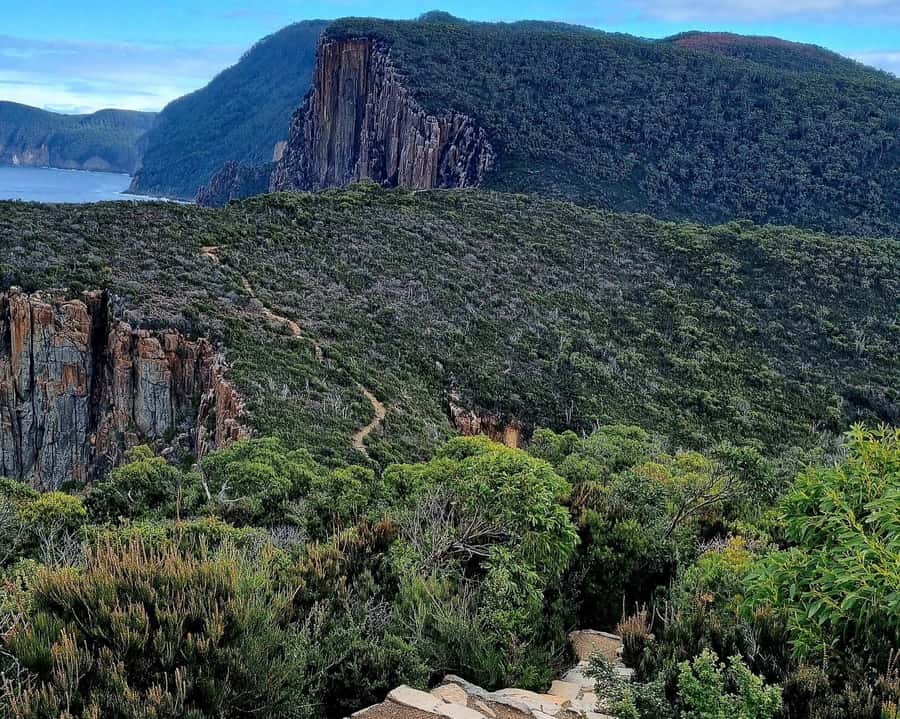
The star moment is the Cape Hauy lookout. From there, you’re staring at sea stacks that look like they were sculpted by something stubborn and patient. The Candlestick and Totem Pole rise out of the ocean more than 100m below, which makes it easy to understand why people talk about the view as a highlight.
You can also read our reviews of more tours and experiences in Tasmania.

The drive from Hobart to the Tasman Peninsula: plan for an early start
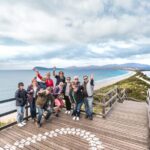
Your day begins in Hobart at the Tasmanian Travel & Information Centre on Davey Street. The meet time is 7:25am, and it’s smart to arrive about 10 minutes early so you’re not rushed with bags and sunscreen.
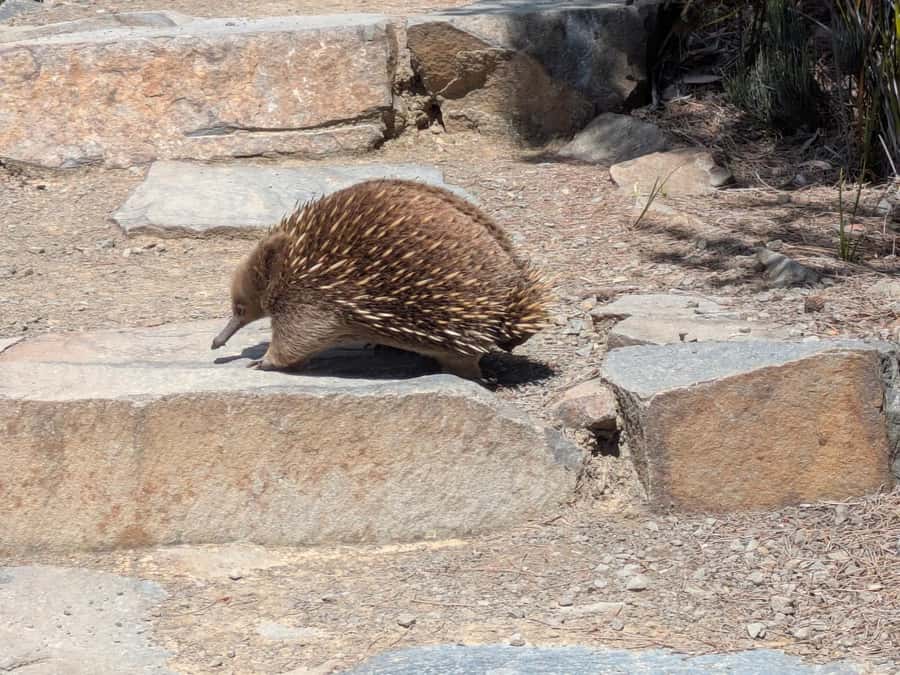
Then you’re in a coach heading straight to the Tasman Peninsula, which takes roughly 1.5 hours. There’s a scenic drive component and you’ll stop for coffee along the way. That matters more than it sounds: the hike itself is around 4 hours return, and you’ll feel better if you’ve already had caffeine and a chance to stretch before the first uphill steps.
After that, you travel onward for another transport segment before you settle into the Tasman National Park area and start the walk. I like this pacing because it avoids the classic problem where you arrive at the trailhead already tired.
Fortescue Bay: where the day turns into a hike
Fortescue Bay is your jumping-off point. It’s in the Tasman National Park, and it’s the reason the day works so well. The hike starts with a well-maintained path that takes you through a mix of forest, woodland, and coastal heath.
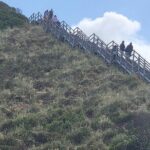
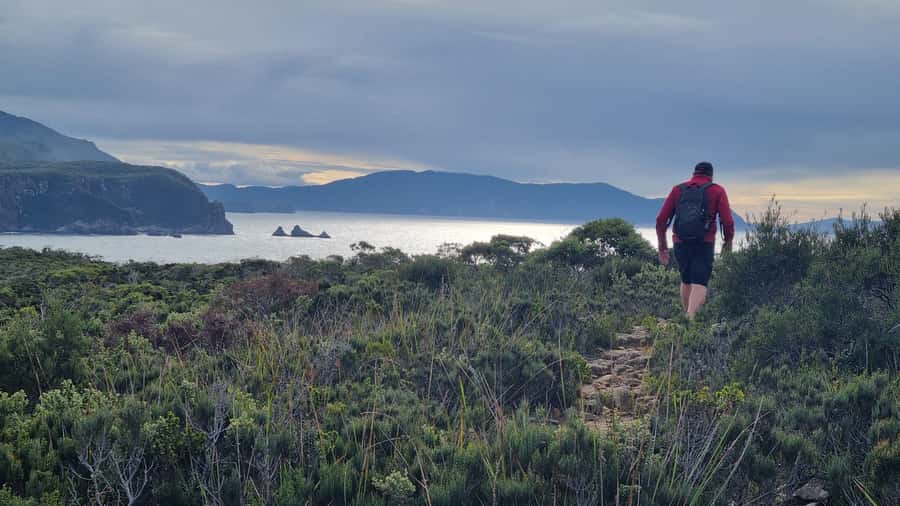
You’ll want to treat the early part as warm-up and not a race. The track is described as having plenty of stairs and undulating sections, and once that starts, your legs will remind you quickly. This isn’t a “wander whenever you want” route. It’s more like a guided effort with planned photo pauses.
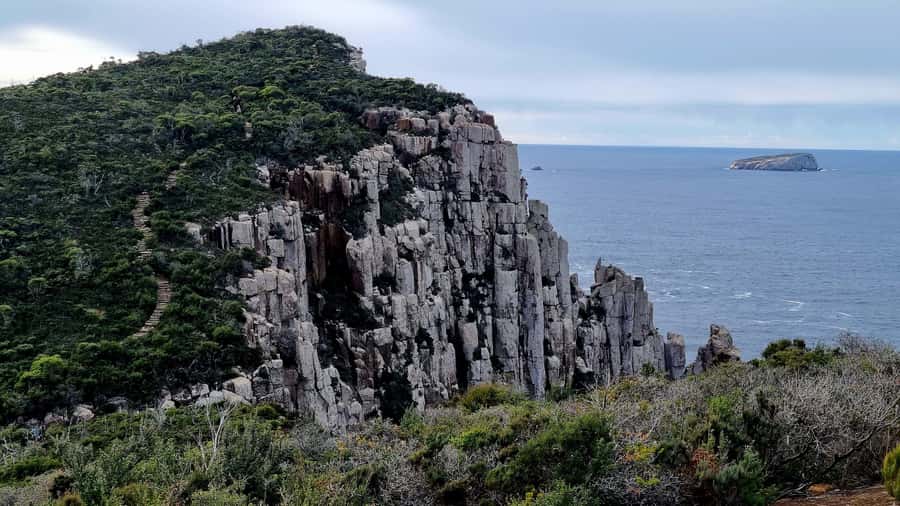
The good news is the trail stays engaging. You don’t just look at the same view the whole time. Coastal angles shift as the track curves, and the ocean shows itself in layers—first small glimpses, then wider cliff-and-sea framing.
The Cape Hauy Track: what the 9.4 km really feels like
The Cape Hauy Track is about 9.4 km out and back, taking around 4 hours on return. That timing assumes you’re walking steadily and stopping for views as needed. In practice, you’ll likely take extra moments at the best lookouts because the sea stacks are the main event.
Along the way, the track is a mix of easy footing and “pay attention to your step” sections. Expect:
- stairs that add rhythm to your pace
- undulating stretches that feel like rolling terrain
- cliff-adjacent sections where the ocean noise is part of the soundtrack
The payoff comes near the end, at the Cape Hauy lookout. This is where The Candlestick and Totem Pole show at their most dramatic—rising from water far below, with the wild Tasman Sea pushing in against the rocks.
One nice detail: the day includes plenty of rest breaks. You’ll feel like you’re controlling your energy rather than just grinding through. That’s also where the guided component matters. A good guide helps you focus on what you’re seeing—how to spot the stacks’ shapes, how the coastal geology reads in real life, and why the cliffs here look so rugged.
Guide-led moments that make the walk more than a photo stop
This type of tour stands or falls on the guide. Here, the format is designed to keep things active and informative without dragging.
Interpretive commentary is part of the day, and the small group size (max 10) makes it easier to actually talk instead of just listening while you shuffle around. In particular, Heather has been described as patient and knowledgeable in the way she helps the group and creates room for questions. Another guide experience highlighted an engaging back-and-forth, where the conversation went beyond a script and turned into a learning-rich day.
You don’t need to be a geology fan to enjoy that. Even if you’re there mainly for photos, having someone point out what you’re looking at makes the view click faster—and makes the walk feel more meaningful once you’re standing where you can see The Candlestick and Totem Pole clearly.

Fortescue Bay break: swim, reset, and enjoy the quieter side
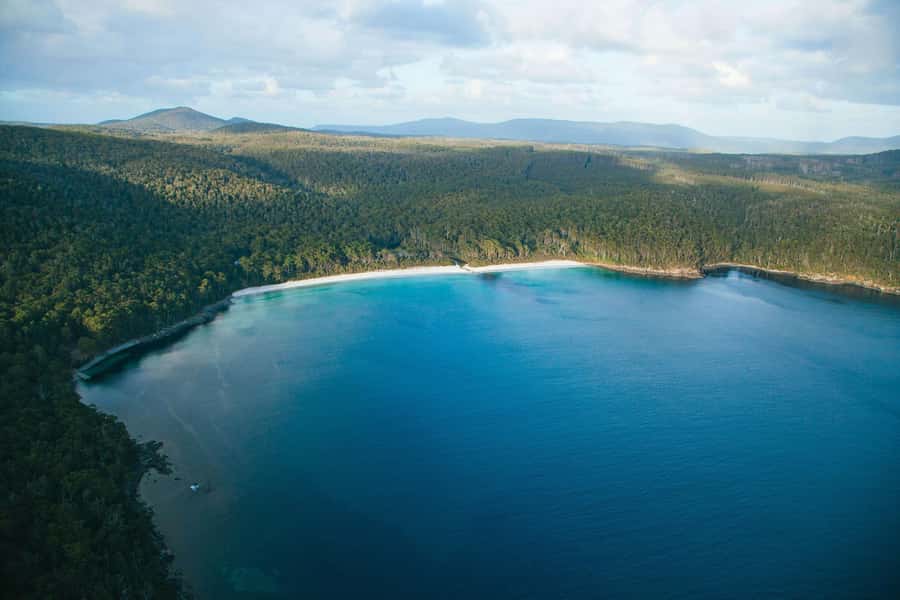
After the hike, you retrace your steps back to Fortescue Bay. Then comes a different kind of relaxation. You’re not hustled onward immediately; you’re given time to cool off and reset.
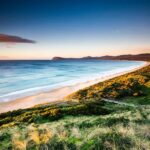
This is the moment to take advantage of the bay itself: crystal-clear water and white sand. If conditions are right for you, you can dip your toes or go for a swim, then just unwind near the forest and national park surroundings.
That post-hike decompression is more valuable than it seems. After stairs and coastal walking, sitting down for a bit helps your body recover. It also gives you time to process the views while you’re not still in motion.
Just remember: this is not a place with easy food shopping right next to you. There aren’t café facilities at Fortescue Bay.
Food reality check: what to pack for lunch and snacks
Plan your day like a hiker, not like a city tourist.
You should bring your own lunch, snacks, and water because Fortescue Bay has no café or food facilities. That said, there is a stop along the way where you can purchase a bakery-style lunch option to take with you—think sandwiches, rolls, or wraps.
If you have dietary requirements, the safest move is to come prepared with your own snacks and lunch supplies. I’d rather you feel slightly over-prepared than stuck hungry later.
Also pack sunscreen and a hat. This area can be exposed when you’re near cliff views, and you’ll be out for most of the morning and early afternoon.
Bangor Vineyard Shed: the calm finish with a wine
After the walk, the day shifts gears. On the drive back toward Hobart, there’s a stop at Bangor Vineyard Shed overlooking Boomer Bay.
This isn’t a long sightseeing detour. It’s a reward stop. You can relax on the deck with a glass of wine, try a wine tasting, or grab a bite to eat depending on what’s available that day.
Even if you don’t drink, the value here is the break from the bus and the chance to sit somewhere scenic while your legs cool down. It’s a nice way to end a hard-ish hike without turning the evening into another long push.
You’ll then continue back to Hobart and arrive in the late afternoon.
Price and value: why $110 can be fair for an iconic day
At $110 per person for a 10-hour day, you’re paying for more than a bus and a viewpoint. You’re getting:
- national park entry fees
- professional guided hiking support
- a small group capped at 10
- interpretive commentary
- the Bangor Vineyard Shed visit
The hike alone would cost you time and planning if you were doing it independently. Having guides who manage timing, breaks, and the flow of the route makes a difference—especially on a trail with stairs and undulating sections.
Is it cheap? No. But it’s also not trying to be. When you factor in the drive, the park access, the guided element, and the wine-shed stop, the total feels like a balanced day package for someone who wants one of Tasmania’s most famous coastal experiences without micromanaging logistics.
Who this tour suits best (and who should skip it)
This tour is best for active adventurers who don’t mind a workout. You’ll enjoy it most if you:
- like coastal viewpoints and sea stacks
- can handle stairs and rolling terrain
- want a guided day with scheduled breaks
- appreciate small-group pacing
It’s not suitable for children under 8, and it’s also not suitable for people with low fitness or mobility impairments (based on the hike requirements).
If you’re the type who wants to take in scenery at a steady pace and you’re comfortable with a long day on your feet, this is a strong fit.
Should you book Hobart: Cape Hauy Hike?
If you want a single-day answer to the Three Capes Track question, this is worth booking. The views are the headline, but the day is built to make those views land: realistic pacing, rest breaks, and a guide who helps you understand what you’re looking at.
Book it if you’re ready for a hike that takes effort, even if it’s not an all-day trek. Skip it if you want an easy, flat walk or you can’t manage stairs and uneven sections.
If you do book, treat the morning start seriously. Bring good shoes, pack snacks and water, and plan to move at a steady pace. Then, when you reach the lookout and see The Candlestick and Totem Pole rising from the sea, you’ll understand why this hike keeps earning attention.
FAQ
How long is the Cape Hauy hike?
The return hike is approximately 9.4 km and takes around 4 hours.
What is the total duration of the tour?
The full day runs for about 10 hours.
Where do we meet in Hobart?
You meet at the Tasmanian Travel & Information Centre, 20 Davey Street, Hobart, at 7:25am (arrive about 10 minutes early).
What should I bring for the day?
Bring comfortable shoes, a hat, camera, snacks, sunscreen, and water. Lunch is not provided at Fortescue Bay, so plan to bring your own, with snacks as backup.
Is there a food stop if Fortescue Bay has no café?
Fortescue Bay has no café or food facilities. There is a stop along the way where you can purchase bakery-style lunch to take with you, such as sandwiches, rolls, or wraps.
Can I cancel and get a full refund?
Yes. Free cancellation is available up to 24 hours in advance for a full refund.