REVIEW · HOBART
Hobart Sightseeing Cruise including Iron Pot Lighthouse
Book on Viator →Operated by Pennicott Wilderness Journeys · Bookable on Viator
Cruising to Iron Pot feels like time travel. This 2.5-hour Hobart boat trip blends Iron Pot Lighthouse drama with real maritime tales, and I especially love the close-up sightlines for photos from the water. I also like the small group feel—less crowd noise, more chance to hear the details from the crew. The one drawback: it’s mostly cruising and looking, not a hike or hands-on activity, so if you want constant motion, plan something more active too.
From Franklin Wharf you’ll ride down the River Derwent, past the Shot Tower and Wrest Point, then out toward Hope Beach and Storm Bay. The enclosed cabin and large windows help you stay comfortable while you take in Mt Wellington and the coastline—even when the weather flips.
In This Review
- Key highlights to notice before you go
- From Franklin Wharf out to Storm Bay: how the timing really feels
- The River Derwent views: Hobart landmarks from a moving perspective
- Iron Pot Lighthouse: the star of the entrance to Storm Bay
- Betsey Island and the sea caves: wildlife spotting with open-water energy
- Inside the boat: comfort, seating, and what weather does to your day
- Guide style and story flow: why the commentary changes the experience
- Price and value at $104: what you’re paying for (and what you aren’t)
- Who should book the Iron Pot Lighthouse cruise, and who might want a different day plan
- Should you book this Hobart cruise? My practical verdict
- FAQ
- How long is the Hobart cruise including Iron Pot Lighthouse?
- Where does the tour start?
- Is the group size small?
- What sights will I see on the cruise?
- Will I have food and drinks included?
- Do they pick you up from your hotel?
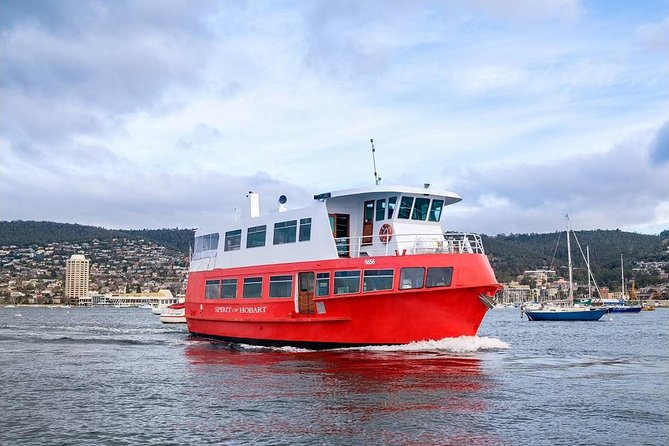
- What kind of boat will I be on?
- Is the cruise affected by weather?
- Is a mobile ticket used?
Key highlights to notice before you go
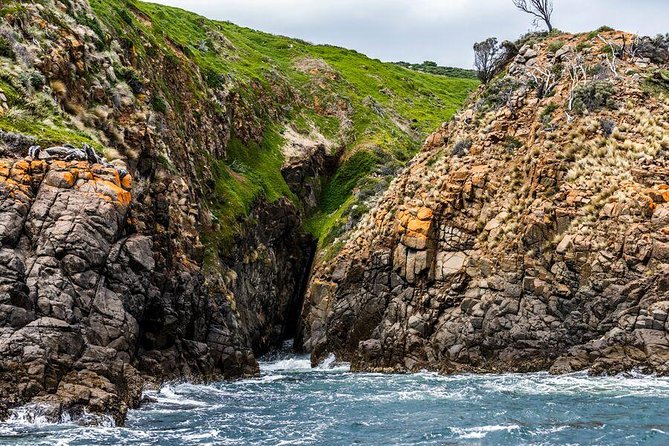
- Iron Pot Lighthouse close-up: one of Australia’s oldest lighthouses, positioned at the Derwent entrance to Storm Bay
- Sydney to Hobart Yacht Race route: you’ll travel the same water tied to the race’s final turn at Iron Pot
- Betsey Island circuit: circumnavigation plus sea-cave scenery and bird-spotting chances
- Wildlife scanning time: watch for white-bellied sea eagles and seabirds, with chances for other marine life
- Real small-group dynamics: capped at 12–14 people, with set seating that keeps views practical
From Franklin Wharf out to Storm Bay: how the timing really feels
This cruise runs for about 2 hours 30 minutes and starts at Franklin Wharf, right at the Dock Head Building for Pennicott Wilderness Journeys. You meet the crew, then walk over to the jetty and board the motorboat.
The best way to think about the schedule is not as a checklist of stops, but as a smooth loop that keeps building. Early on, you slide past Hobart’s waterfront landmarks. Then you hit the lighthouse moment at the mouth of the Derwent. After that, you move into Storm Bay for more open-water views, birds, and the feel of Tasmanian coastline with fewer buildings in sight.
You can also read our reviews of more boat tours in Hobart
The River Derwent views: Hobart landmarks from a moving perspective
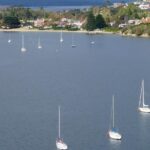
Once you leave Franklin Wharf, you’re immediately in “spotting mode.” The Derwent gives you wide angles you just don’t get from the shore, and the captain keeps the ride oriented so you can see the city and the coastline together.
You pass classic waterfront sights such as Battery Point and the Wrest Point Casino area. You’ll also go by the Shot Tower—that tall, unmistakable structure around 49 meters high. It’s one of those landmarks that looks cool from land, but it’s even more striking when the boat glides past and you can judge its scale against hills and harbor water.
If you’re the type who likes to understand where you are, the narration matters here. The crew shares how Hobart’s early days were shaped by the sea—shipwrecks, settlers, and the work of lighthouse keepers and their families. It’s not just trivia. It helps you connect the buildings and coastline to why they exist.
Iron Pot Lighthouse: the star of the entrance to Storm Bay
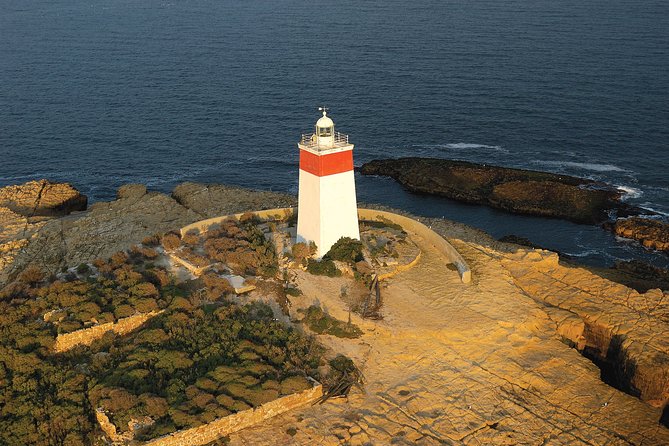
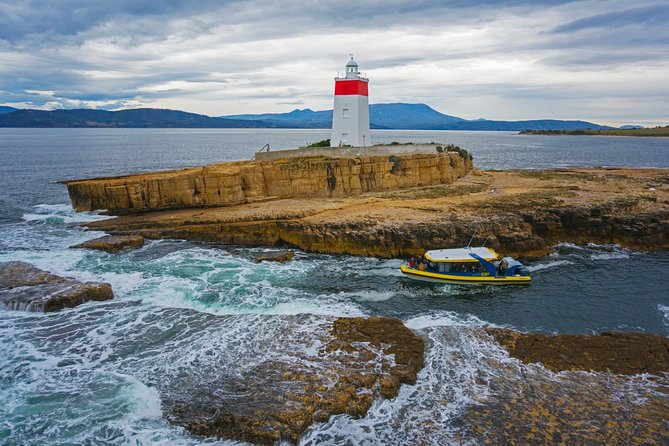
The main event is Iron Pot Lighthouse, sitting on a small rock island guarding the approach to Storm Bay. It’s famous partly because it’s historic: built in 1832 after several shipwrecks in these waters.
This is the point where the cruise shifts from “harbor sightseeing” to “maritime stakes.” The lighthouse isn’t just a pretty photo subject. It’s part of a story about risk, rescue, and how coastal navigation shaped settlement around Tasmania’s capital.
Iron Pot also ties directly to the famous Sydney to Hobart Yacht Race. The lighthouse sits on the final turn leg of the race, so you’ll hear what that means for sailors and the geography of the route. Even if you didn’t plan your trip around race day, the context makes the lighthouse feel more alive.
Practical photo tip: if the cabin is cool or windy, step out only when it’s safe and convenient, then return inside to keep your comfort. With windows all around, you can still get sharp shots without turning every minute into a balancing act on a moving deck.
Betsey Island and the sea caves: wildlife spotting with open-water energy

After the lighthouse, you head into Storm Bay toward Betsey Island. This is where the water gets more “ocean” and less “city harbor,” and you can feel the ocean swell as you approach.
You’ll circumnavigate Betsey Island, and that brings two benefits. First, you get changing angles of the island and caves. Second, the captain can position the boat for better wildlife scanning without you constantly asking where to look.
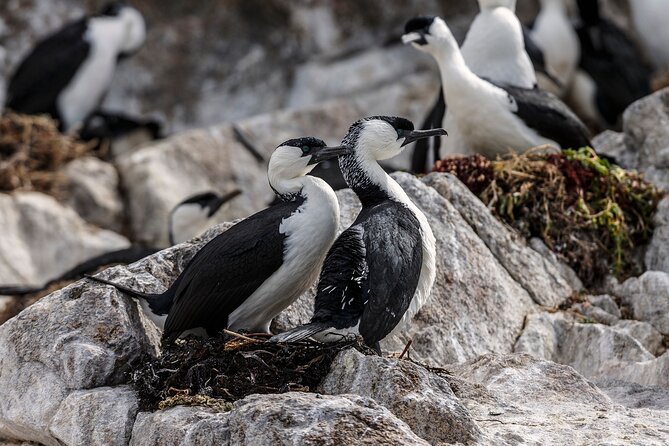
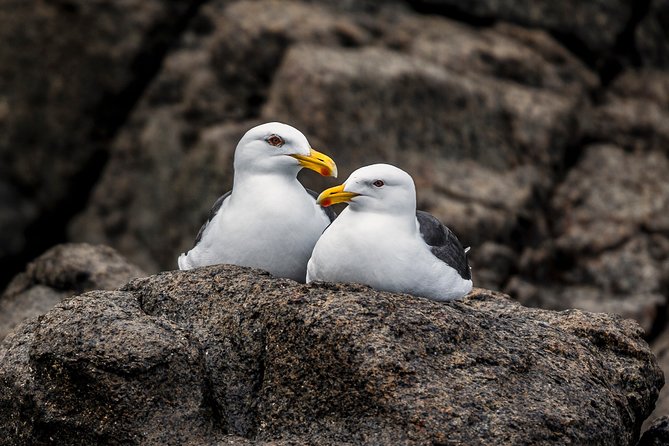
The standout wildlife target is the white-bellied sea eagle, along with other seabirds. The cruise is timed and run in a way that encourages watching, not rushing. Depending on conditions, you might also see other marine life along the shore during the return.
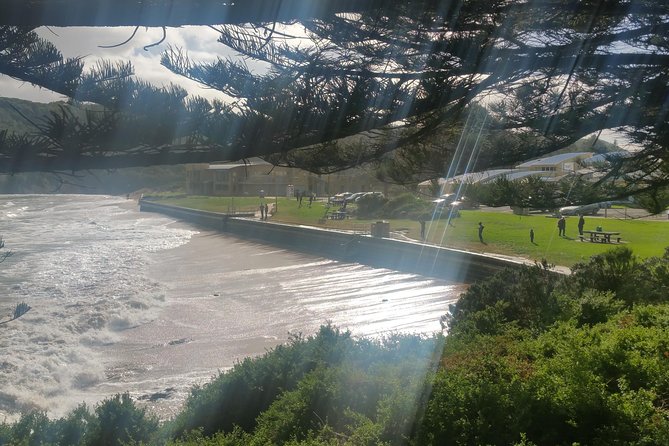
One more shore detail matters: Hope Beach. It’s known as a surf spot because of offshore winds and larger breaks. Even if you don’t surf, it’s a great coast marker when you want to picture what this shoreline looks like when the tide and swell change.
Inside the boat: comfort, seating, and what weather does to your day

The boarding setup is straightforward and designed for sightseeing comfort. You’ll be on a custom-built motorboat with leather seats and an enclosed cabin with large windows. In one of the commonly reported comfort notes, blankets show up for cooler weather—so bring layers, but don’t expect to be totally on your own.
Seating is worth paying attention to. There are 12 forward-facing seats plus 2 rear bench seats. If you care most about photos and seeing forward, aim for the forward sections. If you end up on the rear bench, you can still watch the scenery, but your angles will naturally be more sideways or back-tracking depending on the boat’s position.
Weather is always part of the deal on a Derwent-to-Storm Bay route. The operator says it runs in all weather and you should dress appropriately. If it’s truly poor weather, the experience can be rescheduled or refunded, so keep an eye on your day-of conditions and plan your Hobart schedule with some wiggle room.



Guide style and story flow: why the commentary changes the experience
The trip lives or dies on the storytelling. Across the named crew members (people like Tom, Jodie, Jordy, Luke, Hamish, Huw, Mitch, and Sean), the common thread is clear: they mix maritime context with humor and timing, so you don’t feel stuck listening to a monologue.
You’ll hear about shipwrecks and lighthouse keepers, then you’ll connect that to what you’re seeing at Iron Pot. You also get the yacht race angle, which turns the coastline into something that feels plotted rather than random. That’s a big deal when you’re only out there for 2.5 hours.
One practical upside I like: the crew often keeps an eye out for wildlife and adjusts when possible. In past runs, captains have reportedly taken extra time for sightings such as fur seals, dolphins, and even whales, which is exactly what you want on a cruise that’s partly about chance.
Price and value at $104: what you’re paying for (and what you aren’t)
At $104 per person, you’re paying for a short, guided small-group boat ride with an established route and a real lighthouse highlight. You’re not paying for a long day of transfer time, and you’re not stuck waiting in traffic loops. You’re basically paying for access: getting out on the water to see Hobart’s key maritime features from the right angles.
What’s included is the cruise and a local guide. What’s not included is food and drinks, and there’s no hotel pickup/drop-off. So if you’re budgeting, plan to eat before or after, and make sure you’re comfortable getting yourself to Franklin Wharf.
Is it worth it? If you want one signature nature-plus-history activity in Hobart, this is strong value. You get landmarks (Mt Wellington and Shot Tower views), a genuine heritage site (Iron Pot), plus a wildlife component (sea eagles and seabirds). If you already plan to spend long hours strolling Battery Point and taking photos from shore, you’ll still like this because it adds perspective rather than repeating what the waterfront already offers.
Who should book the Iron Pot Lighthouse cruise, and who might want a different day plan
This cruise suits people who like:
- taking photos from the water and seeing Hobart’s coastline in motion
- learning maritime stories tied to specific places, not generic facts
- wildlife spotting with guided scanning time
- a small group outing that feels more personal than a big ferry
It may not suit you as well if you want nonstop action or lots of stops. One solo traveler feedback point called it a bit calm or boring for a more active style—so if you’re that type, consider pairing this with something land-based and active on the same trip (a short hike near Mt Wellington, for example) so your day feels balanced.
Also, if you’re planning your day tightly, remember the cruise is a fixed block of time. It runs for about 2.5 hours, ends back at the meeting point, and doesn’t include hotel logistics.
Should you book this Hobart cruise? My practical verdict
If you’re in Hobart for a few days and you want one experience that feels both scenic and meaningful, I think this is a solid pick. The Iron Pot Lighthouse moment is the kind of specific, place-based highlight that makes a short cruise feel like more than just a ride. Add the small group size, the enclosed cabin comfort, and the chance to spot seabirds, and you’re set up for a memorable afternoon even when the weather isn’t perfect.
Book it if you can dress for wind and water. Bring layers, keep your camera ready, and plan to do lunch afterward. Skip it if you hate motion or you only want active touring with lots of walking and quick stops.
FAQ
How long is the Hobart cruise including Iron Pot Lighthouse?
It runs for about 2 hours 30 minutes.
Where does the tour start?
The meeting point is Pennicott Wilderness Journeys, Dock Head Building, Franklin Wharf, Hobart TAS 7000.
Is the group size small?
Yes. It’s a small-group experience with a maximum of 12–14 people.
What sights will I see on the cruise?
You’ll pass landmarks such as Battery Point, Wrest Point Casino, and the Shot Tower, then cruise to Iron Pot Lighthouse, out into Storm Bay, and around Betsey Island, with views that can include Mt Wellington and Hope Beach.
Will I have food and drinks included?
No. Food and drinks are not included.
Do they pick you up from your hotel?
No. Hotel pickup and drop-off are not included.
What kind of boat will I be on?
You’ll board a motorboat with leather seats and an enclosed cabin with large windows.
Is the cruise affected by weather?
It operates in all weather conditions, and you should dress appropriately. If it’s canceled due to poor weather, you’ll be offered a different date or a full refund.
Is a mobile ticket used?
Yes, you’ll have a mobile ticket.