REVIEW · NOOSA AND SUNSHINE COAST
Mooloolaba Whale Watching – Small Group Tour
Book on Viator →Operated by Adventure Rafting Mooloolaba · Bookable on Viator
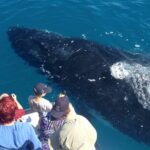
Whales get close when the water and timing line up. This tour adds an extra layer of fun by pairing whale-spotting with a hydrophone listening session, so you’re not just looking—you’re hearing the sea talk. I love that the crew also mixes in coastline viewpoints along the Sunshine Coast as you head out.
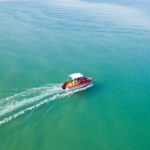
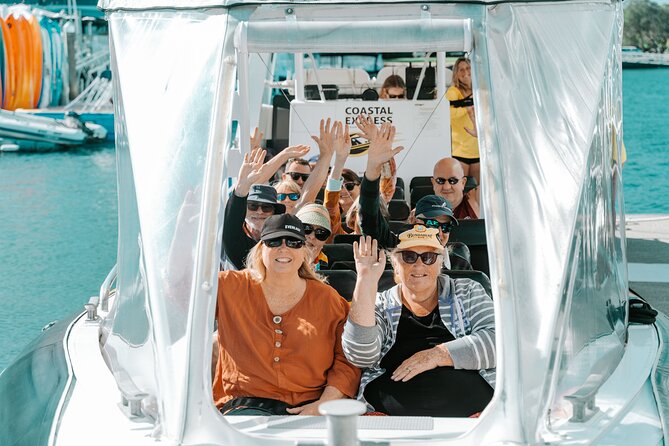
The best part is how it feels like a proper whale experience, not a rushed checklist. You’ll cruise with a small group (up to 20 for top sight lines) and get onboard commentary from a local skipper as the coastline unfolds. The one drawback to plan for: this is a quick ride, and you can get wet with the speed and spray.
In This Review
- Key things I’d circle before you go
- Whale song and coastal views, all in one 2-hour run
- Price and value: what you’re really paying for
- Getting there: Mooloolaba Wharf is easy to find
- What the skipper actually does for you
- Whale spotting tips: how to get the best experience out of two hours
- Stop 1: Mooloolaba Beach for a classic Sunshine Coast entry
- Stop 2: Point Cartwright and the ocean-meets-headland views
- Stop 3: Alexandra Headland for relaxed coastal frontage
- Stop 4: Mudjimba Island (Old Woman Island) and Aboriginal legends
- Comfort and what to wear on a fast boat
- Who should book this whale-watching small group tour?
- Should you book Mooloolaba Whale Watching with hydrophone and small-group cruising?
- FAQ
- How long is the Mooloolaba Whale Watching small group tour?
- Where is the meeting point for the tour?
- Is this a private tour?
- What ages are allowed on the tour?
- Is the tour suitable for pregnant travelers?
- What’s included in the price?
- What happens if weather is poor?
Key things I’d circle before you go
- Hydrophone whale listening: an underwater audio experience that turns sightings into something you can track.
- Underwater camera tech: state-of-the-art capture equipment that adds a modern twist to the outing.
- Up to 20 people for visibility: small enough to see better, big enough for a lively vibe.
- Coast stops built in: Mooloolaba, Point Cartwright, Alexandra Headland, and Mudjimba Island views between whale search windows.
- Crew keeps the hunt moving: multiple boats in the area help coordinate sightings so you’re not waiting around blindly.
- Two hours feels just right: short trip length, big scenery payoff.
Whale song and coastal views, all in one 2-hour run
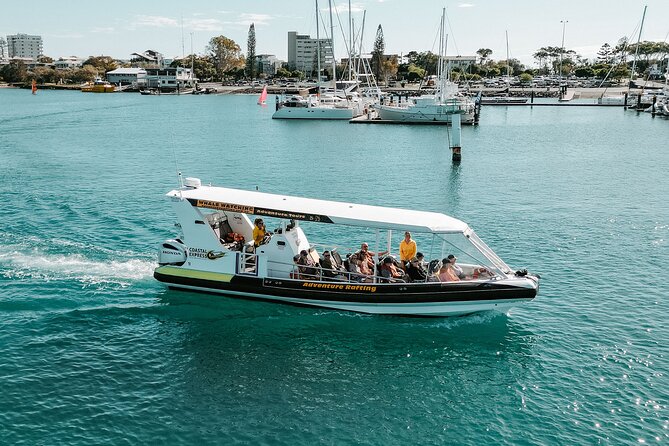
This is the kind of tour where the destination is the whales, but the ride is half the memory. Out on the water near Mooloolaba, you get those classic moments—watching for breaching, tracking movement on the horizon, and reacting fast when the crew calls a sighting. What makes this one different is that the hydrophone puts you in closer contact with whale presence, even when you’re not looking straight at a spout.
And you still get a real taste of the Sunshine Coast coastline. As you move along, you pass well-known headlands and beaches such as Point Cartwright and Alexandra Headland, then cruise toward Mudjimba Island (Old Woman Island), about 1 km off the coast. It’s a nice rhythm: scenic cruising, quick whale-search bursts, then more coastal scenery.
If you’ve only ever seen whales from a distance, I think you’ll appreciate the added sensory layer. It’s also a good choice for first-timers, because the skipper’s running commentary helps you understand what you’re seeing while you’re seeing it.
You can also read our reviews of more whale watching tours in Noosa and Sunshine Coast

Price and value: what you’re really paying for
At $71.01 per person for around two hours, this isn’t “cheap,” but it also isn’t a day-long commitment. The value is in three areas: time efficiency, small-group setup, and the extras that make whale watching feel more interactive.
First, the duration matters. Two hours on the water is long enough for a proper attempt, but short enough that you’re not stuck on a boat all day waiting for the ocean to cooperate. Second, the group size up to 20 is designed for better viewing than giant departures. Third, the included tech—underwater camera experience plus hydrophone listening—gives you something beyond spotting, which can be hit-or-miss depending on the day.
You’ll also find that departure timing tends to be popular. On average, this gets booked about 23 days in advance, so if your plans are set, I’d lock in sooner rather than later.
Getting there: Mooloolaba Wharf is easy to find
You meet at 123 Parkyn Parade, Mooloolaba at the wharf. That’s the practical part: it’s straightforward to locate, and the tour ends back at the same starting point. You’ll use a mobile ticket, so you can keep things simple and travel light.
The tour description notes it’s near public transportation, which is helpful if you don’t want to fuss with parking. It’s also a good fit for people who want a quick start to an ocean day without a complicated transfer.
One more practical note: the tour is private in the sense that only your group participates. That can make the whole experience feel less crowded and more focused, especially when the crew is trying to get everyone’s eyes in the same direction for a sighting.
What the skipper actually does for you
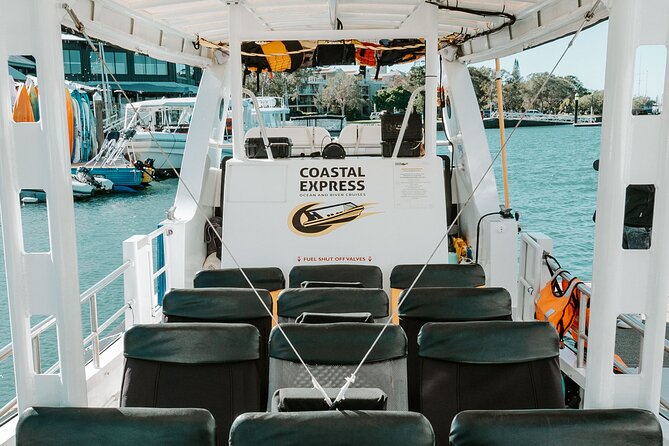
The local skipper’s role isn’t just narration. They’re also managing the hunt. Whale watching is mostly about repositioning, and this tour’s format is built around keeping your attention on the right places at the right time.
You’ll get commentary along the way, which helps you connect the scenery to the ocean’s behavior. Expect the crew to point out areas of interest as you cruise past headlands and islands, then shift focus quickly when they spot whale activity.
A key detail I’d take seriously from the experience style: boats in the area communicate about sightings. That means you’re not stuck with the same approach the whole time. When a whale is sighted nearby, the crew can react and move in the direction that gives you better odds.
Whale spotting tips: how to get the best experience out of two hours
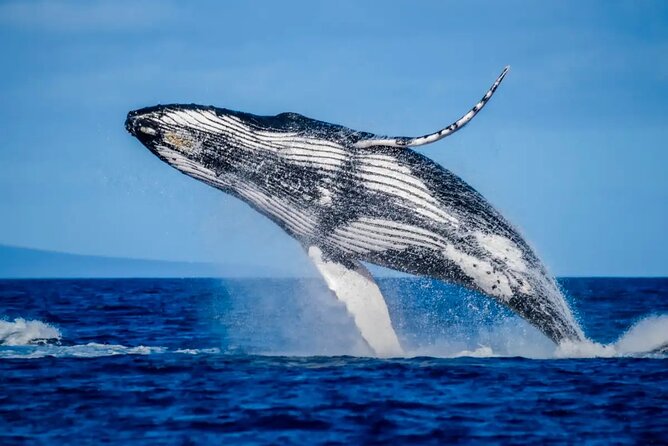
You don’t control the whales. But you can control how ready you are.
Here’s how I’d approach it as your goal for the session:
- Keep your gaze up and forward, not on your phone.
- When the crew points, switch your attention immediately—whales can appear fast and then vanish.
- Stay alert during transitions as the boat adjusts course. Those short moments often lead to the most excitement.
The tour also gives you the hydrophone listening experience, which is a smart backup when visibility isn’t perfect. Even if whales don’t breach right in front of you, you still get that underwater sound component that makes the outing feel connected to real whale presence.
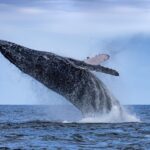
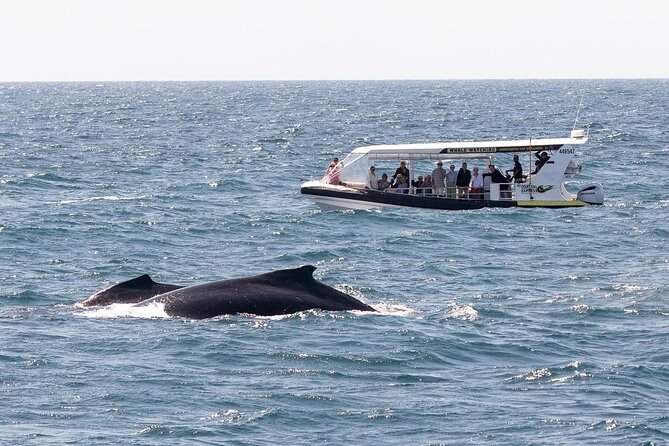
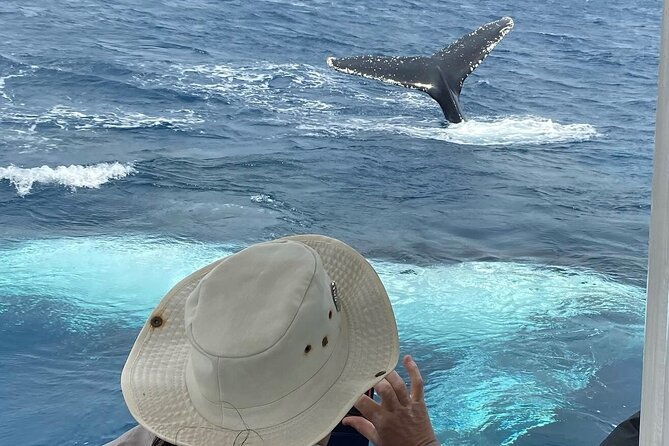
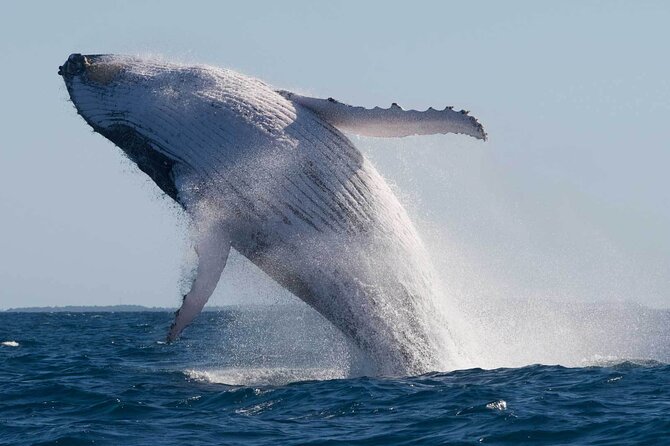
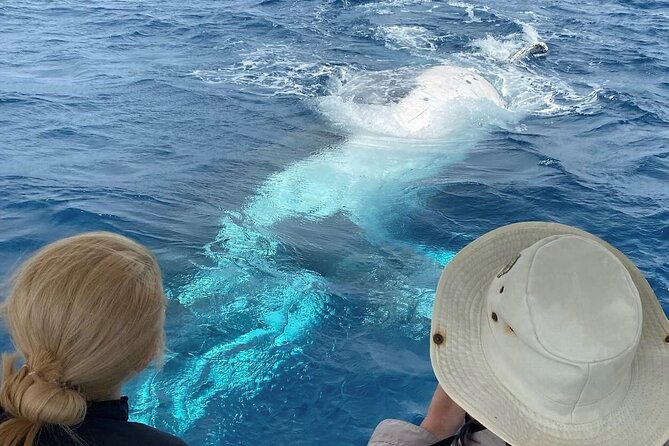
And yes, breaching can happen. People have had stand-out moments like a baby calf breach, plus sightings described as mother, calf, and escort. Since whales are wild animals and sightings vary, treat that as a possibility—not a guarantee—but it’s exactly the kind of moment this tour is set up to react to.



Stop 1: Mooloolaba Beach for a classic Sunshine Coast entry
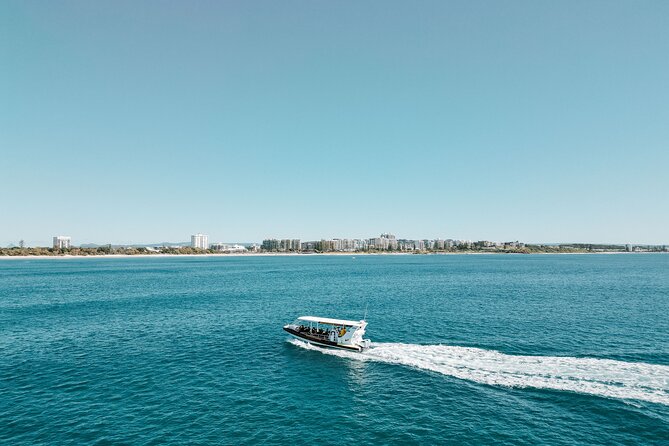
You begin with Mooloolaba Beach, which is recently voted the number sixth best beach in Australia by TripAdvisor. That matters because it frames the trip with a sense of place: you’re starting where the coastline is already famous, not somewhere random.
You’ll also get the feel of the area’s coastal vibe before heading deeper into the whale-search portion of the day. If you’re the type who likes scenery as much as animals, this first stop helps you settle in and orient quickly.
A practical drawback to keep in mind: like many coastal boat trips, the timing of what you see can depend on conditions. Choppy water can affect how long you spend looking at shore, even if the stop itself is planned. The upside is that the route still includes plenty of other viewpoints.
Stop 2: Point Cartwright and the ocean-meets-headland views
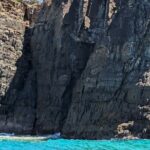
Next up is Point Cartwright, at the northern end of Kawana Beach. It’s described as a stunning spot flanked by ocean on one side and the Mooloolah River on the other. That mix of water types often gives coastline cruises a bit of visual variety, and it can help your brain “read” the shoreline as you track where whales might move through the area.
This stop also has a big visual payoff because it sits at the base of the headland—so you tend to get sweeping views in more than one direction. If you like photography, this is the kind of moment where the boat angle can make a difference.
One consideration: headlands can be exposed. If it’s windy, you may feel it more here, especially on a fast boat ride. Pack for weather, not for assumptions.
Stop 3: Alexandra Headland for relaxed coastal frontage
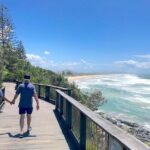
Then you head to Alexandra Headland, known for its relaxed, laid-back atmosphere and its beach-and-surf presence. The main attraction here is the coastal frontage, which gives you another stretch of recognizable scenery.
What I like about this stop is that it breaks up the trip mentally. You’ve got an animal-focused goal, but you also get a real taste of how locals and visitors experience the Sunshine Coast—rolling surf, beach views, and that easygoing headland feel.
The only drawback is the same one that applies to all cruise viewing: water conditions. If the sea is rougher, the view across the water can get less crisp, and you may have to work harder to keep your footing and your attention steady.
Stop 4: Mudjimba Island (Old Woman Island) and Aboriginal legends
Finally, you reach Old Woman Island, also called Mudjimba Island, located about 1 km off the coast. Being offshore means you get island views without having to do a land walk, which keeps the tour moving and keeps your whale-search window intact.
There’s also a story attached to the island. The tour info points out Aboriginal legends about Mudjimba Island, including one tale that links the island to an epic battle between two men. That cultural context adds meaning to what can otherwise be just another piece of shoreline.
Is there a downside? Off-shore islands can be affected by haze or light changes. On a dull day, the island may look less dramatic from the water. But even on those days, the island still helps you anchor the route, and it keeps the cruise feeling purposeful.
Comfort and what to wear on a fast boat
Based on the tone of the experience, I’d plan for movement and possible spray. One featured highlight describes how the boat feels fast and how everyone ended up getting wet. That’s not a reason to avoid the tour—it’s a reason to dress for it.
So think practical:
- Wear a light layer you can handle getting damp.
- Bring a change of clothes if you can, especially if you’re pairing this with other plans the same day.
- If you get cold easily, plan for wind as well as water.
Also remember the tour notes a moderate physical fitness level is required. That doesn’t mean you need athletic training, but you should be comfortable with being on a boat, moving around, and handling normal activity during a cruise.
Children must be 5 years or older, which makes it workable for families who can follow instructions and handle a short outing on open water.
Who should book this whale-watching small group tour?
This tour fits best if you want three things at once: whales, good storytelling from the skipper, and an enjoyable coastal cruise.
You’ll likely love it if:
- You’re a first-time whale watcher and want whale behavior explained while you’re actively searching.
- You care about the listening component and want hydrophone whale song to add a second channel to the experience.
- You want a small-group format that keeps sight lines strong and attention focused.
You should think twice if:
- You’re pregnant. The tour information says it’s not for pregnant travelers.
- You’re planning to do it with very young kids. The minimum age is 5.
- You dislike getting a bit wet on fast water.
And if you’re the type who hates long waits for nature, the two-hour structure is a strong match. It’s short enough to feel efficient, but designed to still give the crew time to work the area.
Should you book Mooloolaba Whale Watching with hydrophone and small-group cruising?
If your idea of a great whale trip includes more than just scanning the horizon, I’d say yes. The biggest reason is the combination: hydrophone whale listening plus underwater camera technology plus a route that gives you real coastal stops like Point Cartwright, Alexandra Headland, and Mudjimba Island. Even when whale sightings don’t unfold exactly the way you hope, the experience still has built-in layers that make it feel complete.
Book it now if you’re planning around a weather window and you like small-group tours that stay flexible. If you hate spray or cold wind, dress for it anyway—because this one is all about energy, and the boat can be quick.
If you’re okay with that, you’re in for one of the more engaging forms of whale watching on the Sunshine Coast: the sights, the sounds, and the scenery, all packed into about two hours.
FAQ
How long is the Mooloolaba Whale Watching small group tour?
The tour duration is approximately 2 hours.
Where is the meeting point for the tour?
You meet at the Wharf Mooloolaba, 123 Parkyn Parade, Mooloolaba QLD 4557, Australia. The tour ends back at the meeting point.
Is this a private tour?
Yes. Only your group will participate.
What ages are allowed on the tour?
Children must be 5 years or older.
Is the tour suitable for pregnant travelers?
No. If you’re pregnant, this tour is not for you.
What’s included in the price?
Included are all fees and taxes, an expert guide/skipper and commentary, a state-of-the-art underwater camera experience, and a hydrophone listening experience.
What happens if weather is poor?
This experience requires good weather. If it’s canceled due to poor weather, you’ll be offered a different date or a full refund.