REVIEW · NOOSA AND SUNSHINE COAST
Noosa Ocean Adventures: Whale Watch
Book on Viator →Operated by Noosa Ocean Adventures · Bookable on Viator
Whales in Noosa, with a speedboat twist. This 2-hour small-group cruise is built for real whale-spotting time, plus plenty of chat with the skipper. You also get the thrill of a route that targets visibility over the Noosa Bar, with Noosa National Park views from the water.
I especially like that the tour keeps things tight and social, with a maximum of 12 passengers, so it feels less like cattle-herding and more like sharing the hunt. The other strong point is the guide-led spotting: you’re out scanning for humpbacks first, then watching for dolphins, turtles, stingrays, and sea birds as you cruise the coastline. One consideration: this is a fast boat, so if conditions get choppy, the ride can be rough for some people.
In This Review
- Key points before you go
- Noosa Thriller speedboat whale watch: what makes it work
- Price and value: is $68.14 a fair deal?
- Timing in Noosa: tides decide when you leave
- Meeting point to wave break: what the first 30 minutes feel like
- Off Noosa Headland: what you’ll actually be watching for
- The Noosa Bar route: thrill ride energy, better sightlines
- Small-group comfort: why the cap at 12 matters
- Skipper personalities and safety: the human factor
- What if you don’t see whales?
- Who should book this whale watch (and who might not)
- Should you book Noosa Ocean Adventures Whale Watch?
- FAQ
- How long is the whale watch cruise?
- Where does the tour start and end?
- How many people are on the tour?
- What marine animals are you likely to see?
- Is food and drinks included?
- What should I do about the departure time?
- What gear is provided for the cruise?
- Do I need hotel pickup?
- Is the tour mobile-ticket based?
- What happens if the tour is canceled due to weather?
Key points before you go
- Max 12 passengers means you can actually talk with the skipper during the cruise
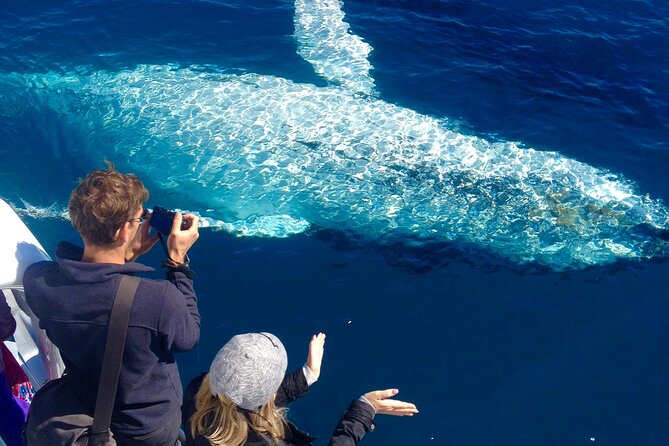
- Humpback whales are the main target off Noosa Headland National Park
- Noosa Bar route is chosen for better ocean views while you head out for sightings
- Safety-first boarding includes a briefing and life jackets before you go
- Weather-ready gear: a lightweight rain jacket or poncho is provided if needed
Noosa Thriller speedboat whale watch: what makes it work
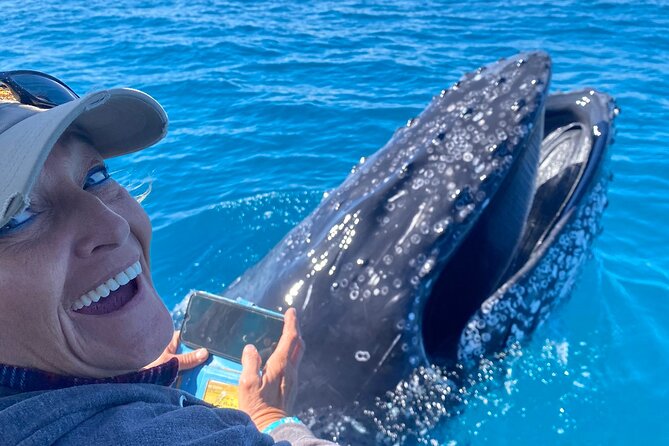
Noosa whale watching works best when you balance two things: time on the water and time spent looking the right way. This tour is built around both. You’re not cruising in circles for long stretches hoping for the best. Instead, the plan is to get out toward the humpback migration routes off the Noosa coast while the boat’s skipper positions the group for sightlines.
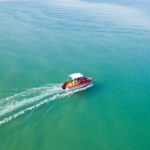
And yes, you get the “speedboat fun” angle. The Noosa Thriller heads over surf areas when conditions allow, which can make the trip feel more like an adventure than a slow drift. The practical upside for you is that a quicker craft can help the skipper react faster if a whale comes up somewhere unexpected.
The vibe is also refreshingly human. With a maximum of 12 onboard, it’s easy to ask questions, point out what you’re seeing, and get coached on what to look for (like spouts and surface activity). The best tours aren’t just about sightings—they’re about making sure you’re equipped to spot them.
From the rating you can see the pattern: this is one of those experiences where people leave happy more often than not. With a 4.8 rating and 94% recommending it, the odds are in your favor—assuming you’re comfortable with the realities of open-ocean wildlife watching.
You can also read our reviews of more whale watching tours in Noosa and Sunshine Coast
Price and value: is $68.14 a fair deal?
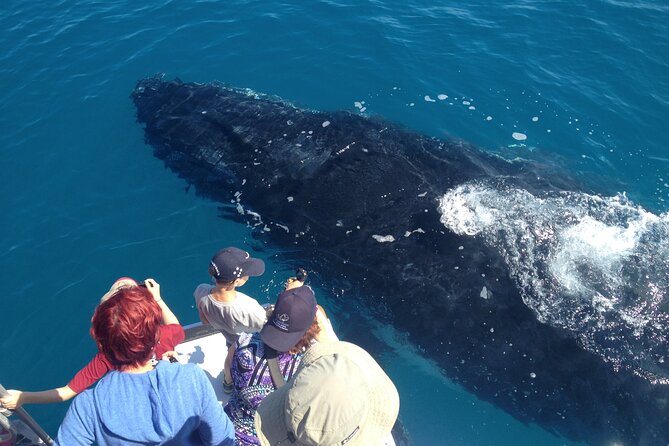
At $68.14 per person for about two hours, you’re paying for more than “a boat ride.” You’re paying for certified leadership, safety gear, and a small-group setup that actually improves your chances of a satisfying outing.
Here’s what’s included that matters for value:
- A 2-hour whale watching cruise
- A professional, certified skipper/guide
- Life jackets and a safety briefing
- A lightweight rain jacket or poncho if weather calls for it
- A small-group experience capped at 12 passengers
- Mobile ticketing, which makes check-in simpler
- The departure structure: you arrive early (more on that below) for briefing and readiness
Food and drinks are not included, so you’ll want to plan to eat elsewhere before or after. But for the core experience—time on the water with skilled navigation and active whale-spotting—this pricing feels reasonable.
If you’re comparing on value rather than just cost, the biggest “buy” here is the small group. When there are fewer people, the skipper can communicate better, and you’re not stuck craning around strangers every time someone spots a blow or a fin.
Also, you’re not paying for just one species promise. Humpback whales are the target, but the cruise also offers a realistic chance to see other marine life like dolphins, turtles, stingrays, and sea birds, depending on where the whales and other animals are moving that day. Wildlife doesn’t come with guarantees, but the tour is designed to keep your attention where the action is.
Timing in Noosa: tides decide when you leave
One thing to plan around is that the departure time varies due to tides. That’s not a dealbreaker, but it does mean you should treat your schedule as flexible.
Your best move: confirm the exact departure time by messaging or texting the company (they specifically ask you to do this). You don’t want to be the person who’s stuck waiting around too early—or late—when the tide shift changes the best window to run out safely and effectively.
The overall duration is about two hours, but the experience begins before you even step onto the boat. You should plan on arriving 30 minutes before departure so the safety briefing and prep can happen smoothly.
If you’re combining this with other Noosa activities—like a national park walk or beach time—leave buffer space. Noosa days are easy to fill, but tide timing can nudge your plan slightly. This tour is built for that reality.
The good news: if the weather is poor and the tour has to be canceled, you’re offered another date or a full refund. That’s important in subtropical ocean country, where conditions can change quickly.
Meeting point to wave break: what the first 30 minutes feel like
The cruise meets at 194 Gympie Terrace, Noosaville QLD 4566. The tour ends back at the same location, so you’re not dealing with a complicated end-of-day transfer.
Arrive 30 minutes before departure. That early window isn’t wasted time. It’s for the safety briefing and to get everyone sorted with life jackets. If you’ve ever joined a tour where people scramble at the last second, you’ll appreciate how deliberate this setup is.
You’ll also be handed a lightweight rain jacket or poncho depending on weather. Even if it’s sunny on shore, ocean conditions can feel cooler or wetter once you’re moving. Having the gear on hand means you don’t have to buy emergency protection.
From the way this tour is run, the skipper’s style matters. Several firsthand-style comments highlight captains who keep the mood upbeat while still prioritizing safety—someone you can listen to without feeling lectured. That combination helps you relax enough to focus on the actual mission: spotting whales and enjoying the coastline.
And because this is a small group (up to 12), you’ll likely get personal attention fast—like where to stand for best views, what to look for, and how to signal the rest of the group when you spot activity.
Off Noosa Headland: what you’ll actually be watching for
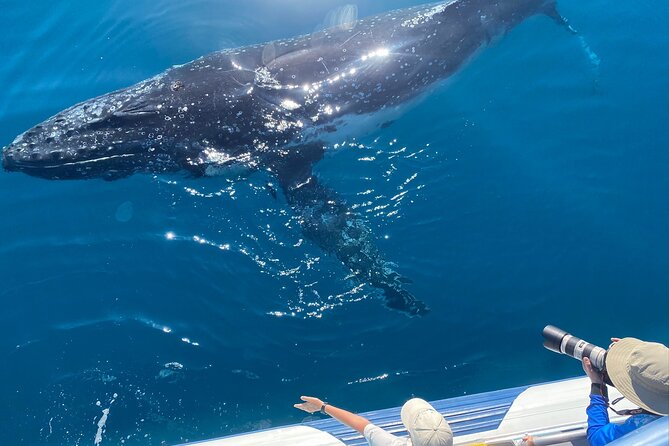
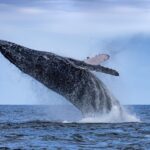
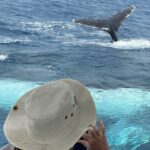
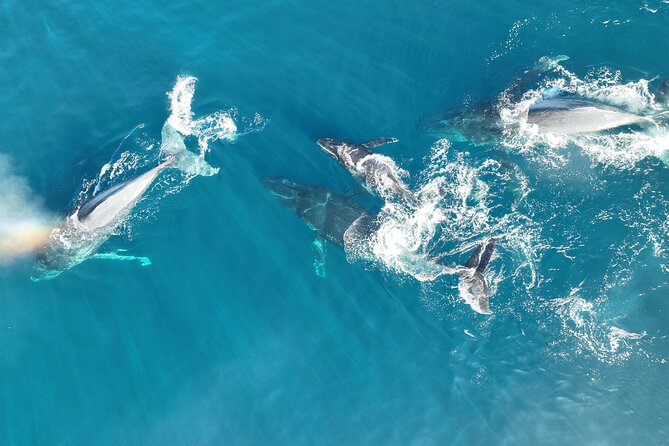
The headline target is humpback whales during their annual migration. The tour is timed and routed so you pass and look near Noosa Headland National Park, where migration activity can show up offshore.
When it works, the experience can feel like switching from reading about whales to watching them in action. You’re scanning for the typical surface tells:
- spouts and sudden surface breaks
- breaches or energetic surface behavior (when conditions and timing line up)
- the movement patterns that suggest a pod is close
Beyond whales, the tour is also positioned as a broader marine-life scan. Depending on what’s happening offshore that day, you might see:
- dolphins
- turtles
- stingrays
- various sea birds
This is one of those “don’t only look at one thing” tours. The skipper actively steers your attention, and you’re encouraged to watch the coastline line and the water surface, not just chase the biggest splash.
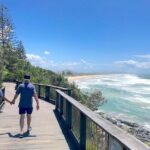
There’s also a scenery payoff. Even on days when sightings are modest, being out with a view back toward Noosa National Park changes how you understand the area. Shorelines look one way from a path; from water, you see how the coastline curves and where the open ocean funnel starts.
So if you’re coming for nature with a little excitement, this setup fits. It’s wildlife watching, but with a pace that keeps your eyes busy.




The Noosa Bar route: thrill ride energy, better sightlines
One of the distinctive parts here is the boat’s chosen route over the Noosa Bar. That matters because sightlines are everything in whale watching. You’re not just going out—you’re going out in a way that aims for visibility.
This is also where the “adventure” feeling comes from. A faster craft running over or near surf can feel exciting, even if everyone is wearing life jackets and the skipper is making smart calls about speed and positioning.
Some people love this part because it adds movement and anticipation. You’re not stuck sitting while everyone waits. You’re moving toward the best odds, and when the lookout spot lines up, the group pays attention fast.
That said, here’s your honest consideration: if sea conditions are rough, a speedboat ride can feel rough. One reported issue involved choppy conditions where a person nearby felt unwell. I can’t predict that for your day, but I can tell you the important takeaway: don’t ignore the “moderate physical fitness” note, and if you’re sensitive to motion, consider how you handle boats in general.
The best approach is mindset plus readiness. Bring a calm attitude, dress for weather, and trust that the skipper’s job is to keep you safe while still chasing the viewing chances.
Small-group comfort: why the cap at 12 matters
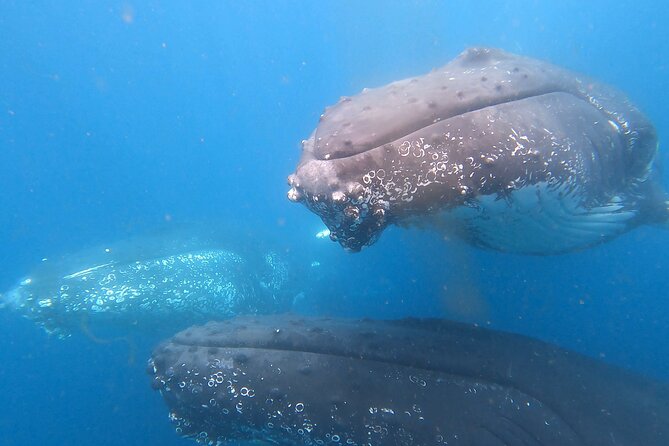
When a tour caps at 12 passengers, it changes the entire experience. You get better communication. You’re closer to the skipper’s attention. And when a whale surfaces, you’re not trying to share a tiny viewing window with a packed deck.
This tour also gives you time to participate in spotting. Several comments emphasize that the skipper doesn’t just talk at you. Instead, they encourage the group to help identify where activity is happening—so everyone knows where to look together.
That matters because whale sightings can be quick. You might only get a few seconds of a blow or a fin before the whale moves. When you’re given a specific location in the water and everyone’s eyes are lined up, you’re more likely to catch the best moment.
Also, with fewer people, it’s easier to maintain a comfortable stance on deck and move around for views. Even if you don’t get perfect whale action, the experience tends to feel more personal and less chaotic.
Lastly, the small group can make the ride feel more fun. You can chat, laugh, and stay engaged with the guide’s commentary as the skipper runs the route.
Skipper personalities and safety: the human factor
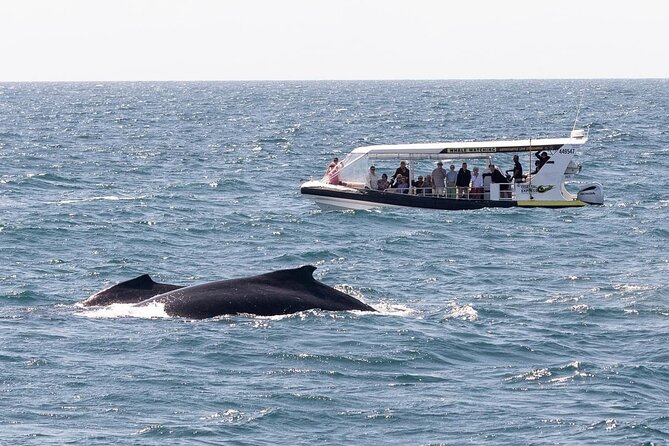
Safety isn’t a separate activity here. It’s part of the rhythm from the moment you arrive early. You’ll get life jackets and a safety briefing before you head out.
Then the skipper takes over the “how do we find whales today?” work. Captains associated with this operation include people like Burt, Bill, and the broader team led by Brent and Min (as reflected in the way the operation is described). The common theme is a mix of humor, focus, and real whale behavior talk.
Why you should care: whale watching is not only about luck. It’s about patience, positioning, and knowing how to read the day. A good skipper helps you understand what you’re seeing and keeps the group working together instead of waiting passively.
And when you’re on a speedboat, confidence matters. People often mention that they felt safe and that the skipper handled navigation calmly, even when the ride had more energy.
What if you don’t see whales?
This is the part nobody likes to think about, but it’s part of any wildlife cruise. You’re targeting humpbacks during migration, which improves your chances, but marine life moves on its own schedule.
The practical way to handle this is to set expectations correctly:
- You’ll spend real time scanning and looking.
- You’ll likely see at least some marine life depending on conditions (dolphins are often seen, but it’s not guaranteed).
- If the weather makes conditions unsafe or too poor to run, the tour may be canceled and you’ll be offered a different date or a full refund.
The tour’s high rating is a good sign that most outings deliver what people hope for. Still, if whale sightings are the only thing you want, it helps to pair this with a broader “nature day” mindset so you enjoy the entire outing no matter what pops up.
Who should book this whale watch (and who might not)
This tour fits best if you:
- want a small-group whale watch where you can actually talk
- prefer an active style of boating over a slow drift
- enjoy guided wildlife spotting with commentary
- are okay with open water and moderate conditions
It might be less ideal if you:
- get motion sick easily (a speedboat ride can feel rough in choppy weather)
- expect total comfort above all else
- need a long, seated cruise style rather than an “eyes up, spot fast” approach
The tour notes moderate physical fitness, which matters more than it sounds. Even though you’re on the water, you still need to manage boarding, standing in place, and moving around for views.
Also, since there’s no hotel pickup or drop-off, plan to get to Noosaville’s meeting point on your own.
Should you book Noosa Ocean Adventures Whale Watch?
If you want a whale watch that feels lively, social, and actively guided, I think you’ll enjoy this. The combination of small-group size (max 12), a route designed for good viewing, and a safety-first setup makes it a smart choice in Noosa.
Book it if:
- humpback whales are your goal
- you’re excited by the speedboat energy and the chance to see other marine animals
- you like tours where the skipper talks with the group, not around it
Consider skipping or rethinking if:
- you’re very sensitive to boat motion
- you need a fully calm ride in all conditions
- you dislike any uncertainty that comes with wildlife timing
One final tip: message/text to confirm the tide-adjusted departure time, show up early for the briefing, and dress for ocean weather even if the beach looks perfect. Do those three things, and your odds of a memorable whale day go way up.
FAQ
How long is the whale watch cruise?
It runs for about 2 hours.
Where does the tour start and end?
The meeting point is 194 Gympie Terrace, Noosaville QLD 4566, Australia, and the tour ends back at the same location.
How many people are on the tour?
The tour has a maximum of 12 travelers.
What marine animals are you likely to see?
The main target is humpback whales. You may also spot other marine life such as dolphins, turtles, stingrays, and sea birds, depending on conditions.
Is food and drinks included?
No. Food and drinks are not included.
What should I do about the departure time?
The departure time varies due to tides. You should message or text the company to confirm the exact time before you go.
What gear is provided for the cruise?
You’ll get life jackets and a safety briefing. A lightweight rain jacket or poncho is provided if needed based on weather.
Do I need hotel pickup?
No. Hotel pickup and drop-off are not included.
Is the tour mobile-ticket based?
Yes. The experience uses a mobile ticket.
What happens if the tour is canceled due to weather?
If it’s canceled due to poor weather, you’ll be offered a different date or a full refund.