REVIEW · DARWIN
Royal Flying Doctor Service Tourist Facility: Two Iconic Territory Stories
Book on Viator →Operated by Royal Flying Doctor Service Darwin Tourist Facility · Bookable on Viator
Two iconic Territory stories, in one visit. The Royal Flying Doctor Service Darwin Tourist Facility uses hologram cinema to bring Rev John Flynn’s vision to life, then links it to the WWII story of Darwin. It’s a smart, family-friendly way to make sense of medical rescue and history without needing a degree in aviation or war.
I especially like the mix of interactive tech and practical details—things you can see, hear, and do at your own speed. The main consideration: it’s a self-guided setup with an intro overview, so if you want nonstop narration from start to finish, plan to read the displays and use staff help when you have questions.
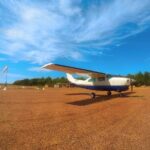
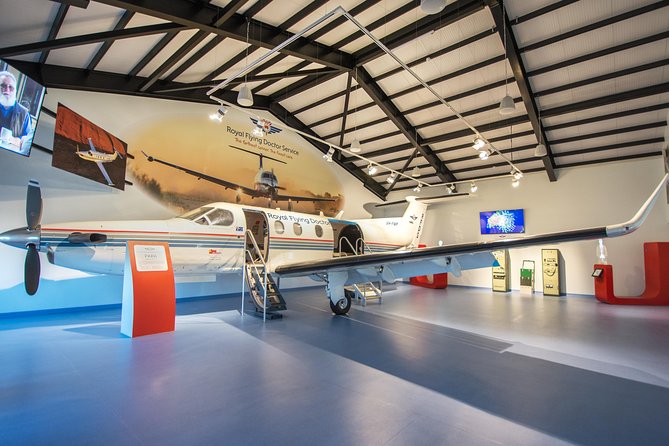
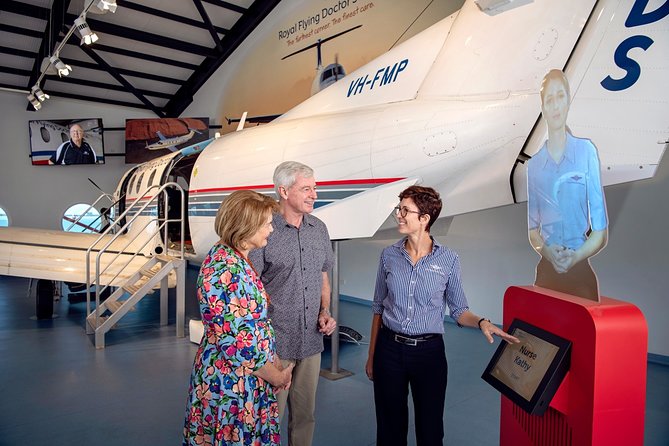
The second part that really works is climbing aboard a decommissioned RFDS Pilatus PC-12, aero-medically equipped. It turns a big idea (flying medical care) into something you can understand fast by standing in the real space.
In This Review
- Key things to know before you go
- Entering The RFDS Darwin Tourist Facility With Two Stories, One Message
- Price and timing: how to get value from a 2-hour visit
- Hologram cinema on Rev John Flynn: the technology part that still feels human
- Boarding a decommissioned RFDS Pilatus PC-12: why the aircraft walk-through clicks
- VR and the bombing of Darwin: learning with a respectful, hands-on approach
- Self-guided museum flow: how to structure your visit without missing the best parts
- Comfort, languages, and family fit in Darwin’s heat
- Gift shop and souvenirs: buy what you’ll actually use
- Pairing this stop with Darwin’s other history sights
- Should you book the RFDS Darwin Tourist Facility?
- FAQ
- How long does the Royal Flying Doctor Service Darwin Tourist Facility take?
- How much is a ticket?
- Can I choose an entrance time during the day?
- Is the facility tour self-guided?
- What are the main experiences inside?
- Are there audio translations for the hologram cinema?
- What is the refund policy if I cancel?
Key things to know before you go
- Hologram cinema on Rev John Flynn: a life-size, technology-forward story of the RFDS vision coming to reality
- Audio translations for the hologram sessions: Japanese, German, French, and Simplified Chinese
- Aircraft access: step inside a decommissioned RFDS Pilatus PC-12 with aero-medical equipment
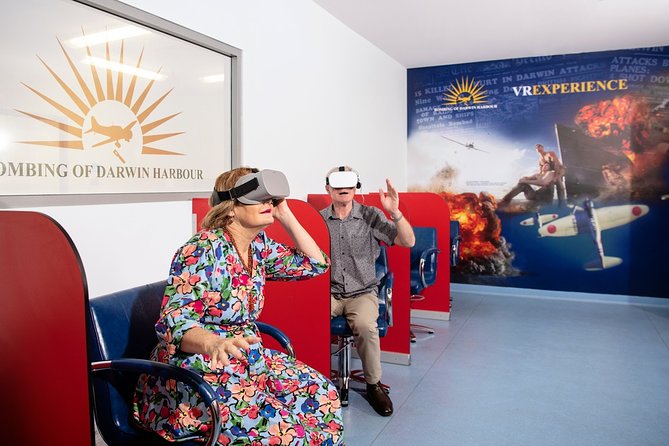
- VR WWII bombing of Darwin experience: a hands-on way to understand the impact of 1942
- Flexible entry times: choose a session across the day to fit your schedule
- Indoor and air-conditioned: easier comfort in Darwin’s heat, with seating throughout
Entering The RFDS Darwin Tourist Facility With Two Stories, One Message
Darwin’s history can feel huge. This facility helps you sort it into two connected threads: the work of the Royal Flying Doctor Service and the World War II bombing of Darwin. You don’t have to pick one. You get both, in a format that’s designed for real people on a day trip.
The RFDS side is built around Rev John Flynn’s vision—how an idea about reaching remote communities became a system that could answer urgent medical needs. The WWII side focuses on Darwin in 1942 and the bombing’s consequences. The clever part is how the experiences are staged: you’re not just watching history roll by. You’re interacting with it through holograms, VR, and a close-up aircraft visit.
If you’re traveling with kids, or you just don’t want to sit through long lectures, this is an easier way to get traction. You can move when you’re ready and pause when you need a break.
You can also read our reviews of more tours and experiences in Darwin.

Price and timing: how to get value from a 2-hour visit
The ticket price is $21.52 per person, and the visit runs about 2 hours. That duration matters because it’s long enough to see the main set pieces (the cinema experiences and the aircraft), but short enough that you won’t feel trapped.
A smart value tip: plan your timing so you’re not racing. The facility offers choice of entrance times throughout the day, so you can line it up with your energy level. If you’re doing other Darwin stops that involve walking in open air, you’ll often enjoy the museum more when you treat it as your air-conditioned anchor.
It’s also useful to know this kind of place can book up—on average, it’s booked about 18 days in advance. If you’re traveling during peak season or have a tight itinerary, booking ahead helps you avoid choosing between your preferred time slot and settling for what’s left.
Finally, the experience is private for your group. That typically makes it feel calmer and less chaotic than a walk-up crowd trying to squeeze into headsets at once.
Hologram cinema on Rev John Flynn: the technology part that still feels human
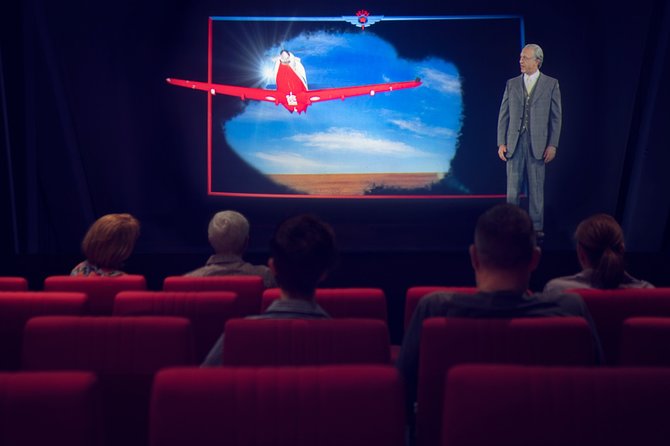
The centerpiece is the life-size hologram cinema experience. It’s built to tell Rev John Flynn’s story and then connect it to the RFDS as it exists today. The “wow” factor is obvious—hologram tech can make a story feel immediate—but what I like is how the narrative is grounded in purpose.
You also get practical language support. The hologram cinema sessions have audio translation in Japanese, German, French, and Simplified Chinese. So if language is an issue for your group, this isn’t a one-language-only experience. Even if you’re not in a translated session, the fact that the audio can be localized makes the museum feel more welcoming and easier to follow.
What to do during the cinema
- Arrive seated and ready so you don’t miss the opening context.
- If you’re with kids, keep an eye on pacing. This is more story-driven than a quick “stare and go” display.
This is one of those experiences where the tech serves the message. The story isn’t just about planes or gadgets. It’s about communication, medical response, and the idea that distance shouldn’t block care.
Boarding a decommissioned RFDS Pilatus PC-12: why the aircraft walk-through clicks
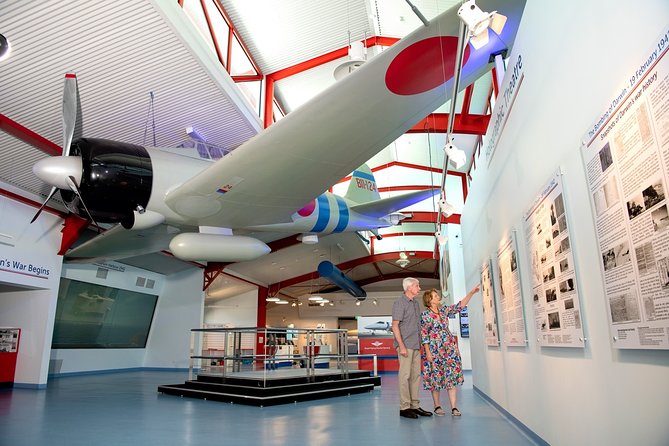
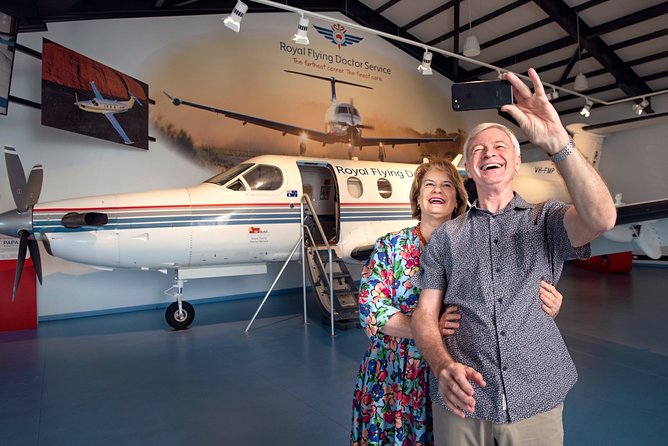
Next comes the part that turns theory into something you can picture: climbing aboard a decommissioned RFDS Pilatus PC-12 that’s aero-medically equipped.
Seeing the aircraft is the fastest way to understand what “medical aircraft” actually means. Instead of abstract explanations, you can look at the space and imagine how equipment and care are organized in the real world. The display helps you connect the RFDS’s daily work—pilots, engineers, doctors, and nurses—with the logistics of getting patients to where they can be treated.
Why this matters for you
If you’re the type who likes travel experiences that leave you with a clear mental image, the aircraft part does that. It also works well for groups with mixed interests. Someone might not care about WWII history, but almost everyone reacts to the physical reality of an aero-medical plane.
A practical watch-out
This walk-through is usually most enjoyable when you slow down. If your group tries to “speed-run” everything, you’ll miss the small details that help the story make sense.
VR and the bombing of Darwin: learning with a respectful, hands-on approach

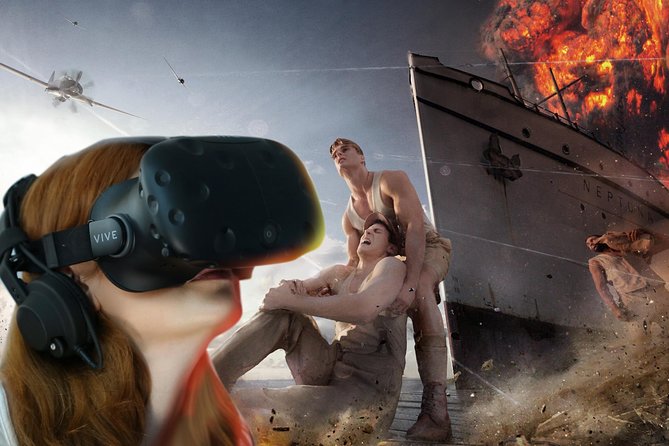
The second iconic story featured here is the Bombing of Darwin. The facility uses a combination of film and VR-style experiences so the WWII story isn’t just a panel of text.
In the VR portion, you’re placed in a reenacted perspective of the bombing events at Darwin Harbour. It’s presented in a way that focuses on impact and remembrance rather than sensational shock value. I’d treat it as an educational experience with emotional weight. If you’re traveling with younger kids, I’d use your judgment on whether the subject and intensity are a fit for their comfort level.
What you’ll likely appreciate
- It connects place to event. Darwin isn’t a random name on a map—it becomes a specific location with real consequences.
- It pairs well with the RFDS story, since both are about service under pressure.
A good strategy is to balance your emotions. Don’t rush from one intense room to another without a breather. Take a moment, read the context displays, and let your brain switch gears between “medical rescue today” and “wartime reality in 1942.”


Self-guided museum flow: how to structure your visit without missing the best parts
Even though the setup is self-guided, you’re not thrown in at the deep end. You get an introductory overview, and then you can move through the facility at your own pace.
The museum experience is designed around multiple “story formats”:
- hologram cinema for the RFDS vision
- aircraft access for the real-world feel
- VR and film for the WWII bombing story
- supporting exhibits that help fill in Darwin and Northern Territory context
That means you can build your own rhythm. If you’re traveling with a family, the self-paced nature is practical. One person can linger on the aircraft, while another heads to the cinema room first.
A simple way to plan the 2 hours
- Start with the hologram cinema early so you’re not waiting later.
- Bookend the aircraft walk-through around your VR/film time, depending on your group’s comfort with “hands-on” experiences.
Because it’s indoor and air-conditioned, you don’t have to worry about weather ruining your schedule. You can focus on the sequencing that suits your group.
Comfort, languages, and family fit in Darwin’s heat
Darwin weather can be intense, and the facility’s indoor, air-conditioned design is a big quality-of-life win. Even during hotter periods, you can keep your day moving without dreading the next outdoor stop.
The museum also offers a number of seating options throughout the facility, which helps when you’re managing kids, older relatives, or anyone who needs short breaks between exhibits.
Language support is another practical plus. The hologram sessions include audio translation in multiple languages, which makes a difference for comprehension and enjoyment.
And it’s set up so most people can participate, with complete disability access and service animals allowed. That means you’re less likely to run into “this part isn’t for you” friction.
Gift shop and souvenirs: buy what you’ll actually use
There’s a gift shop in the center of the facility. If you like taking home a tangible reminder, this is easy.
One detail worth noting: the shop is co-branded RFDS with RM Williams, with a range of clothing and belts. You’ll also find RFDS and Bombing of Darwin branded products like T-shirts, hats, books, and collectibles.
A simple approach: set aside time for the shop only after the main experiences. It’s easy to get distracted early and end up rushing the parts that actually do the storytelling.
Pairing this stop with Darwin’s other history sights
This is a good “one-and-done” history visit, but it also plays nicely with other nearby options. If your itinerary includes Defense of Darwin sites along the harbor area, this facility makes a strong companion stop because it covers two big chapters in one building.
If you’re choosing between doing this and another museum, don’t think of them as competitors. Think of them as different angles: one facility focused on medical aviation and WWII impacts, with tech-driven storytelling and aircraft access.
Should you book the RFDS Darwin Tourist Facility?
Book it if you want a high-impact history experience that doesn’t require patience with long-form lectures. The hologram cinema on Rev John Flynn, the VR bombing of Darwin experience, and the chance to climb into the decommissioned Pilatus PC-12 are a rare combo: story, technology, and real aircraft in about 2 hours.
Skip it—or at least reconsider—if you’re chasing a fully guided, deep-dive lecture style. This is more learn-by-doing than learn-by-listening, and the self-guided structure means you’ll rely on the exhibits and any staff intro to connect the dots.
If you’re in Darwin with kids, or you want a calm indoor break with strong educational value, this is an easy yes.
FAQ
How long does the Royal Flying Doctor Service Darwin Tourist Facility take?
The experience lasts about 2 hours.
How much is a ticket?
The price is $21.52 per person.
Can I choose an entrance time during the day?
Yes. There are choice of entrance times throughout the day to match your schedule.
Is the facility tour self-guided?
Yes. It’s self-guided, and you receive an introductory overview.
What are the main experiences inside?
You’ll have the hologram cinema experience on Rev John Flynn, VR/interactive experiences related to the Bombing of Darwin, and an aircraft walk-through inside a decommissioned RFDS Pilatus PC-12.
Are there audio translations for the hologram cinema?
Yes. Audio translation is available for the hologram cinema sessions in Japanese, German, French, and Simplified Chinese.
What is the refund policy if I cancel?
You can cancel for free up to 24 hours before the experience starts for a full refund. If you cancel within 24 hours of the start time, no refund is provided.