REVIEW · DARWIN
Kakadu Wildlife Escape Fogg Dam or Crocodile Cruise from Darwin
Book on Viator →Operated by Autopia Tours · Bookable on Viator
Croc sighting and ancient art in one day. This full-day Kakadu adventure balances Ubirr Rock (sacred galleries tied to stories tens of thousands of years old) with saltwater crocodile action, plus expert guide commentary that can make the whole landscape feel personal, not just scenic—especially when guides like Ric or Naomi bring the stories to life. I also like that you’re not stuck with only one “theme”: you get Indigenous culture, wildlife, and big wetland scenery in the same itinerary. One watch-out: it’s a long day of driving, and weather can shuffle timing and even which areas are accessible.
The main drawback is simple: you spend a lot of time on the road. In some conditions, the Fogg Dam side can feel more like viewing from key stops than roaming around, and if anything runs late, you’ll feel it at the end of the day.
In This Review
- Key highlights to know before you go
- Leaving Darwin for Kakadu: why the early start matters
- Adelaide River: jumping crocs or Fogg Dam wetlands
- Option A: Jumping Crocodile Cruise (thrill first)
- Option B: Fogg Dam Conservation Reserve (nature first)
- Bowali Visitor Centre: where the stories get grounded
- Kakadu National Park stop: a quick taste of scale
- Ubirr Rock: ancient galleries and a sacred viewpoint
- Cahills Crossing: where crocodiles are easiest to spot
- Your guide can make or break the day
- Price and value: what A$155ish buys you in Kakadu
- Logistics that matter on a 12-hour day
- What should you pack and wear?
- Who this tour suits best (and who should reconsider)
- Should you book this Kakadu Wildlife Escape tour?
- FAQ
- What’s included in the Kakadu Wildlife Escape price?
- Do I need an NT Parks Day Pass for Fogg Dam?
- What’s the difference between the Fogg Dam and jumping croc cruise options?
- How much walking is involved at Ubirr Rock?
- Is this tour suitable for families with young children?
- Can I cancel and get a full refund?
Key highlights to know before you go
- Ubirr Rock’s ancient rock art: plan for a short, meaningful hike with Dreaming stories and big viewpoints
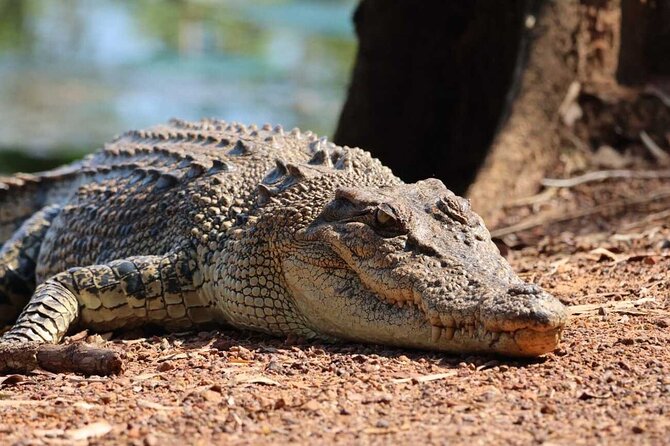
- Croc action at Adelaide River and Cahills Crossing: saltwater crocodiles are the star, and the stops are designed for spotting
- Fogg Dam Conservation Reserve (when selected): wetlands scenery and wildlife viewing that fits the Top End’s seasonal rhythm
- Bowali Visitor Centre stop: a focused cultural and historical context break (plus lunch time on your own)
- Small-group comfort: an air-conditioned mini-coach capped at 21 people, with frequent break points
Leaving Darwin for Kakadu: why the early start matters
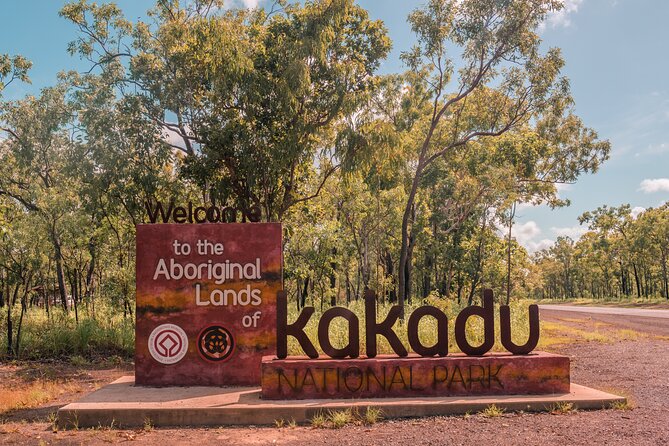
You start from central Darwin at 7:30am at The Leea Darwin (64 Cavenagh St). That early kick is part of the value here. Kakadu is far out, and time is tight in a day tour—so leaving early helps you actually reach the rock art and crocodile hot spots while daylight is still solid.
The drive isn’t just transit. You’re heading through floodplains toward Kakadu National Park, and the coach stops are built around the practical stuff most people need on a long day: bathrooms, hydration, and photo breaks. Guides also use the travel time for storytelling, so you’re less likely to feel like you’re “just riding” all day.
You can also read our reviews of more boat tours in Darwin
Adelaide River: jumping crocs or Fogg Dam wetlands
This is the fork in the road, and it’s worth choosing on purpose.
Option A: Jumping Crocodile Cruise (thrill first)
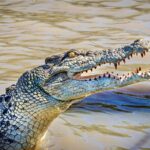
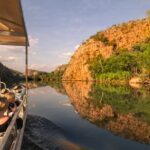
If you select the version that includes the Jumping Crocodile Cruise on the Adelaide River, you’ll get a structured croc experience designed for close watching. This is the part many people call out as a highlight because it’s not only about spotting crocodiles—it’s about seeing them behave in a guided, safety-conscious setting with a classic Top End-style spectacle.
The payoff for thrill-seekers is real. People describe the cruise as well worth it, and it tends to be the moment where the day’s energy spikes.
Option B: Fogg Dam Conservation Reserve (nature first)
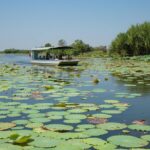
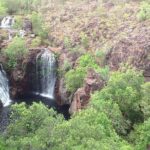
If your itinerary focuses on the Fogg Dam Conservation Reserve, you trade some of the action-for-adrenaline feel for wetlands scenery and wildlife spotting. The timing and how much you physically explore can vary with conditions, and that’s important. Some people loved Fogg Dam for the birdlife and wetland beauty (especially late wet season), while others felt the stop was more “scenic viewing” than a full-on walkaround.
Also note the park-cost detail: you may need an NT Parks Day Pass required for entry to Fogg Dam Reserve if you purchased the option tied to KD-B, listed as A$10 per person. Kakadu Park Pass entry for Kakadu National Park itself is included, but Fogg Dam can have that extra requirement.
My take: pick jumping crocs if you want the most memorable crocodile moment. Pick Fogg Dam if you’re more into wetlands, birds, and calmer wildlife viewing.
Bowali Visitor Centre: where the stories get grounded
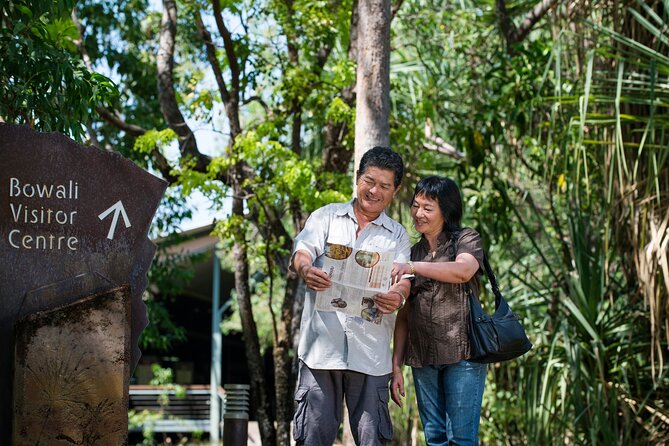
Around midday you’ll reach the Bowali Visitor Centre, with about 45 minutes there. This stop matters because it turns the trip from scenic bus day into something you can interpret.
What you’re likely to get here is cultural context—Indigenous culture and history in a way that helps you understand why rock art sites aren’t just “old pictures.” From the way guides talk about the Dreaming stories elsewhere on the route, Bowali is the bridge stop that helps the rest of the day make sense.
Lunch is on your own during this break. That’s a small inconvenience, but it’s also an opportunity to keep your schedule flexible and buy food locally rather than being locked into one included meal that you might not love.
A few more Darwin tours and experiences worth a look
Kakadu National Park stop: a quick taste of scale
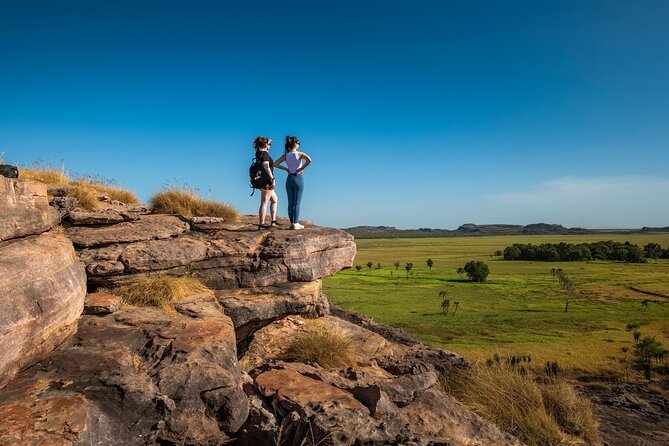
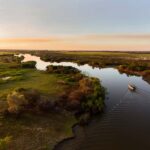
There’s a general park stop for about 25 minutes where you can take in Kakadu’s World Heritage setting and wildlife opportunities. It’s short, so don’t expect deep exploration here. Think of it like a warm-up.
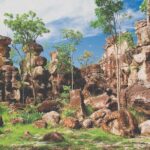
The value is that it sets expectations: Kakadu isn’t a single viewpoint or one waterfall. It’s huge—about 20,000 square kilometres—and your day tour only samples parts of it. That’s why your later time at Ubirr and the croc-spots is so important: those are the “make-the-day-count” stops.
If it’s hot or the light is flat, use this moment strategically. I’d treat it as your chance to get a few establishing photos and adjust your camera settings before you hit the art viewpoints.
Ubirr Rock: ancient galleries and a sacred viewpoint
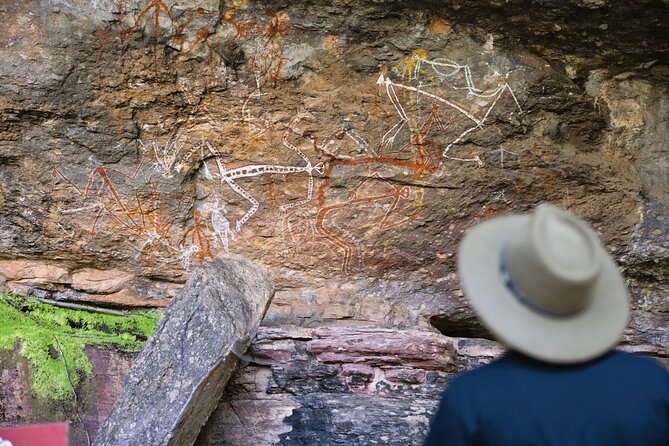
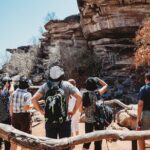
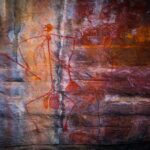
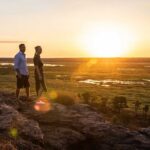
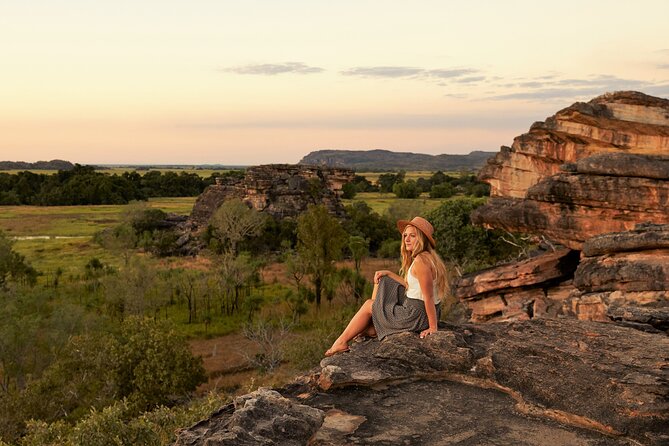
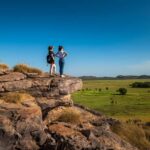
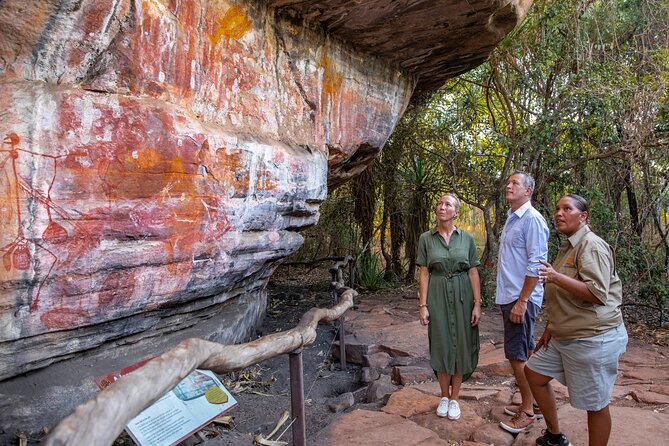
Ubirr Rock is the anchor of the cultural side of the day. You’ll spend about 1 hour 15 minutes here, and the site is described as a sacred place with rock galleries tied to stories dating back around 20,000 years.
This is also where you’ll feel the “moderate physical fitness” requirement. The walk isn’t described in distance terms, but you should expect a bit of climbing and uneven ground as you move up toward viewpoints. If you’re someone who hates stairs or rough paths, this is the part to plan for.
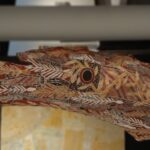
Why it’s so highly praised is simple: the rock art is much easier to appreciate up close than from a bus window. People specifically mention that the art “must be seen up close,” and they also praise guides for weaving the Dreaming stories into the physical features of the site—so you understand what you’re looking at instead of just snapping photos.
Weather can affect which gallery site is visited. The route can swap between Ubirr and Nourlangie depending on seasonal conditions, but this day’s schedule clearly prioritizes Ubirr when possible.
Practical tip: bring shoes you trust. One review advice line that fits here: comfy shoes beat pretty shoes on this kind of ground.
Cahills Crossing: where crocodiles are easiest to spot
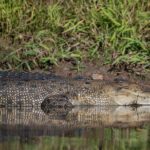
After the art stop, you’ll head to Cahills Crossing, about 15 minutes. This is famous for crocodile spotting because it’s a wide stretch of water where animals can be easier to see and anticipate.
Fifteen minutes isn’t a lot, but the stop is designed for sighting efficiency. If you want photos, this is where you should have your camera ready early—shade, glare, and distance can make it harder to capture the moment at the exact second.
If you’ve done the Adelaide River cruise, Cahills Crossing feels like the “free-range” follow-up: same animal, different setting, and often a different kind of view.
Your guide can make or break the day
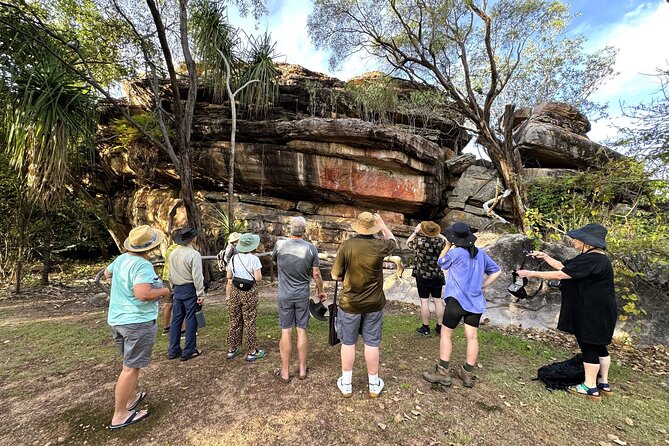
One theme shows up again and again: the best days are the ones with the right guide energy and story skills. People praise guides like Ric, Tim, Dani, Naomi, and Becs for connecting dots—Indigenous culture, local environment, and why certain stops matter.
Even practical commentary gets high marks. Some people mention guides who were actively driving and still giving commentary at the same time (that’s not easy), and others highlight how the guide made frequent wildlife stops part of the rhythm instead of an afterthought.
So how do you use this information? If you’re choosing a day tour specifically for cultural meaning, don’t treat the guide as background. Watch how they talk about the art sites, how they point out features on the land, and how they explain crocodile behavior. That’s where your “value per hour” shoots up.
Price and value: what A$155ish buys you in Kakadu
At $155.46 per person (mobile ticket), you’re paying for a guided, full-day routing that includes:
- Kakadu Park Pass entry fee (included)
- An accredited outback driver guide with commentary
- Small-group air-conditioned mini-coach
- Wildlife sightings in natural habitat
- Jumping Crocodile Cruise if that option is selected
- Selected inner-city pick-up/drop-off points
If you try to DIY Kakadu from Darwin in a single day, you’ll quickly run into the real cost: time spent planning, booking, and driving between distant sites. This tour compresses those logistics into one schedule.
You do give up some freedom—this is not a self-drive choose-your-own-adventure day. But for most people visiting Darwin for the first time, that’s a fair trade. You get structure, guide interpretation, and set stops at the places that are hard to prioritize on your own.
The “value check” I’d do: decide which you want more—croc spectacle or wetlands and birds—then choose the matching Adelaide River/Fogg Dam style. That choice affects satisfaction more than the price does.
Logistics that matter on a 12-hour day
This tour is listed at about 12 hours (roughly 7:30am to around 7:30–8pm based on return times mentioned). That means comfort and planning beat spontaneity.
A few practical realities from what’s been described:
- Air-conditioned mini-coach helps, but the bus can feel cramped if it’s full.
- Storage is limited: plan for 1 x 5–7kg day bag per person.
- You’ll likely get multiple break points for bathrooms and hydration, but don’t count on long free time between stops.
- Weather can cause area closures or changes in timing, and that can stretch the day.
If you’re sensitive to long driving, bring layers. The guide also recommends checking average temperatures for your travel time and packing adequate clothing—wise advice in the Top End, where conditions shift.
What should you pack and wear?
Based on the day’s walking and heat/rain potential, I’d pack like this:
- Comfortable closed shoes for the Ubirr area
- Hat + sunscreen (day tours in Kakadu can cook, even when the air feels humid)
- Light rain layer for wet-season showers (and to avoid getting miserable mid-walk)
- Water bottle (you’ll have breaks, but easy access matters)
- Camera ready for Cahills Crossing and any wildlife-spotting stops
And remember: you’ll be photographing rock art from viewpoints and angles, not in a museum with perfect lighting. Move slowly, take a few test shots, and don’t expect every croc to pop up exactly on cue.
Who this tour suits best (and who should reconsider)
This Kakadu day tour is a strong fit if you want:
- First Nations rock art with guided context
- Saltwater crocodile spotting with expert explanation
- A full-day, guided route that saves you from route-planning stress
- Small-group comfort with an air-conditioned vehicle
It may be less ideal if:
- You hate long travel days and would rather spend more time in fewer places
- You want lots of free time to wander without a set itinerary
- You’re very heat-sensitive or have limited mobility—walking is part of the Ubirr experience, and moderate fitness is required. It’s also not suitable for children 5 and under due to walking and tour conditions.
Should you book this Kakadu Wildlife Escape tour?
If you’re visiting Darwin and want one “big Kakadu day” that mixes Indigenous rock art at Ubirr with real crocodile moments, I’d book this. The inclusion of park access for Kakadu itself, plus the guide-led storytelling, is what turns it from a drive-and-look day into a meaningful, well-structured experience.
My decision rule:
- Choose the jumping croc cruise option if you want the most dramatic wildlife moment.
- Choose Fogg Dam if you’re more focused on wetlands and birdlife—and accept that conditions can shape how much you feel like you’re truly exploring vs viewing.
Either way, go in knowing it’s a long day. If you manage expectations and come prepared with comfy shoes and a camera plan, you’ll get a lot out of the hours you spend in Kakadu.
FAQ
What’s included in the Kakadu Wildlife Escape price?
The tour includes Kakadu Park Pass entry fee, an accredited outback driver guide with commentary, wildlife sightings in natural habitat, and a small group air-conditioned mini-coach. If you select the jumping crocodile option, that cruise is included, along with selected Darwin inner-city pick-up/drop-off points.
Do I need an NT Parks Day Pass for Fogg Dam?
NT Parks Day Pass requirements are specifically mentioned for Fogg Dam Reserve entry if you purchased the KD-B option. It’s listed as A$10.00 per person. Kakadu Park Pass entry fee is included in the tour.
What’s the difference between the Fogg Dam and jumping croc cruise options?
One version includes a jumping crocodile cruise on the Adelaide River, while the other focuses on Fogg Dam Conservation Reserve. Which one you pick changes the balance of thrill versus wetlands and birdlife viewing.
How much walking is involved at Ubirr Rock?
Ubirr is described as a sacred site with ancient rock galleries and includes a moderate level of walking as part of the visit. The tour notes that moderate physical fitness is required to complete the walks.
Is this tour suitable for families with young children?
Child fare applies for ages 6 to 12, but the tour is not suitable for children 5 years old and under due to the nature of the walking involved.
Can I cancel and get a full refund?
Yes. Free cancellation is available up to 24 hours in advance for a full refund. If you cancel less than 24 hours before the start time, the amount paid is not refunded.