REVIEW · SYDNEY
Sydney Fish Market Behind the Scenes Tour
Book on Viator →Operated by Sydney Fish Market · Bookable on Viator
Sydney’s seafood game starts early, and you’ll see why. This behind-the-scenes tour takes you into a working fish market that usually stays closed to the public, with a guide walking you through the auction and wholesale side of the trade. You’ll also get hands-on context for how seafood moves from Australian waters to restaurant plates.
I love the way the tour focuses on the actual auction process and the daily work of fishmonger crews. Watching the way product is run, sorted, and sold makes the numbers on a menu feel a lot more real.
One thing to plan around: it starts at 6:00 a.m., and the tour has a minimum age of 13, so it’s not the kind of morning you’ll want to negotiate if you’re traveling with younger kids.
In This Review
- Key highlights you’ll care about
- A 6:00 a.m. peek behind Sydney’s seafood curtain
- What you’ll be wearing and why it matters
- Entering the auction and wholesale areas you normally can’t access
- The Dutch auction system, explained in plain terms
- Grading, sorting, and packing: where quality becomes organized
- Species you’ll see up close: lobsters, mud crabs, giant tuna
- Sustainability: what “Australia leads” looks like on the ground
- How much does it cost, and is it good value?
- Price, time, and logistics: what to plan before you go
- Who this tour is best for (and who might not love it)
- Should you book the Sydney Fish Market Behind the Scenes Tour?
- FAQ
- How long is the Sydney Fish Market Behind the Scenes Tour?
- What’s included in the tour price?
- Is transportation included?
- Where do I meet for the tour?
- What time does the tour start?
- Are children allowed?
- Can I cancel for a full refund?
Key highlights you’ll care about
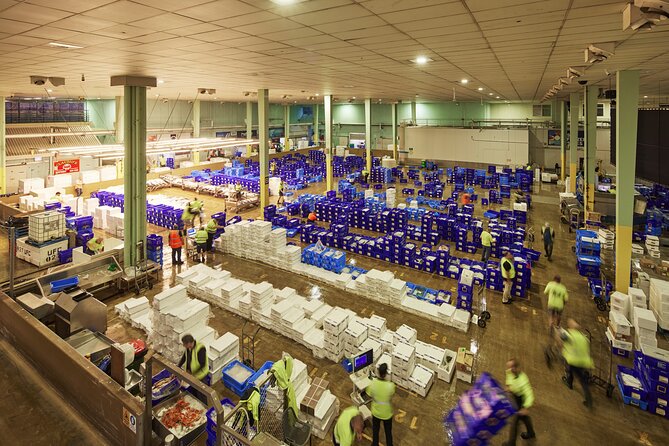
- Dutch-auction basics: Understand how pricing and bidding work on the floor.
- Usually-closed market access: See the auction and wholesale areas that aren’t open to the general public.
- Grading, sorting, and packing: Learn what happens before fish reaches a restaurant.
- Up-close live seafood moments: You’ll meet species like lobsters, mud crabs, and giant tuna.
- Sustainability in practice: Get a clear look at how Australia leads in fishing and aquaculture.
- Small group feel (max 15): More time for questions and a tighter tour rhythm.
A 6:00 a.m. peek behind Sydney’s seafood curtain
If you like travel that feels practical, not staged, this tour fits the bill. Sydney Fish Market runs a real operation early in the day, and the tour timing lets you see the machinery while it’s working.
The experience runs about 1 hour 30 minutes to 2 hours, so it’s long enough to understand the flow of the market without turning into a half-day commitment. And because it’s a mobile ticket experience with a small cap of 15 travelers, you don’t get lost in a crowd.
I also like that you’re not expected to figure it out on your own. You follow a licensed tour guide who can explain what you’re seeing while you’re seeing it.
You can also read our reviews of more shopping tours in Sydney

What you’ll be wearing and why it matters
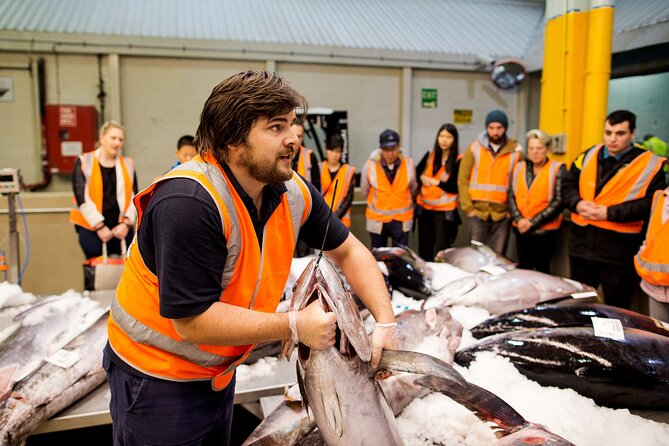
This isn’t a museum tour with soft lighting. You’re given a hi-vis vest and boots for the walkthrough, which tells you a lot about the environment you’re entering.
Expect a working zone where safety and movement matter. The boots are especially useful because you’ll be standing and walking on market floors, not strolling a smooth sidewalk. If you’ve only packed dressy city shoes, this is one reason to feel relaxed: the tour provides what you need to stand up to the conditions.
You’ll also want to show up ready to listen and ask questions. The format is built around you being able to hear explanations from a guide while you observe what’s happening in front of you.
Entering the auction and wholesale areas you normally can’t access
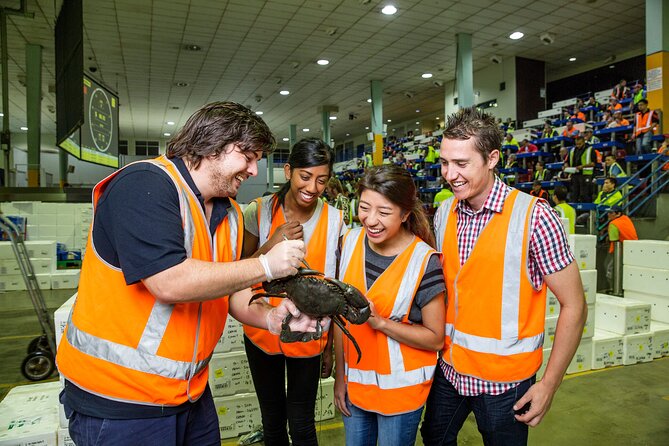
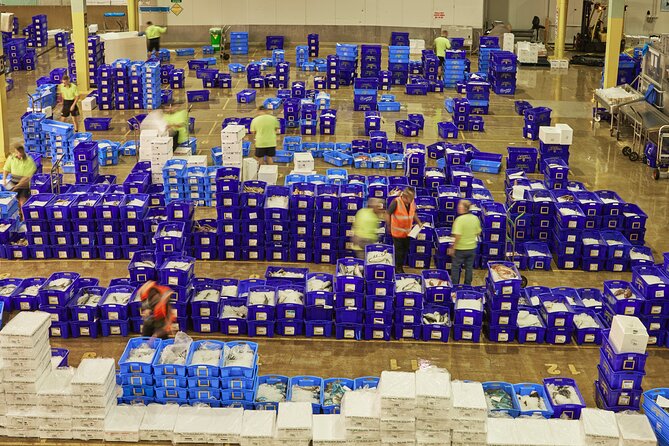
The biggest draw here is simple: you get into parts of the fish market that are normally closed to the public. That access turns the experience from watching seafood being sold into understanding how seafood is processed for sale.
You’ll spend time in the auction and wholesale sides of the market—exactly where the action happens. And because this is a working auction space, the pace can feel brisk. That’s also why a small group helps: you can actually see the key steps without constantly getting squeezed out of view.
The guide is a big part of the value. In the same way a good kitchen guide explains why prep steps matter, a good market guide helps you decode the “why” behind each step. Two guides named in customer feedback—Tom and Mike—were specifically praised for knowing the trade and answering questions about where seafood comes from and how the work is done.
The Dutch auction system, explained in plain terms
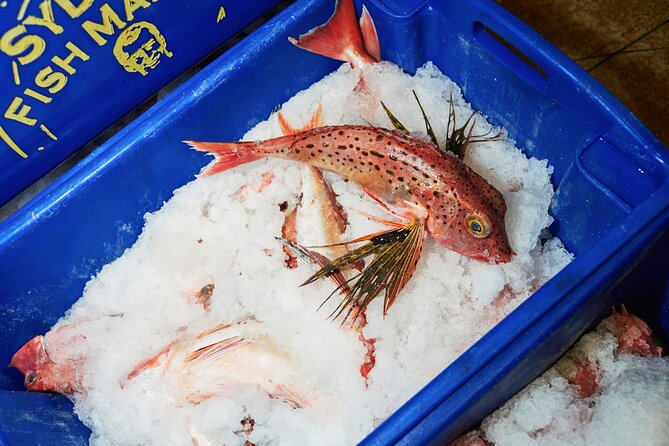
One of the core lessons you’ll get is the Dutch auction system. Even if you’ve never heard the term, you can still understand the basic idea because the market itself is showing you how it works.
In practical terms, you’re learning how price is handled during the auction process and how product moves through sales. That matters because restaurant seafood pricing isn’t just “what it costs to catch.” It’s also what it costs to sell, grade, and move quickly in a fresh supply chain.
I like that the tour doesn’t treat the auction as a mystery show. It’s presented as a real system for distributing seafood inventory efficiently—something you can connect to the daily rhythm of a working market.
Grading, sorting, and packing: where quality becomes organized
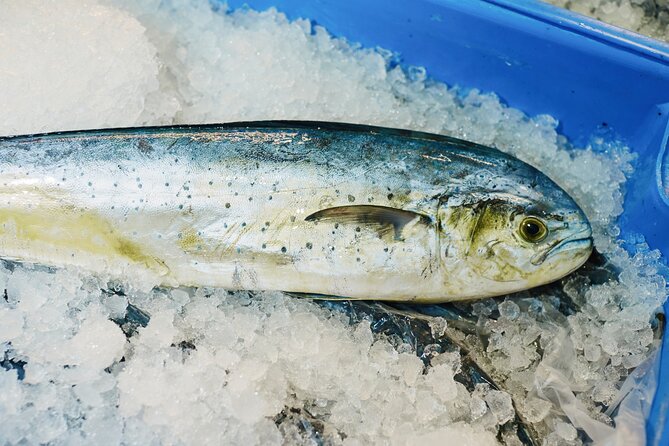
Another high-value moment is the visit to the floor where product is graded, sorted, and packed. This is where the market’s logic becomes visible. You start seeing how “fresh” becomes a structured product category instead of a vague label.
The grading and sorting stage is what helps buyers—wholesale customers and seafood professionals—order the right fish and expect consistent results. Without that step, the auction could sell anything at random. With it, the market can move volume while still managing quality and usability.
This is also the part where questions can fly. If you’ve ever wondered why one cut of fish shows up more often than another, or why certain species seem to arrive in different ways, you’ll finally get the language to connect the dots.
Feedback specifically praised the chance to watch the auction take place and also visit the grading floor—so expect that this section is a centerpiece, not a quick stop.
A few more Sydney tours and experiences worth a look

Species you’ll see up close: lobsters, mud crabs, giant tuna
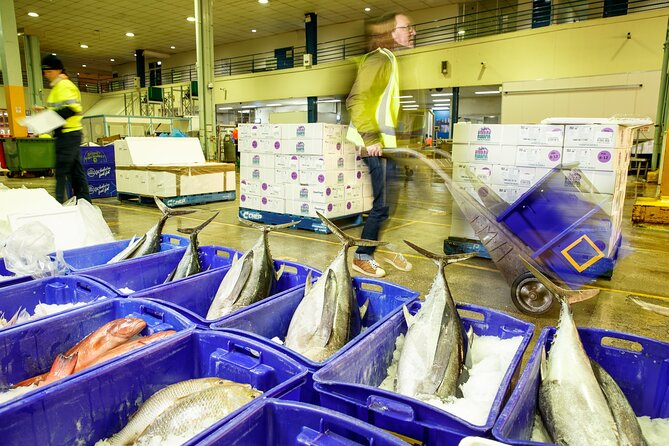
You’re not just hearing theory. The tour includes moments to meet species such as live lobsters, mud crabs, and giant tuna.
That’s more than a fun stop. It’s a chance to connect the market process to the actual living seafood supply. When you see different species in the same space, you start to understand how a market has to handle variety—different sizes, different handling needs, and different buyer expectations.
It also helps you appreciate why the market’s work has to be organized and fast. Live or fresh seafood doesn’t wait for anyone’s schedule, and the market system is built for daily movement.
If you’re the kind of traveler who likes asking, How does this get from here to there?—you’ll have plenty to work with once the guide points out what’s happening to specific types of seafood.
Sustainability: what “Australia leads” looks like on the ground
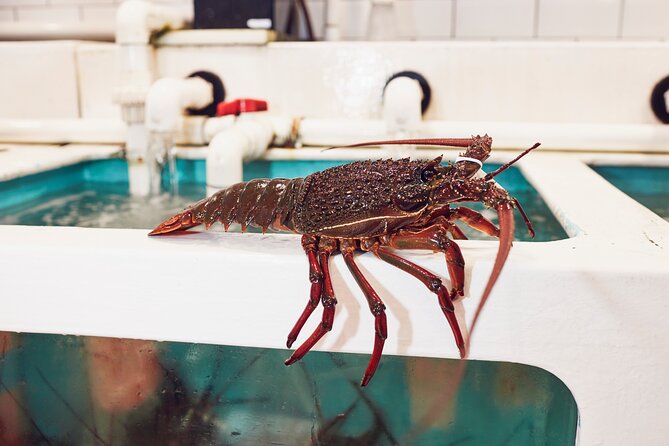
The tour also touches sustainable fishing and aquaculture—and the key is that it’s presented as part of the supply story, not just an abstract promise.
You’ll learn how Australia leads in the way seafood is managed through fishing practices and aquaculture. Even if you already know the words, this kind of market-based explanation makes the topic more grounded. You’re connecting sustainability to real operations: sourcing, handling, and the idea that supply has to keep going tomorrow, not just today.
I like sustainability lessons that connect to actions. In this case, the market environment naturally supports that: you can see where seafood comes from, and then hear how the system aims to manage ongoing production.
How much does it cost, and is it good value?
The price is $57.38 per person, and booking is typically made about 28 days in advance on average. The tour runs about 1.5 to 2 hours, so you’re paying for early access to a working auction environment plus a licensed guide.
What makes this feel like value isn’t only the access. It’s also that the tour includes equipment—hi-vis vest and boots—and the guide time. Transportation is not included, so factor that in based on where you’re staying.
Here’s the practical way I’d judge the value:
- If you’re the type who likes understanding how products reach your plate, this is a strong use of time.
- If you mainly want a quick look and don’t care about auctions, grading, and the trade side, you might not get full payoff.
Also, the maximum group size of 15 travelers helps justify the price. In a small group, you can actually interact and ask questions without losing your place in the flow.
Price, time, and logistics: what to plan before you go
You meet at 1 Bridge Rd, Glebe NSW 2037, and the start time is 6:00 a.m. The tour ends back at the meeting point.
Transportation isn’t included, so plan your ride or transit to arrive early. Near public transportation means you won’t feel stranded, but early start times are still a real factor—especially if you’re traveling from somewhere that takes longer than expected.
Confirmation is received at booking, and the tour uses a mobile ticket. That’s a small detail, but it helps because you’re not juggling printed documents in a morning rush.
One more practical constraint: no children under 13 are permitted. If you’re traveling with a family, check ages first so you don’t hit a roadblock.
Who this tour is best for (and who might not love it)
This is a great fit if you:
- Love food that comes with context: how it’s sourced, sold, and handled
- Want to see how a working auction actually operates
- Enjoy practical questions—what happens before fish reaches a restaurant?
It may feel less ideal if you:
- Prefer relaxed daytime sightseeing over early schedules
- Don’t want an auction and wholesale focus
- Are traveling with children under 13
The small group limit also matters. If you like personal interaction, this tour’s size makes it easier to get answers.
Should you book the Sydney Fish Market Behind the Scenes Tour?
I’d book it if you want more than seafood as a meal. This tour gives you the “how it works” side of Sydney’s seafood trade: the auction system, the grading and packing floor, and the species that move through the process daily.
The best reason to go is the combination of working access plus a guide who can explain what you’re seeing. Customer feedback highlighted guide Tom for knowledge about the fishing industry and the source-to-plate story, and Mike for hands-on experience and strong Q&A.
If you can handle an early start and you’re comfortable with a working environment, it’s a smart value add to a Sydney trip—especially for food lovers who want something real, not generic.
FAQ
How long is the Sydney Fish Market Behind the Scenes Tour?
It runs about 1 hour 30 minutes to 2 hours.
What’s included in the tour price?
You get a licensed tour guide and hi-vis vest and boots to use during the tour.
Is transportation included?
No. Transportation is not included.
Where do I meet for the tour?
You start at 1 Bridge Rd, Glebe NSW 2037, Australia.
What time does the tour start?
The tour starts at 6:00 a.m.
Are children allowed?
No children under age 13 are permitted on the tour.
Can I cancel for a full refund?
Yes, you can cancel up to 24 hours in advance for a full refund.


More Shopping Tours in Sydney
More Tours in Sydney
- Blue Mountains Small-Group Tour from Sydney with Scenic World,Sydney Zoo & Ferry
★ 5.0 · 3,709 reviews


More Tour Reviews in Sydney
- Blue Mountains Small-Group Tour from Sydney with Scenic World,Sydney Zoo & Ferry
★ 5.0 · 3,709 reviews