REVIEW · SYDNEY
Sydney Fish Market Discovery Tour
Book on GetYourGuide →Operated by Sydney Fish Market · Bookable on GetYourGuide
Watching fish prices change fast is oddly fascinating. This Sydney Fish Market Discovery Tour is a smart way to understand how seafood moves from boats to buyers, and how the new market building makes the whole operation run smoother. I particularly like the hands-on learning at the auction stands, where you get the real rhythm of the wholesale side of things.
I also enjoy that the guide doesn’t stop at facts. You’ll see oysters shucked live, you’ll walk out to commercial wharves, and you’ll learn how to think about seasonal and sustainable choices once you’re back home. One thing to consider: food and drink aren’t included, so at $35 you’ll want to treat this as a learning tour first, then plan to snack or eat at the market afterward.
In This Review
- Key tour takeaways (the stuff that actually helps)
- Why Sydney Fish Market’s auction is the real heart of the industry
- Meeting at Bridge Road and getting oriented in the Information Hub
- Walking the new market building: what modern design changes for buyers
- The auction stands: watching how the Dutch auction sets the price
- Commercial wharves and fishing vessels: seeing where the day starts
- Seafood educators, including Michael, who make it make sense
- Choosing seasonal and sustainable seafood without overthinking it
- Live oyster shucking: up close, real-time, and oddly educational
- What $35 buys in a 1-hour format (and how to judge value fairly)
- Who this Sydney Fish Market Discovery Tour suits best
- Quick practical notes before you go
- Should you book this tour?
- FAQ
- How long is the Sydney Fish Market Discovery Tour?
- Where do I meet the guide?
- Is the tour wheelchair accessible?
- What should I bring or wear?
- Is food and drink included?
- Do I watch the seafood auction as part of the tour?
- Will I see oysters being shucked?
- Are pets or smoking allowed?
- What cancellation and payment options are available?
Key tour takeaways (the stuff that actually helps)

- Dutch auction explained on the auction stands: You’ll see how pricing works in real wholesale terms.
- Wharves and fishing vessels on foot: You’ll connect the dockside world to what you’re buying at retailers.
- Live oyster shucking: Expert technique, right in front of you, not a distant demo.
- How to pick seasonal, sustainable seafood: You’ll leave with practical questions to ask when shopping.
- New market building orientation: You’ll notice the design and layout that support the flow of trade.
Why Sydney Fish Market’s auction is the real heart of the industry
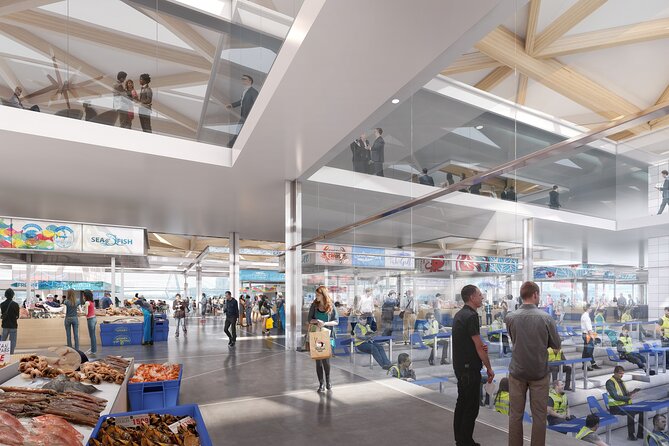
If you only associate fish with a shop counter, this tour gently corrects that. Sydney Fish Market is built around wholesale buying, and the most important action happens at the auction stands. The pace is different from retail shopping. Prices react quickly. Buyers make fast decisions. And everyone is chasing two things at once: freshness and value.
That’s why the Dutch auction is such a good teaching focus. Even if you’ve never heard the term, you’ll understand it fast because you’re standing where the decision-making happens. The guide’s job is to translate what you’re seeing into something you can use later—like why certain seafood sells when it does, and how availability shapes what you see in restaurants and at the fish counter.
Also, you’re not just watching “something seafood-related.” You’re learning the logic behind how a massive supply chain stays efficient. For me, that’s where the tour earns its keep: you walk away with the ability to read a market situation instead of just admiring it.
You can also read our reviews of more shopping tours in Sydney
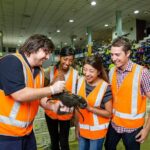

Meeting at Bridge Road and getting oriented in the Information Hub
Your tour starts at 1 Bridge Rd, with the meeting point in the Information Hub on the ground level. It’s on the side of the building closer to the city, which matters because the Fish Market area can feel like a working port—big spaces, real logistics, and not a lot of time for wandering.
Plan to arrive with a little time buffer. Even a short tour like this needs you to be present when the guide begins explaining the layout. Once the walking tour gets going, you’ll be moving between the market’s interiors and the commercial wharves, so being slightly early helps you settle your footing (and your camera, if you’re that person).
Bring closed-toe shoes. Not because it’s a hiking expedition, but because you’ll be on market floors and outdoor dock-side surfaces. The floor can be practical and busy, and comfort keeps you paying attention to the guide instead of guarding your feet.
Walking the new market building: what modern design changes for buyers
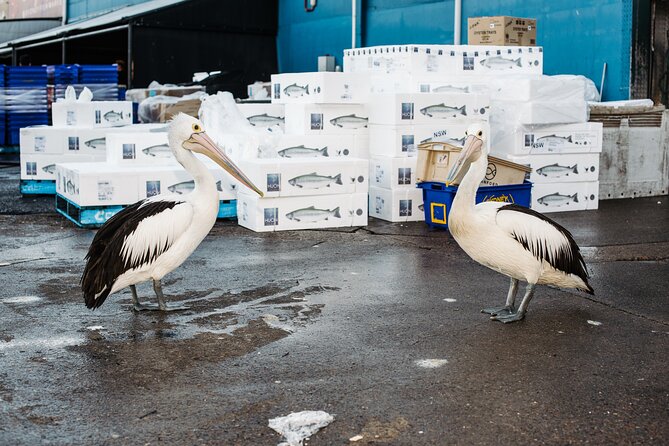
A lot of markets are old-school. This one has a newer building, and the tour includes time to appreciate how that impacts daily work. The guide points out design features as you move through the space, and you’ll quickly notice something: the building isn’t just for looks. It’s built for flow.
Think about what a wholesale market needs:
- fast movement between where fish arrive and where they’re sold
- clear sightlines for buyers
- spaces that reduce confusion when the day’s supply shifts
When the tour explains the building while you’re standing in it, it turns architecture into a practical story. You stop seeing it as a photo backdrop and start understanding it as part of the operating system. That makes the market feel more real—and less like a tourist stop.
One reason I like this portion is simple: it makes the later auction scene easier to understand. When you know how the space supports the work, the auction stands feel like a natural outcome, not a random event.
The auction stands: watching how the Dutch auction sets the price
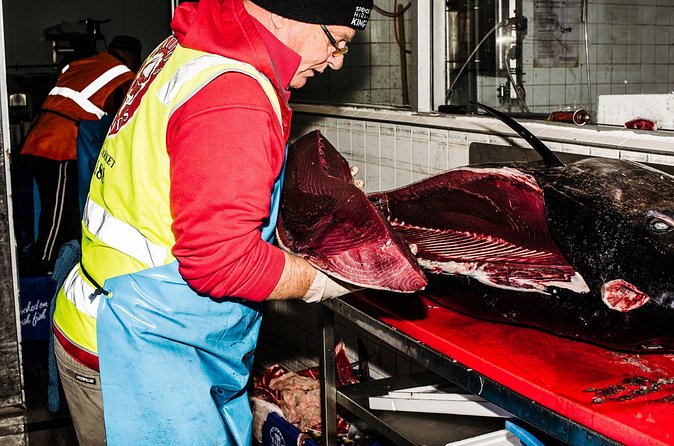
This is the core segment of the Discovery Tour. You’ll stand at the iconic auction stands and learn about the process from the person explaining what you’re seeing. The highlight here is how the Dutch auction works.
In plain terms, a Dutch auction is a price-setting method where bids adjust over time, until the right buyer accepts the price. The big value of learning it in person is that you can connect pricing to real supply. You’ll see how the market environment influences what’s available and what buyers want at that moment.
You’ll also hear how this stage fits into the broader seafood industry. The guide talks about what makes the system tick—who needs what, and how wholesalers and fishmonger-type roles operate in a marketplace that moves quickly. Even if you’re not buying at wholesale, it’s useful knowledge.
Why it matters for you: later, when you order seafood or shop for it, you’ll recognize that “fresh” isn’t a marketing word. It’s a supply-and-demand reality, shaped by auction results and timing. This tour helps you connect those dots.
A small practical tip: stand where you can see both the auction action and the guide’s explanations. If you keep circling to get a better photo, you’ll miss the key parts that make the auction feel understandable.
Commercial wharves and fishing vessels: seeing where the day starts
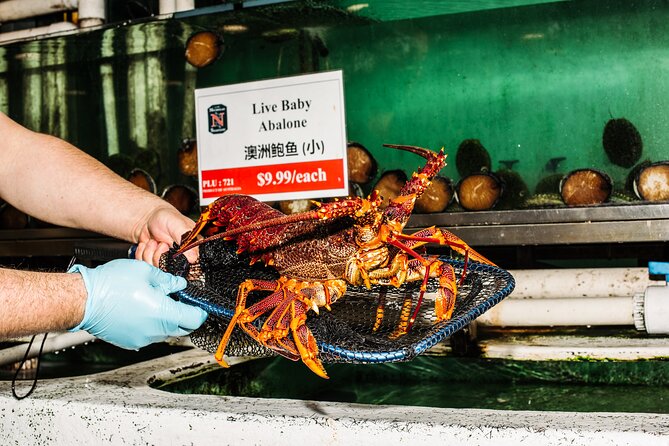
After the auction area, the tour moves outward to the commercial fishing wharves and introduces you to different types of fishing vessels. This part changes your perspective fast. The auction makes seafood feel like a product. The wharves remind you it’s a workflow.
You’ll learn about what’s happening in the port ecosystem and why the market is positioned where it is. The tour also includes stories that connect to where the market has come from and where it’s going in the future. That history angle isn’t treated like a lecture; it’s tied to the practical reality that seafood systems keep evolving—new facilities, new needs, and new expectations around how to sell and source.
What you’ll notice on the wharves:
- the working nature of the area
- the connection between vessels and buyers
- the sense of timing and urgency that comes with fresh catch
For many people, this segment is the most memorable because it’s visual. It’s one thing to eat seafood. It’s another to stand where it starts its final trip to market.
A few more Sydney tours and experiences worth a look

Seafood educators, including Michael, who make it make sense
The tour is hosted by an experienced seafood educator, and good teaching makes a big difference in an industry topic like this. One guide named Michael is specifically noted for being passionate and knowledgeable about seafood and the fish market. That kind of guide energy is exactly what you want here: curiosity plus clarity.
You should expect the educator to translate what you’re seeing into everyday decision-making. That’s not just entertaining. It helps you understand:
- why certain choices matter at the market
- how sustainability and seasonality connect to availability
- how to interpret what’s being sold without needing a food science degree
If you’re the type who likes to ask questions, this tour format works well. The guide is standing right in the place where the answers live, and the whole group can learn from the same explanations.
Choosing seasonal and sustainable seafood without overthinking it
One of the most practical parts of the tour is the lesson on picking seasonal and sustainable seafood. The goal isn’t to turn you into a sustainability researcher. The goal is to help you shop smarter.
As the guide explains how to think about seafood choices, focus on the “how,” not the guilt. You’ll learn what to look for when seafood is seasonal—because seasonality isn’t only about flavor. It also affects supply, freshness windows, and pressure on species.
And sustainability gets framed in a market context. Instead of vague advice, you’ll get guidance that ties back to how seafood is caught and moved. That’s valuable because it can change how you order at restaurants or choose items at fish counters.
When you leave, you’ll be able to ask more grounded questions like:
- what’s seasonal right now?
- what options are better suited to sustainable sourcing?
- how does availability affect quality and price?
It’s the kind of knowledge you can use immediately, and you’ll feel the benefit most when you’re standing in front of a seafood case later.
Live oyster shucking: up close, real-time, and oddly educational
Seeing oysters shucked by experts is one of the tour highlights for a reason. It’s fast, skill-based, and it shows you what “fresh and ready” looks like in practice.
Even if you’ve eaten oysters before, this is different. You’re not only watching the final result. You’re seeing how experts handle the process in real time and how they work efficiently. That makes the skill feel less mysterious and more practical.
For you, the value is twofold:
- You understand what quality looks like when done well.
- You connect the oyster experience back to the broader seafood supply chain the tour is teaching.
It’s also a great moment in a short 60-minute program. It gives your brain a break from auction mechanics and lets you see seafood craftsmanship in a way that sticks.
What $35 buys in a 1-hour format (and how to judge value fairly)
At $35 per person for a 1-hour walking tour, the big question is what you’re really purchasing: transportation convenience, or knowledge in the actual marketplace.
This tour is clearly designed for learning. You’re paying for a guided walkthrough of the auction stands, wharves, market flow, and seafood selection thinking. That’s hard to replicate on your own because you’d need to understand what you’re looking at while you’re standing inside an active commercial space.
Still, value is personal. One reasonable concern you might share is that food and drink aren’t included. If your idea of a market tour includes a fish and chip stop at the end, you’ll need to budget for it separately. For some people, that makes the price feel a little tight.
My practical take: treat the tour as the part that teaches you how to shop and order seafood better. Then let the market’s retailers do what they do—sell you something you actually want to eat, right after you know what to look for.
Who this Sydney Fish Market Discovery Tour suits best
This tour is a strong match if you:
- want a fast, structured introduction to seafood trading in Sydney
- enjoy markets and want to understand the behind-the-scenes mechanics
- like hands-on food culture moments like live shucking
- care about seasonal and sustainable choices and want practical guidance
It may be less ideal if you’re mainly interested in a long food tasting experience or a full meal included in the price. This tour is short. It focuses on explanation and key sights more than a “spend hours eating” format.
It’s also a good option for visitors who don’t want to guess their way through a working market. You get a guided route and the context to make it make sense.
Quick practical notes before you go
- Wear closed-toe shoes.
- Expect a walking tour style within the market area.
- Plan to handle your own meals since food and drink aren’t listed as included.
- The tour runs in English, and the experience is designed to be wheelchair accessible.
Should you book this tour?
Yes, book it if you want a concentrated, high-context look at how seafood reaches the plate in Sydney. The auction stands, the explanation of the Dutch auction, the wharf walk, and the live oyster shucking are a smart mix. You’ll come away understanding the industry side of seafood instead of just seeing it.
If you hate learning tours that don’t include food, or you’re expecting a meal package for the price, then you might feel disappointed. In that case, consider using the tour time as the “education” portion and plan your own market lunch or snack right after.
Bottom line: for $35 and 60 minutes, this is a strong “starter course” for anyone who wants seafood knowledge that actually changes how you shop.
FAQ
How long is the Sydney Fish Market Discovery Tour?
The tour lasts 1 hour (60 minutes).
Where do I meet the guide?
You meet your guide in the Information Hub at 1 Bridge Rd, on the ground level on the side closest to the city.
Is the tour wheelchair accessible?
Yes, the tour is wheelchair accessible.
What should I bring or wear?
Bring closed-toe shoes.
Is food and drink included?
No, food and drink are not included.
Do I watch the seafood auction as part of the tour?
Yes. You’ll experience the auction stands and learn how the Dutch auction operates.
Will I see oysters being shucked?
Yes, you’ll see oysters shucked by experts in real time.
Are pets or smoking allowed?
No. Pets are not allowed, and smoking is not allowed.
What cancellation and payment options are available?
You can cancel up to 24 hours in advance for a full refund. You can also reserve now and pay later.


More Shopping Tours in Sydney
More Tours in Sydney
- Blue Mountains Small-Group Tour from Sydney with Scenic World,Sydney Zoo & Ferry
★ 5.0 · 3,709 reviews



More Tour Reviews in Sydney
- Blue Mountains Small-Group Tour from Sydney with Scenic World,Sydney Zoo & Ferry
★ 5.0 · 3,709 reviews