REVIEW · ULURU
3 night Uluru, Kata Tjuta and Kings Canyon Camping Adventure
Book on Viator →Operated by Adventure Tours Australia · Bookable on Viator
Uluru, Kata Tjuta, and Kings Canyon in one trip. That’s the whole appeal: you see the big Red Centre icons, then slow down at night with a real camping setup near Yulara. I like that the timing is built for the natural moments, especially Uluru sunrise and the Kata Tjuta dome hike in the afternoon.
My favorite part is the human touch. Guides like Sophie (with Usher on support) bring strong local context and a relaxed pace, and the food earns real praise, including homemade desserts. Another big plus: it’s a small-group style experience (max 24), so you’re not fighting for space when the views hit.
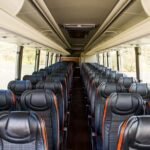
One thing to keep your expectations realistic: camping is basic, and while most comfort should be fine, there has been at least one complaint about bus comfort and air conditioning. If you’re picky about transport seating on long drives, plan for that possibility.
In This Review
- Key things to know before you go
- Red Centre Highlights in One Camping Loop
- Price and Value: What You Actually Get for $857
- Day 1: Kata Tjuta Olgas Domes and Uluru Sunset Snacks
- Day 2: Uluru Sunrise and the Cultural Centre Stop
- Day 3: Kings Canyon Gorge Walk and Evening Choices
- Camping Setup, Food, and the Human Factor
- Getting Around: Pickup, Group Size, and Timing
- What to Pack for Uluru, Kata Tjuta, and Kings Canyon
- Who This Tour Suits Best (And Who Should Think Twice)
- Should You Book This Uluru, Kata Tjuta and Kings Canyon Camping Adventure?
- FAQ
- What’s the start time and where do I meet?
- How long is the experience?
- Is pickup included?
- What’s included with the tour price?
- What optional activities are available?
- What’s the group size?
- Is the walking level difficult?
- Is this tour ticket format mobile?
- What’s the cancellation policy?
Key things to know before you go
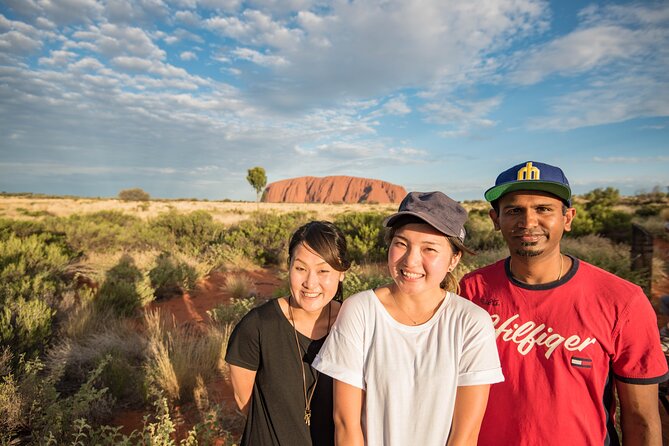
- Uluru sunrise planning: You get an early start so the light hits Uluru like a beacon.
- Kata Tjuta on foot: A hike between the domes helps you understand the terrain fast.
- Kings Canyon gorge time: Watarrka National Park’s rock walls and gullies take real effort to appreciate.
- Three nights of meals included: Breakfast and dinners are covered, with lunch on two days.
- Small group size: Max 24 travelers tends to feel calmer on hikes and viewing stops.
- Pick-up from Yulara: You start at Desert Gardens Hotel and you’re close to Ayers Rock Airport.
Red Centre Highlights in One Camping Loop
This kind of tour works because it stops you from “checklist traveling.” You’re not just driving past Uluru, taking a photo, and calling it a day. Instead, you plan around light and walking, then you finish with a camping evening that feels more connected than a hotel stop.
The route is classic for a reason: Kata Tjuta looks like it’s from another world compared to Uluru, and Kings Canyon gives you that steep, dramatic gorge feel. You also get a practical base location at Yulara, which makes airport transfers and logistics easier than trying to crisscross from far-away towns.
If you want the Red Centre experience in a tight package, you’ll like the pacing. If you hate early mornings or you expect hotel-level comfort in camp, you may not.
You can also read our reviews of more evening experiences in Uluru

Price and Value: What You Actually Get for $857
At $857.11 per person for roughly four days (including three nights camping), the price isn’t cheap. But it also isn’t only for sightseeing—it’s for the package: multiple major parks, guiding, and meals.
Here’s what’s value-leaning:
- Major sights on a schedule: Uluru at sunrise, Kata Tjuta on an afternoon walk, and Kings Canyon in Watarrka National Park.
- Meals included: Breakfast (3) and dinner (3), plus lunch (2). That adds up fast in remote areas.
- Small group feel: Max 24 is a big difference compared with big-coach tours when you’re hiking and waiting for views.
- Admissions and park access handled: Kata Tjuta hike includes a ticket; other park stops are listed as ticket-free within the tour structure.
What might cost extra:
- Optional evening activities at Ayers Rock Town Centre (like Field of Lights or a camel cruise) are not included.
- Food beyond what’s listed isn’t part of the package.
My practical take: you’re paying for convenience, timing, and reduced stress. You’re also paying for the fact that the Red Centre is spread out, so transport and guiding aren’t “free” just because you’re seeing the world’s most famous rocks.
Day 1: Kata Tjuta Olgas Domes and Uluru Sunset Snacks
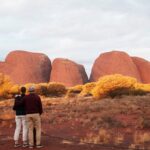
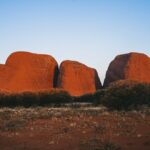
Your day starts with Kata Tjuta (The Olgas)—36 various-sized domes. That number matters only because it hints at what you’ll feel on the ground: the terrain doesn’t look flat or simple. It’s full of shapes, shadows, and changes in air movement that make the place feel alive even before the sunset photos.
You’ll do an afternoon hike between domes (about three hours). This is the smart way to see Kata Tjuta, because you’re not just staring at it from a distance—you’re moving through the terrain, learning its rhythm. Expect moderate exertion and bring proper shoes, because in rocky areas your feet do a lot of the work.
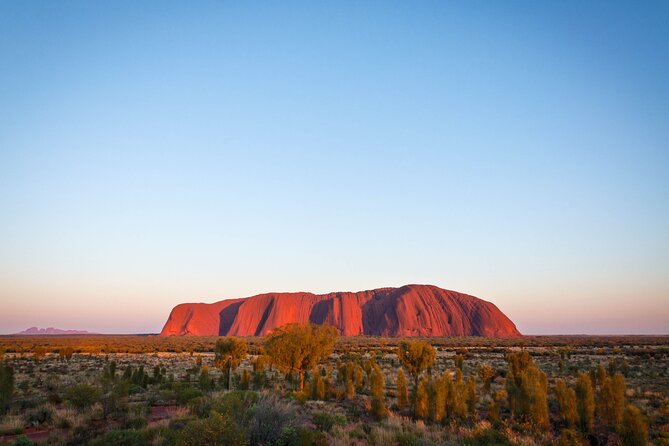
Later, the day shifts to Uluru-Kata Tjuta National Park for a light snack as the sun sets. That “slow light change” timing is a big deal. Uluru’s colors don’t just change once; they shift in layers. If you arrive expecting one perfect photo moment, you’ll still get it—but you’ll also benefit from the quieter view changes that happen before and after.
Possible drawback for day one: if you’re tired from travel or you hate walking after a long drive, the Kata Tjuta hike can feel like a lot. Pace yourself from the start.
Day 2: Uluru Sunrise and the Cultural Centre Stop
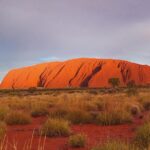
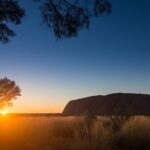
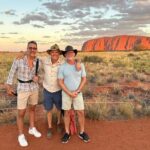
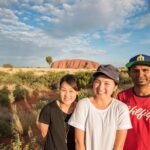
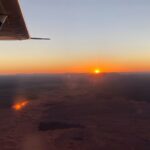
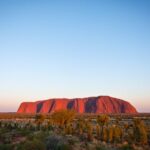
Day two is where the tour earns its reputation. Uluru sunrise is the headline, and it’s set up for a reason: you start early so the light hits the rock when it’s at its most dramatic. Guides help you orient your eyes, and you’ll learn about one of the significant cultural sites during the walk (the tour lists this as a guided cultural component).
If you’ve seen Uluru before, sunrise still hits different. At first it’s just light turning on. Then you start noticing how the surrounding plain and rock edges glow, and how quickly it changes. Bring a layer even if you think it’ll be warm—the early hours in the desert can be surprisingly cool.
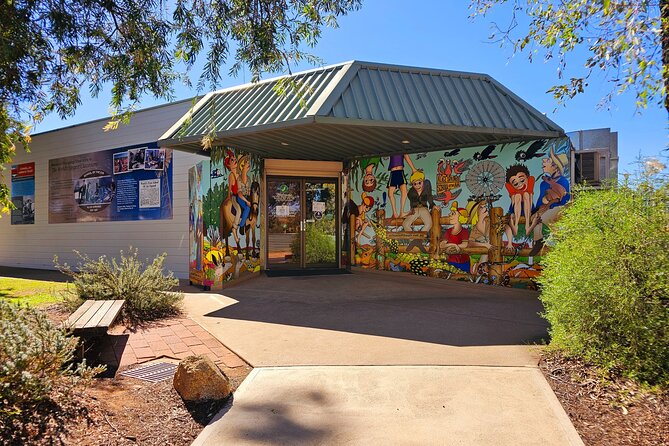
After that, lunch is followed by time at the Uluru-Kata Tjuta Cultural Centre. This is where you can slow down and shift from “scenery mode” to “understanding mode.” You’ll have a chance to browse and, if you want, purchase local art created by First Nation peoples of the Western and Central Deserts. Even if you don’t buy anything, it helps you place what you’re seeing into a bigger cultural context.
One practical note: sunrise days reward people who listen to timing. If you wander off or try to stretch every stop, you can miss the best light window.
Day 3: Kings Canyon Gorge Walk and Evening Choices
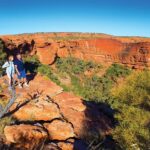
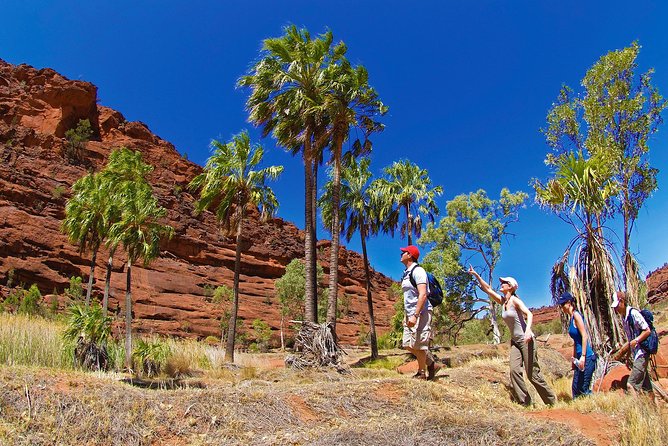
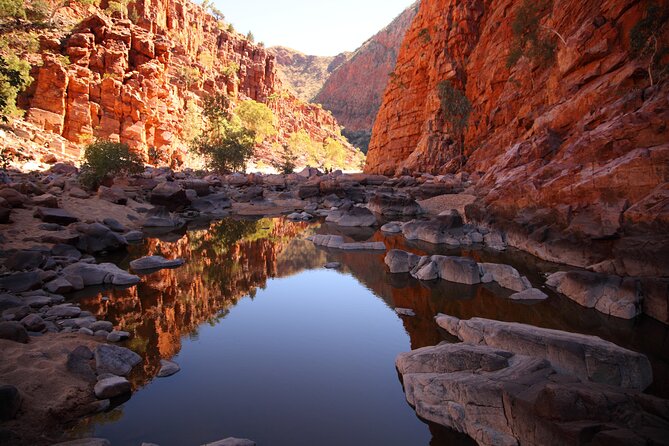
Kings Canyon is Watarrka National Park’s main event, and it’s a different kind of wow. Instead of domes and a lone monolith, you get huge rock walls enclosing a gorge. The terrain here includes porous sandstone, deep gullies, and areas that feel like natural “rooms” inside the canyon.
You’ll spend about four hours on Kings Canyon (guided time included). This is not just a casual stroll. You’re working your legs, and you’ll feel it more because the canyon walls create a sense of depth even when the path is relatively short. The reward is that the gorge shapes keep surprising you. Every bend in the rock changes how the light hits the walls.
Then the evening gives you choice in Ayers Rock Town Centre. You can select one optional activity from options like:
- Sunset Camel Cruise
- Field of Lights
- Sounds of Silence
- Wintjiri Wiru Drone display
If you’re the kind of person who hates decision fatigue, pick what sounds fun and don’t overthink it. You’re already seeing the biggest daytime icons. Evening options are for mood, not for “only this is worth it” pressure.
Trade-off: if you choose an evening activity that runs late, you’ll want energy management. Desert days add up.

Camping Setup, Food, and the Human Factor
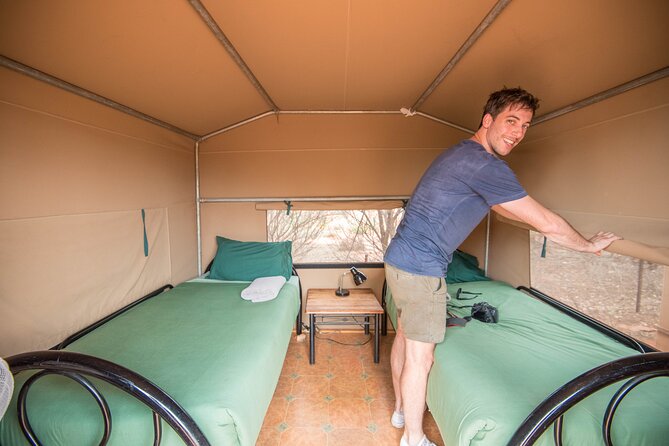
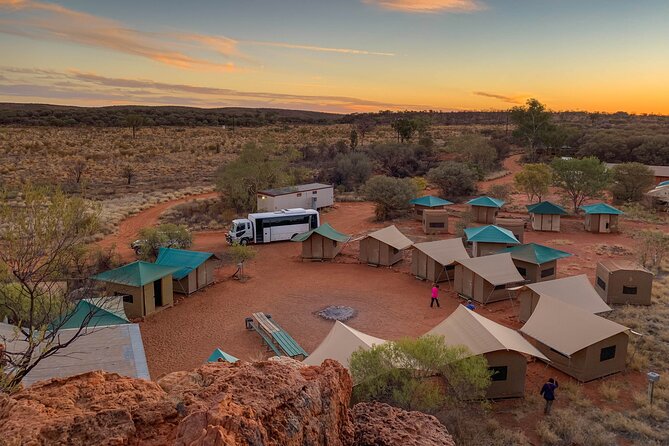
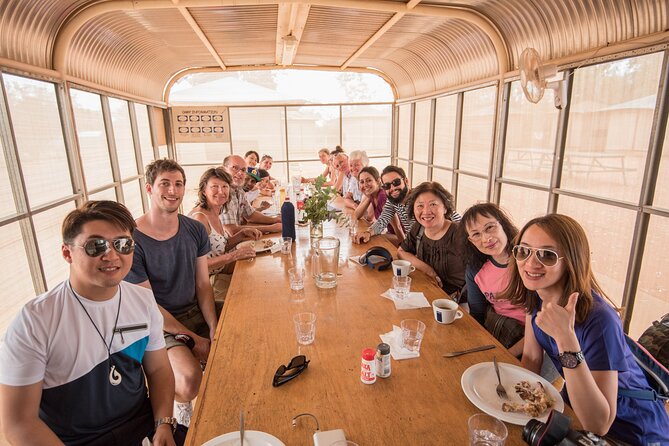
This tour is built around three nights of camping, and most of the value is in how it feels when the day’s driving and walking stop. Camping in the Red Centre can feel special because the environment is quiet and the sky takes over.
Food is a major standout. Meals are included across the days, and guides have strong reputations for cooking. One of the most specific praises: Sophie is singled out for knowledge and for being a terrific cook, with homemade desserts that people actively remember. Usher also gets named for care, which matters more than it sounds. In remote settings, the difference between a smooth trip and a stressful one is often how people handle small needs—water, timing, and group energy.
Camping is also where you need to set expectations. “Basic” is the word that fits. If you’re imagining hotel beds and climate control, this isn’t that. But if you’re open to simpler comfort in exchange for a more connected experience, the trade usually feels fair.
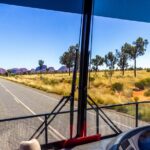
A note on comfort logistics: there’s at least one unhappy comment tied to bus seating and air conditioning. That’s not enough to scare you off, but it is a reminder to plan with realistic expectations for outback transport—especially if you run hot or you have any sensitivity to cramped seating.
Getting Around: Pickup, Group Size, and Timing
This experience starts at Desert Gardens Hotel in Yulara, with a start time listed as 1:00 pm. Pickup is offered, and the tour uses a mobile ticket system. The activity ends back at the meeting point, so you’re not left figuring out last-mile stuff when your energy is low.
Group size is max 24. That number matters. Smaller groups move more smoothly on hikes and viewing stops, and you’re less likely to feel like you’re stuck behind someone who’s taking ten-minute photo breaks while you’re trying to keep up with the day’s plan.
Physical fitness level is described as moderate. That means you should be comfortable with guided walking of a few hours at a time. It doesn’t mean you need to be a marathoner, but it does mean you should wear proper shoes and be prepared for sun and uneven ground.
What to Pack for Uluru, Kata Tjuta, and Kings Canyon
The tour doesn’t list packing items, so I’ll keep this practical based on what these places demand.
You’ll want:
- Sturdy walking shoes (rocky ground is common here)
- A hat and sunscreen (sun is strong)
- A light layer for early mornings (sunrise starts early)
- Water planning (even if water is handled, you’ll want to feel confident)
- A small day bag so you can move easily on hikes
Also, since camping is involved, keep your expectations realistic. Bring what you need for comfort, and don’t assume you’ll have the same setup as a hotel.
One more tip: if you get motion-sensitive, prepare for drives between parks. Even with breaks, these distances add up.
Who This Tour Suits Best (And Who Should Think Twice)
I think this tour fits best if you want:
- The Red Centre’s top sights in a single loop
- Guided context for Uluru and the parks
- A small-group feel (not a giant crowd)
- Meals handled, so you can focus on the experience
- Camping as part of the adventure, not a dealbreaker
You might think twice if:
- You need hotel-level comfort during the nights
- You’re extremely sensitive to transport comfort (there has been complaint about bus comfort/air conditioning)
- You dislike early mornings and long walking blocks
If you’re traveling solo, this can still work well because the group size stays manageable. If you’re traveling as a couple, it’s also good—camp nights often become the best part because everyone is relaxing together.
Should You Book This Uluru, Kata Tjuta and Kings Canyon Camping Adventure?
Here’s my honest take: if you like seeing places with good timing and you’re okay with basic camping, this is a strong value-style choice. The big wins are the structure around sunrise, the Kata Tjuta hike that actually gets you moving, and the Kings Canyon gorge walk that gives you a totally different feel from Uluru.
The tour also seems to run on good guiding. Sophie and Usher are specifically praised for knowledge and care, and even when people mention “basic,” they also describe it as enjoyable and rewarding. That mix—practical logistics plus decent comfort—matters a lot in remote regions.
If you’re the type who can’t tolerate discomfort or you want everything to be ultra-polished and cushy, you’ll probably be happier with a different style of accommodation-focused trip. But if you want the Red Centre to feel like the real Outback, not just a photo stop, this camping adventure makes a lot of sense.
FAQ
What’s the start time and where do I meet?
The meeting point is Desert Gardens Hotel in Yulara, and the start time is 1:00 pm.
How long is the experience?
It’s listed as about 4 days, including three nights camping.
Is pickup included?
Pickup is offered, and you start from Desert Gardens Hotel.
What’s included with the tour price?
Meals are included: breakfast (3), lunch (2), and dinner (3). Kata Tjuta admission is included, while other listed park stops are ticket-free within the tour structure. Optional evening activities are not included.
What optional activities are available?
In the evening at Ayers Rock Town Centre, you can choose from options such as a Sunset Camel Cruise, Field of Lights, Sounds of Silence, or the Wintjiri Wiru Drone display.
What’s the group size?
The tour has a maximum of 24 travelers.
Is the walking level difficult?
It’s described as moderate physical fitness. You should be comfortable with guided hikes that last several hours.
Is this tour ticket format mobile?
Yes, it uses a mobile ticket.
What’s the cancellation policy?
You can cancel up to 6 days in advance for a full refund, with reduced refunds if you cancel 2–6 days before. Less than 2 days before is not refundable.