REVIEW · ULURU
Uluru Morning Guided Base Walk
Book on Viator →Operated by AAT Kings · Bookable on Viator
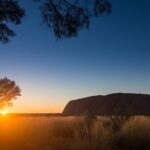
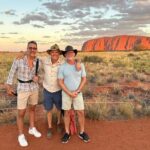
Watch the desert wake up. This early guided walk is one of the most practical ways to see Uluru’s base up close while hearing the stories tied to specific places along the route, from the start at Kuniya to rock art at Mutitjulu Waterhole.
I love how much the guide-focused commentary matters here. You’re not just checking a bucket-list photo spot—you’re walking and learning as you go, with pauses that help you understand why these features are important to the Anangu.
One thing to plan for: it can be dusty, and the walk is long at 11km. The light breakfast is welcome, but it’s often described as basic, so come hungry and expect simple food, not a big brunch.
In This Review
- Key Things I’d Pay Attention To
- Why the Uluru Base Walk Works Best in the Morning
- Price and What You’re Actually Getting for $142.73
- Getting There: Coach Pickup and the Small-Group Advantage
- Kuniya Walk Start: The Breakfast Pause That Sets the Tone
- How this stop can feel for you
- Kantju Gorge Stop: A Short Break With Big Waterfall Energy
- Practical note
- Mutitjulu Waterhole: Rock Art and Story Time at the Right Moment
- Pacing, Fitness, and Why “Mostly Flat” Still Takes Work
- Dust, Flies, and What Gear Helps You Enjoy It
- How the Guides Shape Your Uluru Experience
- Is This the Right Tour for Your Trip to Uluru?
- Should You Book Uluru Morning Guided Base Walk?
- FAQ
- What is the duration of the Uluru Morning Guided Base Walk?
- How far do we walk?
- Is hotel pickup and drop-off included?
- Do I need to pay for Uluru Kata Tjuta National Park entry?
- What’s included in the breakfast and drinks?
- How many people are in the group?
- What are the main stops on the route?
- Is the walk suitable for everyone?
- Can I cancel for free?
Key Things I’d Pay Attention To
- A guided 11km loop around Uluru’s base with meaningful stopping points, not a quick drive-by
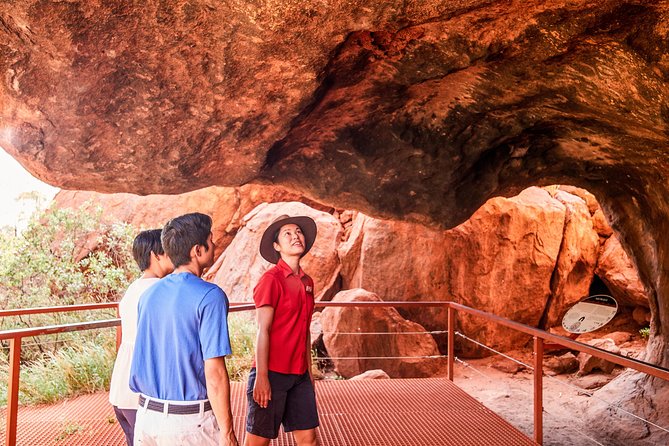
- Mutitjulu Waterhole rock art stories timed into the walk so you’re seeing what you’re hearing
- Light breakfast and hot drinks early on at the start, which helps with the long stretch ahead
- Small-group feel (max 20), so questions don’t disappear into the background noise
- Dust is real—red sand gets everywhere, so shoes and gear matter more than you’d think
Why the Uluru Base Walk Works Best in the Morning
Morning is the move for Uluru, and this tour is built around that reality. You start early enough that the temperature is usually more manageable, and that makes a huge difference when you’re on your feet for about 4 hours 30 minutes.
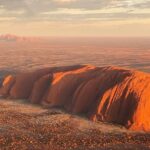
The other reason morning works is focus. When the light is softer, Uluru’s rock colors shift and the details at the base feel clearer. You’re also more likely to feel fresh when you hit the longer walking segments, which matters because the route isn’t short.
You can also read our reviews of more walking tours in Uluru

Price and What You’re Actually Getting for $142.73
At $142.73 per person, you’re paying for two big things: a guide-led walk plus transport and food. You get hotel pickup and drop-off, travel in an air-conditioned coach, and a light breakfast with tea/coffee/hot chocolate and biscuits.
You’re also paying for the parts that save you headaches on your own: someone sets the pace, manages timing between stops, and provides the commentary that turns Uluru from an iconic rock into a place with named locations and connected stories.
The separate cost to budget for is the Uluru Kata Tjuta National Park entry fee (AUD38 adult, child free), valid for 3 consecutive days. That fee isn’t included, so your trip math is basically: tour price plus park entry.
Is it good value? For first-time Uluru visitors, I think so—especially if you want the most “time on foot” you can get for the morning while still having context delivered in real time.
Getting There: Coach Pickup and the Small-Group Advantage
This experience includes pickup and drop-off, which is a quiet win in a place where logistics can eat your time. You’re not spending your energy figuring out when and where to meet. You’re also riding in an air-conditioned coach, which helps in the early-to-mid morning heat.
The maximum group size is 20. That’s big enough for a lively group, but small enough that your guide can actually notice who needs a quick assist or a slower pace for a moment.
From the guide examples people shared—names like Chloe, Glen, Michelle, Diane, Tess, and others—you can also tell the tours tend to depend on strong communication and storytelling, not just a person holding a flag.
Kuniya Walk Start: The Breakfast Pause That Sets the Tone
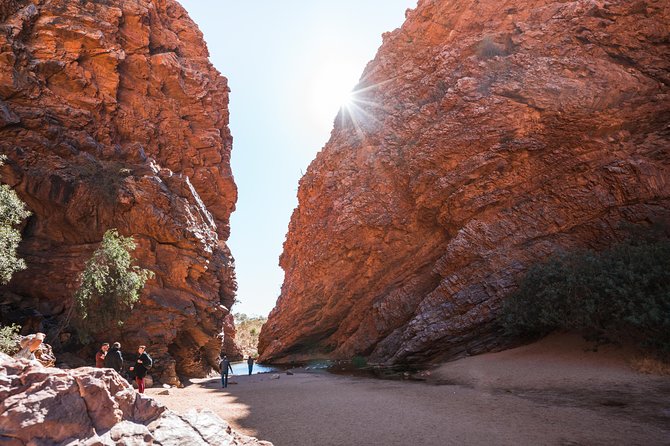
The walk begins at Kuniya Walk, where you’ll have tea, coffee, or hot chocolate. You’ll also be set up with your light breakfast elements, so you’re fueled before you hit the main stretch.
This is more than a snack stop. Kuniya Walk is described as a sacred site for the Anangu, and the guide’s job at this stage is to connect you to the place using the Tjukurpa stories of the Mala people. In practical terms, it means you start the walk with context, so the rest of the route doesn’t feel like random scenery.
Timing matters here: this stop is the longest part in the morning flow. Expect a good chunk of walking after the first break, and then a waterfall stop later.
How this stop can feel for you
If you like a steady start, you’ll appreciate the structure. If you’re hoping for frequent long breaks, this early section can feel like it moves—so bring patience, not just enthusiasm.
You can also read our reviews of more guided tours in Uluru

Kantju Gorge Stop: A Short Break With Big Waterfall Energy

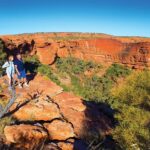
Next is Kantju Gorge, where the highlight is viewing the tallest waterfall in Central Australia. The stop time is about 30 minutes, which is enough to see it, get your photos, and catch your breath before you keep going.
This is also one of those moments where Uluru’s surroundings remind you you’re in an ecosystem, not just a single rock. Even if the waterfall isn’t roaring the way you’d picture from wetter climates, it’s still a signature sight connected to the area’s natural shape.
Practical note
Because you’re inside the national park, this stop ties back to the park entry fee you need to budget for. If you don’t have park entry sorted, you’ll be the one dealing with it, not the guide.
Mutitjulu Waterhole: Rock Art and Story Time at the Right Moment
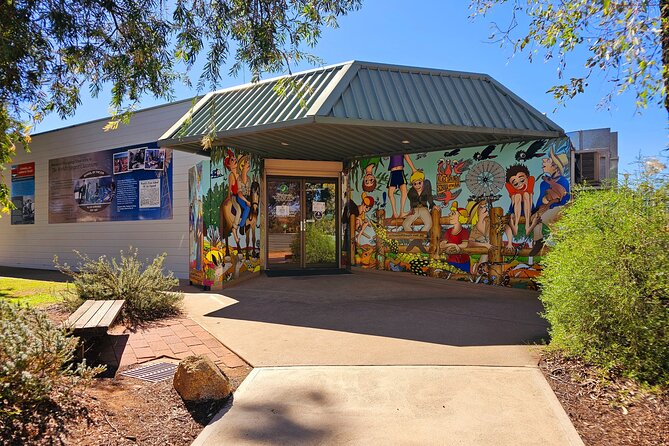
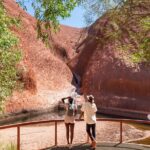
Mutitjulu Waterhole is where the experience turns from scenic to personal. You’ll see Aboriginal rock art and hear stories connected to Kuniya and Liru, with a guided explanation that aims to help you understand what you’re looking at.
There’s another practical reason this stop lands well: it breaks up the walk late enough that you’ve had time to build momentum, but early enough that you don’t feel like you’re sprinting to the end. You get about 30 minutes here, and then you’ll return toward the finishing point connected to completing the base walk.
If you’ve ever visited a site and felt like you missed what you were supposed to notice, this is the part that fixes that. The guide’s commentary gives your eyes something specific to look for.
Pacing, Fitness, and Why “Mostly Flat” Still Takes Work
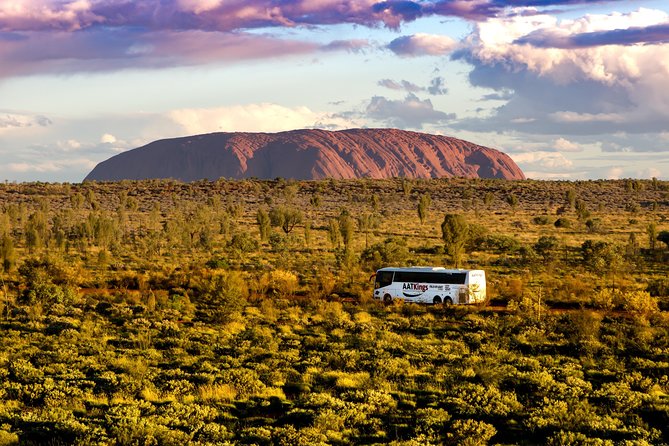
The walk is about 11km total, and it’s guided at a steady pace. Many people note it’s mainly flat, but 11km is still 11km—especially on red sand.
A few practical things to expect:
- The first half can be brisk for some people.
- The overall pace is easier if you keep a rhythm from the start.
- If you’re older or less conditioned, you’ll want to pace yourself early rather than try to catch up later.
The tour is described as suitable for travelers with moderate physical fitness. That’s a fair way to put it: you don’t need to be a marathoner, but you shouldn’t plan on strolling the whole time.
And yes, dust and heat can make the same pace feel harder. One of the most repeated bits of feedback is how dusty it can get, with red sand sticking to shoes. That’s not a surprise. It’s a planning requirement.
Dust, Flies, and What Gear Helps You Enjoy It
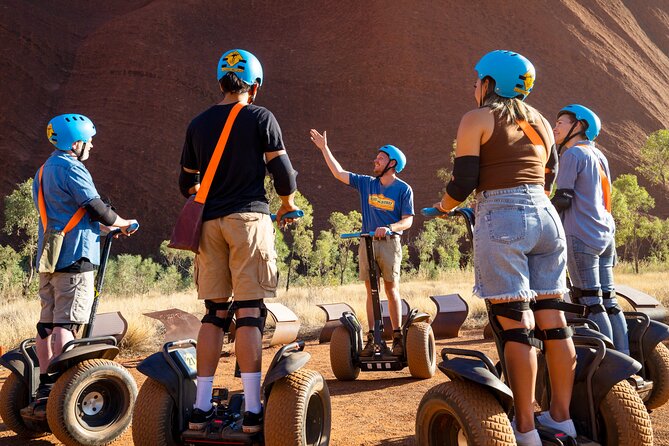
This walk is outdoors, on sand and rock textures that don’t hide mess well. Wear shoes you don’t mind getting covered. People mention that the dust can coat footwear and add a layer of grit to everything.
Flies can also be a factor. One family specifically recommended bringing a fly net for kids, and honestly, that’s the kind of small detail that can make or break your comfort on a long outdoor walk.
Also, pack your patience. The experience is structured, but nature doesn’t pause for your schedule. If you’re sensitive to heat or you get worn out easily, take slow breaths, sip water if you brought it, and treat the stops as your reset points.
How the Guides Shape Your Uluru Experience
I think this tour earns its high rating because the guide role is front and center. People repeatedly praised guides for making the stories feel clear and meaningful, not vague.
Names that came up again and again include Glen, Chloe, Michelle, Diane, Tess, and others. The common theme isn’t just facts—it’s how the guide connects place, rock features, and cultural stories into a route you can follow with your eyes.
That matters because Uluru can look simple from a distance. Up close, it’s layers, cracks, and shapes at the base. A good guide helps you notice those details at the right moments.
The flip side is that guides aren’t all the same. One person described feeling disappointed with guidance in a specific case. That’s rare, but it’s a reminder: if you strongly prefer a very slow, highly stop-and-stare pace, you might want to choose a tour style that allows more time at each feature.
Is This the Right Tour for Your Trip to Uluru?
This tour is a strong fit if:
- You’re a first-time visitor and want an organized introduction without rushing.
- You want the 11km base walk with stopping points that connect to rock art and the stories tied to named locations.
- You like a guided pace with commentary while you walk, rather than just walking independently.
I’d think twice if:
- You dislike long walks or struggle with steady pacing.
- You’re expecting a fancy breakfast setup or a big sandwich-style meal.
- Dust and mess stress you out.
If you’re visiting for multiple days, you’ll likely appreciate stacking this with other Uluru experiences because the park entry fee is valid for 3 consecutive days. That’s how you stretch value out of the separate national park cost.
Should You Book Uluru Morning Guided Base Walk?
Book it if you want the best “first Uluru” combo of walking time plus guided meaning, and you’re comfortable with a long, dusty 11km morning. I also think it’s great value when you factor in coach pickup, hot drinks, and the structure a guide provides.
Skip it or plan carefully if you’re sensitive to heat and sand, or if you need more frequent long stops than the schedule allows. In that case, you’ll still see Uluru—but you might enjoy a different pace better.
FAQ
What is the duration of the Uluru Morning Guided Base Walk?
It runs for about 4 hours 30 minutes.
How far do we walk?
You’ll walk around Uluru’s base for about 11km (7 miles).
Is hotel pickup and drop-off included?
Yes. Hotel pickup and drop-off are included, and you travel in an air-conditioned coach.
Do I need to pay for Uluru Kata Tjuta National Park entry?
Yes. The tour price does not include the Uluru Kata Tjuta National Park entry fee (AUD38 per adult; children are free) and it’s valid for 3 consecutive days.
What’s included in the breakfast and drinks?
You get a light breakfast, plus tea, coffee or hot chocolate, and biscuits.
How many people are in the group?
The tour has a maximum group size of 20.
What are the main stops on the route?
You’ll have stops connected to Kuniya Walk, Kantju Gorge, and Mutitjulu Waterhole.
Is the walk suitable for everyone?
It’s recommended for travelers with moderate physical fitness.
Can I cancel for free?
Yes. You can cancel up to 24 hours before the experience start time for a full refund.