REVIEW · ULURU
Uluru, Kata Tjuta and Kings Canyon Camping Safari from Ayers Rock
Book on Viator →Operated by Adventure Tours Australia · Bookable on Viator
Uluru can feel personal at sunrise. This 3-day camping safari is built around guided hikes, plus cultural explanations that help the Red Center make sense fast. I especially like that your guide manages the driving and timing, and you get a mix of Uluru sunsets and Kata Tjuta domes without guessing what to do next.
Do plan for early mornings and heat. One thing I would watch is the camping comfort level: while the experience includes two nights in tents, a low rating flagged issues like dirty showers and bathrooms at camp. If you hate roughing it, bring patience (and a few hygiene backups) before you go.
In This Review
- Key things to know before you go
- Red Center timing: how this 3-day camping safari stays on track
- Uluru sunsets and sunrise: seeing one rock twice the right way
- Kata Tjuta afternoon hike: domes, distance, and the Lost City idea
- Cultural Centre and Maruku Arts: the meaning part you actually get time for
- Kings Canyon campsite night: what camping is like in the park region
- Kings Canyon rim walk: distance, heat, and why the timing matters
- Price and value: is $713.66 a good deal for what you get?
- Who this tour suits best (and who should think twice)
- Booking decision: should you book it?
- FAQ
- How long is the Uluru, Kata Tjuta and Kings Canyon Camping Safari from Ayers Rock?
- Where does the tour start, and what time?
- Do I get picked up, and where do I get dropped off?
- What kind of physical fitness do I need?
- Are meals and park activities included?
- Can I cancel for a refund?
Key things to know before you go
- Small group size (max 20): more time with your guide and less crowd pressure at key viewpoints
- You see all three big sites: Uluru, Kata Tjuta, and Kings Canyon in one tight itinerary
- Sunrise and sunset timing: early starts and golden-hour views are part of the deal
- Cultural stops included: Uluru-Kata Tjuta Cultural Centre and Maruku Arts are scheduled in
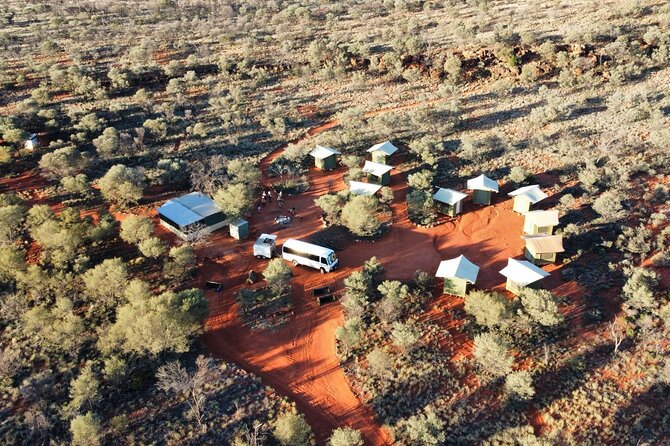
- Camping inside Watarrka/Kings Canyon area: you sleep in the national park region, not just nearby
- Moderate fitness is required: expect long walks when conditions are hot
Red Center timing: how this 3-day camping safari stays on track
This is a 3-day, 2-night guided camping trip through Australia’s Red Center. You start at Ayers Rock Resort at 1:00 pm, and you finish with a drop-off in select Alice Springs hotels on day 3 between 5:30 and 6:30 pm. Group size is capped at 20, which matters because the best light at Uluru and the best walking windows at Kings Canyon are limited.
What makes this format work for most people is that you are not responsible for stitching together tickets, transport, and the order of hikes. A guide runs the show, which is a big part of why this feels like a true safari rather than a checklist.
The big “gotcha” is physical effort. The route includes base walks and a Kings Canyon rim walk, and the early starts are there because later heat can get brutal. If you can handle long stretches of walking at altitude-adjacent desert temperatures, you will likely love it.
A few more Uluru tours and experiences worth a look
Uluru sunsets and sunrise: seeing one rock twice the right way
Uluru gets special treatment here because the itinerary gives you two different moods.
Day 1: sunset snacks and color changes
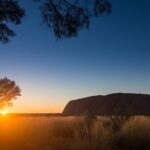
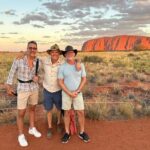
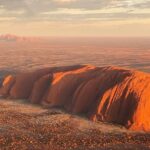
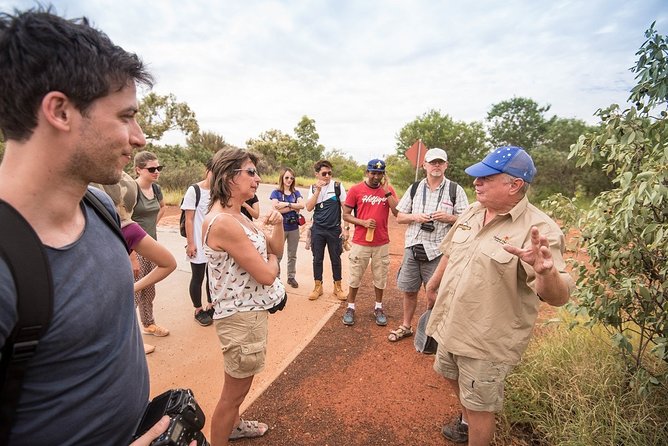
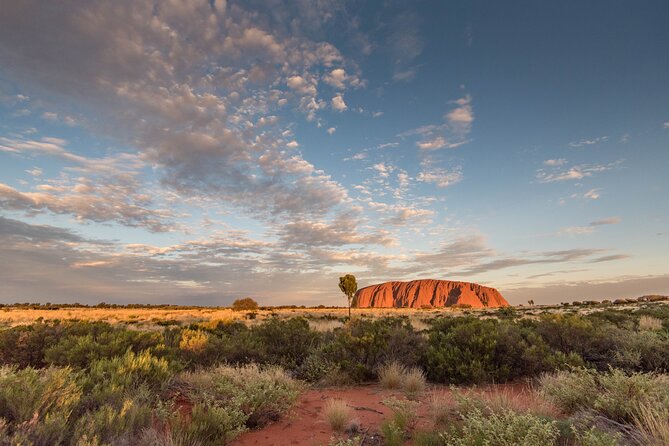
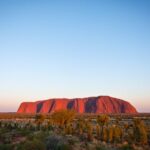
On the first evening, you head to Uluru as the sun goes down. You’ll stop for about an hour to watch the rock shift through intense colors. This isn’t just sightseeing; your guide’s explanations help you connect the physical shape of the place to cultural meaning. Those small context moments can turn a photo stop into something you remember.
Day 2: sunrise early start and a base walk
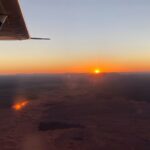
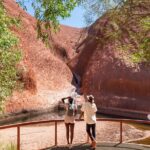
The next morning is an early one, and that’s for a good reason. You’ll catch a sunrise view and then walk around the base of Uluru for roughly four hours. The morning is cooler, and you get that rare feeling of moving through quiet desert light before the day heats up.
A review highlighted what that early start can mean in practice: breakfast at 4:30 am, then a long base walk (about 10 km) once you’re rolling. It also noted temperatures that were getting into the low-to-mid 40s Celsius later in the day. So yes, you should expect real exertion, not a slow stroll.
Practical tip: if you pack only for comfort, you might be caught by the temperature swing. Layers help early in the morning, and sun protection matters a lot once the day turns.
Kata Tjuta afternoon hike: domes, distance, and the Lost City idea
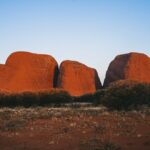
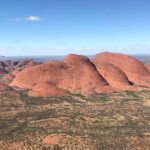
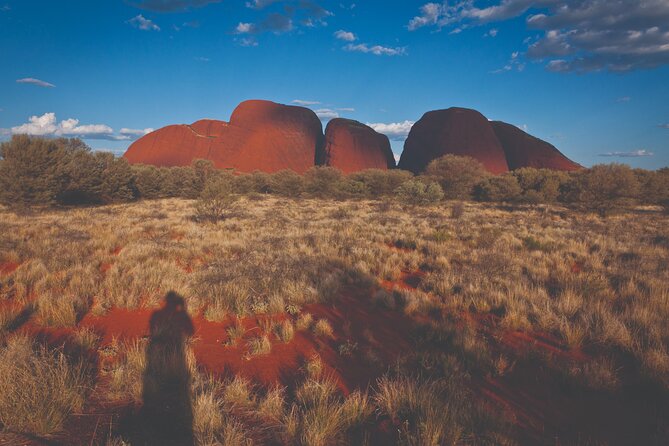
Kata Tjuta is often described as 36 domes, and in this itinerary it’s treated as a real hike, not a quick viewpoint. On day 1 you’ll visit Uluru-Kata Tjuta National Park and spend about two hours on an afternoon hike among the formations. The idea is to get a proper feel for the site rather than only looking from one spot.
The highlight here is how the rock changes as you move. Up close, domes don’t look uniform. Shadows slide between ridges. Your guide’s talk helps you understand what you’re seeing, and the timing (afternoon light) gives you texture and depth.
Some people love Kata Tjuta because it feels different from Uluru. Uluru is one huge landmark; Kata Tjuta is a whole world of rock shapes. If you want variety in a short trip, this stop delivers.
Watch-outs: it’s still the desert. Even if it’s “only” a two-hour hike, you may feel it more than you expect because the day can be warm. Bring water discipline and pacing habits you know work for you.
Cultural Centre and Maruku Arts: the meaning part you actually get time for
A lot of tours pay lip service to culture. This one builds in time to learn, and that’s one of the reasons it gets strong ratings.
After your Uluru morning walk and lunch, you visit the Uluru-Kata Tjuta Cultural Centre for about 30 minutes. Admission is listed as free here. Even if you are not shopping, this stop is useful for grounding your visit. If you want to bring something home, it is also where you may purchase First Peoples of Australia art and craft.
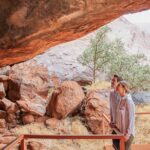
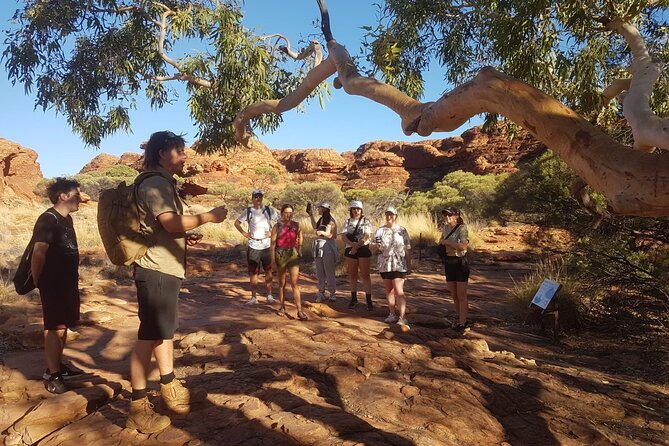
Then you add Maruku Arts for another 30 minutes: an interpretive cultural walk with an Aboriginal and Torres Strait Islander guide. Admission is included. This is the portion that can turn the trip from scenery into understanding, because it gives you guided interpretation in plain language.
One more reason I like this setup: the cultural stops are not dumped at the end of an exhausting day. They land on day 2 after you’ve settled into the trip rhythm, so you still have energy to pay attention.
Kings Canyon campsite night: what camping is like in the park region
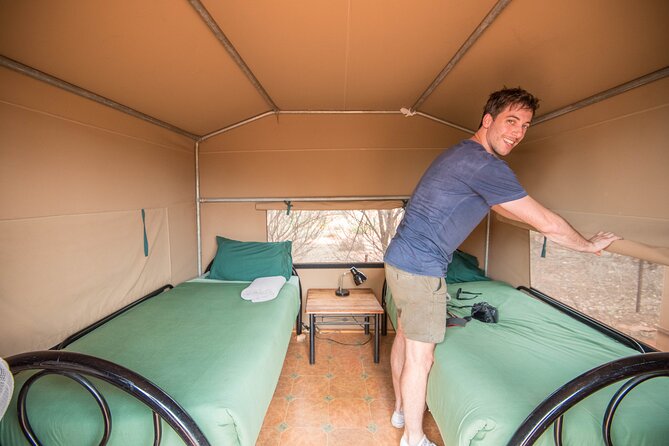
Day 2 shifts into overnight mode. You travel to Watarrka National Park, and you sleep at the exclusive campsite within that park area. The itinerary shows a long 12-hour stop there, which likely includes travel time plus time for your group meals and the overnight setup.
You should know what camping here likely feels like based on what you’ve heard from past participants: this is not a hotel. One review specifically said they slept two nights in a tent on camp sites, and that the camping added to the flavor of the safari.
Now the other side: a low rating complained that the conditions of both campgrounds were lamentable, with bathrooms and showers described as unhygienic. That kind of issue is not something you can control as a guest. It does, however, change how you should prepare.
How to handle this realistically:
- Assume facilities may be basic.
- Pack quick hand hygiene (sanitizer) and consider wet wipes for times when sinks are not ideal.
- Bring a small towel or cloth for wiping down in your own space.
- If you are sensitive to cleanliness, plan mentally for that risk rather than hoping it will be perfect.
If you can roll with basic camping and you keep expectations grounded, the location can feel special. Falling asleep knowing you are sleeping close to Kings Canyon country, not just overnighting in a generic area, adds a sense of place.


Kings Canyon rim walk: distance, heat, and why the timing matters
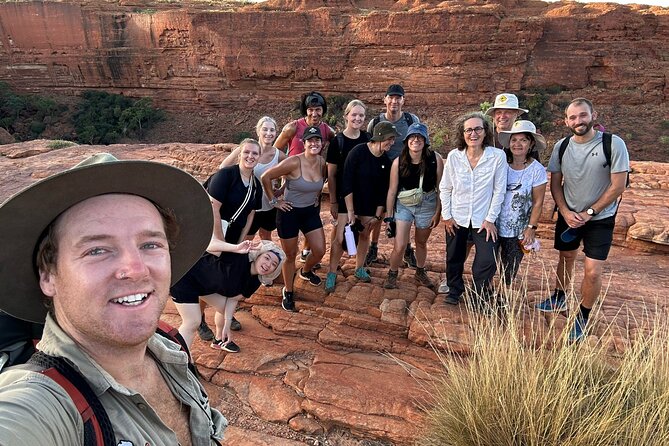
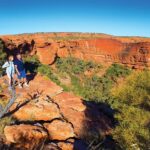
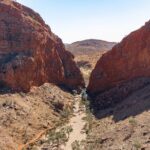
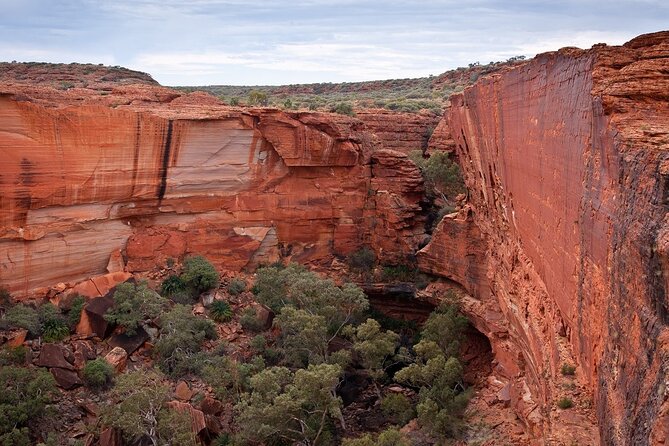
Day 3 is the big physical finale: Kings Canyon. The itinerary lists about four hours here, and it emphasizes the gorge with high sheer rock walls. It also points to the sights that make Kings Canyon famous: Amphitheatre, Garden of Eden, and North and South walls, plus the general sense of walking through dramatic rock country.
This is where your earlier training with Uluru base walking pays off. If you feel strong on day 2, Kings Canyon likely feels like a satisfying payoff instead of a punishment.
One review gave a specific picture of the effort: a 9 km rim walk and temperatures pushing around 43 Celsius. That is exactly why tours like this go early and why you do not want to treat the day 3 walk as casual.
How I’d plan your behavior on the trail:
- Move slower than your ego wants, especially at the start.
- Take breaks when your guide asks, not when you are already cooked.
- Use your hat and sun protection like it is part of the uniform, not optional gear.
If you love big viewpoints and you can handle heat and long walking days, Kings Canyon is often the highlight people remember most.
Price and value: is $713.66 a good deal for what you get?
At $713.66 per person, this is not a budget outing. But it also isn’t paying only for seat time.
Here’s what your money is doing:
- A guide who manages driving and the day-to-day schedule
- Time-saving logistics across Uluru, Kata Tjuta, and Kings Canyon in 3 days
- Camping for two nights with the group
- Meals with dining under the stars and most meals included
- Cultural programming: the Cultural Centre and Maruku Arts are built into the timeline
- Park access elements where listed as included in the itinerary stops
The real value is that you are not assembling multiple tours or paying extra for transport and guide attention. For many people, that alone makes the price feel more reasonable than it first appears.
That said, value depends on your comfort level with camping. If you end up feeling disappointed by camp facility cleanliness, the money-to-comfort ratio can drop fast. If you go in knowing you are buying guided access to iconic places plus a desert camping experience, you are more likely to feel satisfied.
Who this tour suits best (and who should think twice)
This itinerary fits best if you:
- Enjoy guided interpretation and want culture context, not only photos
- Can handle moderate walking and early starts
- Like small-group pacing (up to 20 people)
- Are comfortable with two nights in tents and basic camp conditions
You might think twice if you:
- Need predictable comfort levels like spotless bathrooms and showers every day
- Want a mostly easy, low-effort sightseeing plan
- Struggle with hot-weather walking or long distances
A good “fit check” question: would you enjoy a sunrise walk where the reward is light and meaning, not a lie-in and brunch? If yes, this tour matches your vibe.
Booking decision: should you book it?
I’d book this safari if your priority is seeing the Red Center’s three main icons with a guide who keeps the schedule tight and gives you cultural framing along the way. The structure is smart: sunset on day 1, sunrise and base walk on day 2, and a major Kings Canyon walk on day 3.
I would not book it on autopilot if you are very sensitive to camp comfort. The itinerary’s camping is part of the package, and at least one past experience flagged cleanliness problems. If you prepare for basic camping conditions, bring hygiene backups, and show up ready for heat and early mornings, the payoff can be big.
FAQ
How long is the Uluru, Kata Tjuta and Kings Canyon Camping Safari from Ayers Rock?
The tour runs for 3 days (about 2 nights of camping).
Where does the tour start, and what time?
It starts at Ayers Rock Resort, 170 Yulara Dr, Yulara NT 0872 at 1:00 pm.
Do I get picked up, and where do I get dropped off?
Pickup is offered. The tour ends with drop-off at select Alice Springs hotels between 5:30 and 6:30 pm on day 3.
What kind of physical fitness do I need?
You should have a moderate physical fitness level, since the itinerary includes walking such as an Uluru base walk and a Kings Canyon rim walk.
Are meals and park activities included?
The itinerary includes dining under the stars and states that most meals are included. Some admission items are listed as free, while others are included in the tour.
Can I cancel for a refund?
Yes. You can cancel up to 6 days before the experience start time for a full refund. For a 50% refund, cancel 2–6 days before. If you cancel less than 2 days before, the amount paid is not refunded.
If you want, tell me your walking comfort level and whether you hate early mornings, and I’ll help you decide if this one matches your style.