REVIEW · ULURU
Best of Uluru & Segway
Book on Viator →Operated by Uluru Segway Tours · Bookable on Viator
Segwaying Uluru sounds like a gimmick until you’re gliding past rock faces you’d never reach on a normal stroll. This is one of those rare ways to cover ground, hear stories, and still feel the place is sacred. You’ll get hands-on training so you can actually enjoy the ride, not just survive it.
I also love the mix of vehicle time and feet-on-ground moments. You don’t just zip around for photos; you stop at Mutitjulu Waterhole and walk part of the Mala Walk with a guide who talks about culture and meaning. And if you choose the sunset option, you end with classic Red Centre light plus simple treats at the base.
The main drawback to know up front: a big chunk of the first part of the experience is safety instruction and practice before you ride. Also, the National Park entry fee is not included, so plan for that extra cost in your budget.
In This Review
- Key things I’d circle before you go
- How Segway training sets the tone at Uluru
- Hotel transfers and small-group pace
- Stop 1: Uluru on Segway, plus the first rock art and photo angles
- Stop 2: Mutitjulu Waterhole and rock art close-up
- Stop 3: Mala Walk caves, guided routes, and Anangu stories
- Stop 4 (optional): Sunset at the base with sparkling wine and nibbles
- Price and logistics: what $142.73 buys you (and what doesn’t)
- Weather, flies, and heat: what to pack so the day stays fun
- Who this Uluru Segway tour is best for
- Should you book Best of Uluru & Segway?
- FAQ
- How long is the Uluru Segway tour?
- Is hotel pickup and drop-off included?
- What does the tour include for Segway use?
- Are the Uluru National Park entry fees included?
- What are the minimum age and weight requirements?
- Is sunset included?
- How big is the group?
Key things I’d circle before you go
- Small groups (max 10) mean less waiting and more real guide time
- Hotel pickup and drop-off saves you from juggling transport in the heat
- Segway safety gear and helmet help you ride confidently, even if it’s your first time
- Guided Mutitjulu Waterhole walk gets you close enough for real rock-art viewing
- Mala Walk with cave access adds texture beyond the big views
- Optional sunset finish gives you the glow moment with sparkling wine and picnic nibbles
How Segway training sets the tone at Uluru
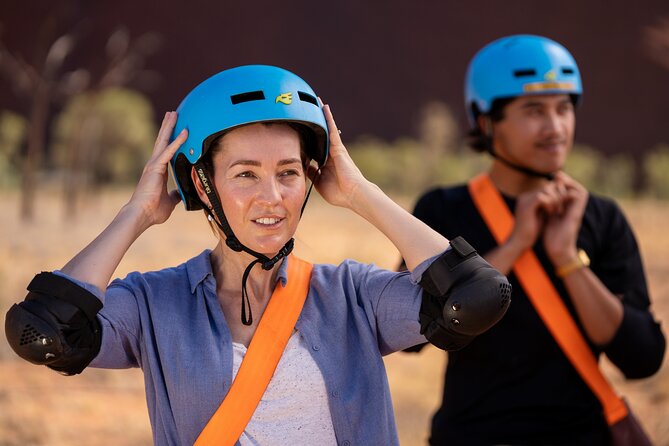
The tour starts with the kind of setup that matters in a place like Uluru: safety first, then fun. You’ll receive the helmet and safety equipment and a clear lesson on how to control the Segway. Then you practice long enough to get your confidence up before you head out.
That matters because Uluru is big, the ground can be uneven in places, and the day can feel intense if you’re nervous. In multiple guides’ styles you’ll see the same theme: patient coaching for first-timers. For example, guides like Nick and Sye were praised for teaching riders well, and Lisa was praised for both attentive guidance and story-led explanations. That combination is what turns the ride from a chore into an experience.
Just be honest with yourself about the requirements. You should have moderate fitness and be comfortable enough to ride a bicycle. You also need to meet the weight range (45–117kg / 99–257 pounds) and be free of serious vision or balance impairments, illness, or injuries that would affect your ability to ride. The minimum age is 12, and kids must be with an adult. If you’re pregnant, have a history of serious spinal injury, or are over 65, this is not recommended.
If you’re thinking I’ll just follow along, you’ll do better if you treat the training time as part of the experience, not a pause button.
You can also read our reviews of more tours and experiences in Uluru.

Hotel transfers and small-group pace
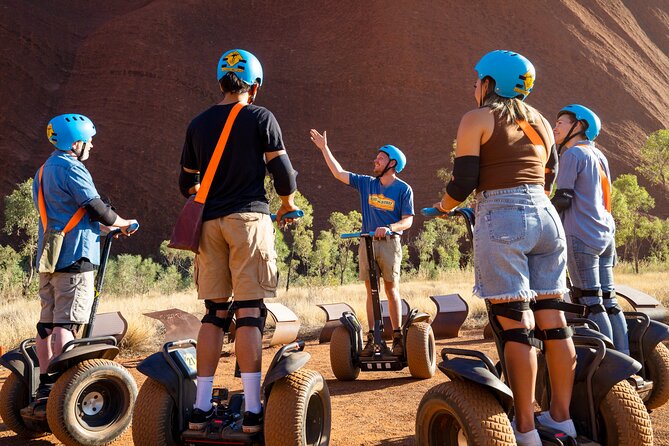
One of the best “value” perks here is the hotel pickup and drop-off. Uluru is not a city where you hop on a bus and wander. Getting collected and returned without extra planning keeps the day easy.
The group size is capped at 10 travelers, which changes the vibe. Fewer people means you’re not stuck waiting while someone else tries to figure out the controls. It also means the guide can adjust on the fly if the terrain or wind feels different than expected.
In terms of pacing, the whole outing runs about 4 to 5 hours. That’s enough time to do the big visual highlights along the base, plus guided walks. It’s also long enough that you’ll want to come prepared for heat and sun, because you’ll be out before the light turns soft.
Stop 1: Uluru on Segway, plus the first rock art and photo angles
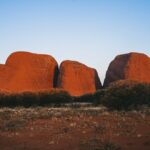
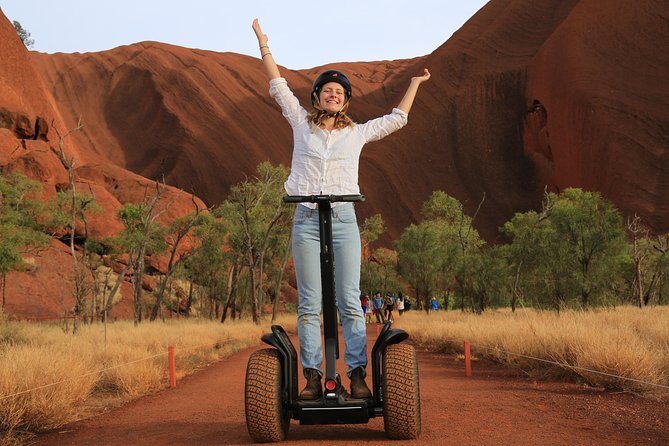
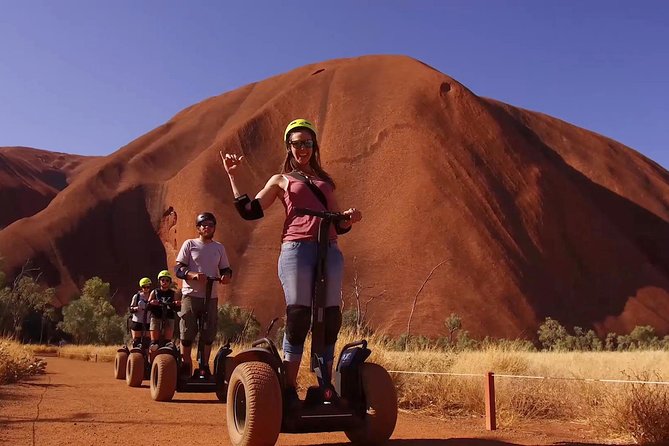
Your first major segment focuses on getting out on the Segway for the most scenic part of Uluru’s massive base. Think of it as the “cover the best perimeter without killing your legs” portion. This stop lasts about 1 hour 30 minutes (and includes training time earlier in the experience).
As you ride, your guide points out viewpoints and helps you connect what you’re seeing to the cultural and natural stories of the Anangu people. This is where the tour’s tone clicks: you’re not just looking at red rock—you’re learning how people understand it.
You’ll also get chances to photograph, including angles that are hard to get if you’re just walking at an average pace. The Segway glides quietly compared to cars, so the focus stays on the place, not on engine noise.
Two practical tips I’m glad the guides reinforce through the ride:
- Bring some sun protection and keep it in your routine. One review specifically suggested a ball cap under your helmet so your eyes stay clear in bright glare.
- Uluru days can bring persistent flies. A fly net was recommended, especially in warmer months.
If you’re expecting a long, constant ride with no instruction, you may feel surprised. A few reviews noted that the Segway time can feel shorter than the full block of time, largely because safety instruction and practice are built in. So the best mindset is: you’re paying for both the ride and the guided learning.
Stop 2: Mutitjulu Waterhole and rock art close-up
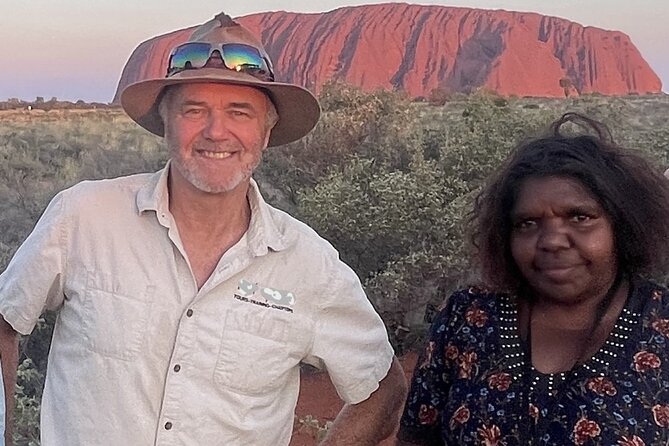
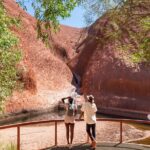
Next comes Mutitjulu Waterhole, about a 30-minute guided stop. This is where the tour shifts from “look how big Uluru is” to “look how much is here.”
You’ll see Uluru’s largest waterhole and get up close enough to touch the rock. Your guide shares Aboriginal rock art and the stories connected to the waterhole. This is one of the most meaningful segments because the time spent isn’t about speed. It’s about attention—how you look, what you notice, and what the place means.
The other big advantage of this stop is that it gives context to the red rock you’ve been riding past. Once you’ve heard the stories, the base walk and the carvings stop feeling like random visuals and start feeling like part of a living cultural landscape.
Practical note: it’s still hot and still outdoors. Even if this stop is short, plan your water and sun protection like it’s going to be the middle of the day, because it often feels that way.
Stop 3: Mala Walk caves, guided routes, and Anangu stories
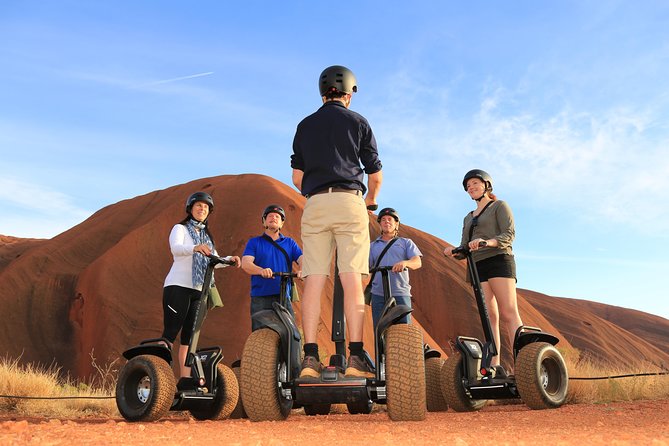
After Mutitjulu, you’ll continue with the Mala Walk, around 1 hour. This guided walk takes you to caves and more Aboriginal rock art, and you’ll get access to go inside some caves during the experience.
What makes this part work is the contrast. The Segway gets you the sweep of the monument’s scale. The Mala Walk adds texture: smaller details, the sense of human scale, and the way rock art is tied to particular places and traditions.
If you’re someone who likes explanations as you move, this stop will suit you. Reviews praised guides for stories and cultural respect, including Harley, who was singled out for sharing many stories and information while maintaining respect for the local community.
You’ll also want to accept that the walking is part of the deal. Even if the Segway removes a lot of effort, this tour isn’t purely motorized. It’s designed for people with moderate physical fitness, and it includes some flat walking and time outdoors.

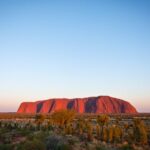


Stop 4 (optional): Sunset at the base with sparkling wine and nibbles
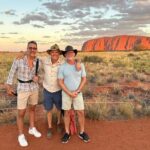
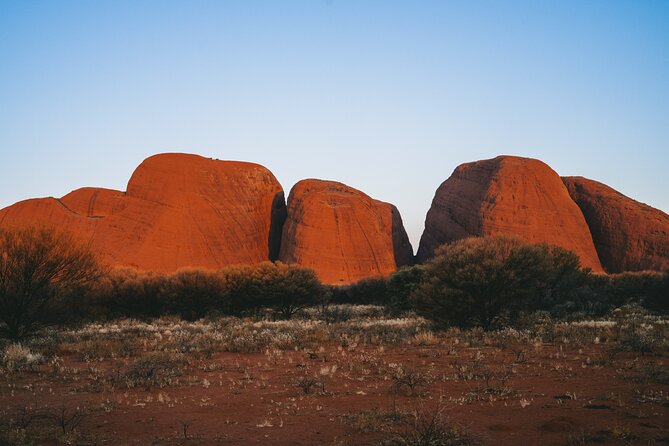
If you pick the sunset option, the tour finishes with a sunset viewing moment right at the base. This segment runs about 1 hour, and it includes a glass of sparkling wine plus picnic nibbles.
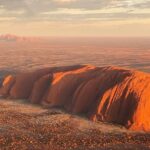
Sunset here is one of the big reasons people choose Uluru in the first place, and this option is built to deliver the classic glow. It’s also a practical way to photograph: your guide positions the group so you’re there for the light change rather than trying to guess timing on your own.
Now for the honesty: not every picnic will match your expectations if you’re picturing a full restaurant meal. One reviewer described the sunset refreshment setup as fairly simple, mentioning a few drinks and bread with olive oil and balsamic vinegar. If you want a substantial dinner, you’ll likely be happier if you treat the nibbles as a bonus, not as the main event.
Price and logistics: what $142.73 buys you (and what doesn’t)
At about $142.73 per person, you’re paying for a package, not just a Segway rental. The “value” here comes from several things grouped together:
- Hotel pickup and drop-off (huge in the Red Centre)
- Professional guiding and live commentary during the experience
- Segway safety gear plus training before you ride
- Guided stops at Mutitjulu Waterhole and the Mala Walk
- Segway riding along roughly one quarter of Uluru’s base
- And if you choose it, the sunset viewing and included sparkling wine plus picnic nibbles
What’s not included is the Uluru/Kata Tjuta National Park entry fee. That’s common in this area, but it’s still the kind of detail that can surprise you at checkout.
The other value question is how much time you spend on the Segway versus instruction. Most first-timers need that practice. A couple of reviews said the Segway ride itself felt short compared with the overall time, especially when safety briefing and practice take longer. So if your main goal is maximum “ride time,” you should manage expectations and think of it as a guided experience where the ride is the delivery method, not the only product.
Weather, flies, and heat: what to pack so the day stays fun
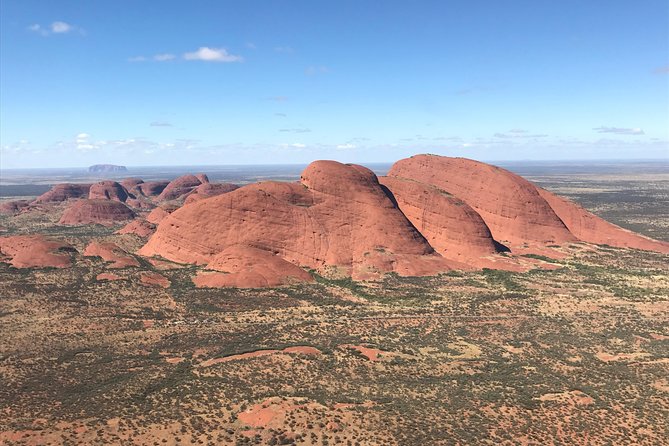
Uluru can be brutally hot, and even when you’re moving with the shade of rock faces, you’re still outdoors. Reviews specifically recommended hydration and using a fly net in warmer months. That fly advice is not small—flies can be persistent enough that they change how relaxed you feel.
Here’s what I’d plan on bringing based on what consistently comes up:
- A hat or cap for sun protection, and consider a cap under your helmet so you don’t squint the whole time
- A way to protect your face and eyes from flies (especially in summer months)
- Plenty of water for the day, since you’ll be outside for several hours
You’ll likely get a better experience if you treat this as an early-day outing where you start cool, stay comfortable, and don’t try to “tough it out.”
Who this Uluru Segway tour is best for
This tour fits best if you want Uluru highlights with guidance and you like learning while you move. It’s also a good choice if you don’t want to do the longest walking day but still want more than a quick drive-by.
You’ll probably enjoy it if:
- You’re open to trying a new skill and want the training included
- You want guided cultural and nature stories along the way
- You value a small group and a relaxed pace with less waiting
- You want a quieter way to see the base of a massive place
It might not fit if:
- You want a long uninterrupted Segway ride with minimal instruction
- You have mobility concerns that make walking difficult (there is still walking at Mutitjulu and Mala Walk)
- You’re pregnant, have a history of serious spinal injury, or are over 65 (not recommended)
- You can’t meet the weight and fitness guidelines (45–117kg and moderate fitness, plus the ability to ride a bicycle)
- You have serious vision or balance impairments
Should you book Best of Uluru & Segway?
If you want a guided Uluru experience that mixes Segway views with real stops like Mutitjulu Waterhole and the Mala Walk, I’d say this is a smart book. The small group size, included pickup, and the fact that safety training is part of the program makes it feel more thoughtful than a basic activity.
Book it if:
- You’re excited by the idea of seeing Uluru up close without spending your whole day walking
- You care about stories and context, not just big photos
- You want an organized day that handles timing and guidance
Skip it if:
- Your top priority is maximum ride time above all else
- You’re expecting a large, restaurant-style meal at sunset (the nibbles are simple)
- You don’t want to pay the National Park entry fee on top
FAQ
How long is the Uluru Segway tour?
It runs about 4 to 5 hours total.
Is hotel pickup and drop-off included?
Yes. Hotel transfers are included, and the tour includes hotel pickup and drop-off.
What does the tour include for Segway use?
You get helmet and safety equipment, plus training so you can ride confidently. The Segway portion covers roughly one quarter of Uluru’s base.
Are the Uluru National Park entry fees included?
No. The National Park entry fee is not included.
What are the minimum age and weight requirements?
Minimum age is 12, and children must be accompanied by an adult. Riders must weigh between 45 and 117kg (99 to 257 pounds).
Is sunset included?
Sunset is included only if you select the sunset option. It finishes with sunset viewing plus a glass of sparkling wine and picnic nibbles at the base.
How big is the group?
The tour has a maximum of 10 travelers.