REVIEW · CANBERRA
Canberra: Kangaroos and Koala Experience Tour
Book on GetYourGuide →Operated by Canberra Guided Tours · Bookable on GetYourGuide
A drive into the wild, then right into space history. This 4-hour Canberra tour pairs Tidbinbilla Nature Reserve wildlife spotting with a visit to the Deep Space Tracking Station, so you get two very different sides of Australia in one smooth afternoon.
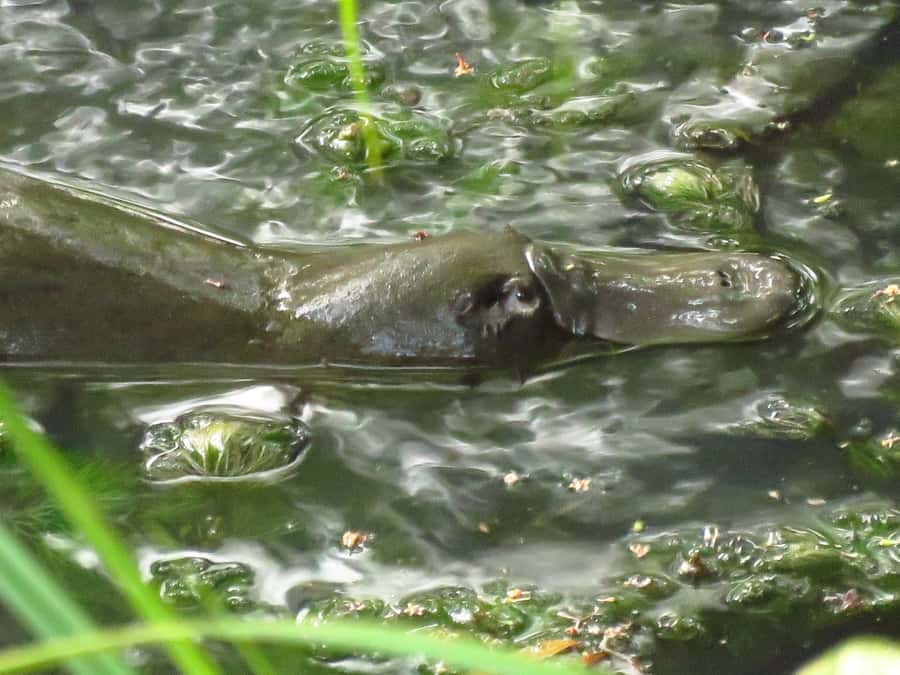
What I like most is the focus on real sightings, not just a photo stop. The guide I traveled with (Neil) had sharp eyes, a good sense of humor, and practical animal-behavior tips that make a difference when kangaroos, wallabies, parrots, and even a platypus decide to show up.
One thing to plan for: wildlife isn’t guaranteed. You’ll go looking for specific animals, but the reserve is wild, and sightings depend on timing and animal behavior.
In This Review
- Key things I’d pack into your decision
- From Canberra pickup to Tidbinbilla: the ride that sets the tone
- Tidbinbilla Nature Reserve: how you actually spot kangaroos and koalas
- The kangaroo-and-joey moment
- Wallabies and birds: where patience pays off
- Koalas: what close viewing really means here
- Deep Space Tracking Station at Tidbinbilla: the space story that connects to place
- The guide difference: why Neil’s “spotting fast” matters
- What the 4-hour timing feels like (and why it’s a good deal)
- Comfort, clothing, and the little things that change your experience
- Wildlife odds: what you’re likely to see, and what you’re not controlling
- Value check: is $95 a fair price for this half-day?
- Who this tour fits best—and who should think twice
- Should you book the Canberra Kangaroos and Koala Experience?
- FAQ
- What time does pickup happen in winter versus summer?
- How long is the Kangaroos and Koala Experience tour?
- What animals can I expect to see at Tidbinbilla?
- Is water and snacks included?
- Is the tour suitable for families and kids?
- Is there any walking involved?
- Can I bring a drone?
Key things I’d pack into your decision
- Tidbinbilla Nature Reserve spotting: kangaroos, wallabies, koalas, and the “maybe” animals like platypus
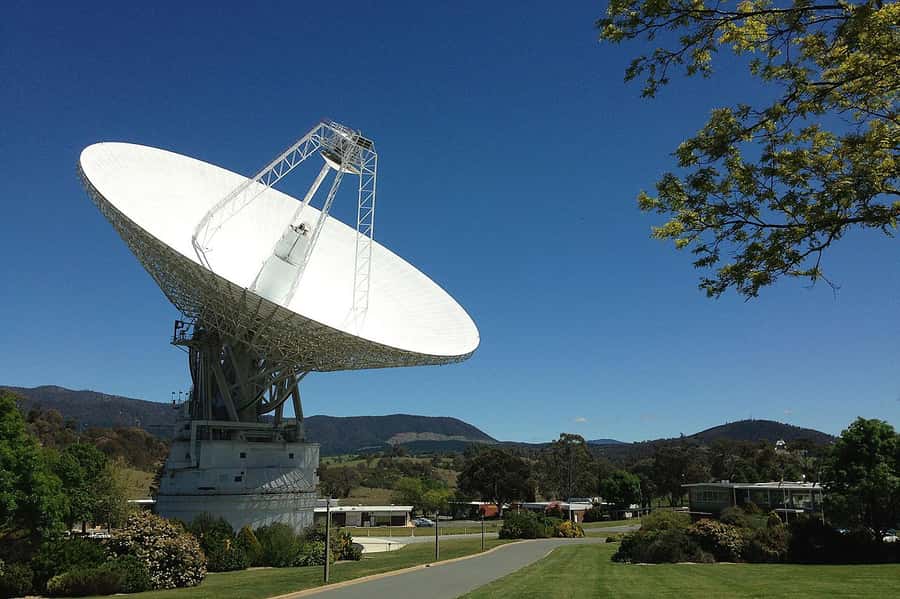
- Deep Space Tracking Station visit: learn how Australia supported Apollo and continues deep-space work
- Small moments with joey-and-kangaroo energy: you’re aiming for the best wild interaction you can catch
- Koala colony viewing in a breeding enclosure: close enough to really see them, without breaking any rules
- A guide who can spot fast: Neil’s experience shows in how quickly you move from one sighting to the next
From Canberra pickup to Tidbinbilla: the ride that sets the tone
The tour starts with pickup from major hotels and motel chains in central Canberra, using a comfortable vehicle. The timing depends on season: winter pickups begin earlier (and the tour runs into the afternoon), while summer pickups are later. Either way, you’ll want to build in a little buffer because your exact pickup time can vary based on where other people are being collected.
I like this kind of setup because you don’t waste half a day figuring out roads, parking, or what to prioritize. And in a place like Canberra—where you can be in open country fast—the drive itself helps you settle into the feel of the day. Expect a 30–40 minute ride through rural scenery before you hit Tidbinbilla.
If you’re thinking about photography, this transportation piece matters too. You’ll have a consistent way to get between the reserve points and the tracking station without rushing, backtracking, or timing everything around public transit.
You can also read our reviews of more tours and experiences in Canberra.
Tidbinbilla Nature Reserve: how you actually spot kangaroos and koalas
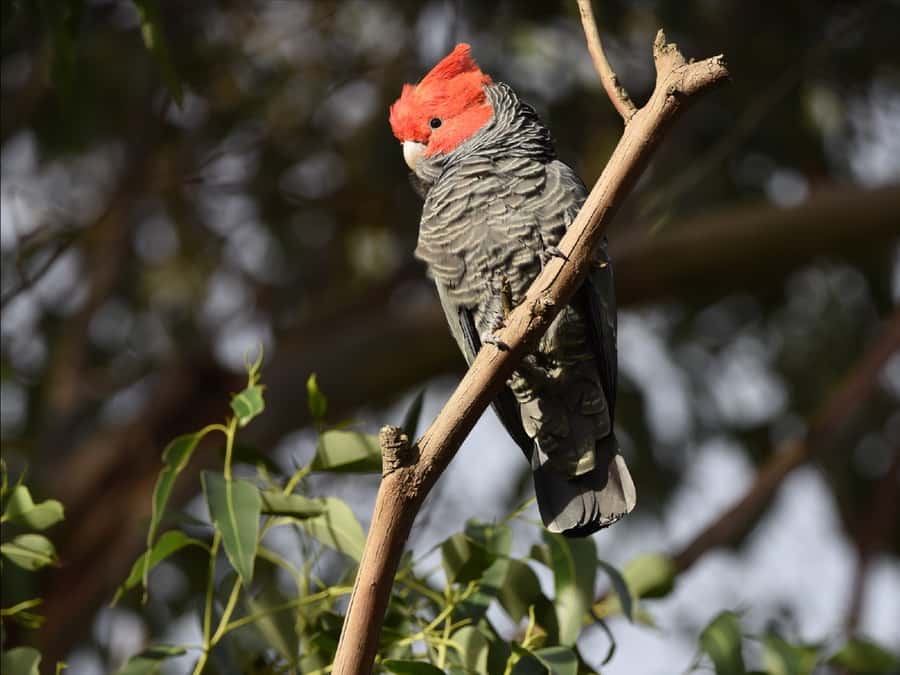
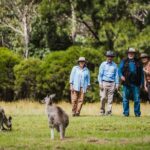
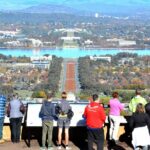
Tidbinbilla is where this tour earns its keep. The reserve is set up for wildlife watching, and the guiding style is built around slow scanning and smart positioning. You’re looking for movement and feeding behavior as much as you’re looking for animals standing still for a picture.
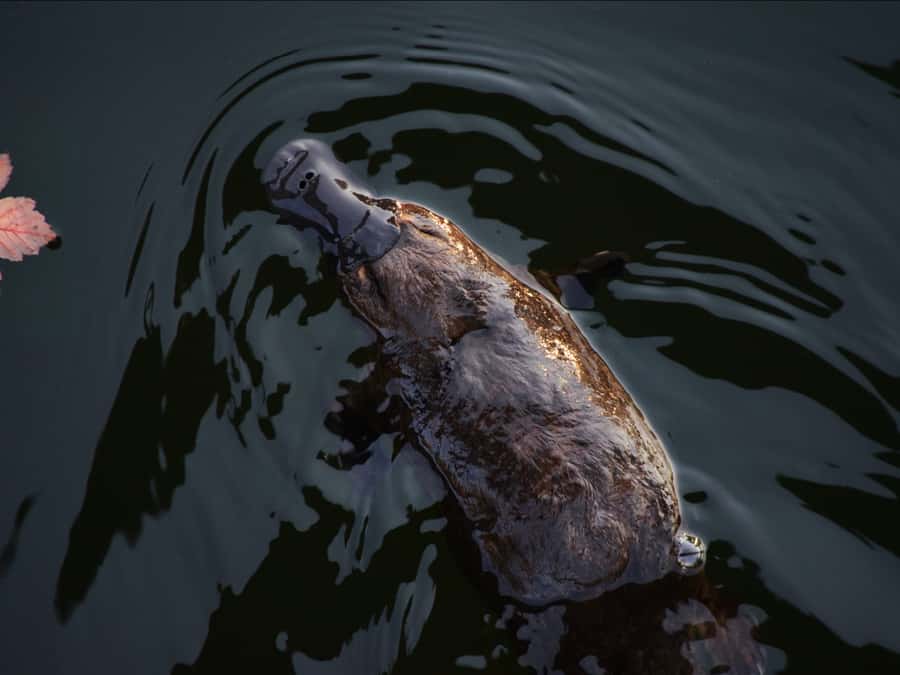
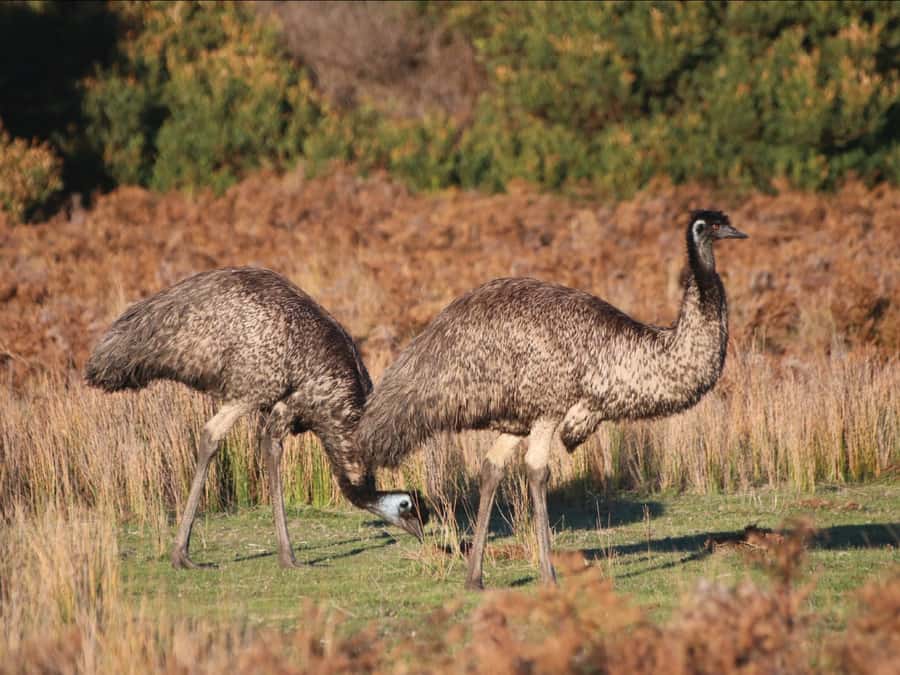
You’ll typically encounter Eastern grey kangaroos and wallabies, plus a chance at other native wildlife such as colourful parrots, emus, and platypus. The key word is chance—your guide can’t control animal behavior, and neither can you. But a good guide can improve your odds by knowing where animals tend to appear and how to read the environment.
The kangaroo-and-joey moment
One of the tour’s most charming promises is the chance to see a kangaroo interaction, including a kangaroo and joey in the wild. Even when animals don’t line up perfectly for photos, this is the kind of scene that makes people go quiet for a minute—because it feels real, not staged.
What I appreciate here is the restraint. Feeding and touching aren’t allowed, which keeps the reserve safe for people and animals. Instead, you focus on observing: what they’re doing, where they settle, and how they respond to quiet, respectful viewing.
Wallabies and birds: where patience pays off
Wallabies often show up in the same general wildlife rhythm as kangaroos—movement first, then rest. If you’ve never watched wallabies closely, you’ll likely notice how quickly they change position when conditions shift. Birds can be a bonus too. The guide may point out species you’d otherwise walk past, especially colourful parrots and other local birds spotted during the drive and reserve time.
The practical takeaway: wear shoes you can walk in and keep your expectations flexible. This is gentle walking, but you still need footing and comfort.
Koalas: what close viewing really means here
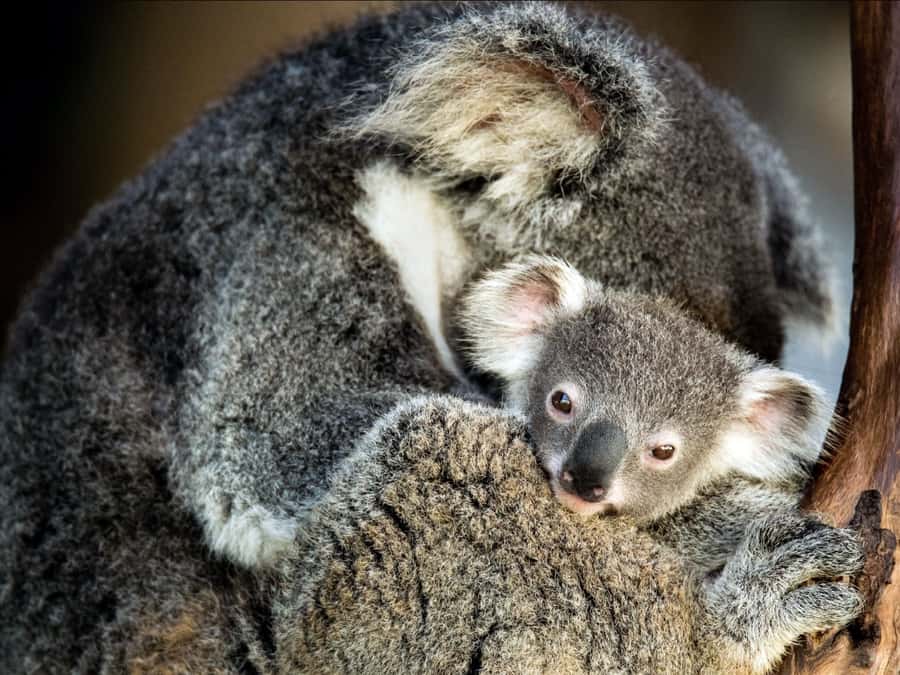
The tour includes close-up viewing of a koala colony in a unique breeding enclosure. That’s a big difference from some “koala experiences” where you’re stuck at a distance behind barriers. Here, the goal is to see them clearly enough to understand their day-to-day vibe—sleeping, resting, and occasionally shifting branches.
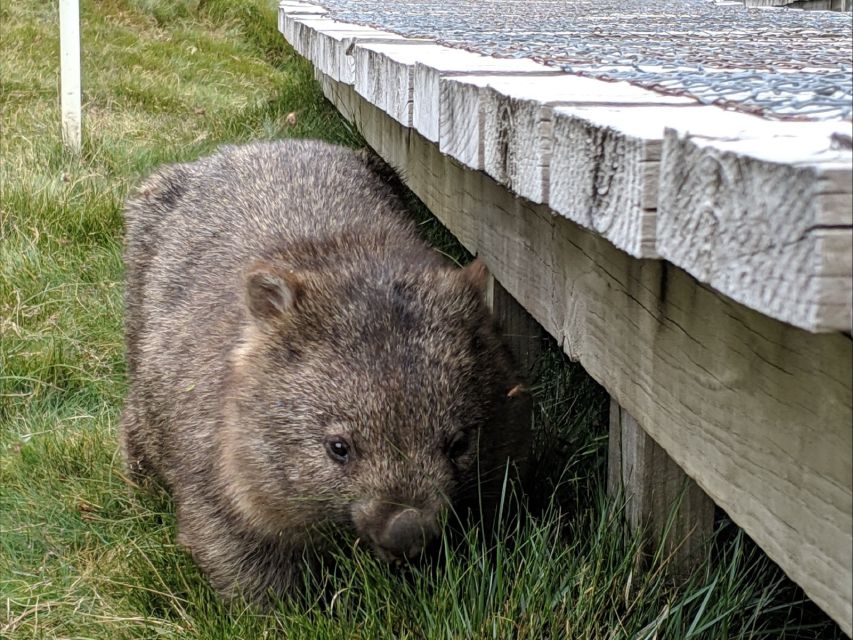
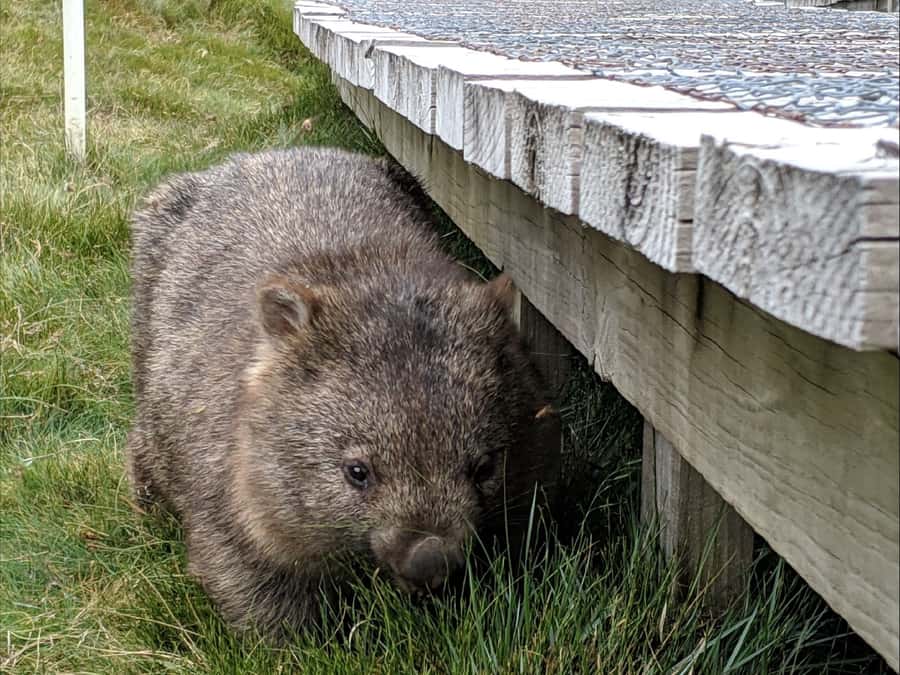
Koala sightings are also where guide skill matters. One guest described seeing kangaroos, wallabies, and koalas as part of a strong day, and another highlighted that a guide helped them see multiple wombats too. Even if your personal results vary, you’ll have someone actively working the reserve with you, not just pointing from the bus.
Also remember: it gets chilly as the tour runs later. Plan to bring a warm layer so your comfort doesn’t cut into your viewing time.

Deep Space Tracking Station at Tidbinbilla: the space story that connects to place
After the reserve, you head to the Deep Space Tracking Station at Tidbinbilla. This is the other half of the tour’s personality: not just wildlife, but how Australia supports deep-space exploration.
You’ll get an explanation of Australia’s role in the Apollo missions, the first moon landing, and ongoing deep-space work. What I like about this stop is how it grounds the science. It isn’t space talk floating in the abstract—you’re hearing it in the setting where the work happens.
This portion also has extra educational value if you enjoy context. In my experience, Neil’s commentary went beyond the hardware. The stories included broader Australian history, including Aboriginal peoples and the wider human story of the continent. That makes the stop feel connected to the land instead of like a detached museum moment.
The guide difference: why Neil’s “spotting fast” matters
A wildlife tour lives or dies on the guide. The best part of this experience, for me, was the combination of humor and sharp observation.
The guide I heard from had the kind of attention that turns a “maybe we’ll see something” day into an active hunt. One guest praised Neil’s ability to spot animals quickly and helped them see more of what they came for. Another mentioned he was a behavioralist and even helped with photography, which adds a practical edge: you learn how animals react to light, distance, and movement.
There’s also a comfort factor. In one case, a guest noted the guide handled a mobility issue with care, providing help where needed. That doesn’t mean the tour is designed for everyone with limited mobility—because it does involve gentle walking—but it does suggest you’ll be treated like a person, not a number.
If you’re the type who wants facts plus fun, you’ll probably like the vibe. People highlighted a strong personality and quick adjustments to what they wanted to see.
What the 4-hour timing feels like (and why it’s a good deal)
Four hours is long enough to feel like you did something real, but short enough that you don’t burn your whole day. You’ll spend time in the reserve, then shift gears to the tracking station, and end with the drive back to Canberra.
Because pickup timing varies by season, I’d plan your schedule around the pickup window rather than a fixed “head out at X” moment. The tour also includes drop-offs at major hotels and motel chains, which saves you the hassle of figuring out a ride back after you’re tired and chilly.
One more practical note: the tour doesn’t include water and snacks. That matters because you’re likely outside and walking gently through the reserve. Bring your own refreshments so hunger doesn’t interrupt spotting.
Comfort, clothing, and the little things that change your experience
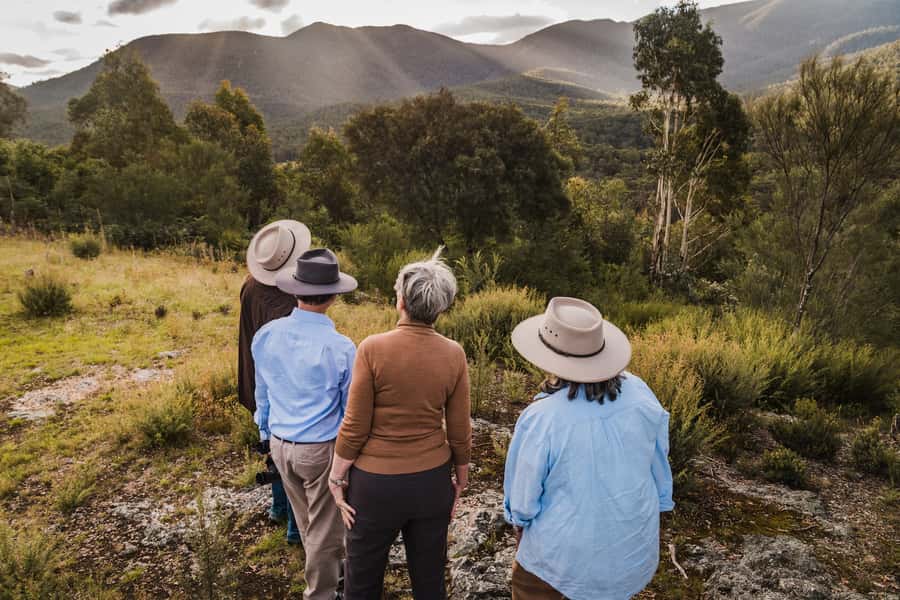
Even though the walking is gentle, comfort still matters. You’ll want comfortable shoes and a jacket. One guest specifically noted the car was warm during near-freezing conditions, but the bigger point is that you’ll still be outside enough for cool air to matter.
You also should know what’s not allowed: drones are not permitted. If you’re bringing a camera, that’s great—this is a place where good framing helps. Just keep it simple and follow local rules for safe wildlife viewing.
If you’re coming with kids, the tour is family-friendly, with children needing adult supervision. That’s sensible for a wildlife reserve day, where your group needs to stay together and move at the guide’s pace.
Wildlife odds: what you’re likely to see, and what you’re not controlling
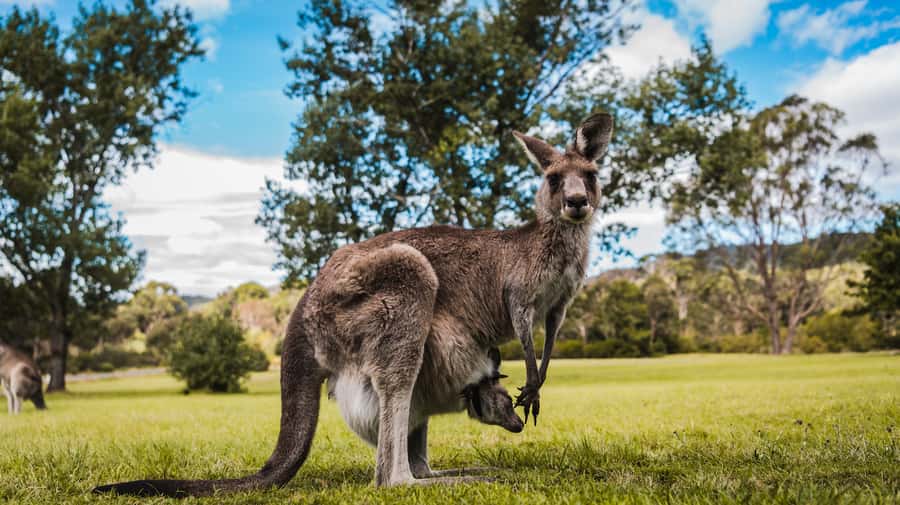
You’ll hear the promise: animals you can spot include kangaroos, wallabies, koalas, colourful parrots, emus, and—when conditions allow—platypus. But the tour clearly sets expectations that sightings can’t be guaranteed. That’s normal for wildlife. The reserve is living nature, not a zoo.
Still, you can manage expectations intelligently:
- If seeing a platypus is your top priority, keep expectations realistic. One guest noted platypuses are hard and may be seen only part of the time.
- If you want koalas, your odds tend to improve when you’re actively guided to the right viewing spots and given time to scan.
- If you want kangaroos and wallabies, you’re in a strong starting position, because those species are frequently spotted during reserve time.
This is also where a sharp-eyed guide changes the day. When someone can read the environment and react fast—without pushing animals or breaking rules—you get a better “time in the moment” experience.
Value check: is $95 a fair price for this half-day?
At $95 per person for a 4-hour guided experience, this tour sits in the “reasonable for the quality” category—if you’re in the right mindset.
Here’s why:
- You’re paying for expert guiding, not just entry into a reserve.
- You get transport with pickup and drop-off, which saves time and reduces stress.
- You’re visiting two distinct experiences: wildlife watching at Tidbinbilla and the Deep Space Tracking Station.
- You’re also buying reduced effort. Without a guide, you can still visit, but you’ll spend more energy figuring out what to do first, where to go, and when to focus your time.
The trade-off is that you’re not paying for certainty. Wildlife is not a guarantee. If you need a “100% checklist” experience, this might not match your style. But if you’re the type who enjoys nature’s unpredictability and wants your odds improved, this price can feel very fair.
Who this tour fits best—and who should think twice
This is a strong match if you:
- Want wildlife time with guidance, not just self-driving guessing
- Like a short day plan that still feels full
- Care about both nature and science/history in one outing
- Prefer family-friendly, safe wildlife viewing with no feeding or touching
You might think twice if you:
- Have mobility limitations that make walking difficult. The walking is described as gentle, but it still exists.
- Need water and snacks provided. You’ll have to bring your own.
- Are sensitive to chilly evenings. A jacket is a must.
Should you book the Canberra Kangaroos and Koala Experience?
I’d book it if your goal is a smart half-day that mixes real animal viewing with a genuinely interesting science stop. The biggest strength is the guide factor—Neil’s humor, quick spotting, and ability to turn time in the reserve into actual sightings. The second strength is value: entry plus guided wildlife time plus the tracking station, all wrapped into a 4-hour block with pickup and drop-off.
I’d skip it only if your travel style needs guarantees, or if weather and outdoor time would be a constant stressor for you. If you can handle a little waiting and want a mix of kangaroos/koalas and the Apollo-to-deep-space story, this tour is an easy yes.
FAQ
What time does pickup happen in winter versus summer?
In winter (1 April to 1 October), pickup starts at 12.30 PM and the tour departs at 1:00 PM. In summer (1 October to 1 April), pickup starts at 2.30 PM and the tour departs at 3:00 PM.
How long is the Kangaroos and Koala Experience tour?
The tour duration is 4 hours.
What animals can I expect to see at Tidbinbilla?
The experience includes wildlife spotting for kangaroos, wallabies, koalas, platypus, colourful parrots, and emus. Sightings are not guaranteed, since wildlife behavior is unpredictable.
Is water and snacks included?
No. Water and snacks are not included, so you should bring your own refreshments.
Is the tour suitable for families and kids?
Yes, it’s described as family-friendly and safe. Children must be accompanied by an adult.
Is there any walking involved?
There is gentle walking involved, so comfortable shoes are recommended. It may not be suitable for those with mobility issues.
Can I bring a drone?
No. Drones are not allowed.
If you want, tell me your travel dates (winter or summer) and whether koalas or platypus are your top priority, and I’ll help you decide the best mindset for what you’re most likely to see.