REVIEW · CANBERRA
Spies in the Capital: Women in Espionage Walking Tour
Book on GetYourGuide →Operated by She Shapes History · Bookable on GetYourGuide
Spy stories hit different in Canberra. This 2-hour walk follows women tied to intelligence work and the people who watched them, with stops that get you thinking about surveillance and motive. I love the way the tour mixes specific locations (ASIO’s first Canberra office and WWII-era communications) with a light, funny tone, and I also like that you get hands-on context at places like the Royal Commission site and Old Parliament House. One drawback to consider: it’s adult-focused—not suitable for children under 16—and you’ll cover several sites on foot, so comfy shoes matter.
You’ll start with the guide’s easy confidence and a sense of play. The stories are well researched, but the delivery has that wink-and-nod feeling, like when you hear the joke that if you don’t have an ASIO file already, the tour may change that. Expect laughter alongside real-world tension: espionage isn’t just cloak-and-dagger drama, it’s paperwork, pressure, and bad calls made under stress in a male-dominated world.
For me, the best part is how the route turns Canberra from a set of official buildings into a place where secrets moved quietly between institutions and everyday people. If you like political history, intelligence-era context, or you’re curious how women shaped and were shaped by espionage, this is built for you.
In This Review
- Key things that make this tour worth your $49
- Women in espionage: why this route feels smarter than a standard history walk
- ASIO’s early Canberra office: the point where secrets scale up fast
- The WWII communications bunker: where technology meets fear
- The 1954 Royal Commission into Espionage: when suspicion becomes policy
- Canberra’s oldest hotel: when secrecy mixes with everyday life
- Old Parliament House: politics, power, and the intelligence orbit
- Tour pace, guide style, and what you actually walk away with
- Price and value: does $49 buy more than a stroll?
- Who this tour suits best (and who should skip it)
- Should you book Spies in the Capital: Women in Espionage?
- FAQ
- How long is the Spies in the Capital: Women in Espionage walking tour?
- How much does the tour cost?
- Where do I meet the guide?
- What’s included in the ticket?
- Is the tour suitable for kids?
- Is the tour wheelchair accessible?
Key things that make this tour worth your $49
- ASIO’s first Canberra office: see where intelligence work started when the team was tiny (under 10 staff).
- A WWII abandoned communications bunker: picture how messages were handled during wartime, not just how they were rumored.
- The 1954 Royal Commission into Espionage site: get the policy-and-people side of what governments do when fears get loud.
- Canberra’s oldest hotel: step inside a long-lived slice of the city where ordinary life and official business can overlap.
- Old Parliament House: connect intelligence history to the political decisions made right in the heart of the system.
Women in espionage: why this route feels smarter than a standard history walk
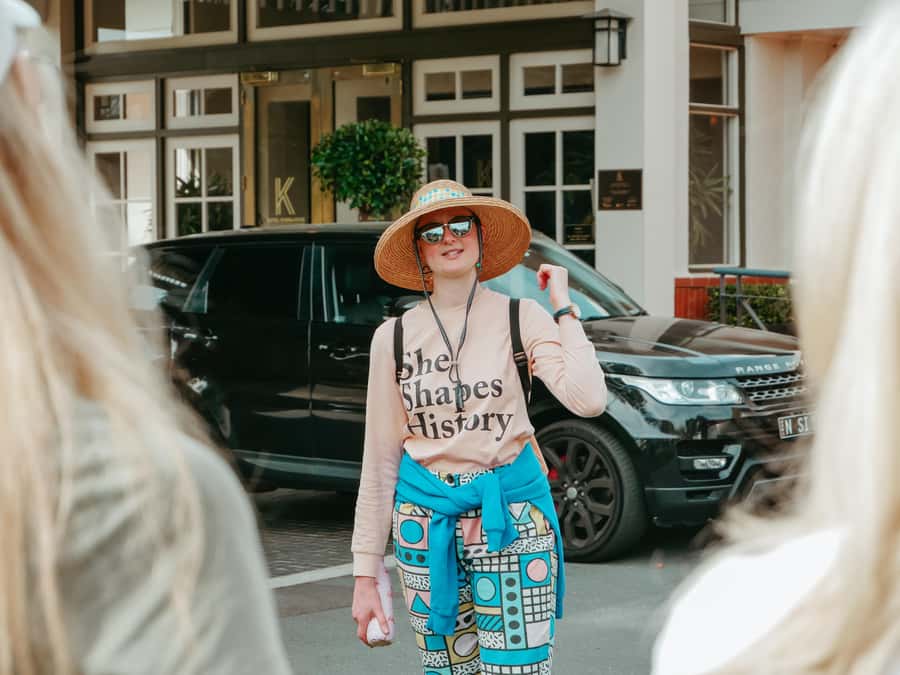
Most Canberra history tours skim the official side: institutions, dates, and architecture. This one keeps that framework, but redirects your attention to the human role—especially the women who operated within intelligence circles and also the women who were watched.
What makes that shift valuable is that espionage is often told as a male story of tradecraft and daring. Here, the focus is on how gender shaped opportunities and risks, and how “covert” can still mean very real fear, reputation pressure, and consequences. You also get a practical sense of how a nation responds when it believes it’s under threat—because intelligence isn’t only about spying, it’s about the reaction to spying.
And yes, the tour has a playful edge. You’ll hear light jokes about spies and targets, and you’ll get the idea that some decisions in this world were questionable. That humor matters, because it keeps the story from turning into heavy lectures.
You can also read our reviews of more walking tours in Canberra
ASIO’s early Canberra office: the point where secrets scale up fast
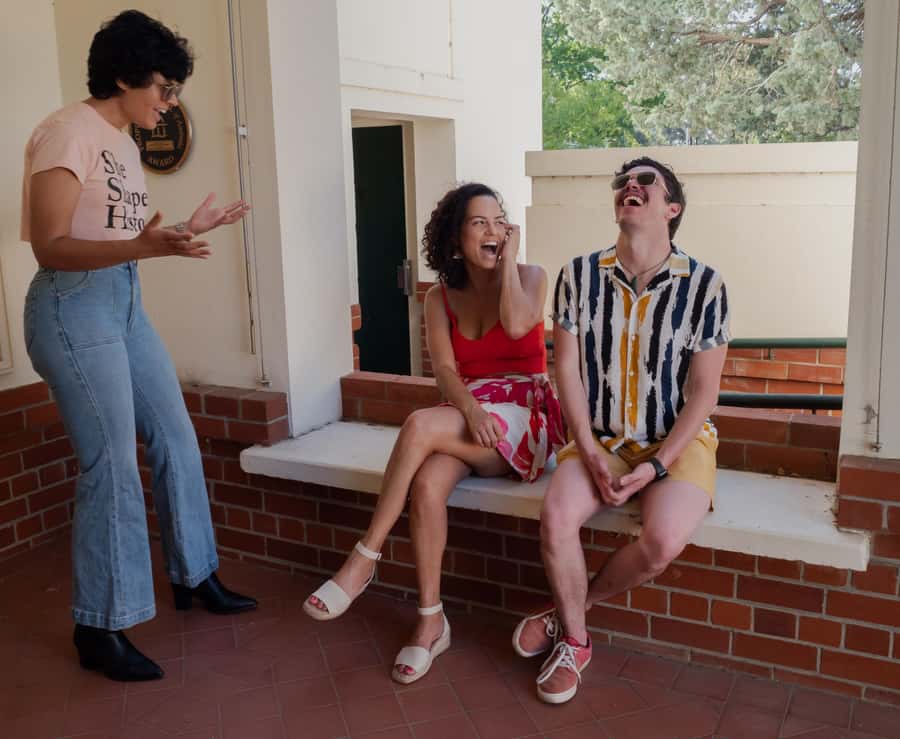
The tour opens with a stop tied to ASIO’s first office in Canberra, when it had fewer than 10 staff. Even without a big “James Bond” vibe, this stop hits hard because it shows the origin point: when organizations are small, personal judgments can influence everything. It’s easier to picture how information, misunderstandings, and internal assumptions could travel quickly.
This is where I like the way the guide frames surveillance. You don’t just hear that people were monitored—you learn how that monitoring becomes a mindset. Once you understand that, the rest of the walk makes more sense: the bunker isn’t just a wartime structure, and the commission isn’t just a building site. They’re all parts of a system trying to find threats, even when the data is messy.
You’ll also get a useful reality check: the tour jokes about ASIO files on over half a million Australians, and the punchline is important. It underlines that having a file doesn’t automatically mean guilt, and that intelligence systems can widen their net. If you’re the kind of person who wants context—not just dramatic claims—this stop sets the tone.
The WWII communications bunker: where technology meets fear
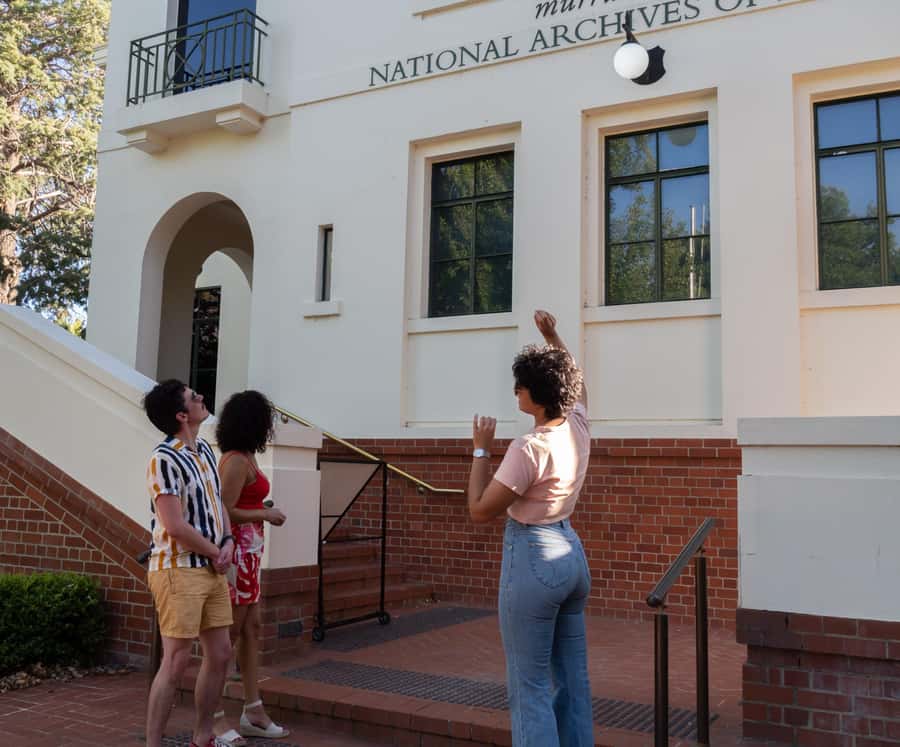
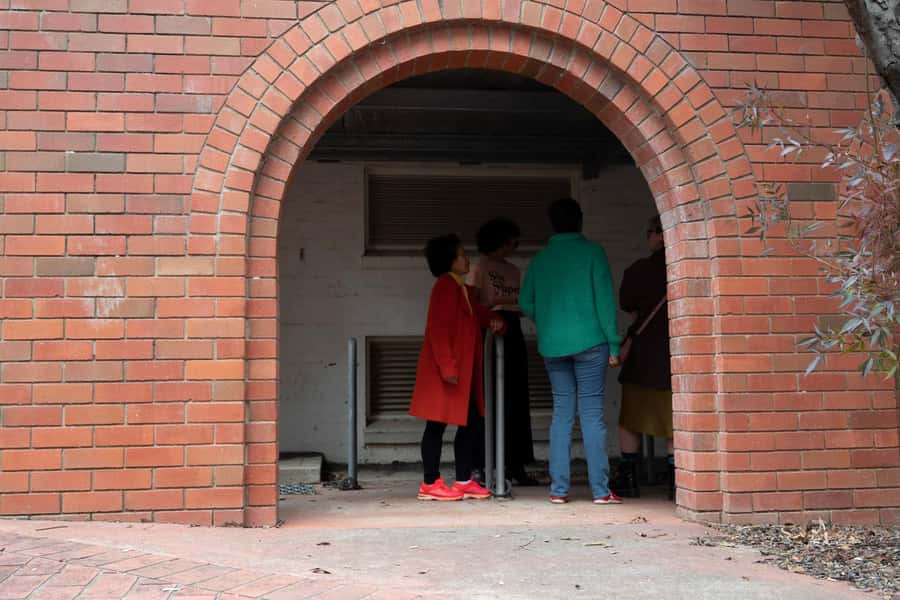
One of the most distinctive parts of the tour is exploring an abandoned communications bunker used during WWII. This is the moment when the story becomes more physical. Instead of talking only about people and motives, you get a chance to imagine how wartime communications were handled when speed, secrecy, and reliability were life-and-death.
The value here is perspective. Espionage history can feel abstract if it’s all names and rumors. But communications infrastructure is where you can actually feel the weight of the work: signals, intercepts, procedure, and the constant attempt to stay one step ahead.
Practical tip: wear clothing you’ll feel comfortable moving in. Bunkers and older structures can involve uneven ground or tighter spaces. The tour description doesn’t promise extreme physical challenges, but it does pack in multiple stops over 2 hours, and this is the one where you’ll likely notice the change in the environment.
The 1954 Royal Commission into Espionage: when suspicion becomes policy
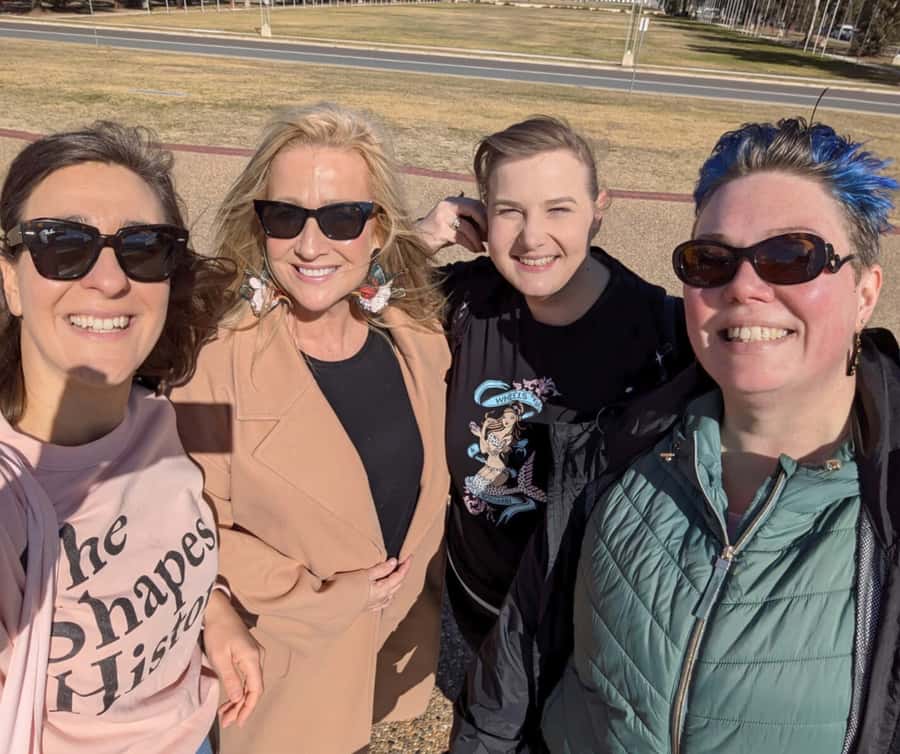
Next, you visit the site of the 1954 Royal Commission into Espionage. This stop gives you the big bridge between “spying happened” and “a government decided what to do about it.”
Why that matters: commissions are where a country tries to turn fear into rules. They also show how public questions about national security can reshape systems for years. Even if you don’t memorize dates, you’ll walk away with a sense of how intelligence concerns become formal investigations, and how those investigations can influence how institutions behave.
This is also where the tour’s light tone helps again. You’ll likely get some gentle teasing of spies, targets, and the types of missteps that can happen when people operate under pressure. It doesn’t excuse wrongdoing, but it does explain why errors and exaggerations can become part of the process.
If you’re interested in how democracies manage intelligence—without turning everything into a single villain story—this stop is one of the most useful.
Canberra’s oldest hotel: when secrecy mixes with everyday life
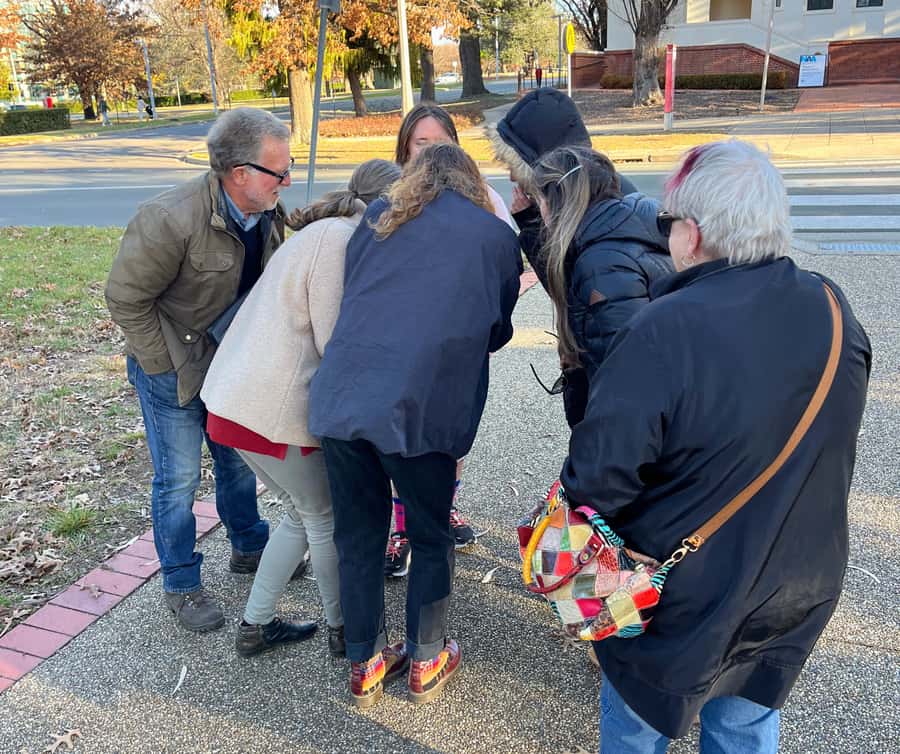
You’ll go inside Canberra’s oldest hotel, and that choice says a lot. Espionage doesn’t only happen in back rooms. It happens around people who are just trying to live their day: officials, visitors, staff, and anyone who might overhear something.
This stop is valuable because it helps you picture the social layer of intelligence work. In real life, information often travels socially before it ever becomes formal intelligence. Hotels, in particular, are natural meeting points—temporary, busy, and full of half-heard conversations.
One thing to watch here is pacing. Since the tour is only 2 hours, the guide has to balance storytelling with time inside. If you like lingering, you might wish you had more time at each interior stop. Still, the advantage is that you get a compact sampler of Canberra’s spy-relevant places without turning it into an all-day slog.

Old Parliament House: politics, power, and the intelligence orbit
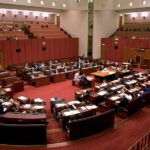
Your walk includes Old Parliament House, and this is where the tour’s theme clicks for many people. Intelligence work is never separate from power. Decisions made inside a political system affect what intelligence agencies prioritize, how they act, and how they explain their actions to the public.
Walking here after you’ve toured early intelligence origins and wartime communications gives you a better “map in your head.” You can connect the dots between:
- how information is collected,
- how threats are interpreted,
- and how policy and political legitimacy shape the whole story.
You’ll likely appreciate this stop most if you like the intersection between government history and security history. It turns the area from scenery into a stage where real decisions played out.
Tour pace, guide style, and what you actually walk away with
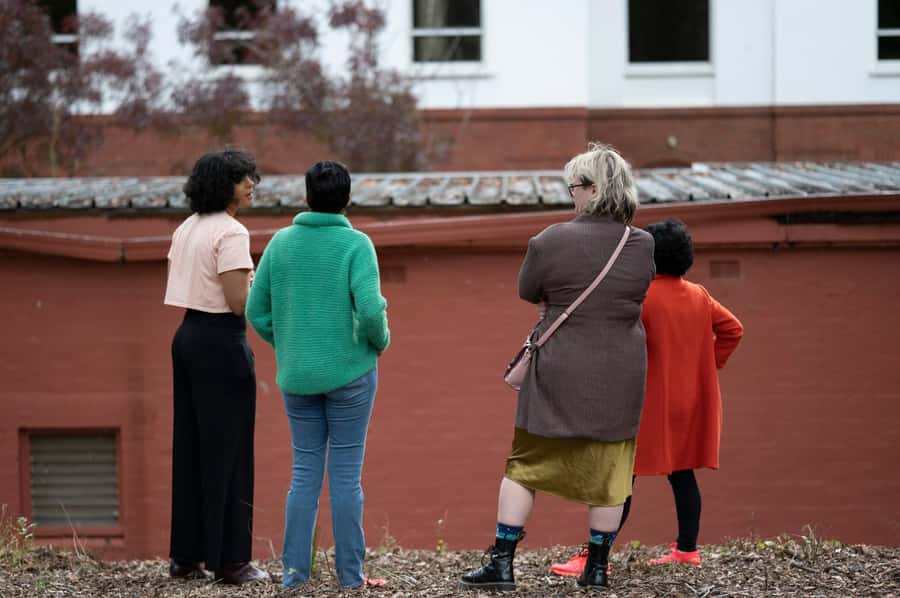
The tour runs for 2 hours, so you can fit it into a busy Canberra day without losing half your itinerary. The guide keeps an easy pace, which matters on a walking route that includes interiors. You’re not sprinting from stop to stop, but you also won’t get stuck in one location for ages.
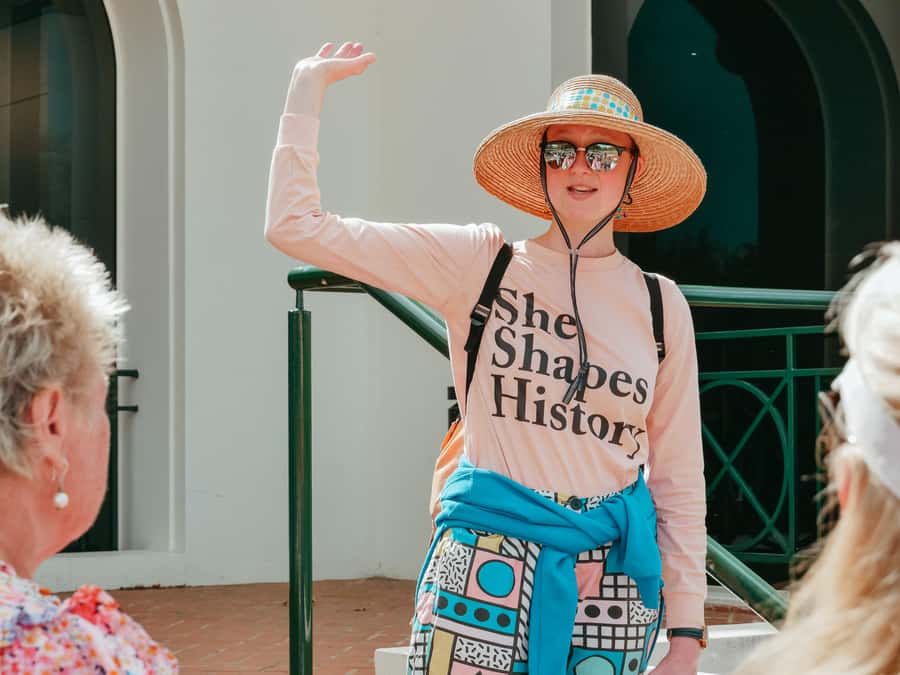
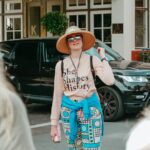
The guide is local and passionate, and the delivery is entertaining without losing the thread of real context. Based on the named guide experience (Tash has led this tour), you can expect a mix of narrative and clarity, with enough humor that the topic stays approachable.
What’s included also supports the “take it with you” idea:
- a souvenir post card,
- post-tour resources,
- and a souvenir sticker.
Those extras are small, but they help you remember key themes when you’re done, especially the intelligence-system context that can be easy to forget once you leave Canberra’s sites behind.
Price and value: does $49 buy more than a stroll?
At $49 per person for a 2-hour walking tour, value depends on what you want: if you just want scenery, you’ll find cheaper ways to see Canberra. If you want context—specific places tied to espionage history—you’re paying for access to interpretation.
You’re also getting more than one “topic stop.” The route touches early intelligence operations (ASIO’s first Canberra office), wartime communications (the abandoned bunker), institutional response (the 1954 Royal Commission site), and context-setting interiors (the oldest hotel and Old Parliament House). That combination is exactly what makes a tour like this feel worth it: it’s not only one famous landmark, it’s a chain of locations that forms a story.
If you’re traveling solo or as a couple, the price often feels especially fair because you’re buying guided clarity rather than splitting costs on public transport. If you’re on a tight schedule, the 2-hour format reduces the risk of “I paid but didn’t have time to enjoy it.”
Who this tour suits best (and who should skip it)
This tour is a great match if you:
- like political and security history with real-world context,
- want a perspective that highlights women in espionage, not just the traditional male-focused narrative,
- enjoy walking routes where the guide turns buildings into stories.
You might want to skip it if you:
- want a kids-friendly tour (it’s not suitable for under 16),
- dislike humor in serious historical topics,
- or prefer very long stays at each site (this is a packed 2-hour circuit).
And bring the basics: comfortable walking shoes. That’s not glamorous advice, but on a walking tour, it makes the day better.
Should you book Spies in the Capital: Women in Espionage?
I’d book it if Canberra history is your thing and you want intelligence-era context tied to real locations. The route is specific, the guide style sounds engaging, and the balance of humor plus substance makes it easier to stay interested without losing the historical thread.
Skip it only if you’re not comfortable with adult themes or you need a slow, museum-style pace. Otherwise, this is a strong way to see Canberra with fresh eyes—one where power, information, and surveillance feel part of the same story.
FAQ
How long is the Spies in the Capital: Women in Espionage walking tour?
It lasts 2 hours.
How much does the tour cost?
The price is $49 per person.
Where do I meet the guide?
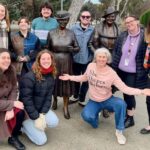
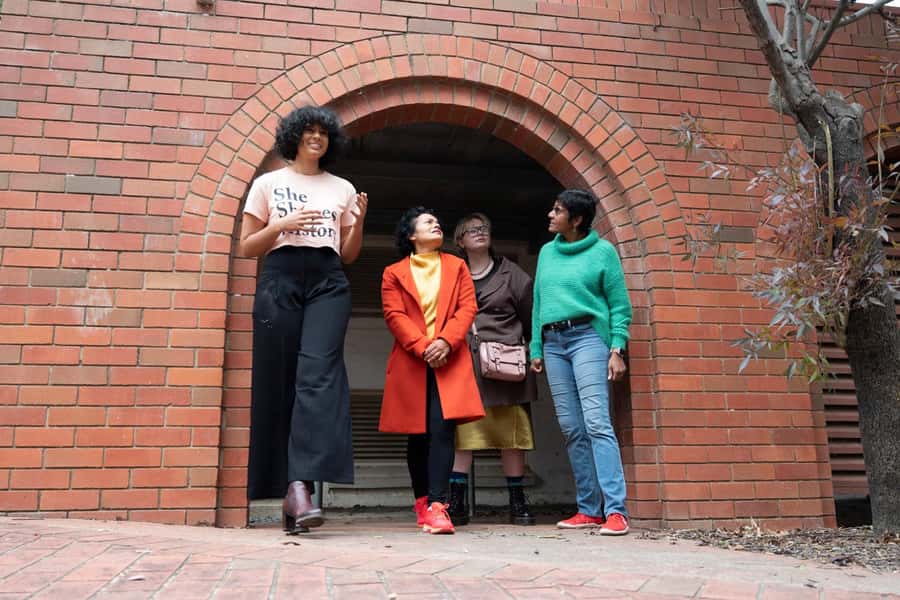
You meet at the table next to the front entrance. The guide will be wearing a pink She Shapes History shirt or jumper.
What’s included in the ticket?
It includes a passionate local guide, a souvenir post card, post-tour resources, and a souvenir sticker.
Is the tour suitable for kids?
No. It’s not suitable for children under 16.
Is the tour wheelchair accessible?
Yes, the tour is wheelchair accessible.