REVIEW · CANBERRA
Spies in the Capital: Women in Espionage
Book on Viator →Operated by She Shapes History · Bookable on Viator
Canberra has a spy side. This guided walking tour spotlights women in espionage and connects the dots between covert operations and real Canberra landmarks, starting at Old Parliament House.
I like that it turns Canberra history into a story you can walk through, not a museum lecture. I also love the small group feel and the fact that you can follow along with a bibliography if you want to check sources after the walk.
One thing to plan for: the route is about 3 km, and Canberra can be warm or windy, so comfortable shoes help.
In This Review
- Key highlights worth your attention
- Spies in Canberra: why women’s stories fit this city
- Your 2-hour route from the Hyatt to Old Parliament House
- Old Parliament House: the first stop that sets the tone
- From covert mail to intelligence routines at a former post office
- Walking toward Kingston: the Cold War becomes local
- The Petrov family home stop: where global events meet Canberra streets
- The Russian Embassy area and the end-of-walk convenience
- The guides: Tash and Samantha set the storytelling tone
- Price and value at about $46.62 for a themed walk
- Logistics that matter: mobile ticket, walking pace, and timing
- Who should book this tour (and who might skip it)
- Should you book Spies in the Capital: Women in Espionage?
- FAQ
- How long is the Spies in the Capital: Women in Espionage tour?
- How much does the tour cost?
- Where does the tour start?
- How big is the group?
- Is the tour affected by weather?
- Does it allow service animals?
Key highlights worth your attention
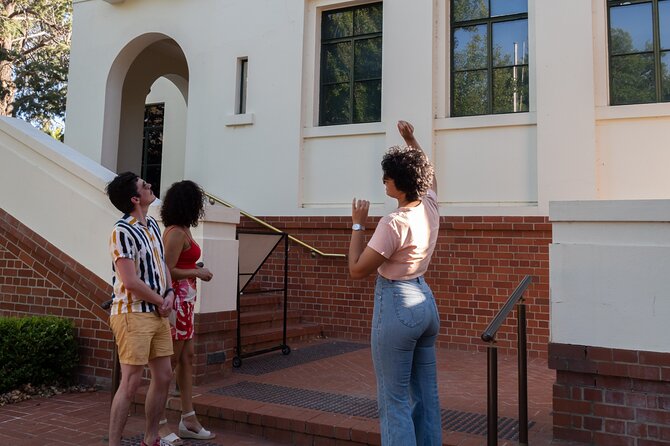
- Old Parliament House as the anchor: you begin right outside it, then let the conversation pull you into Canberra’s covert past.
- Women on both sides of the story: spying isn’t treated as a boys-only club, and you’ll hear how women shaped outcomes.
- Tradecraft shown through place: you visit real sites tied to intelligence work, not just vague “spy vibes.”
- A guide who shapes the pace: guides like Tash and Samantha bring energy and chat, so it doesn’t feel like you’re being rushed through facts.
- A manageable 2-hour walk: timed well for a theme tour, with time to ask questions along the way.
Spies in Canberra: why women’s stories fit this city
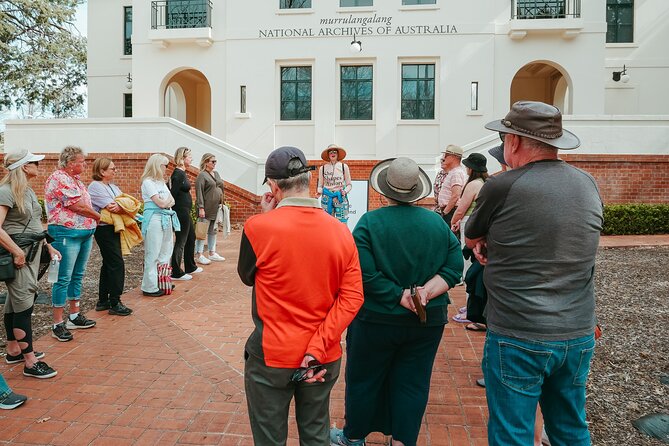
Canberra is the kind of place that’s easy to “get right” on paper. There are big buildings, tidy streets, and major museums. But the city also has a quieter layer—Cold War tension, information battles, and intelligence networks—that you don’t notice unless someone points it out.
That’s where this tour lands. Instead of treating espionage like an abstract genre, you’re guided to real landmarks and then guided again—this time toward women’s roles in spying and in being targeted. It’s a smart angle for Canberra, because the capital’s governmental power and international relationships create the perfect backdrop for intelligence work.
If you enjoy history that feels human—messy, personal, and tied to everyday decisions—you’ll likely appreciate how the guide frames each stop. You’re not just learning events. You’re learning why those events mattered, and how people navigated risk while doing regular life jobs.
You can also read our reviews of more tours and experiences in Canberra.
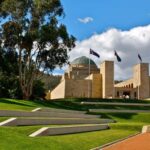
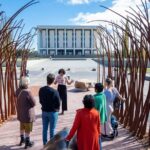
Your 2-hour route from the Hyatt to Old Parliament House
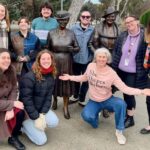
You start at the Hyatt Hotel Canberra, then head to the first landmark: Old Parliament House. The tour runs about two hours, and the route includes a steady walking pace that covers around 3 km. With a group size capped at 20, it stays conversational, not a “listen while you march” setup.
One practical point: Canberra distances can feel longer than they look on a map. This tour is still very doable for most people, but don’t show up in sandals and hope for the best. Plan for a themed stroll where you’ll pause, listen, and move on—rather than a fast photo walk.
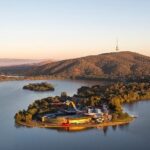
Also, timing matters for comfort. One review highlighted how a later-afternoon feel can make the buildings look especially dramatic as the light changes. Even if you’re not chasing that mood, you’ll want to be prepared for sun and wind, because Canberra weather can switch up quickly.
Old Parliament House: the first stop that sets the tone
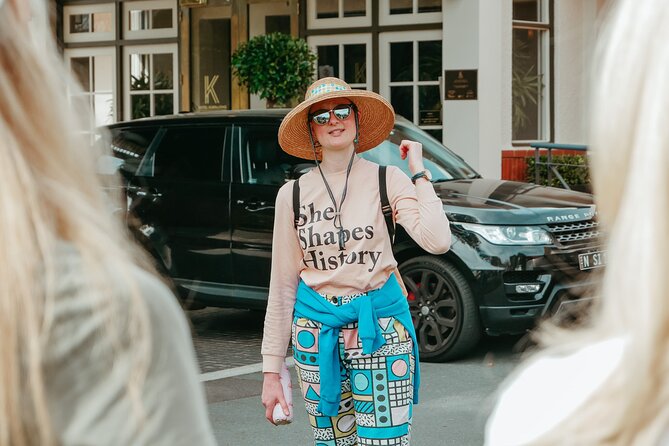
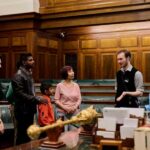
Old Parliament House is the kind of place that makes you instinctively lower your voice. That’s exactly why it works as the kickoff. It’s a location tied to national decision-making, political machinery, and the kind of information flow that intelligence services obsess over.
When you stand outside it, you’re not there just for a recognizable Canberra landmark. You’re there to get context for how power and secrecy connect. The guide’s framing helps you see the building as part of a larger system—one where information mattered, and where covert influence could shape what people in authority did next.
The tour also uses that first stop to establish the gender focus. You don’t just hear “spies existed.” You hear how women were involved in espionage activities, and how the targets and the operators sometimes overlapped in unexpected ways. It’s a useful lens for the rest of the walk, because the story stays anchored in real geography.
From covert mail to intelligence routines at a former post office
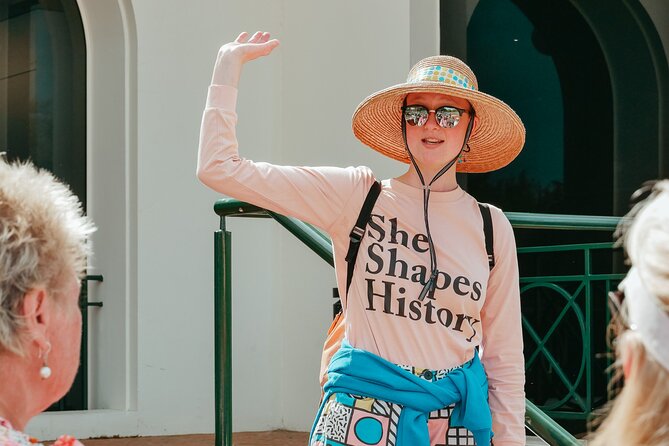
One of the most striking stops in the overall route is a former post office tied to early ASIO mail-handling. The basic idea is simple and chilling: intelligence work doesn’t always look like trench coats and code words. Sometimes it looks like paper, routine deliveries, and the ability to intercept or manipulate information at the source.
At this stage of the tour, you’ll likely notice how the guide connects tradecraft to mundane systems. A post office is a universal feature—people assume it’s neutral and boring. The tour challenges that assumption by showing how everyday infrastructure can become a tool for covert operations.
This is also where the women angle becomes especially interesting. Intelligence doesn’t only run on glamorous moments. It runs on access—who can get close, who can move through spaces without raising suspicion, and who can handle information quietly. Listening to those stories while standing near the site makes it easier to understand why these operations were practical, not just cinematic.
Walking toward Kingston: the Cold War becomes local
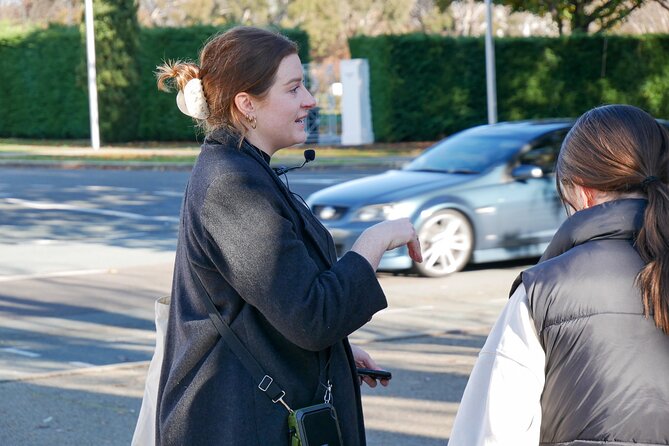
After the initial Canberra landmarks, the story shifts into the “this happened here” zone. The tour includes walking toward Kingston, and the vibe changes from political monument to street-level Cold War.
That’s an underrated value of this kind of walking tour. You see how the capital’s layout creates corridors of access. You also start noticing how many national stories happened in places that look ordinary in daylight.
One review specifically called out how the walk from archives toward Kingston felt easy on a good day. That matters because it tells you the tour isn’t built around punishing distances. You’ll be able to keep moving and still absorb the stories without feeling like you’ve been forced into a hike.

The Petrov family home stop: where global events meet Canberra streets
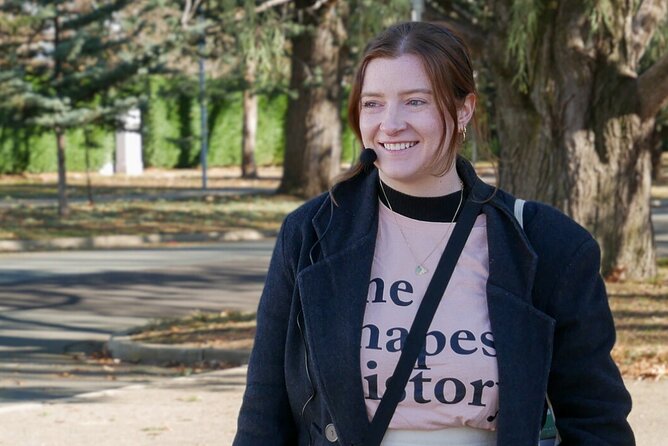
A key stop on the route is linked to the Petrov family and the Cold War fallout that follows. This is where the tour leans into high-stakes history without turning it into a lecture.
Why it works on foot: you’re not hearing facts in a vacuum. You’re seeing the residential context where people lived, and then you’re hearing how those private spaces connected to international intelligence drama. That contrast helps the story land. It’s one thing to read about defections and claims in a book. It’s another to hear about it while you’re standing in the kind of neighborhood where you’d expect normal life to continue.
If you like your espionage stories to feel grounded—less James Bond and more real-life consequences—this part is likely to be one of your favorites.
The Russian Embassy area and the end-of-walk convenience

The tour finishes near the Russian Embassy area. Ending there makes sense thematically, because you’re closing the loop between the early intelligence focus and the broader international relationships that shaped Canberra during the Cold War.
You’ll also get a practical benefit here. One review noted that there’s a convenient bus stop opposite the embassy area close to the tour end. That’s the kind of small detail that makes a guided walk feel smooth instead of stressful, especially if you’re pairing it with other sightseeing.
By the time you reach this final stretch, the theme is clear: espionage is not only about what happens in faraway places. It’s also about what happens where diplomats, officials, and government infrastructure cluster. Canberra is designed for governance—so it naturally became a stage for intelligence work.
The guides: Tash and Samantha set the storytelling tone
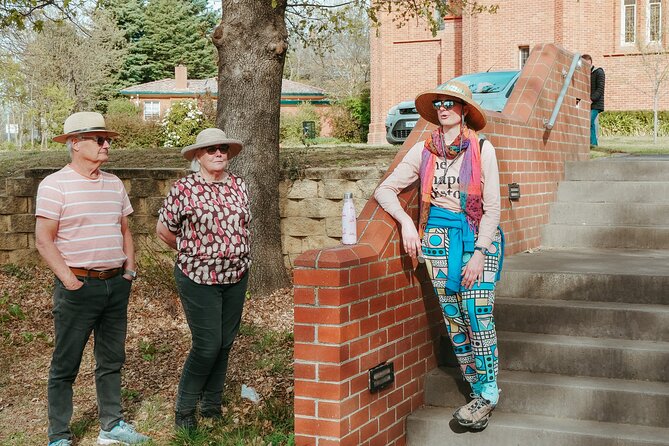
The guide experience is a major part of why this tour scores so highly. From the information you have here, you’ll likely notice two things about the style.
First, guides bring energy and warmth. Tash, for example, is associated with starting with playful questions about whether you’d make a good spy, then turning that into well-told stories tied to real sites. Samantha is described as taking time to get to know everyone over the tour. That difference matters: it shapes whether the group feels like a lecture or a chat with walking stops.
Second, the tour’s facts come with an out for doubt. One review praised that the information is verifiable and that you get a bibliography at the end if you want to check sources. For a spy-themed tour, that’s valuable. It signals the stories aren’t just built to entertain; they’re built to be traceable.
Either way, with a group of up to 20, you’re in a good zone for questions and clarifications without losing momentum.
Price and value at about $46.62 for a themed walk
At $46.62 per person, you’re paying for a guided, themed walk with real landmark stops over about two hours. That price point feels fair for two reasons.
- You’re not paying for a big vehicle or a full-day itinerary. The value here is in the focused narrative tied to specific locations.
- You’re getting more than “Canberra basics.” The gender-forward espionage angle is niche, and the guides add context that helps the rest of your sightseeing make sense afterward.
If you already enjoy history, Cold War stories, or alternative perspectives on national events, this is the kind of tour that can be worth the cost even if you don’t plan to do many guided activities. It’s a compact way to see Canberra in a new light.
Logistics that matter: mobile ticket, walking pace, and timing
A couple of practical notes make or break a walking tour.
You’ll use a mobile ticket, which is simple on arrival. The tour also runs from 3:00 pm based on the start time listed, though the exact vibe can still vary with the day’s light and temperature.
Because the route is about 3 km, I’d treat this as a steady stroll, not a slow meander. That means wearing shoes you can walk in comfortably for the full route. Bring sun protection as well—one tip from a past participant was to pack a hat, sunscreen, and sunglasses.
Finally, the tour is set up for most people to join, and it allows service animals. It’s also near public transportation, which makes it easier to connect to other plans before or after.
Who should book this tour (and who might skip it)
This tour is a strong fit if you want Canberra to feel more specific than the usual checklist of monuments and museums. If you enjoy stories about intelligence work that connect to place—especially stories that correct the usual male-only spy narrative—this is a great theme choice.
You’ll also like it if you enjoy guided storytelling that includes context, not just a list of “this happened here.” The guide approach—playful, inclusive, and source-aware—helps turn the city into a readable map.
You might skip it if you want a totally relaxed sightseeing day. This is still a walking tour, it runs around two hours, and the total distance is about 3 km. If you prefer short stops with no walking at all, you may want a different format.
Should you book Spies in the Capital: Women in Espionage?
I’d book it if you’re the type of person who likes to see the story behind the buildings. Canberra can be visually impressive, but it can also feel distant if you only skim the obvious sites. This tour gives you a reason to look closer.
It’s also a solid value for the price: under $50 for a two-hour guided walk with a specific theme, a small group limit, and a guide-led narrative that’s meant to be verifiable. If you’re hoping to leave Canberra with a fresh angle—one that’s focused on women shaping espionage and being caught up in it—this is exactly that.
And if you’re thinking about guides, keep an eye out for the style you prefer. Tash’s approach leans playful at the start; Samantha’s approach is described as people-focused throughout. Either way, the tour’s core promise stays the same: you’ll connect covert history to real Canberra streets.
FAQ
How long is the Spies in the Capital: Women in Espionage tour?
The tour runs for approximately 2 hours.
How much does the tour cost?
The price is listed as $46.62 per person.
Where does the tour start?
The meeting point is the Hyatt Hotel Canberra – A Park Hyatt Hotel at 120 Commonwealth Ave, Yarralumla ACT 2600. The tour begins at the front of Old Parliament House for the first stop.
How big is the group?
The group size has a maximum of 20 travelers.
Is the tour affected by weather?
Yes. The experience requires good weather, and if it’s canceled due to poor weather you’ll be offered a different date or a full refund.
Does it allow service animals?
Yes, service animals are allowed.