REVIEW · VICTORIA
Kooyang Yana Full Day Tour – Budj Bim
Book on Viator →Operated by Budj Bim Cultural Landscape Tourism · Bookable on Viator
Budj Bim turns history into something you can see. On this Kooyang Yana Full Day Tour, you follow Gunditjmara stories through World Heritage sites shaped by lava flows, including kooyang eel aquaculture systems built from channels, dams, and weirs.
I especially like two things: the guided focus on Indigenous ingenuity (not just the scenery), and the fact the experience is paced for real viewing time—boardwalks and site stops instead of a rushed photo sprint. Lunch and snacks also help you keep going for the full day without hunting around.
One drawback to plan around: the day runs for about 8 hours with travel between locations, and it depends on good weather. If rain rolls in, you may need to adjust plans.
Key Points You’ll Care About
- Gunditjmara-led storytelling focused on eel aquaculture and everyday life
- World Heritage sites connected to Budj Bim lava flows
- Raised boardwalks help protect the natural environment while you learn
- Small group size (up to 20) makes it feel personal
- Included lunch and snacks keep you comfortable for the full 8-hour day
- Good weather matters because much of the time is outdoors
In This Review
- What Budj Bim Teaches You About the Past (and the Present)
- Starting at Vaughans Road and Settling Into the Day
- Tae Rak Aquaculture Centre: Where the Story Begins
- C176: Stone House, Stone Art, and Weirs That Explain the System
- Budj Bim National Park: Lake Surprise and the Lava Tunnels
- Lunch at Tae Rak: A Break That Doesn’t Cut the Momentum
- Lake Condah Wetlands: Kooyang Traps and the Power of Water Views
- The Guides Make It Click: Why This Tour Scores So High
- Value for $142.73: What You’re Really Paying For
- Who This Tour Is Best For (and Who Might Need to Think Twice)
- Simple Planning Tips That Improve Your Day
- Should You Book Kooyang Yana Full Day Tour – Budj Bim?
- FAQ
- How long is the Kooyang Yana Full Day Tour – Budj Bim?
- What time does the tour start?
- Where do I meet for the tour?
- What’s included in the price?
- How many people are in the group?
- Do I need good weather?
- Is there a mobile ticket?
What Budj Bim Teaches You About the Past (and the Present)
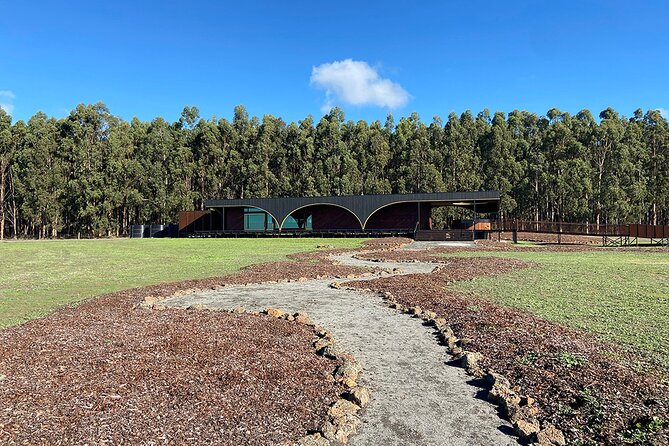
Budj Bim isn’t the kind of place where you just look at rocks and move on. It’s a living lesson in how people used the environment they had—then kept improving it over generations.
The heart of the tour is the Gunditjmara relationship to the region’s volcanic country. You’ll see how lava flows shaped the landforms that later supported large-scale eel management: systems of channels, dams, and weirs used to control floodwaters, create basins, and harvest kooyang eel. It’s a smart, practical approach to land and water, not a set of random curiosities.
I like that the day is explained through Gunditjmara eyes. You’re not treated like an outsider peeking in; you’re guided through meaning—how features in the landscape connect to culture, sustainability, and survival.
Starting at Vaughans Road and Settling Into the Day
Your tour starts back at Vaughans Road (Breakaway Creek VIC 3303) at 9:30am, and it loops back to the meeting point at the end. Plan to arrive a few minutes early so you can get oriented before the van departs.
You’ll be in an air-conditioned vehicle, and the group is capped at 20 travelers. That matters more than you might think. Smaller groups generally make it easier for your guide to slow down, answer questions, and keep the focus on what you’re seeing—not on managing a crowd.
There’s also a mobile ticket, and service animals are allowed. If you’re the type who likes to keep things simple, that all helps the day feel low-stress.
You can also read our reviews of more tours and experiences in Victoria.

Tae Rak Aquaculture Centre: Where the Story Begins
The day kicks off at Tae Rak Aquaculture Centre and Cafe. This is your first chance to meet your guide and get your bearings—where you are, why it matters, and how the sites link together.
Even in the early part, you’ll feel the theme: kooyang eel country isn’t just about eels. It’s about controlling water, using stone and natural features, and understanding seasonal patterns. When you get the “why” early, the later stops click faster.
You might also find this part reassuring if you’re new to the Budj Bim area. It sets a baseline so you’re not trying to connect the dots on your own while walking through quieter, more complex parts of the landscape.
C176: Stone House, Stone Art, and Weirs That Explain the System
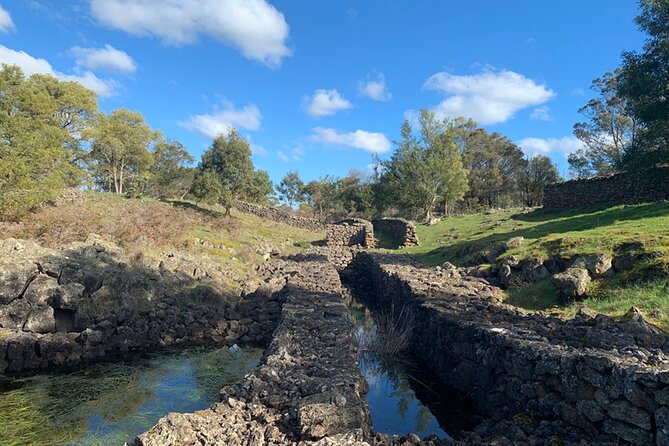
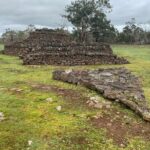
Next you head to C176, and this is a big cultural and technical stop in one. You’ll meet a Gunditjmara cultural guide who shows you a historic stone house used by Gunditjmara men. You’ll also learn about a stone wall art installation and then move into an area of lava flow featuring two weirs and a dam tied to trapping.
This stop can feel like the turning point from “I see features” to “I understand how it worked.” The weirs and dam aren’t just structures to admire—they’re part of a strategy. You get the sense that people weren’t simply reacting to land; they were shaping it in careful ways to make resources more reliable.
The stone house element adds another layer. It grounds the aquaculture story in daily life, not only in “engineering.” That combination is one reason the tour earns such high marks: it connects culture, practicality, and place.
Practical tip: If you enjoy asking questions, this is a great time to do it. Your guide can usually explain how one feature affects another—so it becomes easier to follow later stops.
Budj Bim National Park: Lake Surprise and the Lava Tunnels
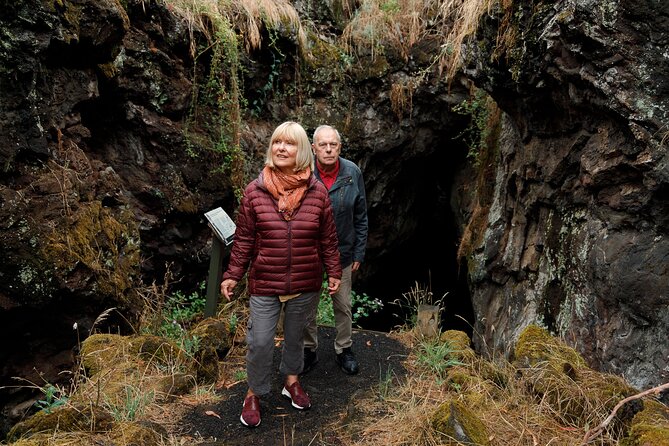
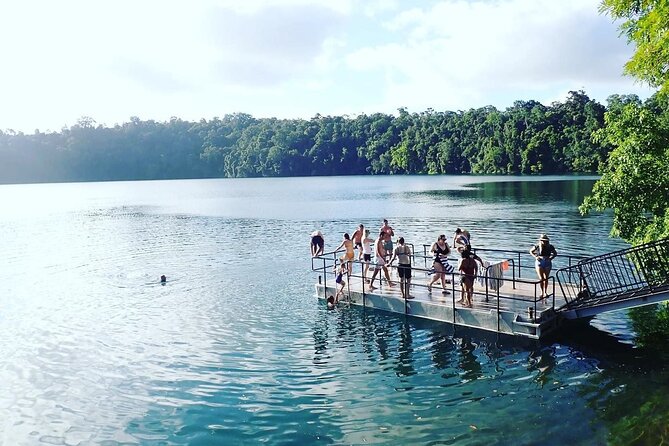
Then you move into Budj Bim National Park, where you’ll look at the volcanic crater now known as Lake Surprise. You’ll take a guided bush walk and step inside lava tunnels and a cave.
This part is where the geology becomes real. Instead of imagining how lava formed the terrain, you’re inside parts of it. It makes the “lava flows enabled aquaculture networks” idea feel concrete and not just historical trivia.
You’ll also appreciate the walking component. The route is guided, but it’s still your time to slow down. Quiet natural sounds, wet ground near water features, and the texture of stone can make the whole area feel personal.
One caution: weather matters here. You’re outdoors, and you’ll be walking and entering natural spaces. If conditions are rough, the experience may need to be adjusted. Plan to wear shoes you trust on uneven surfaces.
Lunch at Tae Rak: A Break That Doesn’t Cut the Momentum
Between crater walking and later wetlands viewing, you’ll travel around 20 minutes back to the Tae Rak Aquaculture Centre cafe area for lunch.
I’ve learned that the best regional tours don’t treat lunch like an afterthought. Here, lunch is built into the flow of the day, and it’s included, along with snacks. Reviewers highlight the meal as a highlight, and that tracks with what a good day should feel like: fuel, then back out to keep learning.
You’ll likely want this break. The day is long—about 8 hours—and the stops require attention. A real meal in the middle helps you stay engaged instead of mentally counting down to the end.

Lake Condah Wetlands: Kooyang Traps and the Power of Water Views
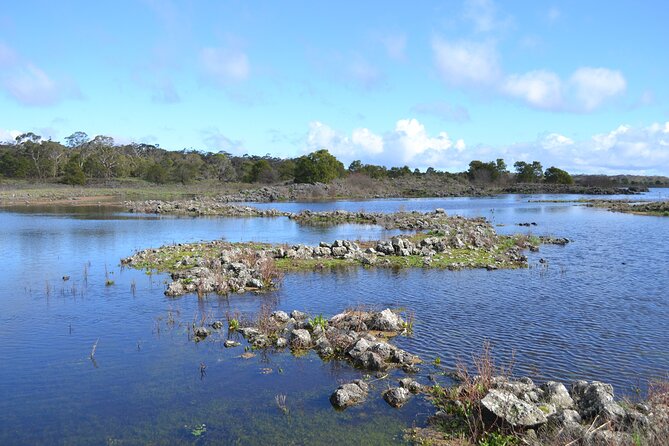
Later you head to Lake Condah, and this segment is all about wetland context. You’ll take an informative guided walk with your Gunditjmara cultural guide, and you’ll explore the Tae Rak Aquaculture Centre, Lake Condah and ancient eel traps.
This is where the tour connects the earlier “how it works” with the bigger picture of why it works here. Wetlands aren’t just pretty—they’re functional. When you stand near the water and see how structures relate to basins and flow, it becomes easier to understand how communities could harvest consistently.
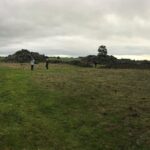
You’ll also spend time viewing the environment, including the kind of quiet, open sightlines that don’t show up in quick drive-by stops. The day feels less like a checklist and more like a sustained conversation with the landscape.
If you love photography, bring a phone with good low-light capability or simply be ready for the mix of bright sky and shadowed stone features. The lighting can change fast around wetlands.
The Guides Make It Click: Why This Tour Scores So High

The standout across the strong feedback is how people experience the day through the guide’s delivery. The guides don’t just point and explain. They make the past feel usable in your mind.
One review summed it up as an experience people won’t forget, tied to the importance of the site for understanding Australian history and Indigenous sustainability. Another highlighted how the guide made the information come alive, especially around stone eel traps, stone houses, and Gunditjmara ways of living.
That matters because Budj Bim can be misunderstood if you treat it as only “nature.” The best part of this tour is that it keeps pulling you back to meaning: how people built systems, how those systems used the land responsibly, and how the story continues to matter today.
Value for $142.73: What You’re Really Paying For
At $142.73 per person, this isn’t a budget half-day. But when you look at what’s included, the price starts to make more sense:
- A full 8-hour day instead of a short drive-and-look
- A small group size up to 20 travelers
- Lunch and snacks included, which reduces your overall trip cost
- On-site interpretation across multiple major features of the Budj Bim Cultural Landscape
You’re also paying for time with a guide who can connect details—weirs, dams, traps, houses, and lava features—into one coherent story. If you’ve visited places where the guides were more like a passive commentary, you’ll notice the difference here.
Also, most of the day is outdoors. That usually means you get more than a museum-type experience. You’re standing where the systems were used, then walking the connections.
Who This Tour Is Best For (and Who Might Need to Think Twice)
This tour fits best if you:
- Want Indigenous culture explained through the Gunditjmara context, not as a side note
- Like hands-on understanding of how land and water management work
- Don’t mind walking for a full day and staying outside for extended periods
- Appreciate geology when it’s tied to human use (not just rocks for rocks’ sake)
You might consider a different plan if you:
- Have limited mobility or struggle with walking outdoors and in natural sites
- Get uncomfortable entering caves or lava tunnels (the tour does include this)
- Prefer very short days where you’re back at base quickly
Simple Planning Tips That Improve Your Day
A few small moves can make a big difference:
- Wear supportive shoes. You’ll be walking on outdoor terrain and visiting natural features.
- Bring a layer. Volcanic areas can feel cooler or shift temperature fast, especially near water.
- Use sunscreen and water. Wetland walking can still mean strong sun.
- Check your meeting point carefully. One past booking issue pointed to an incorrect start location. Double-check that you’re heading to Vaughans Road, Breakaway Creek VIC 3303.
With those boxes checked, you’ll spend less time figuring out logistics and more time soaking up the story.
Should You Book Kooyang Yana Full Day Tour – Budj Bim?
I’d book it if you want more than a scenic day trip. This is a guided day that helps you understand how Gunditjmara ingenuity shaped a major aquaculture network tied directly to Budj Bim lava formations. You’ll walk boardwalk-style viewing areas, see stone and water-management features, and finish the day with a clearer sense of why this place matters.
Book it when you can commit to good weather and a full 8-hour schedule. If you’re flexible on timing, that flexibility is worth it because this kind of experience depends on conditions—especially for outdoor walking and natural spaces.
If you care about authenticity, small-group learning, and a story that connects culture, sustainability, and geology in a way that actually makes sense, Kooyang Yana is one of the strongest bets around Victoria.
FAQ
How long is the Kooyang Yana Full Day Tour – Budj Bim?
It’s about 8 hours total.
What time does the tour start?
The start time is 9:30am.
Where do I meet for the tour?
You meet at Vaughans Road, Breakaway Creek VIC 3303, Australia. The tour ends back at the meeting point.
What’s included in the price?
The tour includes an air-conditioned vehicle, lunch, and snacks.
How many people are in the group?
The maximum group size is 20 travelers.
Do I need good weather?
Yes. The experience requires good weather, and if it’s canceled due to poor weather, you’ll be offered a different date or a full refund.
Is there a mobile ticket?
Yes. The tour includes a mobile ticket. Confirmation is received at the time of booking.