REVIEW · VICTORIA
Mount Eccles Volcano – Budj Bim National Park
Book on Viator →Operated by Geotours · Bookable on Viator
A volcano you can actually read. This private Budj Bim National Park outing, led by geologist Mike Raetz, turns lava features into a story you can follow on the ground.
Two things I like a lot: the private attention from a geologist and the way the tour weaves in Indigenous connection alongside the science. One thing to consider—this is an outdoors-focused half-day, and it needs good weather.
In This Review
- Key highlights at a glance
- Budj Bim’s Mount Eccles Volcano: what makes this outing special
- Mike Raetz and the geology lesson that clicks
- Timing, pickup, and what 3–4 hours really feels like
- Stop 1 at Budj Bim National Park: from crater-lake to lava tunnels
- How the tour connects the volcano to Indigenous history
- Lava blisters (Tumuli): the strangest thing you’ll try to explain later
- The optional Suffoir winery stop: a short reset with real value
- Price and value: is $68.14 a fair deal?
- What to bring (and how to pick the right moment to travel)
- Who this tour suits best
- Should you book Mount Eccles Volcano at Budj Bim?
- FAQ
- FAQ
- What time does the tour start, and how long does it run?
- Where does the tour meet?
- Is pickup included from Warrnambool or Port Fairy?
- Is this a private tour?
- What will I see at Budj Bim National Park?
- Will I definitely visit a winery?
- Is the tour refundable if weather is bad?
Key highlights at a glance
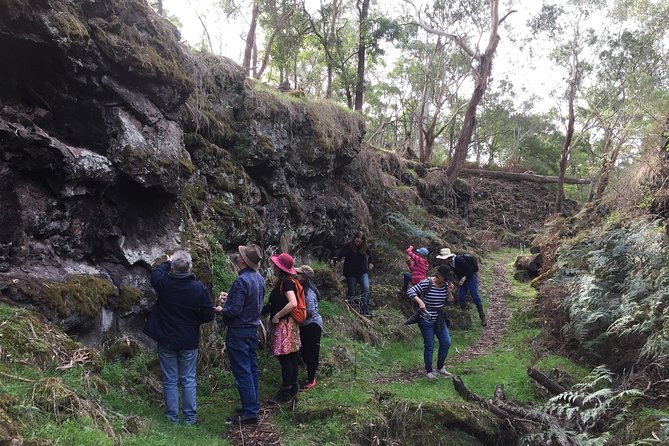
- Mike Raetz explains volcanic processes in plain language
- Budj Bim’s rare features: crater-lake, lava channels, and lava-tunnel remains
- A strong Indigenous history thread tied to the volcano and its people
- Lava blisters (Tumuli): a strange, memorable volcanic phenomenon
- Optional Suffoir stop for beer and wine during a 30-minute break
- Pickup from Port Fairy or Warrnambool and a return to the meeting point
Budj Bim’s Mount Eccles Volcano: what makes this outing special
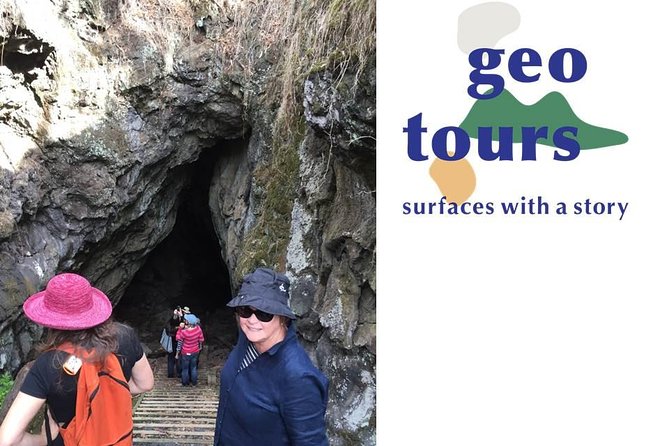
Budj Bim National Park has a reputation for being scenic, but the real draw is how the place behaves. You’re not just looking at rocks. You’re seeing the remnants of a lava shield volcano and learning what those forms mean.
This tour is built for people who want clarity, not a hurried “see it, move on” checklist. The route centers on the volcanic story first—then adds the human one. That mix matters. When you understand how lava moved, the site makes more sense. When you understand the Indigenous connection, the site feels less like an exhibit and more like a living place with memory.
And because it’s private, the tempo is easier. You can ask questions, slow down for details, and get explanations aimed at your group’s pace.
You can also read our reviews of more tours and experiences in Victoria.
Mike Raetz and the geology lesson that clicks
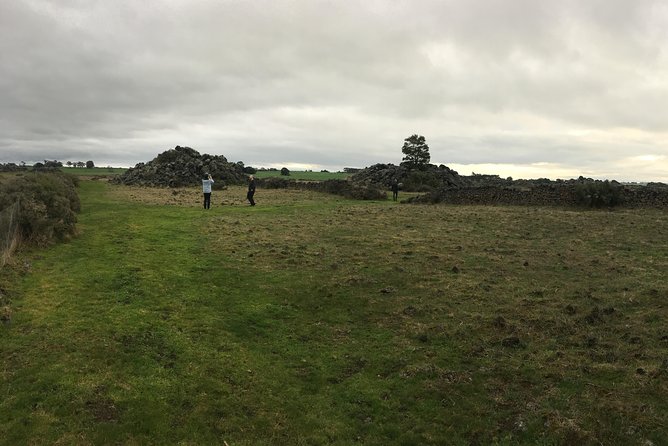
A great guide can make science feel like a map. Here, that job lands on local geologist Mike Raetz, who interprets the volcanic terrain and connects it to Aboriginal occupation.
The most practical part is the teaching style. Instead of leaning on pictures, the tour walks you through what you’re seeing and what to notice. That’s especially helpful if you’re bringing kids or anyone who learns best by doing. One of the standout comments from recent groups is how engaging Mike is—he doesn’t just lecture. He asks curiosity into the moment, and you’ll see it land fast.
You’ll also hear the right kind of specifics: the tour frames features like the crater-lake, lava channels, and remains of a lava tunnel as results of how the eruption played out. That turns random “weird shapes” into cause-and-effect.
Timing, pickup, and what 3–4 hours really feels like
The tour runs about 3 to 4 hours with a 1:00 pm start. Your time is focused enough to feel like a proper outing, not a full-day grind. You’ll start at the Port Fairy Visitor Centre on Bank Street and finish back at the meeting point.
If you’re staying in or near Warrnambool, pickup is available. If you’re closer to Port Fairy, you’ll meet there. It’s also set up for people using public transport since it’s near it—handy if you don’t want to fuss with parking.
Expect a half-day that mixes walking and stopping to look closely at features. It’s not described as a strenuous trek, but you should still plan for outdoor movement and uneven ground. Bring footwear you trust.
Stop 1 at Budj Bim National Park: from crater-lake to lava tunnels
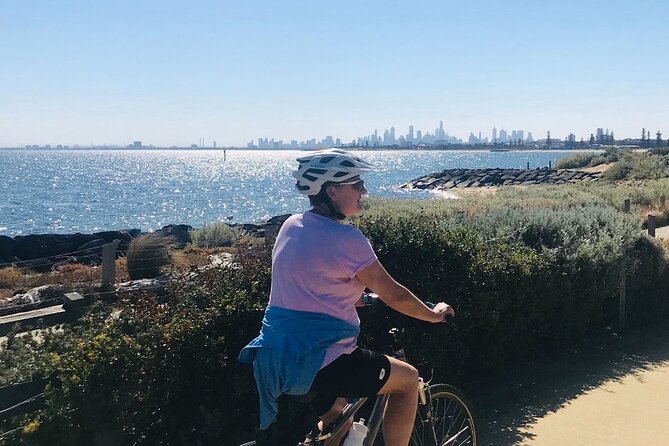
This is the heart of the experience: Budj Bim National Park, where the volcano’s story runs right through the visitor experience.
Here’s what you can expect to see during this main portion:
- a volcanic site associated with an eruption described as happening tens of thousands of years ago (often framed around 30,000+ years and also about 38,000 years depending on the feature being discussed)
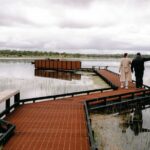
- a crater-lake view area
- nearby lava channels
- remains of a lava tunnel
- a feature described as a lava snake that went underground
The “lava snake” detail is more than a fun name. It points you toward how flowing lava can travel beneath the surface, then leave behind evidence once things cool and collapse. When you understand that, the tunnels and channels stop feeling mysterious. They become the eruption’s afterimage.
One more thing that’s valuable here: the tour gives you a story with steps. You don’t just get told what happened—you get guided through how the terrain you’re standing on is the result.
Possible drawback: the big learning payoff depends on being comfortable slowing down outdoors. If you prefer to move fast and take everything in through short photo stops, you might feel the pace is more “observe and understand” than “tick and sprint.”
How the tour connects the volcano to Indigenous history
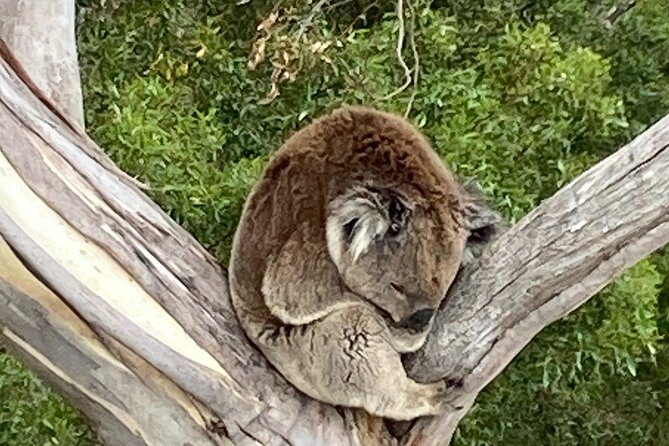
Budj Bim isn’t only geology. It’s also Indigenous country with ongoing significance. That’s why the tour’s interpretation is important.
Mike’s role isn’t framed as a separate lecture tacked on at the end. Instead, the tour connects what you see in the volcanic features to Aboriginal occupation. In practical terms, that means as you stand near lava channels, crater areas, and tunnel remains, you’re also guided to think about how people related to this country over time.
I like this approach because it avoids treating culture as an add-on. You’re not switching topics mid-stream. The volcanic terrain becomes part of the context for understanding human connection to place.
If you want a tour that respects both natural history and human history without flattening either one, this is the structure to choose.

Lava blisters (Tumuli): the strangest thing you’ll try to explain later

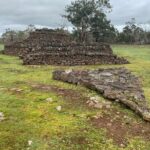
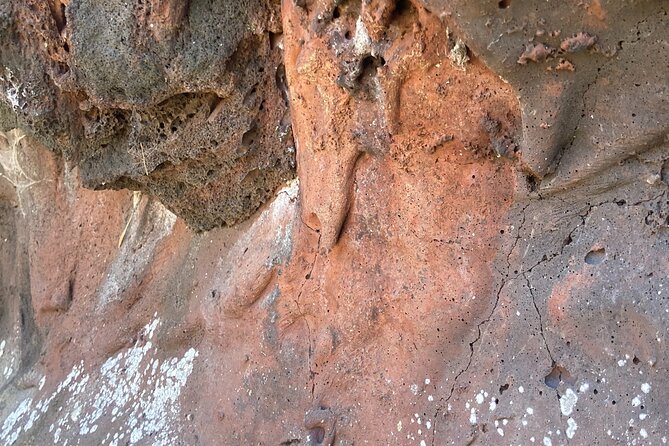
One of the tour’s “wow” elements is the chance to see lava blisters, also called Tumuli. These are unusual volcanic formations that catch your eye because they don’t look like the standard “lava flow” idea many people carry in their heads.
In the flow of the half-day, the Tumuli moment is offered as an option or alternative to ending at the winery. That matters for your expectations:
- if Tumuli is part of your route, you’ll finish the science side with a truly odd volcanic feature
- if the route instead prioritizes the winery finish, you still get the volcanic core and then a relaxed food/drink break
Either way, keep an eye on how your guide explains what you’re seeing. Lava blisters are one of those features where a simple explanation can make the difference between “cool shape” and “now I get it.”
The optional Suffoir winery stop: a short reset with real value
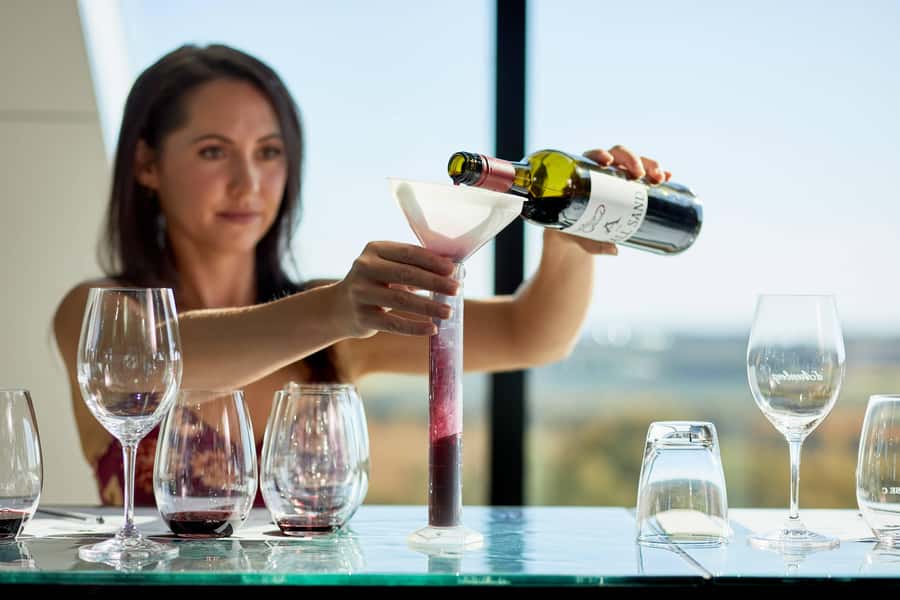
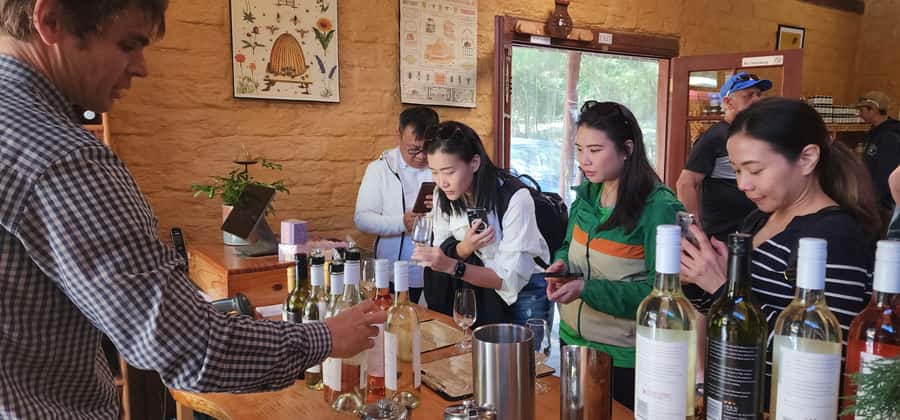
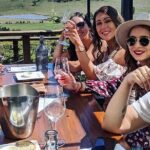
Half-day tours can feel like you’re in “always on” mode. This one includes an option to break that up with a local stop at Suffoir Winery & Brewery & Cidery and Distillery.
You get about 30 minutes there. The focus is on a tasting-style break—beer and wine are specifically mentioned. It’s not described as a full meal, so treat it as a reset, not dinner plans.
Why this can be good value: after a geology-heavy morning or early afternoon, a winery stop gives you a change of pace. It also helps you keep the entire day flexible, especially if you’re touring with kids or anyone who likes a predictable pause.
If you want maximum science time: choose the route that includes Tumuli rather than the winery finish (when offered).
If you want a calmer ending: the winery stop can make the half-day feel more complete.
Price and value: is $68.14 a fair deal?
The price is $68.14 per person for roughly 3 to 4 hours. That’s not a bargain price, but it’s not premium luxury either. The value comes from what you’re actually buying:
- Private tour format (only your group participates)
- A geologist-led explanation, not just a general guide
- Pickup from Port Fairy or Warrnambool, so you’re not stuck figuring out logistics on your own
- Entry is listed as free for the Budj Bim stop, which helps your cost add up
Also, if you’re booking ahead, it’s commonly reserved about 77 days in advance on average. That’s a hint that popular slots can go quickly, especially for families or school-break travel.
When I judge value for trips like this, I weigh one thing: will the guide’s expertise change how you see the place? Here, the tour is explicitly geologist-led, and the feedback highlights how engaging and thoughtful the teaching is—so you’re paying for understanding, not just access.
What to bring (and how to pick the right moment to travel)
The tour requires good weather. That’s standard for any plan involving walking and looking closely at outdoor volcanic features.
So plan around the basics:
- wear comfortable shoes suited to uneven paths
- bring a light layer for wind or shade changes
- pack sun protection if the day looks clear
- bring water (nothing about water is provided in the details, so rely on your own plan)
If you’re traveling with kids, this tour can work well because the explanations are described as curiosity-driven and not stuck in “look at a sign” mode. Still, expect you’ll pause often enough to look closely, because the whole point is learning the terrain.
Who this tour suits best
This experience is a strong match if you:
- like science you can see, not just science you read
- want a guide who can explain how volcanoes work while pointing to real land features
- care about both natural history and Indigenous connection to place
- prefer smaller, private group attention rather than a bus-and-brief-stops format
It may be less ideal if you:
- want a purely social sightseeing outing with minimal learning
- hate walking outdoors or struggle with “stop-and-look” pacing
- are set on a winery finish only, because Tumuli may be part of your route instead
Should you book Mount Eccles Volcano at Budj Bim?
Book it if you want a private geologist-led tour where explanations land as you stand in front of the volcanic evidence. The combination of Budj Bim’s features—crater-lake, lava channels, lava-tunnel remains, and the lava-snake idea—plus the chance for lava blisters (Tumuli) gives you more than one kind of wow.
Skip (or consider another option) if you mostly want quick photos and minimal time outdoors. This one rewards patience and curiosity.
FAQ
FAQ
What time does the tour start, and how long does it run?
It starts at 1:00 pm and runs about 3 to 4 hours.
Where does the tour meet?
You’ll meet at the Port Fairy Visitor Centre / Bank Street, Port Fairy VIC 3284.
Is pickup included from Warrnambool or Port Fairy?
Yes. The tour includes pickup from Warrnambool or Port Fairy.
Is this a private tour?
Yes. It’s listed as a private tour/activity, so only your group participates.
What will I see at Budj Bim National Park?
You’ll visit features including a crater-lake, lava channels, remains of a lava tunnel, and a “lava snake” that went underground. The tour also connects what you see to Aboriginal occupation.
Will I definitely visit a winery?
Not necessarily. There’s an optional stop at Suffoir Winery & Brewery & Cidery and Distillery (about 30 minutes) for beer and wine, or the tour may finish after the lava blisters (Tumuli) portion.
Is the tour refundable if weather is bad?
Yes. The experience requires good weather. If it’s canceled due to poor weather, you’ll be offered a different date or a full refund.