REVIEW · HOBART
Hobart: 3-Hour City Sightseeing Tour
Book on GetYourGuide →Operated by Gray Line Tasmania · Bookable on GetYourGuide
Hobart moves fast, and this tour helps you keep up. In just 3 hours, you’ll roll past Hobart’s key landmarks, hop off for photos and short walks, then return to your seat for the next chapter—starting at Sullivan’s Cove and ending back at Brooke Street Pier. I especially like the pairing of Salamanca Place with photo-friendly Battery Point streets, plus the big-view stop at Rosny Hill. One thing to consider: on some days it may not run in the old tram style you expect, because other vehicles can be used for operational reasons.
My other favorite part is the mix of “pretty Hobart” and “real Hobart”—from Cascade Gardens and the Royal Tasmanian Botanical Gardens to the Female Factory area and the Penitentiary Chapel. The driver/guide stories help you connect buildings, streets, and geography into one clear map in your head, which makes the rest of your stay easier. If you’re hoping for lots of time to linger in one place, this is more of a highlight route than a slow stroll.
In This Review
- Key things I’d mark on your map
- Starting at Brooke Street Pier: a smooth way to get your bearings
- Sullivan’s Cove to Parliament House: the story starts at Hobart’s edge
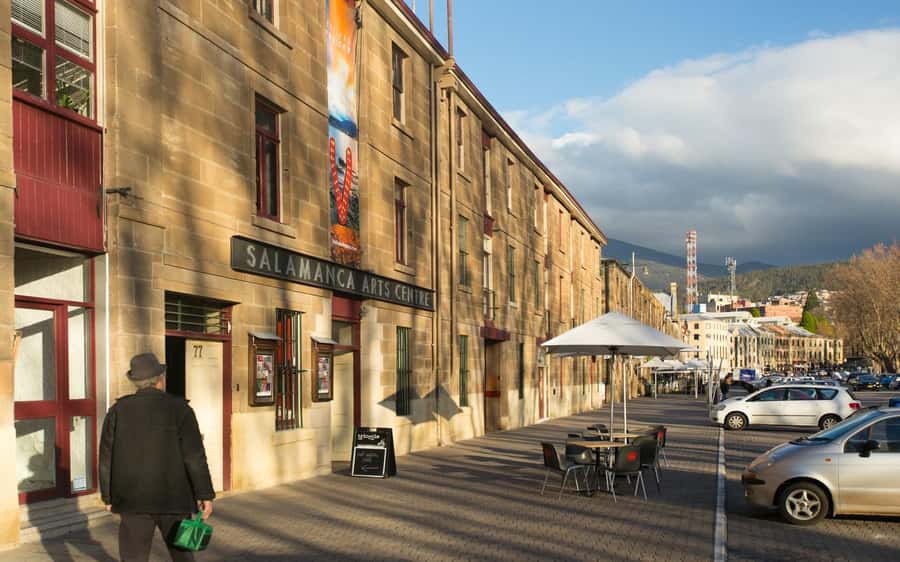
- Salamanca Place: the “make Hobart make sense” stop
- Battery Point and St David’s Cathedral: pretty streets with real gravity
- Cascade Gardens and the Cascade Brewery exterior: a gentle palate cleanser
- The Female Factory and Penitentiary Chapel: history you won’t forget
- Town Hall, Government House, and the in-between streets
- Tasman Bridge and Rosny Hill lookout: the best payoff for camera time
- Royal Tasmanian Botanical Gardens: time to breathe (and enjoy the Vegie Patch story)
- Coach tram vs bus: what changes on the day
- Guides: where the tour turns from facts into a usable map
- Price and value: is $46 for 3 hours money well spent?
- Who should book this tour (and who should DIY)?
- Should you book the Hobart 3-Hour City Sightseeing Tour?
- FAQ
- How long is the Hobart 3-Hour City Sightseeing Tour?
- Where does the tour start?
- Is hotel pickup included?
- Does the tour include time in the Royal Tasmanian Botanical Gardens?
- What major sights are visited during the tour?
- Is it always a coach tram?
Key things I’d mark on your map
- Hop-off photo stops at major sights, then back to your same seat to keep the flow
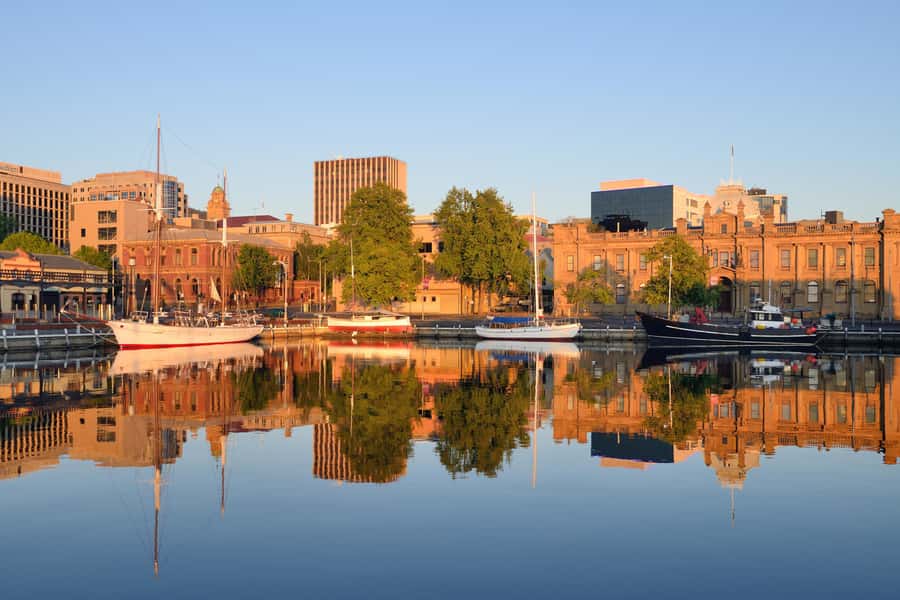
- Salamanca Place + Battery Point for Georgian-era buildings and classic waterfront mood
- Female Factory and Penitentiary Chapel for the darker side of Hobart’s penal history
- Rosny Hill lookout + Mt Wellington views for skyline and big-water perspective
- Royal Tasmanian Botanical Gardens free time, including the famous Vegie Patch tie-in
Starting at Brooke Street Pier: a smooth way to get your bearings
This tour begins right at Brooke Street Pier, meeting at the Gray Line Day Tours desk inside the Brooke Street Pier building (12 Franklin Wharf). That location matters. You’re starting from the waterfront hub where most cruise and town connections also make sense, so you don’t lose time figuring out where to be.
Once onboard, you’ll get a guided loop around many of Hobart’s best-known spots. You’re not stuck watching through glass the whole time. The format is practical: lots of chances to hop off, snap photos, take a short walk, then get back in and continue.
Expect some narration from the driver/guide as you travel. The best part is that the commentary tends to connect what you’re seeing—street layouts, buildings, and water views—with what they meant historically. That’s the “useful souvenir,” even if you only take a few photos.
You can also read our reviews of more city tours in Hobart

Sullivan’s Cove to Parliament House: the story starts at Hobart’s edge
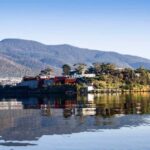
Your route kicks off at Sullivan’s Cove, often described as Hobart’s birthplace area. Even if you’re not a history nerd, this first stretch helps you understand why Hobart grew where it did: ship-friendly water, trade access, and a city built with the harbor in mind.
From there, you’ll pass Parliament House and head toward the Georgian-era warehouse zone that makes Hobart feel distinct from mainland Australia. These aren’t just buildings to glance at. When your guide points out details like architectural style and how the port shaped life, the city becomes easier to read later—on foot, on your own, without needing to keep checking your phone.
Salamanca Place: the “make Hobart make sense” stop
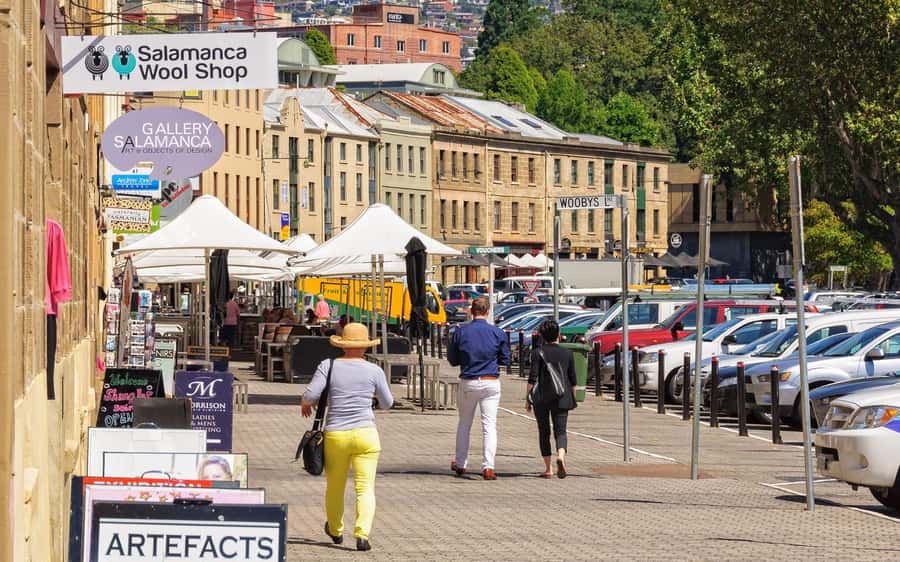
Salamanca Place is one of those places where you’ll quickly understand what people mean when they say Hobart has character. You’re in the heart of the warehouse-and-market vibe, and the tour gives you a strong first look at how the waterfront and inland streets connect.
What I like here is the balance. You’re not only seeing something pretty—you’re getting context for the city’s commercial roots. Salamanca is also the kind of stop where you can decide what you want to do next. Want to grab a snack? Wandering is easy. Want to shop or photograph without rushing? You’ll be set up well.
If you’ve only got a short visit, Salamanca Place is a smart early target because it’s both iconic and practical.
Battery Point and St David’s Cathedral: pretty streets with real gravity
Next comes Battery Point, a classic Hobart neighborhood with a distinctly historic feel. This is the area where the city looks like it could be in a storybook—narrow streets, old structures, and that “this place has stood here for a long time” sensation.
The tour also includes time and visibility around major landmarks such as St David’s Cathedral (listed among the key highlights). Even if you’re only seeing it from the coach and at key photo points, it still helps. Cathedrals act like city markers, and once you’ve noted where they sit in the urban layout, you’ll orient yourself faster afterward.
One small caution: Battery Point is wonderful, but the tour format means you’re not doing an in-depth neighborhood walk. If your goal is slow wandering and street-by-street photography, plan to return later under your own pace.
Cascade Gardens and the Cascade Brewery exterior: a gentle palate cleanser
After the city highlights, you get a greener breather at Cascade Gardens in South Hobart. This is a nice pivot. Instead of more architecture, you’re shifting toward park views and casual walking.
There’s also an option to view the exterior of the Cascade Brewery building. Even if you don’t go inside (and the tour doesn’t promise interior time), seeing the building from outside gives you a sense of how industry and recreation sit side-by-side in Hobart.
If you like your tours to have mood changes—harbor, then streets, then park—Cascade Gardens does that well. It also breaks up what would otherwise be a nonstop run of urban stops.






The Female Factory and Penitentiary Chapel: history you won’t forget

Here’s the part of the tour I’d call the emotional center: the Female Factory and the Penitentiary Chapel. The Female Factory is a former female prison site. You’ll view the exterior remains as part of the route, and you’ll also hear the connection to Bryce Courtenay’s novel The Potato Factory.
This isn’t “learn a cool fact and move on.” It lands because the buildings and locations force you to confront the human side of punishment and hardship. It gives the history of Hobart weight—literally. Instead of just sightseeing, you’re absorbing what this city went through and how it shaped the present.
One practical consideration: this section is meaningful, so if you prefer lighter sightseeing only, you might find it a bit intense. But if you want your Hobart tour to feel real, this is where it earns its keep.
Town Hall, Government House, and the in-between streets
As you keep circling, you’ll pass Hobart Town Hall and Government House. You might notice these feel like “civic anchors”—big, formal buildings that tell you where authority and public life sit in the city.
The tour approach is helpful: these are not random drives. They’re placed so you can connect Hobart’s institutions to its geography—how the city spreads from the waterfront and how main roads and neighborhoods align.
You also pass other dock-related areas such as Victoria Dock and Constitution Dock. Even if you don’t stop, seeing the water-and-operations side of Hobart rounds out the picture beyond the postcard spots.
Tasman Bridge and Rosny Hill lookout: the best payoff for camera time
Crossing the Tasman Bridge is part of why this tour feels worth doing. You get broad water views over the Derwent and look out toward Kangaroo Bay Marina and Bellerive. That’s the kind of sight you remember because it’s big, open, and hard to replicate from just one street.
Then you land at Rosny Hill lookout for stunning views of Hobart, Sandy Bay, Mt Wellington, the Tasman Bridge, and Glenorchy. This is a classic “get your bearings” moment. From this angle, you can see how the city hugs the harbor and how the mountains loom as the backdrop.
If you like photographing cities from above, this is your moment. The stop is short enough to keep the tour moving, but long enough to get a few solid shots and just stand there for a minute.
Royal Tasmanian Botanical Gardens: time to breathe (and enjoy the Vegie Patch story)
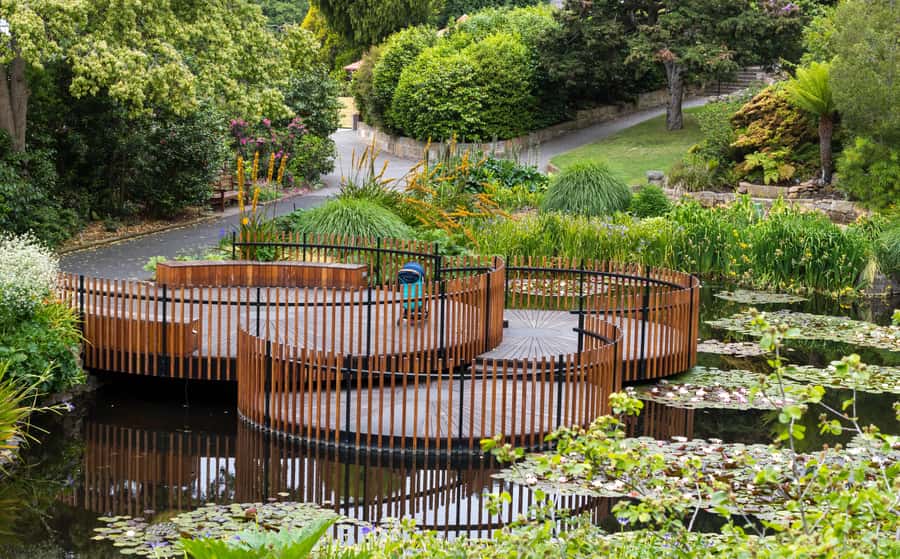
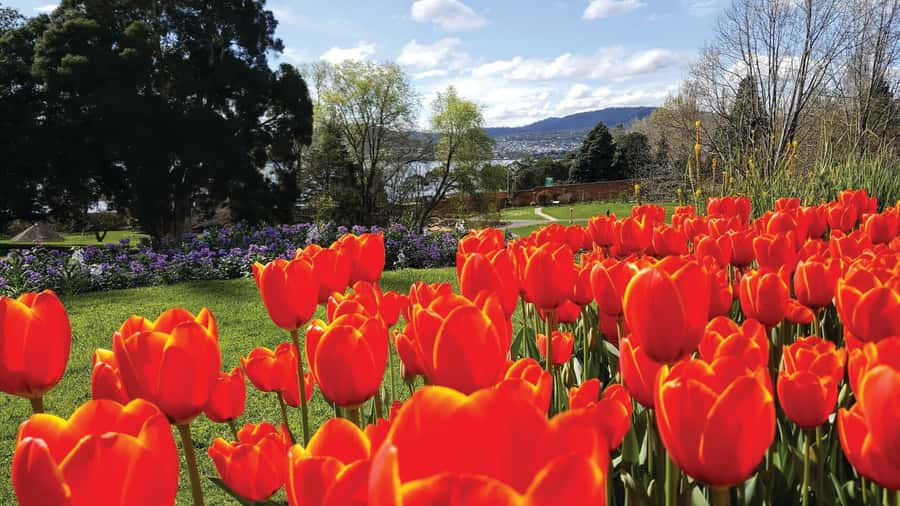
Next is free time at the Royal Tasmanian Botanical Gardens, with the tour also highlighting the Vegie Patch made famous by Peter Cundall of ABC’s Gardening Show. Even if you’re not a hardcore gardener, this is a fun cultural connection—something modern that ties into an old-school place.
What I like about this stop is the flexibility. You can wander at your own speed and focus on what you care about: shaded paths, garden features, or just a reset after the city-driving portion.
One note from experience styles like this: if you want to spend hours here, a 3-hour tour will feel like a quick taste. That’s not bad—it’s just the reality. Treat it like a well-timed intro so you know what to revisit.
Coach tram vs bus: what changes on the day
This tour is marketed as a coach tram city sightseeing experience, but there’s an important heads-up: due to operational reasons, other vehicles may be used. Some days you might get the converted tram style. Other days, you might ride a standard coach.
Either way, the main goal stays the same: you’re still getting guided routing, stops for photos and short walks, and commentary throughout. But if the vehicle look is part of your wishlist, plan for the fact that it could be different than what you imagined.
Also, check that you’re comfortable for several short photo-and-walk moments in varying weather. The tour is fast, not frosty or slow. Air-conditioning quality has come up in feedback, so on hot days it’s worth paying attention.
Guides: where the tour turns from facts into a usable map
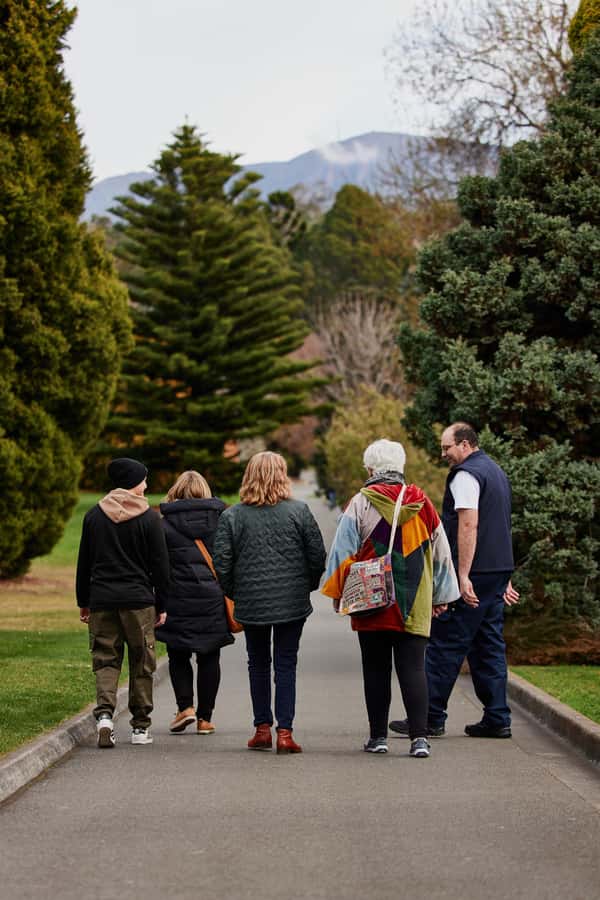
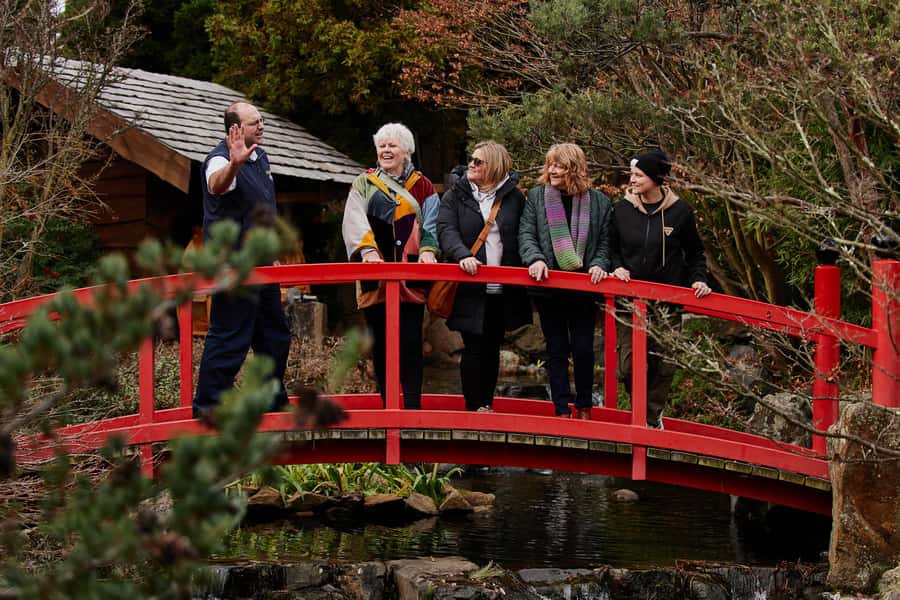
The driver/guide role is the secret ingredient here. The best versions of this tour feel like a friendly history lesson combined with practical navigation. You’ll hear stories tied to the places you see, and you’ll often get answers to questions on the spot.
In feedback, guides have been singled out by name—people like Allen, Hugo, Tim, Peter, Colin, Phil, Christian, Nigel, Neil, Greg, and Zoran. The pattern is clear: the commentary isn’t dry, and it’s delivered in a way that keeps the group moving without losing the meaning of what you’re seeing.
If you’re the kind of person who likes learning while you travel, this matters. It’s not just where you go—it’s whether someone helps you understand why those spots matter.
Price and value: is $46 for 3 hours money well spent?
At $46 per person for a 3-hour guided loop, you’re paying for three things:
- Access to multiple key sights in one morning with guided context
- Stops that include hop-off photo time and short walking moments
- A driver/guide who connects what you see (harbor, neighborhoods, penal history, gardens)
You’re not paying for a private car. And you’re not paying for hotel pickup, so you’ll need to get yourself to Brooke Street Pier. But for many visitors, that’s a fair trade. You’re getting a guided “orientation tour” that can save you time when you plan the rest of your Hobart days.
Where the value really shows: if it’s your first time in Hobart or you’re on a tight schedule, this helps you decide what to revisit and what to skip. You’ll leave with a clearer mental map—and that’s hard to put a price on.
Who should book this tour (and who should DIY)?
This tour fits best if you:
- have only a short stay in Hobart
- want to see highlights like Salamanca Place, Battery Point, and Rosny Hill
- like history that’s connected to specific places, including the Female Factory and Penitentiary Chapel
- enjoy gardens and want a structured introduction to the Royal Tasmanian Botanical Gardens
You might prefer a different plan if you:
- want to linger a long time in one neighborhood (this tour is a highlight rhythm)
- mainly care about one theme, like beer only or wildlife only
- are very sensitive to weather, since parts of the tour involve short outdoor stops
In short: this is a great “get oriented fast” tour. It sets you up for a better self-guided follow-up.
Should you book the Hobart 3-Hour City Sightseeing Tour?
I’d book it if you want a well-paced, guided overview that hits both the scenic side of Hobart and the places that explain how the city became what it is. The Rosny Hill lookout and Royal Tasmanian Botanical Gardens alone make it feel organized. Add stops tied to the Female Factory and Penitentiary Chapel, and you get a tour that’s more than a quick photo list.
If you’re hoping for a slower pace or a guaranteed tram-style vehicle, go in with flexibility. But if you want to get your bearings fast and leave with a clearer sense of where to spend your next hours, this one does the job.
FAQ
How long is the Hobart 3-Hour City Sightseeing Tour?
The tour lasts 3 hours.
Where does the tour start?
It starts at Brooke Street Pier. You meet at the Gray Line Day Tours desk inside the Brooke Street Pier building (12 Franklin Wharf, Hobart TAS 7000), with coaches parked outside.
Is hotel pickup included?
No. Hotel pick-up and drop-off are not included.
Does the tour include time in the Royal Tasmanian Botanical Gardens?
Yes. You’ll have free time to stroll through the Royal Tasmanian Botanical Gardens.
What major sights are visited during the tour?
Highlights include Sullivan’s Cove, Salamanca Place, Battery Point, St David’s Cathedral, the Female Factory, Penitentiary Chapel, Cascade Gardens, Rosny Hill lookout, and views over areas including Kangaroo Bay Marina and Bellerive.
Is it always a coach tram?
It’s described as a coach tram tour, but due to operational reasons other vehicles may be used.