REVIEW · ALICE SPRINGS
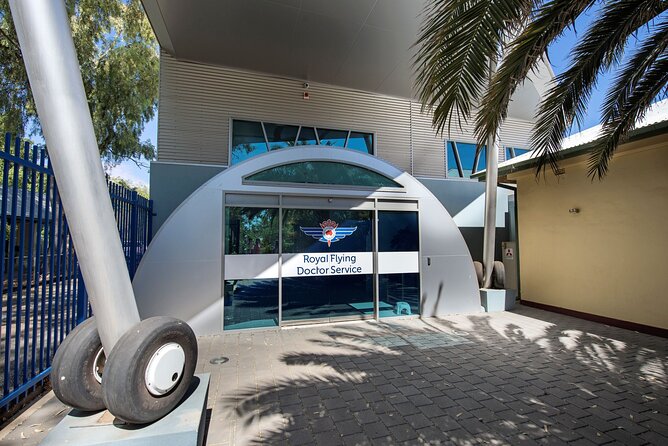
Royal Flying Doctor Service Alice Springs Tourist Facility
Book on Viator →Operated by Royal Flying Doctor Service Darwin Tourist Facility · Bookable on Viator
A 1939 medical message system is surprisingly human. At the Royal Flying Doctor Service Alice Springs Tourist Facility, you’ll walk through the original working base and see how people communicated and cared for patients long before telephones—then you’ll try an RFDS virtual reality patient ride. Two things I really liked were the hands-on history (from historic radios to medical gear) and the VR plane perspective that makes the service feel real fast. The main drawback: it’s mainly museum-style indoors, so if you’re hoping for an actual flight experience, you’ll want to adjust expectations.
The facility is priced at $15.78 per person, and you’re not just watching a slideshow—you get multiple exhibit areas, a theatre presentation with a hologram of Rev. John Flynn, and interactive tech that connects the dots from pilots and engineers to nurses, doctors, and patients. You can easily spend around an hour, and the air-conditioned theatre is a nice break from Alice Springs heat. If you’re short on time, plan around the flexible duration range; it can be quick or take longer depending on how closely you watch the presentations and demos.
Key highlights I think are worth your time:
- Original RFDS working base (1939): You’re touring where the service started operating in Alice Springs.
- Historic radios you can get close to: Including a Traeger Pedal Radio that shows how communication worked before modern tech.
- Medical equipment display: Built to help you picture what doctors and nurses carried on RFDS flights.
- Aircraft evolution across decades: Model planes that trace how RFDS aircraft changed over time.
- VR patient ride: A virtual walkthrough that gives you a front-row view of what it feels like to be a patient.
- Interactive characters via technology: You meet Alf Traeger and Nurse Kathy through the facility’s interactive experience.
In This Review
- Alice Springs RFDS Base: Why the 1939 Story Still Matters
- The Museum Galleries: Radios, Medical Equipment, and Decade-by-Decade Aircraft
- The VR Patient Ride: A Virtual Look at the RFDS Flight Experience
- Beyond Displays: Understanding Pilots, Engineers, Doctors, Nurses, and Patients
- Timing Your Visit: How Long to Plan in Alice Springs
- Price and Value: Getting a Lot for $15.78
- Who Should Book This RFDS Facility?
- Should You Book This in Alice Springs?
- FAQ
- How much does the Royal Flying Doctor Service Alice Springs Tourist Facility cost?
- How long should I plan for the visit?
- What’s included with the ticket?
- Is there a theatre presentation at the facility?
- Can I bring a service animal?
- What’s the cancellation window if my plans change?
Alice Springs RFDS Base: Why the 1939 Story Still Matters
This isn’t a distant history lesson. The Royal Flying Doctor Service story begins with a practical idea from Reverend John Flynn—the belief that if you start something worthwhile, nothing should stop it. Here in Alice Springs, that vision shows up in the way the facility is arranged: you’re meant to understand the system behind the service, not just admire old photos.
One of the most effective moments is the air-conditioned theatre where you watch a life-size hologram portrayal of Rev. John Flynn. It’s an efficient way to get context without turning the visit into an all-day lecture. If you like stories with a purpose, this is the kind of presentation that helps the rest of the exhibits click into place.
The Museum Galleries: Radios, Medical Equipment, and Decade-by-Decade Aircraft
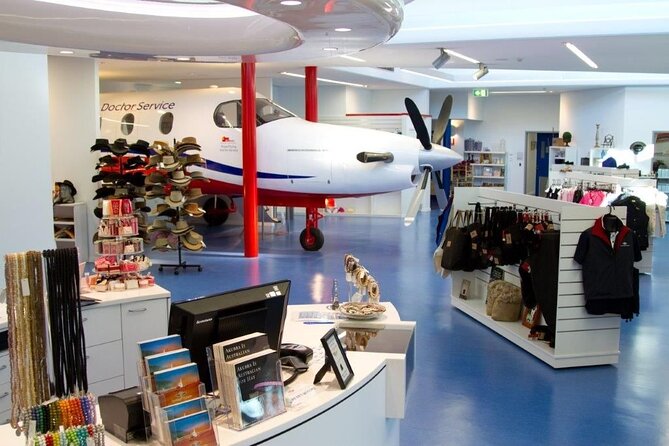
The museum section is where you’ll slow down. You’re surrounded by historic communication gear and medical displays, and the design nudges you to connect what you see to what it enabled—getting messages through and getting care delivered in remote areas.
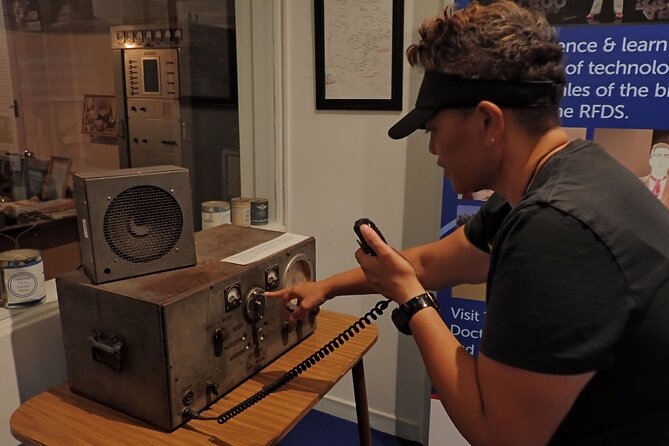
I especially enjoyed the historic radios. The display includes a Traeger Pedal Radio, a detail that immediately frames the challenge: before telephones were common, communication required real effort and ingenuity. Seeing the equipment makes it easier to imagine why radio operators, pilots, and support teams mattered so much.
Then there’s the historic medical equipment display. It’s the kind of exhibit that makes you think, okay, this is what had to be packed and handled for patients out on the edge of the map. You’re not left guessing what “medical care” meant in that era—you get a visual inventory of the tools and gear that would have been used on flights of the past.
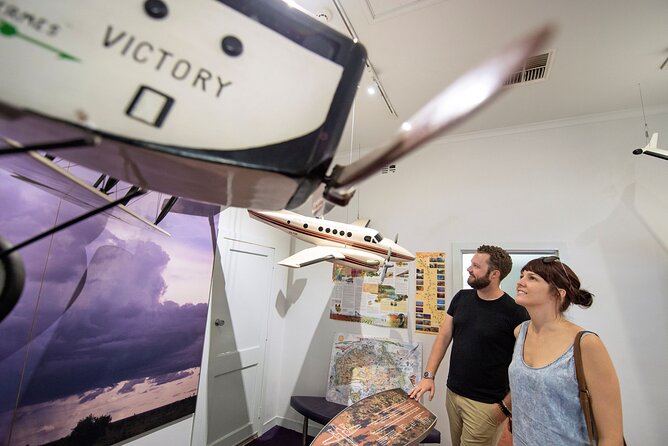
If you like aviation, you’ll probably enjoy the aircraft evolution part. There are model aeroplanes arranged to show the changes across decades. It’s a simple concept, but it works: you get a quick timeline of how the service kept updating its aircraft to meet real-world needs.
And yes, there’s an aircraft to go inside. That detail matters. Museums often show aircraft like trophies, but having access lets you picture the work environment more clearly—space, layout, and how someone would have operated in the cabin.
You can also read our reviews of more tours and experiences in Alice Springs.

The VR Patient Ride: A Virtual Look at the RFDS Flight Experience
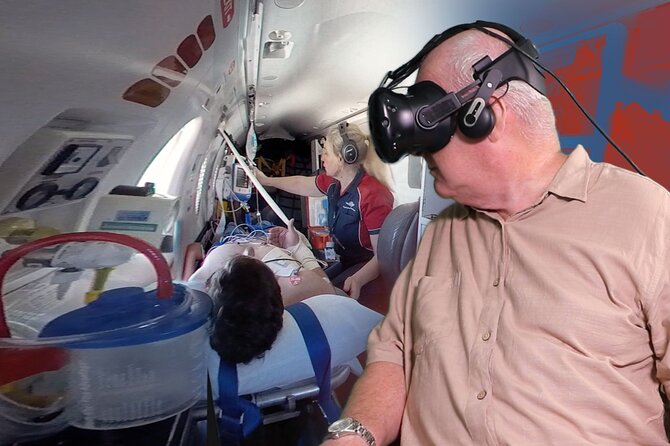
The facility’s virtual reality component is the standout for me because it flips the usual direction of history museums. Instead of only learning how things used to work, you experience what a patient perspective feels like. The VR ride gives you a guided sense of being part of the process—like you’re along for the mission rather than just reading about it.
When I talk to people about VR, the typical complaint is that it can feel like a gimmick. Here, it doesn’t. The VR experience is clearly tied to the broader story: communication, aircraft, medical care, and the people coordinating it all. That makes it feel like a learning tool, not just a tech toy.
You’ll also encounter interactive tech where you meet Alf Traeger and Nurse Kathy. Having named people (not just generic roles) helps the history land. It gives you faces and identities for the work—pilots, engineers, doctors, and nurses—plus the patient side of the equation.
Beyond Displays: Understanding Pilots, Engineers, Doctors, Nurses, and Patients
One reason this facility works well is that it treats the Royal Flying Doctor Service as a team job. You don’t just learn about aircraft or radios. You learn about how roles connect: pilots who fly the aircraft, engineers who keep machines running, doctors and nurses who manage medical decisions, and the patients who need urgent care.
That “whole chain” thinking is exactly what you want in a museum about a service. Otherwise, it can turn into a list of artifacts. Instead, you get an integrated view of how the service functioned day to day.
The interactive and presentation elements help explain the daily reality: there are people making plans, preparing equipment, and managing communication. Even if you’re just spending an hour, you leave with a clearer picture of what “service” meant in practice—especially in remote settings where help isn’t always close.
Timing Your Visit: How Long to Plan in Alice Springs
The experience duration ranges from 10 minutes to about 1 hour 30 minutes. In real life, that flexibility is useful. If you want the quick hit—main theatre presentation plus VR and a few key galleries—you can do it fairly efficiently. If you’re the type who reads labels carefully and likes to take your time with hands-on displays, you’ll likely land closer to the longer end.
A common sweet spot is about an hour, especially if you watch the video commentary and make time to explore inside the aircraft. I’d treat it like a “pick your pace” stop: go in with a rough plan (the theatre, radios/medical, VR, aircraft inside) and then let the rest happen naturally.
Also, the air-conditioned theatre is a real comfort factor. If it’s hot outside, you’ll appreciate having at least part of your visit in climate control.
Price and Value: Getting a Lot for $15.78
At $15.78 per person, this isn’t a budget attraction, and it’s not trying to be. What makes the value feel fair is that the ticket gets you more than one exhibit theme.
You’re paying for:
- access to the original working base story beginning in 1939
- historic radios and medical equipment displays
- an aircraft inside visit option
- a theatre presentation featuring Rev. John Flynn via a life-size hologram
- a VR patient ride
- interactive technology where you meet Alf Traeger and Nurse Kathy
That mix is the key. Many museums focus on either aviation or medical history. This one gives you both, plus the communication piece. The result is a visit that feels rounded without being huge or overwhelming.
If you’re already in Alice Springs and want one stop that teaches you something meaningful, this is the kind of ticket that keeps paying off as you move through the rest of your day.



Who Should Book This RFDS Facility?
This is ideal if you like:
- Australian history with a practical, real-world mission
- aviation details that are connected to human need
- interactive museum experiences (especially VR)
- stories where you can see how communication, equipment, and teamwork matter
It’s also a good choice for families and people who learn best by doing. The interactive technology and VR help keep attention without turning everything into screens.
If you’re the sort of person who wants lots of outdoor space or long guided walks, you might find it more “contained” than you expect. It’s mainly an indoor museum experience, so it’s best viewed as a focused, high-signal stop rather than a long stroll.
Should You Book This in Alice Springs?
Yes—if you want an experience that feels both respectful and practical. The original 1939 working base angle gives the visit weight, and the VR patient ride plus named interactive characters make it easier to connect emotionally to the service’s purpose.
I’d book it if:
- you care about how services work, not just dates and names
- you want one strong stop that mixes tech, medicine, and aviation
- you’re okay with an indoor, story-driven visit
Skip it (or pair it with other activities) if:
- you’re strictly hunting for outdoor sights or a hands-on aircraft experience beyond what’s included
- you’re expecting an actual flight, not a virtual one
If you time it well, this can be one of those stops that quietly reshapes how you understand remote Australia.
FAQ
How much does the Royal Flying Doctor Service Alice Springs Tourist Facility cost?
The price is $15.78 per person.
How long should I plan for the visit?
Expect about 10 minutes to 1 hour 30 minutes, depending on how much you watch and explore.
What’s included with the ticket?
You’ll have admission to the museum experience, including the air-conditioned theatre presentation and access to the exhibits, plus the virtual reality patient ride and interactive technology.
Is there a theatre presentation at the facility?
Yes. There’s an air-conditioned theatre where you watch a life-size hologram portrayal of Reverend John Flynn.
Can I bring a service animal?
Service animals are allowed.
What’s the cancellation window if my plans change?
You can cancel up to 24 hours in advance for a full refund. Canceling less than 24 hours before the start time means the amount paid won’t be refunded.