REVIEW · ALICE SPRINGS
2 Day Uluru Red Centre Rock Tour from Alice Springs to Yulara
Book on Viator →Operated by Autopia Tours · Bookable on Viator
Uluru at dawn hits different. This two-day Red Centre run links Uluru and Kata Tjuta with expert local storytelling, guided walks, and real outback time. You’ll also get to choose your sleep setup with comfortable safari tents or a traditional swag-style bedroll. It’s a UNESCO-listed area, so you’re not just sightseeing—you’re moving through a place with deep cultural meaning.
I really liked two things: first, the pacing. You get sunrise at Kata Tjuta and sunset at Uluru, not just one of them. Second, the guide-led nature and culture mix made the hikes feel grounded, not like checklists.
One consideration: this is physically demanding. The walks are around 5 km and suited to moderate to advanced fitness, with early mornings that start at 6:00 am.
In This Review
- Key points to know before you go
- Why Uluru and Kata Tjuta in Two Days Actually Works
- Price and logistics: what $502.07 really buys
- 6:00 am start: the real reason you’ll feel tired (and how to beat it)
- Morning drive from Alice Springs: first stops that set the tone
- Uluru-Kata Tjuta Cultural Centre: the stop that changes how you see the rock
- Mutitjulu Waterhole base walk: close-up Uluru with stories on the move
- Kantju Gorge and sunset at Uluru: the day’s payoff
- Overnight at the outback camp: safari tents vs swag-style bedroll
- Day 2 sunrise and Valley of the Winds: your hardest hike is also your best one
- Kata Tjuta finish and getting back to Yulara
- Value check: who this tour fits best (and who might want another option)
- Should you book this 2 Day Uluru Red Centre Rock Tour?
- FAQ
- Where do I start and where do I end?
- Is this a small group tour?
- What’s included in the price?
- Do I need to bring a sleeping bag?
- What accommodation options are available for the night?
- How fit do I need to be?
- What about food and dietary needs?
- Can I bring a service animal?
- When should I avoid booking my outbound flight?
- Can I cancel and get a refund?
Key points to know before you go
- Small-group feel (max 23) keeps the day moving and the guide interaction more personal
- Sunrise and sunset timing gives you the Red Centre at two of its best light moments
- Two major walking sections include Mutitjulu base walk and a Valley of the Winds hike
- Outback camping options: permanent safari tents for privacy or swag-style bedrolls
- National park pass included saves you time and planning money
- Pickup/drop structure is simple: Alice Springs in the morning, Yulara/Ayers Rock after midday
Why Uluru and Kata Tjuta in Two Days Actually Works
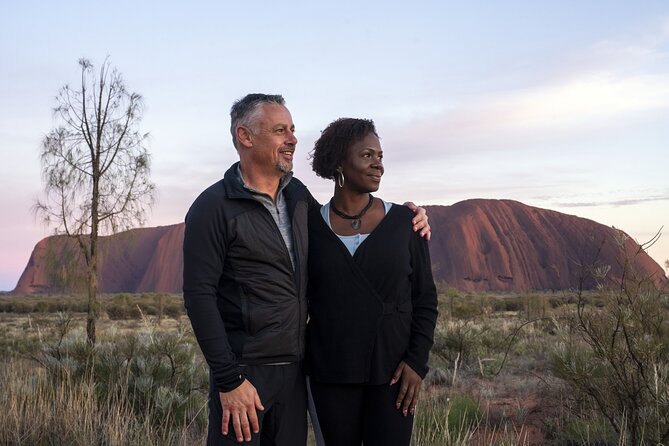
Uluru and Kata Tjuta are close on a map, but they feel worlds apart on the ground. Uluru is the iconic monolith and cultural center of gravity, while Kata Tjuta is all steep valleys, big rock formations, and long sightlines. Doing both in 48 hours is a strong move because you’re spending your limited time where the light matters most.
This tour is built around those light windows. Day 1 ends with sunset at an Uluru lookout, and Day 2 starts early enough to catch sunrise at Kata Tjuta’s big rock silhouettes. If you’ve ever done a long drive and then only saw the sights under dull sky, you’ll appreciate how this itinerary protects the good hours.
The other thing I like is the way it mixes culture with nature. You don’t just roll past viewpoints. You stop at the Uluru-Kata Tjuta Cultural Centre, you walk to Mutitjulu Waterhole, and you get guided bush walks in the national park. That’s the difference between seeing a landmark and understanding what you’re seeing.
A few more Alice Springs tours and experiences worth a look
Price and logistics: what $502.07 really buys
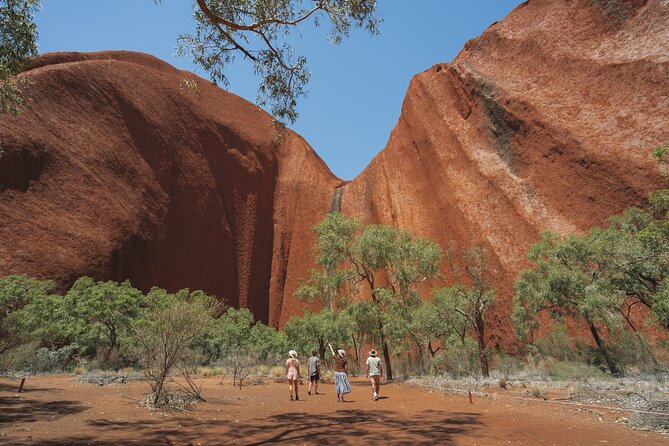
At about $502.07 per person, this isn’t a budget day trip. But you are paying for a lot that’s hard to assemble yourself: an accredited outback driver guide, entry to the cultural centre, guided walk time, and a National Park pass bundled into the program.
You’re also getting an overnight included (one night camping at Uluru). That matters because many independent Red Centre plans either cost similar money once you add transport, park access, and lodging—or they force you into subpar sleep.
A practical note: this tour averages booking about 96 days ahead. In plain terms, it’s popular. If your dates are fixed, book earlier rather than hoping for last-minute space.
6:00 am start: the real reason you’ll feel tired (and how to beat it)
The tour begins with a 6:00 am start from the Alice Springs Hotel at 11 Leichhardt Terrace. That’s early. No way around it. The good news is the early start is what lets you reach Uluru before the day gets hot and crowded, then still have energy for guided walks and those sunrise/sunset moments.
Plan your morning like a soldier:
- If you’re staying in Alice Springs, aim for a quick breakfast before pickup rather than relying on the schedule.
- Pack a warm layer even if it’s sunny—outback mornings can feel sharp.
- Keep your essentials easy to grab for bathroom stops. You’ll have toilet breaks en route.
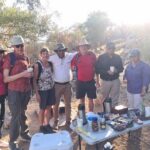
This tour runs as a small group (up to 23), which helps a lot with timing. Still, you should expect the day to be full. You’ll be doing driving plus active hiking plus meals and camp setup—so build in a flexible mindset.
Morning drive from Alice Springs: first stops that set the tone
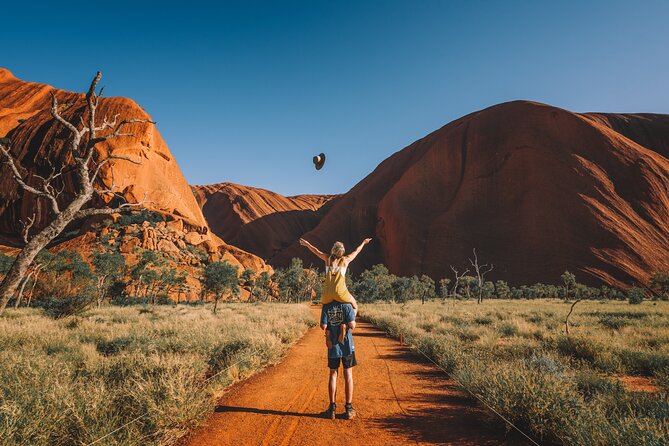
Day 1 starts with a classic Red Centre approach: you leave Alice Springs early and work your way toward Uluru with short, meaningful breaks.
One of the first fun (and slightly funny) stops is Mt Connor, often described as a false Uluru lookout. It’s a preview of the monolith vibe and a way to get your eyes trained for what you’ll see later. If you’re the type who likes to understand landscapes as you approach them, this helps.
Then you’ll pass Curtin Springs for a toilet break before heading toward the campground for lunch. It’s not flashy, but those regular check-in moments are what make a long outback drive feel manageable.
Uluru-Kata Tjuta Cultural Centre: the stop that changes how you see the rock
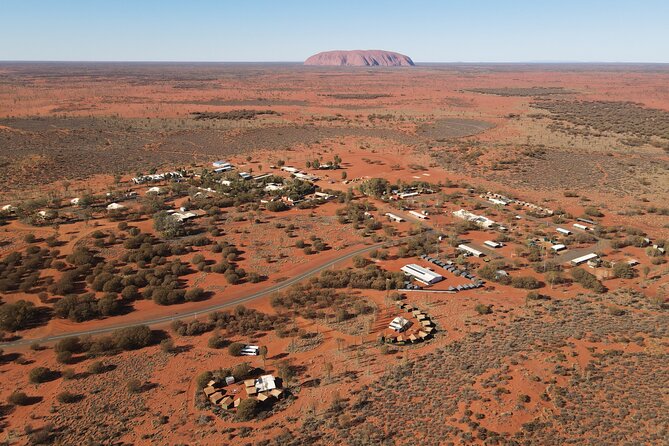
Before you walk on the land, you get context at the Uluru-Kata Tjuta Cultural Centre. It’s about heritage and Aboriginal significance, and it’s scheduled for about an hour.
Why this stop is worth your time: Uluru is a place people connect with deeply. If you arrive without any background, you can still enjoy the views. But with the cultural centre orientation, you’ll notice details you’d otherwise overlook—stories tied to water, rock features, and creation narratives.
The timing here also helps. After the drive, it’s a calmer transition into the day’s walking and sunset plans.




Mutitjulu Waterhole base walk: close-up Uluru with stories on the move
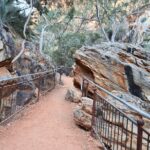
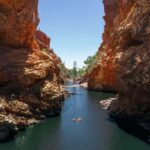
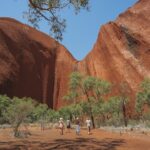
Next comes the Mutitjulu area. You’ll do a base walk (around two hours) connected to Mutitjulu Waterhole. This is where Uluru gets real up close—not just a skyline icon.
You’ll learn about sacred rock art sites and creation stories as you walk. The pace is guided, so you’re not just wandering. You’re moving as the guide points out what matters and why.
A heads-up: because you’re walking and stopping often, comfortable shoes matter more than you’d think. If your feet are already cranky from travel, this is the kind of walk that will either be enjoyable or feel like a chore depending on footwear and socks.
Kantju Gorge and sunset at Uluru: the day’s payoff
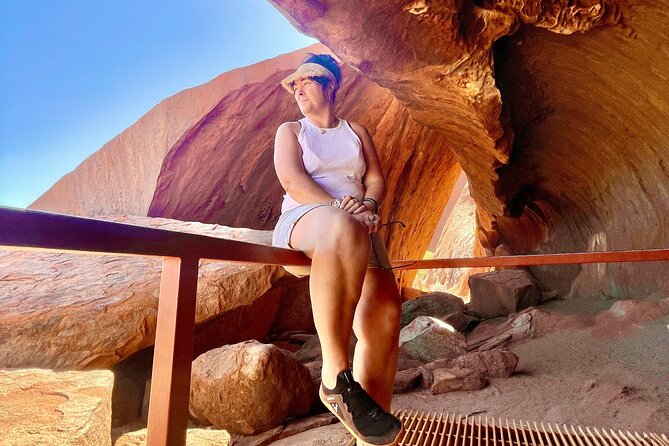
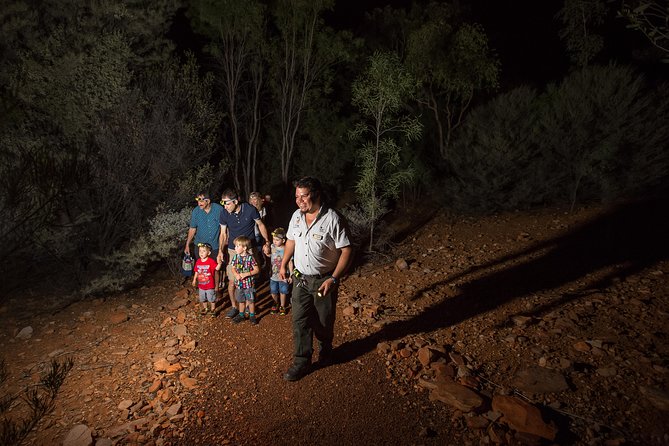
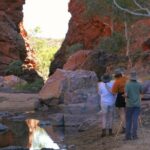
After Mutitjulu, you head into Uluru-Kata Tjuta National Park. One highlight here is Kantju Gorge, where the itinerary notes Central Australia’s highest waterfall and an elders’ cave. The walk segment is shorter on paper, but the feel is big—gorge country tends to make the air cool down and the rock forms go dramatic.
Then the day ends with a sunset lookout at Uluru, plus dinner. This is why the two-day structure is worth it. The Red Centre light shifts fast, and doing sunset here (rather than rushing it) makes a difference.
Keep expectations realistic: you’re camping and hiking in a remote area, so the day is not “relax and float.” It’s guided, outdoorsy, and you’ll likely feel that rewarding tiredness.
Overnight at the outback camp: safari tents vs swag-style bedroll
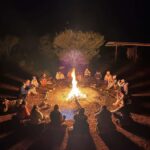
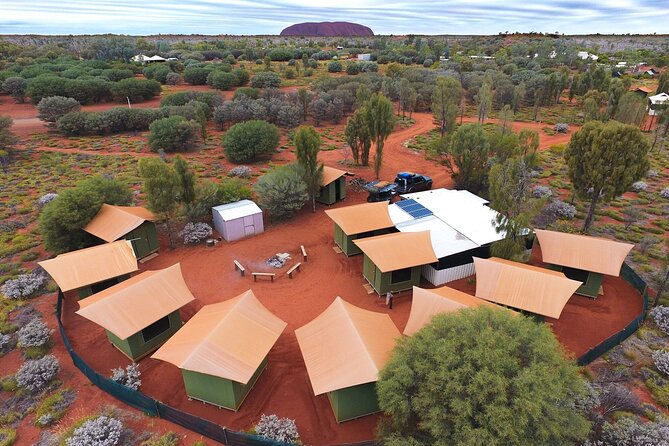
Night 1 is included at permanent outback campsite at Uluru. You can choose between comfortable twin safari tents or a traditional swag experience using a canvas-covered bedroll.
Here’s how to think about it:
- If you want more privacy and security, pick the permanent twin safari tents. The setup is described as comfortable, and for many people that’s the stress-reducer after a full hiking day.
- If you’re up for a more traditional outback feel, the swag-style bedroll is the more hands-on option.
Sleeping bags can be hired for $40 AUD onboard, and that hire includes cleaning costs. If you tend to feel cold at night, don’t gamble. Bring what you need or plan to hire.
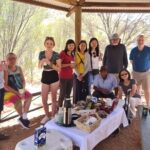
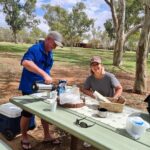
Also remember one small detail that gets overlooked until you’re there: you’re asked to participate in meal preparation, clean-up, and vehicle unpacking/loading. That’s not a complaint—it’s how group trips stay smooth. It also means you’ll be hanging out with your tour group, not just passing through them.
Day 2 sunrise and Valley of the Winds: your hardest hike is also your best one
Day 2 begins with light breakfast, then you head out for sunrise in the national park. The plan is to see Kata Tjuta’s silhouette at early light, which is exactly the kind of moment you pay for in this part of Australia. Even if you’re not a sunrise person, the rock shapes change with the sun, and that’s what makes the early start feel worth it.
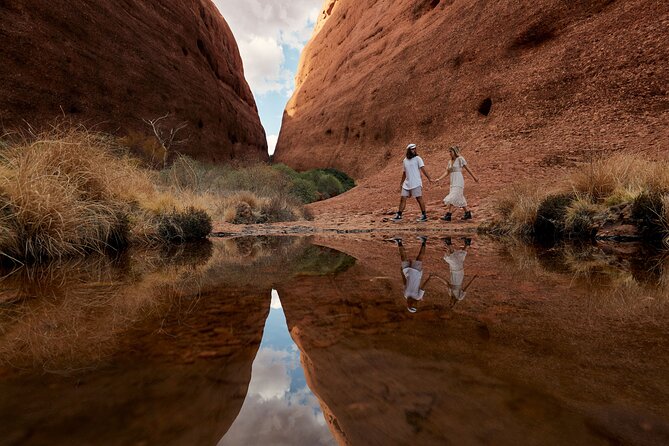
After that, the hike is the big one: Valley of the Winds (also called Walpa Gorge in the itinerary). It’s about two hours and includes a look through those conglomerate rock formations.
This is where your fitness level matters. The tour states a moderate to advanced level of fitness is needed to complete the walks. If you have mobility limitations or you’re unsure about distance, get honest with yourself before booking. This isn’t a flat stroll.
One more practical tip: if you like photos, you might have to adjust your habits at Kata Tjuta. The information you’re given suggests there are restrictions, so plan on enjoying the experience without expecting to shoot constantly.
Kata Tjuta finish and getting back to Yulara
After the hike, you conclude the Kata Tjuta portion and return to Yulara Resort or Ayers Rock Airport. Drop-off is described as shortly after midday, and the tour typically returns to Yulara between 12:30 pm and 1:00 pm.
This matters for flight planning. The tour strongly recommends not booking outbound flights before 2:15 pm. Do it. Give yourself the buffer. In remote areas, delays happen, and a tight connection is just stress you don’t need.
Value check: who this tour fits best (and who might want another option)
This tour is a great fit if you want a guided Red Centre experience that doesn’t leave you to figure everything out. You’ll get national park access included, cultural interpretation, and two big landmark days with sunrise and sunset.
It’s also ideal if you enjoy small-group travel. With a max group size of 23, you’ll spend more of the day with your guide and less time waiting around.
Here’s who may want to reconsider:
- If early mornings and active walking are a hard no, this probably won’t feel good.
- If you need highly customized meals, the tour notes options are limited once you’re in remote areas, so you’ll need to arrange dietary needs ahead of time.
Should you book this 2 Day Uluru Red Centre Rock Tour?
Book it if you want the Red Centre highlights in a tight two-day format, and you’re happy with guided hikes and camp life. The best reason to go is simple: you’re getting both Uluru and Kata Tjuta, with sunrise and sunset built into the schedule. That’s hard to replicate on your own without serious planning.
Skip or choose another style if you’re sensitive to strenuous walking, or if you’re the type who prefers long, slow days with minimal early starts. This is active, remote, and schedule-driven—and that’s exactly what makes the experience work for the right traveler.
If you do book, pack for warm daytime and cooler nights, bring good shoes, and treat the guides’ stories as part of the tour, not an extra. In a place like this, your understanding grows while you walk.
FAQ
Where do I start and where do I end?
You start at the Alice Springs Hotel on Leichhardt Terrace (11 Leichhardt Terrace) at 6:00 am. You end at Ayers Rock Resort in Yulara or drop-off at Ayers Rock Airport, usually shortly after midday.
Is this a small group tour?
Yes. The maximum group size is 23 travelers.
What’s included in the price?
Breakfast and dinner are included, along with lunch (2). You also get one night camping at the Uluru area, guided bush walks (about 5 km, depending on fitness level), Aboriginal culture and rock art viewing, and the Uluru-Kata Tjuta National Park pass.
Do I need to bring a sleeping bag?
Sleeping bags are not listed as included, but you can hire one onboard for $40 AUD. The hire includes cleaning costs.
What accommodation options are available for the night?
You can sleep in comfortable twin permanent safari tents for more privacy and security, or choose a traditional swag experience with a canvas-covered bedroll.
How fit do I need to be?
Most travelers can participate, but the walks require moderate to advanced fitness and mobility. If you are over 75 years old, a doctor’s certificate is required (submitted 30 days before travel). You should be ready for about 5 km of guided walking.
What about food and dietary needs?
Dietary needs can be limited in remote areas, so you must advise your requirements at the time of booking. Meals not listed on the itinerary are not included.
Can I bring a service animal?
Yes, service animals are allowed.
When should I avoid booking my outbound flight?
The tour typically returns to Yulara between 12:30 pm and 1:00 pm, and delays are possible. The recommendation is not to book outbound flights before 2:15 pm.
Can I cancel and get a refund?
You can cancel up to 6 days in advance for a full refund. If you cancel 2–6 days before, the refund is 50%. Less than 2 days before usually isn’t refundable.
If you want, tell me your travel month and your hiking comfort level (easy/moderate/strong), and I’ll suggest whether this two-day pace fits you.